 Slow Bio Hack
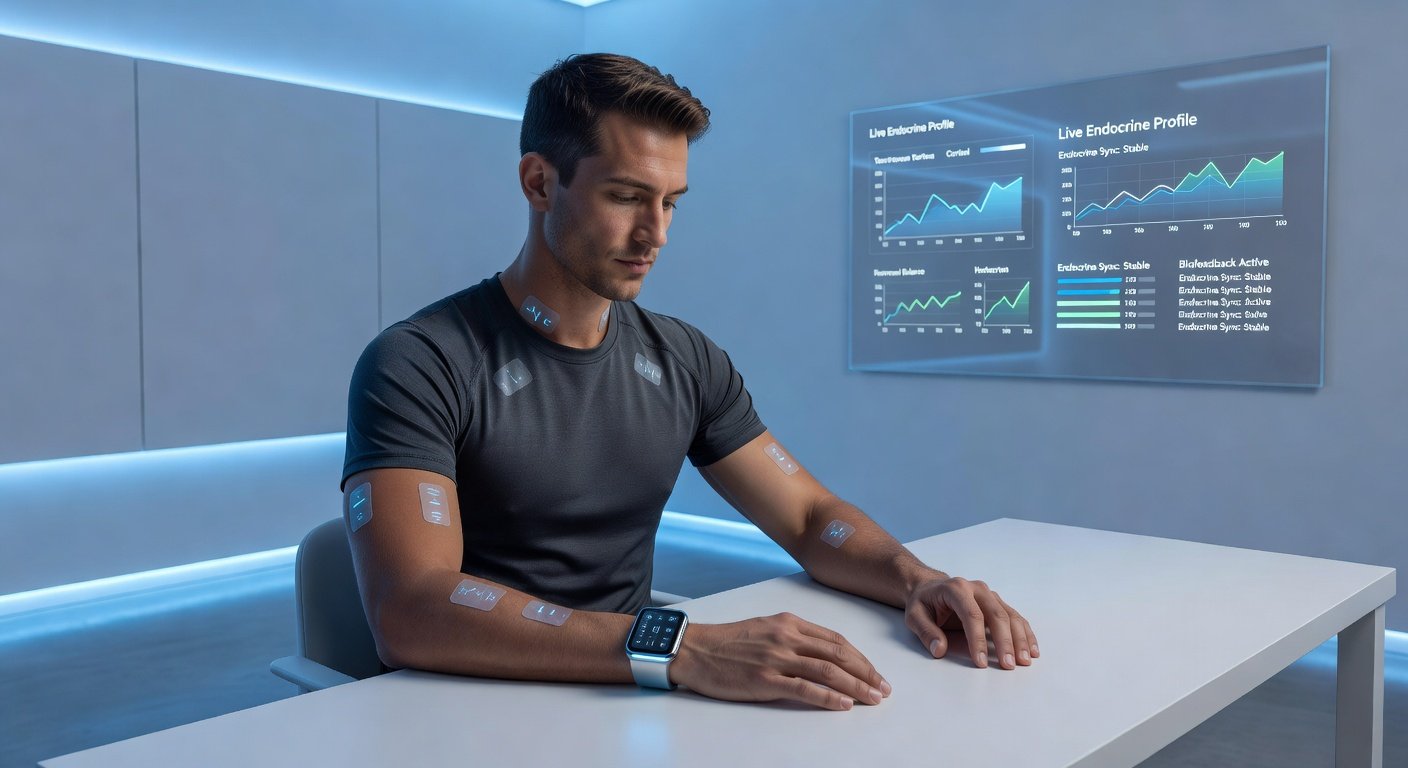
Understanding Hormone Imbalance in 2026
Hormone optimization has emerged as a critical focus in personal wellness strategies, particularly as 2026 introduces advanced non-invasive technologies that provide continuous, actionable insights. Hormones such as cortisol, thyroid hormones, estrogen, testosterone, progesterone, and insulin play interconnected roles in regulating energy, mood, metabolism, reproductive health, and cognitive function. When these systems fall out of balance, individuals often experience a cascade of symptoms that can disrupt daily life.
Common indicators of imbalance include chronic fatigue that persists despite adequate rest, unexplained mood fluctuations ranging from irritability to anxiety, disrupted sleep architecture with frequent awakenings, difficulty maintaining stable body weight, reduced sexual drive, skin changes like acne or dryness, and cognitive fog affecting concentration. These signs frequently overlap, making self-diagnosis challenging without data. Biohacking approaches in 2026 emphasize prevention and fine-tuning through technology rather than reactive treatments, allowing users to detect subtle shifts before they escalate into clinical issues.
Recognizing Key Signs of Hormonal Disruption
To build effective optimization strategies, it helps to categorize symptoms by hormone type. Elevated cortisol may manifest as afternoon energy crashes, sugar cravings, and heightened stress responses. Thyroid imbalances often present through temperature sensitivity, hair thinning, and sluggish metabolism. Sex hormone fluctuations in both men and women can lead to menstrual irregularities, erectile difficulties, or loss of muscle tone.
- Track symptom patterns over two weeks using a simple journal to identify clusters.
- Note correlations with lifestyle factors like meal timing or work stress.
- Consider age-related shifts, as perimenopause or andropause can accelerate changes around ages 35-50.
Early recognition empowers proactive intervention using modern tools instead of waiting for annual lab panels.
Leading 2026 Biohacking Devices for Real-Time Hormone Insights
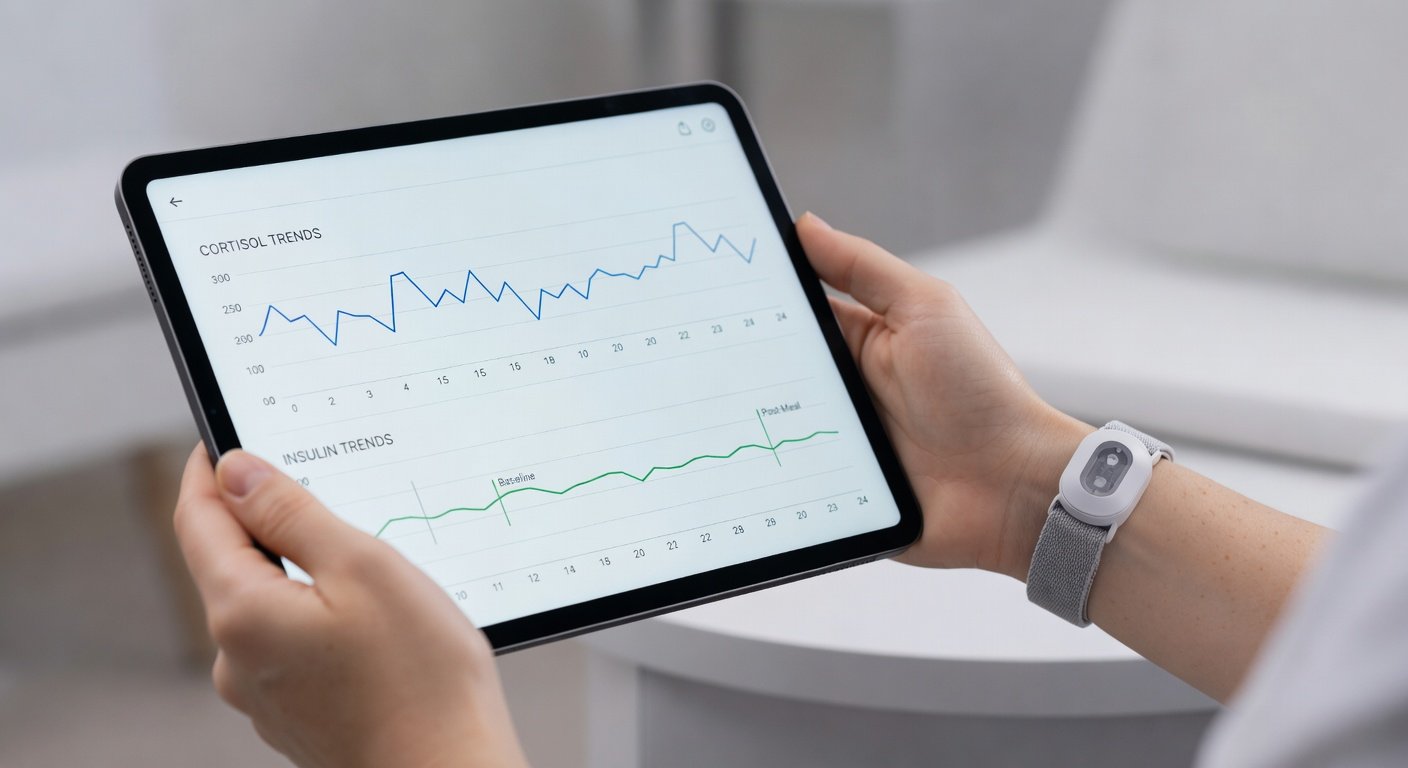
The 2026 landscape features sophisticated wearables that move beyond basic fitness tracking. Integrated continuous glucose monitors now pair with hormone-specific sensors to measure interstitial fluid markers linked to insulin and stress responses. Wrist-worn devices offer salivary cortisol sampling throughout the day, while adhesive patches provide multi-day readings of estrogen and testosterone metabolites. These gadgets sync wirelessly with smartphone apps that generate trend reports and personalized alerts.
Users benefit from non-invasive designs that eliminate finger pricks or blood draws for daily monitoring. Popular models emphasize battery life exceeding seven days and waterproof construction suitable for active lifestyles. Integration with AI algorithms helps interpret data by factoring in variables such as exercise intensity and sleep duration.
Comparing Device Accuracy and Reliability
Accuracy varies across consumer and clinical-grade options. High-end hybrid monitors demonstrate correlation rates above 94 percent with laboratory reference methods for glucose and cortisol when calibrated properly. Mid-tier devices typically achieve 85-90 percent alignment but may require periodic validation through blood tests. Factors influencing precision include skin type, placement consistency, and firmware updates. Experts recommend starting with devices backed by peer-reviewed validation studies and cross-checking initial readings against professional labs every 90 days.
Selecting Evidence-Based Supplements for Support
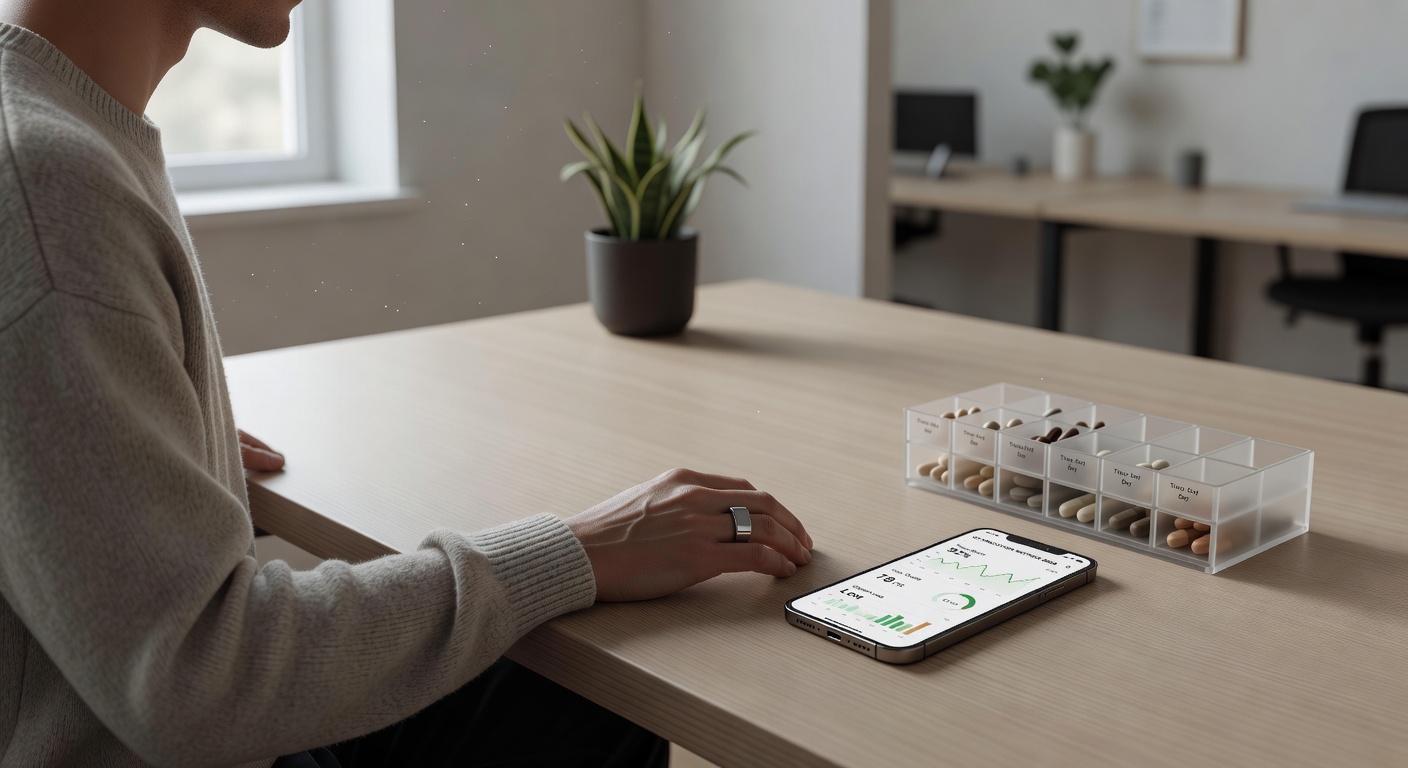
Supplements serve as targeted adjuncts when device data reveals specific deficiencies. Adaptogenic herbs such as rhodiola and holy basil help modulate cortisol output during high-stress periods. Omega-3 fatty acids from marine sources support cell membrane health and reduce inflammatory markers that interfere with thyroid function. Magnesium glycinate aids sleep quality and testosterone production, while zinc and selenium contribute to reproductive hormone synthesis. Vitamin D3 paired with K2 optimizes calcium metabolism and endocrine signaling. Selection should prioritize formulations with bioavailability enhancers and third-party purity testing. Combine these with dietary adjustments like increasing cruciferous vegetables for estrogen metabolism support.
Step-by-Step Daily Protocol for Sustainable Results
Implementing a consistent routine maximizes the value of monitoring tools and supplements. Follow this structured approach:
- Upon waking, activate your primary wearable and review overnight hormone trend summaries to adjust morning nutrition accordingly.
- Consume a balanced breakfast within 90 minutes, emphasizing protein and healthy fats to stabilize early insulin response based on device feedback.
- Schedule two 10-minute movement breaks during work hours, using app notifications triggered by rising cortisol indicators.
- Time supplement intake around meals—for instance, magnesium in the evening and adaptogens midday—to align with natural hormone cycles.
- Conduct a pre-sleep review of daily metrics and log subjective well-being scores to refine the protocol weekly.
- Perform monthly at-home saliva or blood spot tests to confirm device accuracy and track progress.
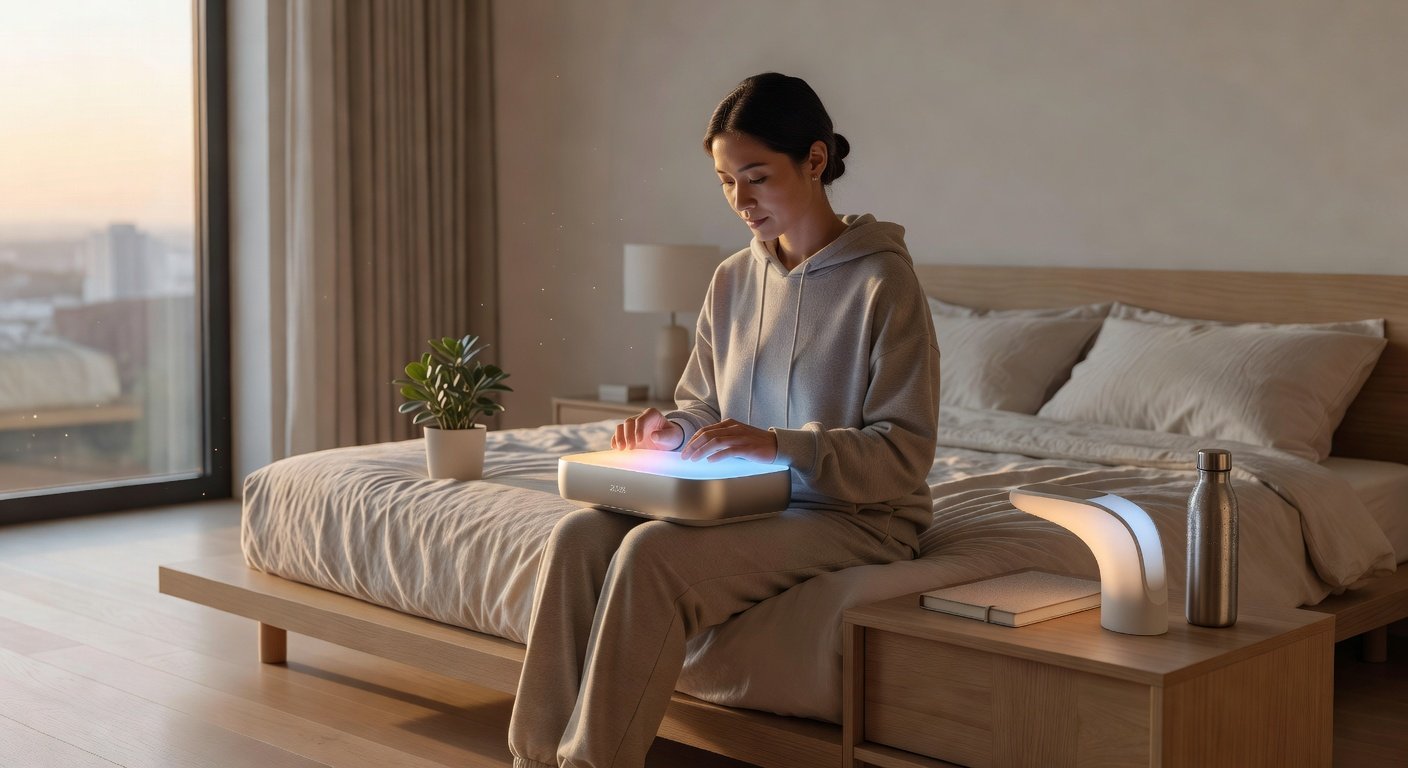
Adjustments may include varying light exposure timing or incorporating breathing exercises when stress markers spike.
Real-World Case Examples and Outcomes
Case 1 involved a 38-year-old executive experiencing midday energy dips and sleep fragmentation. After deploying a multi-hormone patch system and adhering to the daily protocol for ten weeks, her cortisol rhythm normalized, resulting in sustained afternoon productivity and a 30 percent improvement in sleep efficiency scores.
Case 2 featured a 29-year-old fitness enthusiast with irregular cycles and recovery challenges. Continuous monitoring revealed insulin sensitivity issues; targeted supplementation and protocol tweaks led to stabilized energy levels and restored menstrual regularity within eight weeks.
Case 3 highlighted a 51-year-old male noticing declining motivation and muscle maintenance. Integration of cortisol tracking and zinc-magnesium support yielded measurable testosterone stabilization and enhanced workout performance after twelve weeks of consistent application.
Common Mistakes to Avoid During Optimization
Many beginners overlook calibration routines, leading to skewed data. Others introduce multiple supplements simultaneously, complicating cause-effect analysis. Ignoring lifestyle foundations such as consistent sleep schedules or chronic stress management undermines device benefits. Always introduce changes gradually and maintain detailed records for accurate interpretation.
Frequently Asked Questions
How safe are continuous hormone monitoring devices?
Most 2026 models hold regulatory clearances and use biocompatible materials. Begin with short wear periods to assess skin tolerance and consult manufacturers for contraindications related to medical implants.
What timelines should users expect for noticeable improvements?
Subjective benefits like better energy often appear within 14-28 days, while objective biomarker shifts typically require 6-12 weeks of adherence, varying by individual baseline and consistency.
Can these tools replace professional medical advice?
No. Devices provide supportive data but should complement, not substitute, evaluations from qualified endocrinologists or primary care physicians.
Are there age or gender-specific considerations?
Yes. Protocols for women may emphasize cycle syncing, while men often focus on testosterone preservation. Age groups over 45 benefit from more frequent validation testing.
How do users handle data privacy with connected apps?
Select platforms with end-to-end encryption and review privacy policies. Many allow local data storage options to minimize cloud sharing.
Conclusion
2026 biohacking technologies for hormone optimization deliver precise, non-invasive pathways to balance through real-time feedback and targeted interventions. By understanding symptoms, selecting reliable devices, incorporating evidence-based supplements, and following structured protocols, individuals achieve sustainable improvements in vitality and health markers. Consistent application combined with professional oversight yields the strongest outcomes. For further reference, consult resources from the Endocrine Society, NIH, and Mayo Clinic.
No comments yet. Be the first!