 Slow Bio Hack
Understanding Circadian Rhythm Basics
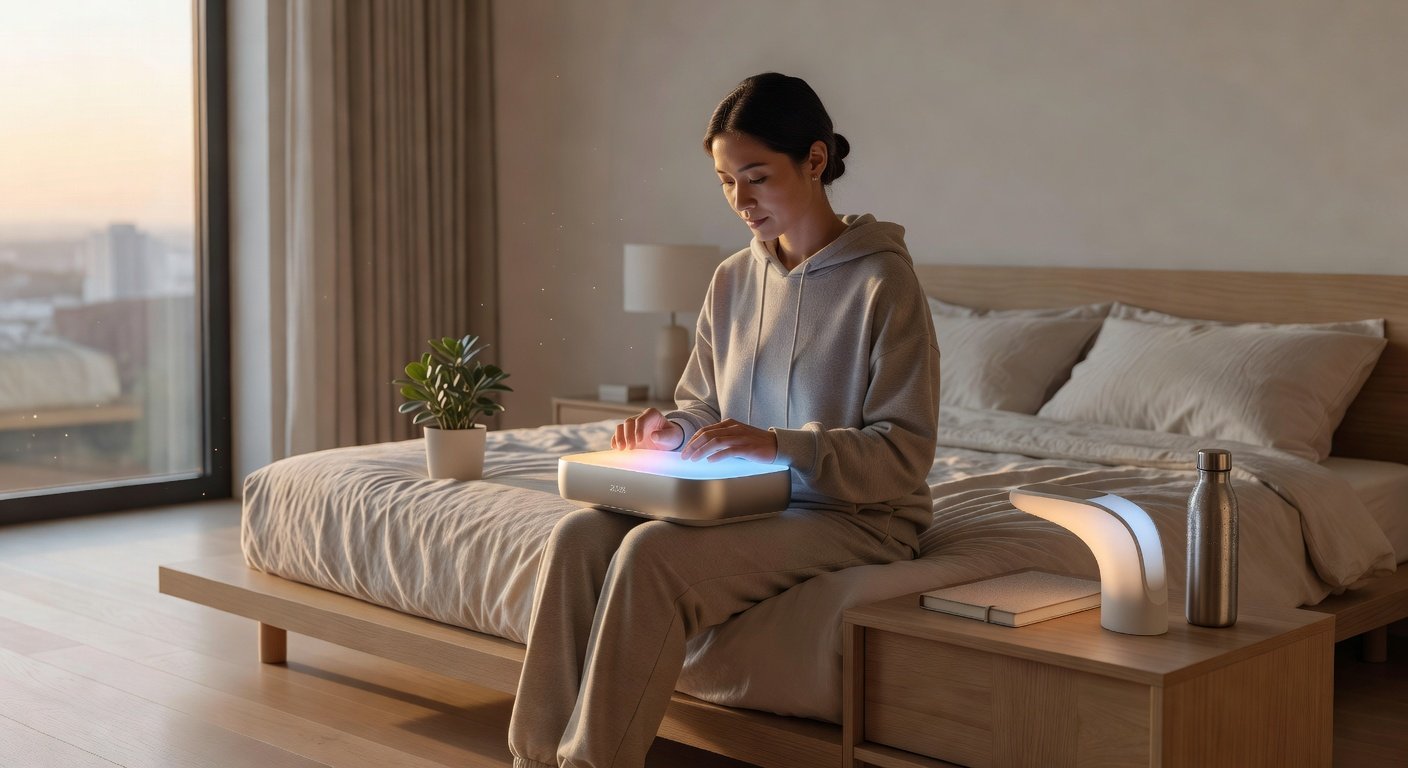
Your circadian rhythm is the internal biological clock that governs your sleep-wake cycle, hormone production, body temperature, and even digestion over a roughly 24-hour period. It is primarily influenced by light exposure, with the suprachiasmatic nucleus in the brain acting as the master regulator. When this rhythm falls out of sync with the external environment due to artificial lighting, irregular schedules, or screen time, it can disrupt melatonin release and cortisol patterns. In 2026, biohacking tools allow precise monitoring and correction of these natural processes, helping users move from reactive sleep fixes to proactive optimization.
Beginners often overlook how even small misalignments accumulate over weeks. For instance, consistent late-night blue light exposure delays the rhythm by 1-3 hours, leading to morning grogginess. Understanding these fundamentals sets the stage for effective tool selection and daily routines.
Why Circadian Optimization Matters for Overall Wellness
Aligning your circadian rhythm improves more than just sleep quality. It enhances metabolic health, reduces inflammation, supports immune function, and sharpens cognitive performance throughout the day. Studies link poor rhythm alignment to higher risks of anxiety, weight gain, and cardiovascular issues. By using modern biohacking devices, individuals can measure improvements in energy levels and recovery metrics, creating sustainable wellness gains.
Beyond physical benefits, optimized rhythms promote emotional stability and productivity. Many users report fewer mood swings and better focus after just a few weeks of targeted interventions. This makes circadian optimization a foundational practice for long-term health rather than a niche sleep hack.
2026 Innovations in Biohacking Tools
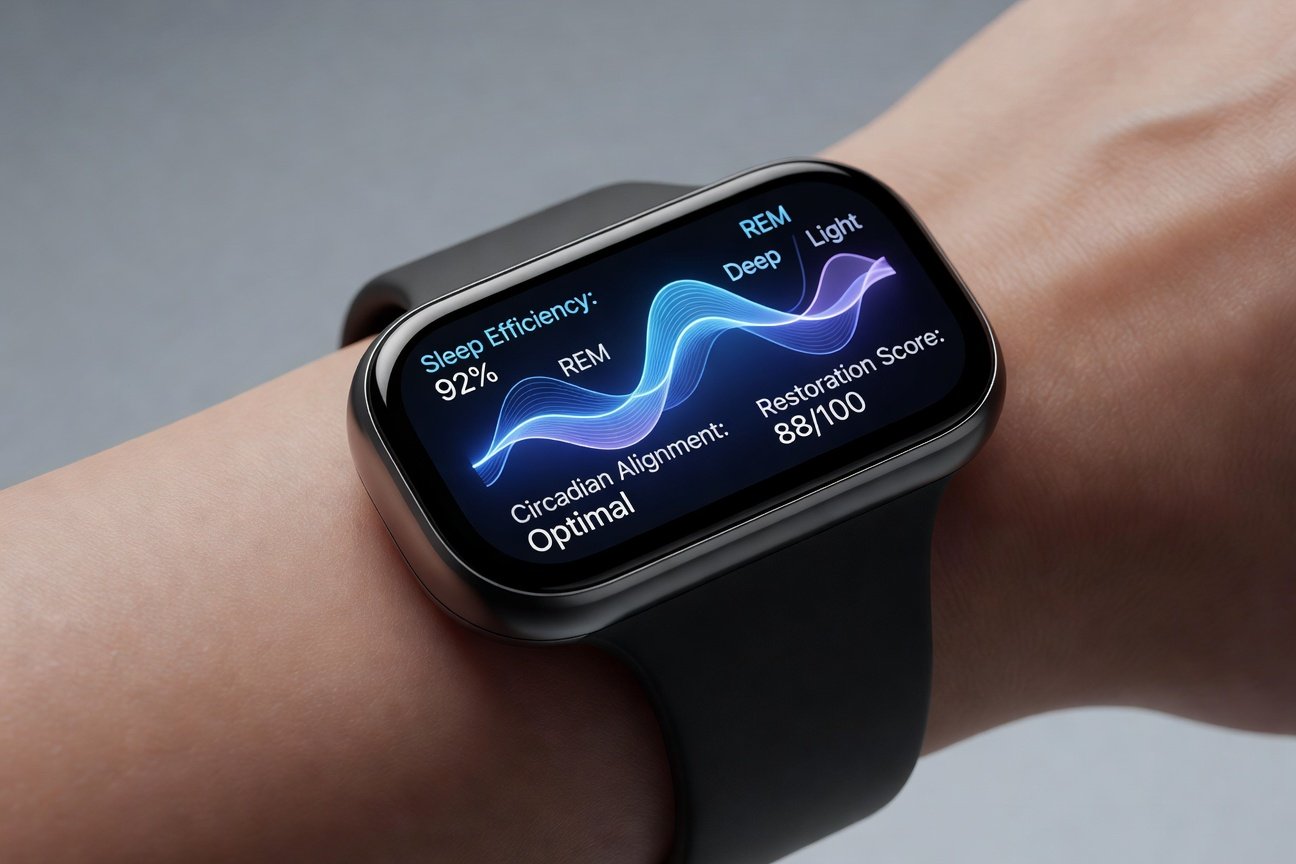
The year 2026 brings advanced AI-driven light therapy systems that automatically adjust color temperature and intensity based on real-time user data from connected wearables. Newer trackers now incorporate multi-sensor feedback including skin temperature and movement patterns to predict rhythm shifts before they occur. These innovations allow for personalized protocols that adapt daily rather than relying on static schedules.
Compared to earlier models, current devices offer superior integration with smartphone apps for trend analysis over months. Light panels feature programmable sunrise simulations that gradually increase lux levels, while portable options provide targeted red and near-infrared wavelengths for evening use. These tools represent a leap in precision for both beginners and experienced biohackers.
Selecting the Right Wellness Gadgets and Comparing Effectiveness
Choosing effective gadgets starts with identifying your primary pain points. Light therapy devices delivering 10,000 lux are ideal for morning resetting, while trackers focused on heart rate variability provide ongoing feedback. Effectiveness comparisons show light-based tools deliver faster visible results for alertness within days, whereas data trackers excel at revealing long-term patterns and guiding adjustments.
Consider factors like portability, battery life, and app usability when evaluating options. Smart glasses that block specific blue wavelengths outperform basic screen filters for evening use. Many 2026 models include community-shared protocols for common scenarios, making selection easier for newcomers. Always verify device certifications and read recent user reviews focused on rhythm-specific outcomes before purchasing.
Pairing Gadgets with Targeted Supplements
Supplements amplify gadget effectiveness when timed correctly. Magnesium glycinate supports muscle relaxation and GABA production for smoother sleep onset, while adaptogens like rhodiola and ashwagandha help modulate cortisol during high-stress periods. These work synergistically with light exposure tools to reinforce natural hormone cycles.
Begin with low doses and monitor responses through your tracker data. For example, taking magnesium 60-90 minutes before bed complements red-light therapy sessions. Users often combine these with omega-3s for additional anti-inflammatory support. Professional guidance ensures safe integration without over-supplementation.
Step-by-Step Daily Implementation Routine
Follow this actionable routine to build consistency:
- Upon waking, expose yourself to bright full-spectrum light for 20-30 minutes while reviewing overnight tracker data.
- Consume a protein-rich breakfast within one hour to stabilize blood sugar and support rhythm signaling.
- Midday, take short outdoor walks to reinforce natural light cues and boost vitamin D.
- Limit caffeine after 2 p.m. and begin dimming indoor lights by 7 p.m.
- Use evening light therapy devices set to warm red tones for 15 minutes before starting wind-down activities.
- Incorporate magnesium and adaptogens 1-2 hours before bed alongside a brief meditation session.
- Track sleep metrics nightly and adjust light timing or supplement doses weekly based on trends.
This structure provides clear checkpoints while remaining flexible for different lifestyles.
Real-World User Examples and Results
One remote worker in a high-stress role used morning light panels and magnesium tracking for four weeks, reporting a 45-minute earlier natural wake time and sustained afternoon energy without caffeine crashes. A nurse on rotating shifts implemented timed adaptogen intake with portable therapy lights and reduced jet-lag-like symptoms during schedule flips. Frequent travelers note that combining wearable data with gradual light shifting before trips cuts recovery time in half compared to previous methods.
These examples highlight how personalization through data leads to compounding benefits over months.
Handling Common Challenges Like Jet Lag and Shift Work
Jet lag responds well to pre-travel light exposure adjustments using apps that simulate destination time zones. Shift workers benefit from strategic blackout environments and targeted light bursts during work hours to maintain alertness. Both groups should monitor recovery through multi-day tracker averages rather than single nights.
Additional scenarios include seasonal changes and social jet lag from weekend variations. Consistent routines with gadget reminders help mitigate these disruptions effectively.
Mistakes to Avoid When Starting Out
- Over-relying on supplements without consistent light exposure timing.
- Ignoring gradual adjustments and expecting overnight fixes.
- Using devices inconsistently or skipping data review sessions.
- Combining too many new tools simultaneously instead of layering them methodically.
FAQ
How long does it typically take to see measurable improvements?
Initial shifts in energy and sleep onset often appear within 7-14 days, with full rhythm stabilization taking 3-4 weeks of consistent application.
Can these strategies work for people with diagnosed sleep disorders?
They provide supportive benefits but should complement professional medical advice rather than replace treatments like CPAP therapy.
What if my schedule changes frequently due to travel?
Portable devices and flexible app-based protocols allow quick resets by advancing or delaying light exposure in 30-minute increments daily.
Are there any age-specific considerations?
Older adults may need slightly longer light exposure durations, while younger users often respond faster to supplement timing adjustments.
Conclusion
Optimizing circadian rhythm through 2026 biohacking tools delivers practical, measurable wellness improvements when approached systematically. By combining innovative gadgets, supportive supplements, and structured routines, you can achieve lasting alignment that enhances daily life. Start with core elements like light exposure and tracking, then refine based on personal data for optimal results.
No comments yet. Be the first!