 Slow Bio Hack
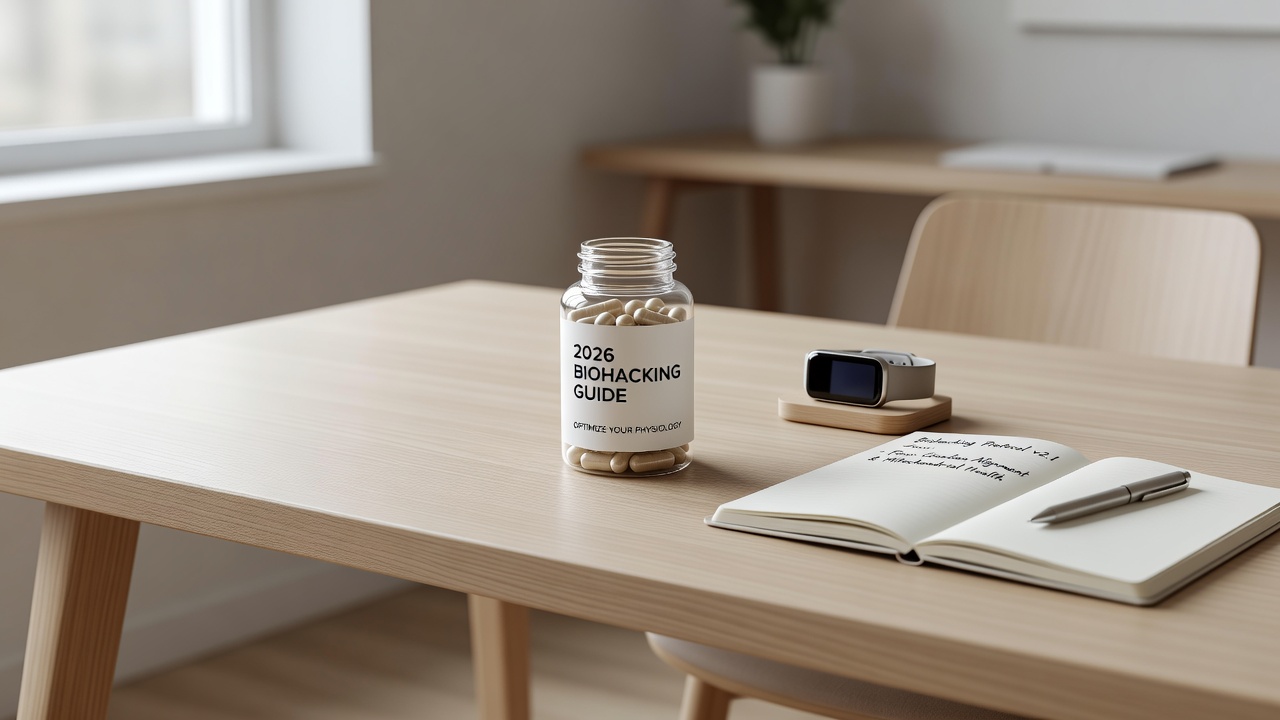
Introduction to Optimization Tools for Beginners
Entering the world of biohacking in 2026 can feel overwhelming with countless supplements and wellness gadgets promising better energy, focus, and recovery. This guide simplifies the process by focusing on foundational choices that deliver real results without complexity. Whether you are exploring daily optimization for the first time or refining an existing routine, understanding core differences helps you start safely and effectively. Biohacking at its core involves using science-backed methods to enhance physical and mental performance through targeted interventions. For newcomers, the emphasis should remain on sustainable habits rather than extreme protocols that require advanced monitoring equipment or medical supervision.
Optimization tools generally fall into two categories: ingestible supplements and wearable or device-based gadgets. Supplements support internal processes like nutrient absorption and hormone balance, while gadgets provide external data tracking or stimulation. Beginners benefit most from starting with one or two accessible options rather than investing in advanced systems immediately. This measured entry reduces the risk of information overload and allows individuals to observe personal responses clearly before expanding their toolkit.
Supplements Versus Wellness Gadgets: Key Differences
Supplements such as magnesium or omega-3s work at the biochemical level to fill nutritional gaps common in modern diets. They require consistent daily use and often show subtle cumulative benefits over weeks. In contrast, wellness gadgets like basic heart rate monitors or light therapy devices deliver immediate feedback or targeted stimuli, making progress easier to track from day one. Understanding these distinctions helps beginners align tools with specific health objectives rather than following trends.
The choice depends on your primary goal. If sleep quality or recovery is the focus, a supplement may integrate more seamlessly into an evening routine. For performance tracking, a simple gadget provides measurable data points that encourage adherence. Many beginners combine both approaches gradually after establishing baseline habits. Real-world examples include pairing an electrolyte supplement with a basic activity tracker to monitor hydration alongside movement patterns throughout the workday.
Budget-Friendly Starter Kits for 2026
Practical entry points exist at every price level. A typical starter kit might include a high-quality magnesium supplement paired with a basic sleep tracker. These combinations address common beginner concerns such as stress management and restorative rest without requiring specialized knowledge. Additional accessible options encompass hydration-focused electrolyte mixes and compact red light devices suitable for home use during short daily sessions.
Real product examples include reputable electrolyte powders for hydration support and entry-level red light panels for skin and energy benefits. Always verify third-party testing labels when selecting supplements to ensure purity and accurate dosing. Building a starter kit around one supplement and one low-complexity gadget creates a balanced foundation that supports both internal nourishment and external feedback loops.

Safety Considerations Before You Begin
Prioritizing safety prevents setbacks. Consult a healthcare professional before introducing new supplements, especially if you take medications. Start with the lowest effective dose and monitor your body's response over seven to ten days. For gadgets, review manufacturer guidelines on usage duration and contraindications such as photosensitivity with light-based devices. Tracking any changes in energy levels, digestion, or sleep quality during the initial trial phase provides valuable personal data for future adjustments.
Regulatory resources provide additional guidance. Authoritative information from organizations like the U.S. Food and Drug Administration helps users understand labeling standards and potential risks associated with wellness products. Complementary insights can also be found through evidence-based databases maintained by the National Institutes of Health, which offer overviews of common supplement research and safety profiles.
Comparison Table of Top Beginner Options
| Tool Type | Example | Best For | Entry Difficulty |
|---|---|---|---|
| Supplement | Magnesium glycinate | Sleep and relaxation | Low |
| Gadget | Basic wearable tracker | Activity and heart rate | Low |
| Supplement | Omega-3 fish oil | Focus and inflammation | Low |
| Gadget | Red light therapy panel | Energy and recovery | Medium |
Step-by-Step Decision Framework
A structured approach ensures selections match individual needs rather than marketing claims. Begin by clarifying priorities and move methodically through evaluation stages to build confidence in each choice.
- Identify your top wellness priority such as energy, sleep, or focus by reflecting on daily pain points like afternoon fatigue or restless nights.
- Assess current habits including diet, sleep schedule, and activity level through a simple one-week journal to establish baseline metrics before adding tools.
- Research one supplement and one gadget that align with your priority using reputable sources and user reviews focused on long-term experiences rather than short-term testimonials.
- Allocate a trial period of 30 days while tracking subjective and objective markers such as mood logs, energy ratings, and device-read data points.
- Evaluate results and adjust or expand your toolkit based on outcomes, repeating the process for any new additions to maintain clarity on cause and effect.
Simple Integration Steps Into Daily Life
Successful integration relies on consistency rather than perfection. Pair supplement intake with an existing habit such as morning coffee or evening wind-down to create automatic cues. Use gadget reminders to log data at consistent times, turning tracking into a frictionless routine. Reassess monthly to ensure tools continue supporting your evolving goals and consider seasonal adjustments, such as increasing hydration support during warmer months.
Practical examples include placing a supplement bottle next to your coffee maker for morning dosing or setting a wearable device alarm for post-workout recovery checks. Over time these small anchors transform optimization practices into effortless components of daily life.
Tracking Progress and Measuring Results
Effective optimization requires ongoing measurement to validate tool effectiveness. Combine subjective self-assessments with objective data from gadgets whenever possible. Weekly reviews of sleep scores, energy journals, or focus ratings reveal patterns that might otherwise go unnoticed. This feedback loop empowers beginners to refine selections confidently and avoid continuing ineffective tools unnecessarily.
Frequently Asked Questions
Do optimization tools cause side effects?
Most beginner-friendly options produce minimal side effects when used as directed. Supplements may cause mild digestive adjustment initially, while gadgets rarely produce physical reactions beyond temporary skin sensitivity in light therapies. Discontinue use and seek professional advice if unusual symptoms appear. Keeping a simple symptom log during the first two weeks helps distinguish normal adaptation from genuine concerns.
How long until measurable results appear?
Supplements often require two to four weeks for noticeable changes as nutrient levels stabilize. Gadgets can provide instant metrics, though meaningful trends emerge after consistent use over several weeks. Combine subjective feelings with objective data for a complete picture and avoid premature judgments within the first ten days of any new addition.
Can I combine multiple tools right away?
Beginners achieve better long-term success by introducing one new tool at a time. Once a supplement or gadget becomes habitual, add the next item. This measured approach reduces overwhelm and clarifies which elements drive improvements while minimizing potential interactions between interventions.
What if results plateau after initial gains?
Plateaus often signal the need for reassessment rather than immediate escalation. Review adherence consistency, consider cycling certain supplements, or upgrade to slightly more advanced tracking features only after confirming foundational tools are fully integrated into your routine.
Conclusion
Choosing optimization tools in 2026 becomes straightforward when you focus on fundamentals, safety, and gradual integration. By starting with budget-conscious, evidence-aligned options and following a clear decision process, beginners build sustainable routines that support lasting wellness gains. Continued education through trusted sources and personal experimentation ensures the toolkit evolves alongside changing health priorities throughout the year.
No comments yet. Be the first!