 Slow Bio Hack
Introduction to Longevity Optimization in 2026
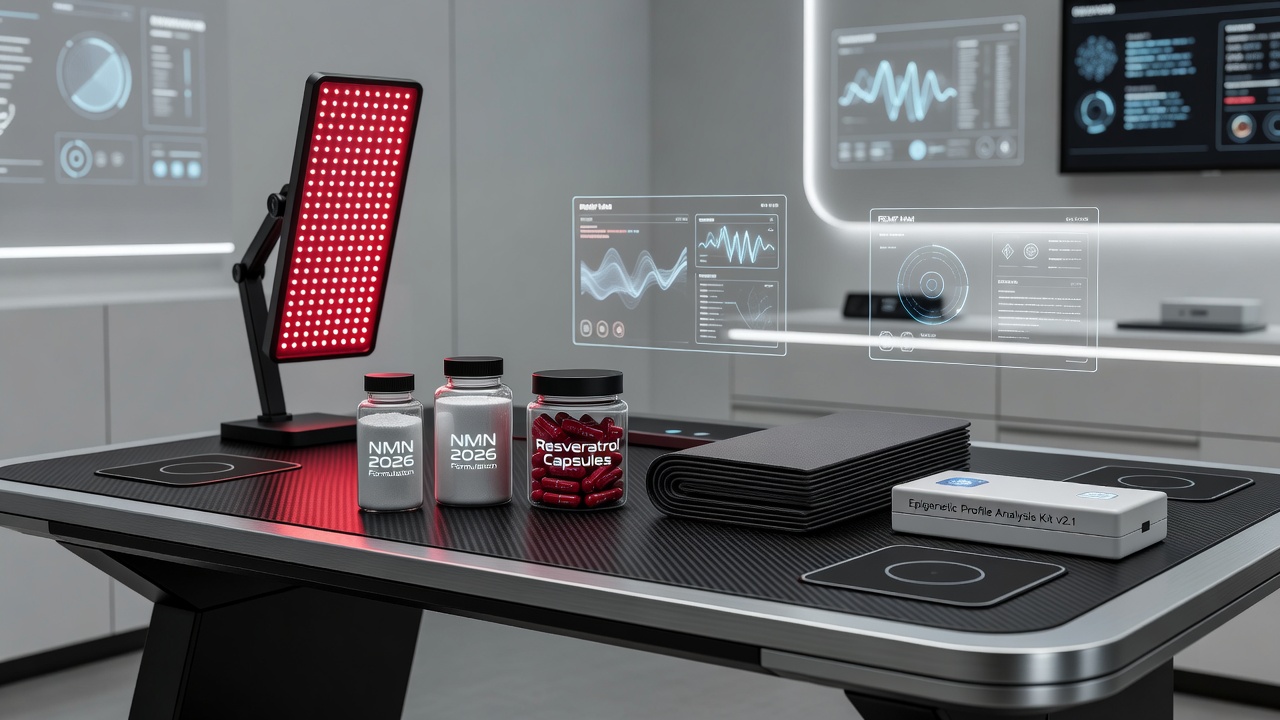
Proactive aging interventions have evolved significantly in recent years, shifting focus from general wellness practices to targeted biohacking that extends healthspan through measurable interventions. In 2026, individuals seeking tangible results are integrating specific tools, supplements, and testing methods backed by emerging scientific understanding. This comprehensive guide delves into NMN and resveratrol stacking protocols, detailed comparisons of red light therapy and PEMF devices, epigenetic testing integration strategies, and the key biomarkers essential for tracking progress. The emphasis remains on advanced yet actionable approaches that differentiate from beginner-level or single-focus optimization topics, providing depth for those already familiar with foundational concepts.
Longevity optimization prioritizes interventions that influence cellular processes such as NAD+ replenishment, sirtuin activation, mitochondrial efficiency, and DNA methylation patterns. Rather than broad lifestyle advice, the strategies here focus on protocols that allow for personalization based on individual biomarker feedback. Users at this level often combine multiple modalities while monitoring outcomes over months rather than weeks to assess true efficacy.
NMN and Resveratrol Stacking Protocols
NMN (nicotinamide mononucleotide) serves as a precursor to NAD+, a coenzyme critical for energy metabolism that naturally declines with age. Stacking it with resveratrol, a polyphenol known for activating sirtuins, creates a synergistic effect that may support cellular repair and longevity pathways. Advanced protocols typically recommend starting with 500 mg of NMN daily in the morning, combined with 250-500 mg of resveratrol taken alongside a dietary fat source to enhance bioavailability. Some practitioners extend this to 1000 mg NMN after an initial adaptation period of four to six weeks, observing changes in energy, recovery time, and cognitive clarity.
Practical examples include splitting doses across the day for those sensitive to stimulants or timing the stack 30 minutes before exercise to potentially amplify mitochondrial benefits. Users should source pharmaceutical-grade NMN from suppliers with third-party verification to ensure stability and purity. Monitoring involves noting subjective improvements alongside objective data such as resting heart rate variability. Adjustments are made based on quarterly reviews rather than immediate reactions, as cellular adaptations unfold gradually.
Red Light Therapy vs PEMF Devices
Red light therapy utilizes specific wavelengths, typically in the 630-850 nm range, to penetrate tissue and support mitochondrial function, collagen production, and localized inflammation reduction. PEMF devices, by contrast, generate pulsed electromagnetic fields that may influence cellular membrane potential and support overall recovery processes. 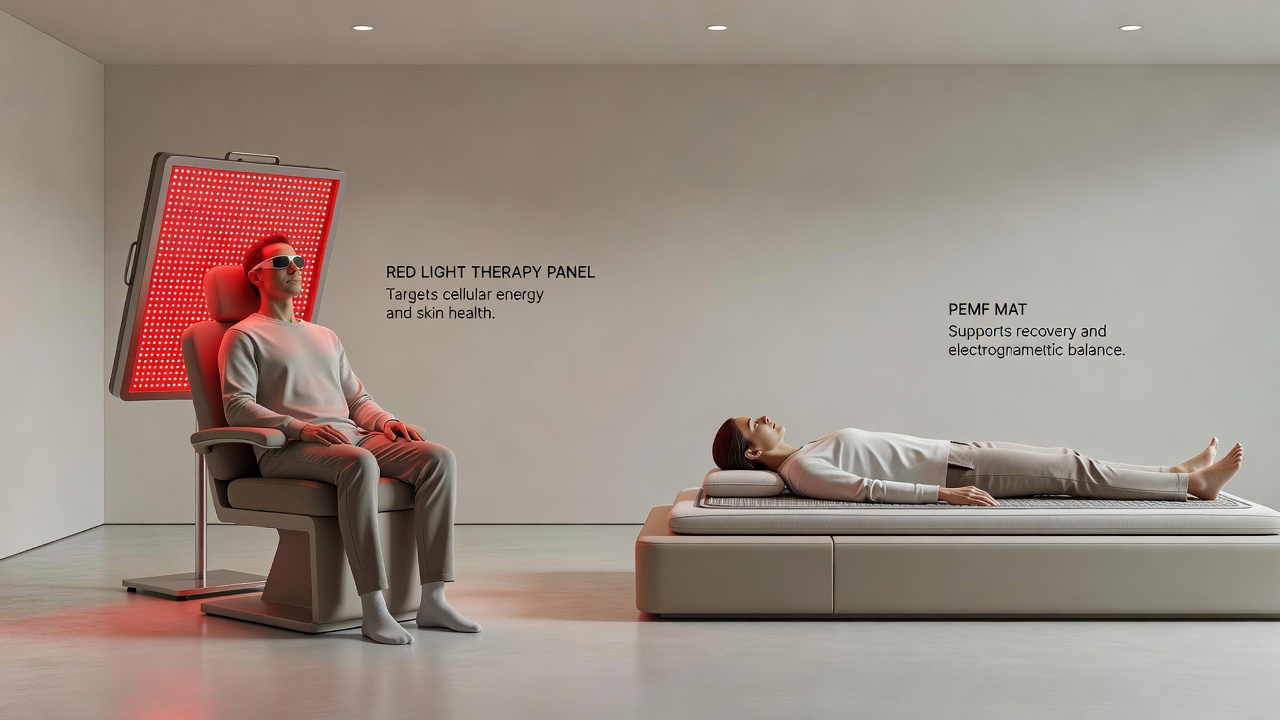
When comparing the two, red light therapy often proves superior for targeted applications such as joint discomfort or skin rejuvenation, with sessions lasting 10-20 minutes focused on specific areas. PEMF mats provide whole-body exposure and are frequently used for 20-30 minute sessions in the evening to promote relaxation and overnight repair. Advanced protocols involve alternating modalities three to four times per week, for instance using red light on training days and PEMF on recovery days. Factors influencing choice include device wavelength accuracy, field strength consistency, and user tolerance, with many opting for combination approaches to address both localized and systemic needs.
Integrating Epigenetic Testing
Epigenetic testing analyzes DNA methylation patterns to estimate biological age and identify areas where interventions may have the greatest impact. Services provide detailed reports highlighting methylation at specific sites associated with aging pathways. Integration begins with an initial baseline test, followed by implementation of targeted stacks or device routines for three to six months before retesting. This cycle allows users to correlate changes in biological age with specific protocols, such as increased NMN dosage or adjusted light therapy frequency.
Practical application includes reviewing report sections on inflammation-related markers and adjusting nutrition or supplement timing accordingly. For example, elevated methylation at certain sites might prompt increased emphasis on anti-inflammatory practices alongside existing routines. Retesting intervals of six months strike a balance between actionable feedback and avoiding unnecessary expense or over-analysis.
Measurable Biomarkers to Track Progress
Effective tracking relies on a combination of blood markers, physiological metrics, and wearable data. Core biomarkers include fasting glucose and insulin levels for metabolic health, hs-CRP for systemic inflammation, VO2 max for cardiovascular capacity, and estimates of telomere length or epigenetic age. Additional markers such as homocysteine, vitamin D status, and hormone panels provide further context for optimization decisions.
Weekly routines incorporate logging sleep architecture, heart rate variability, and activity levels via wearables. Monthly lab panels combined with quarterly epigenetic tests create a comprehensive dataset. Users often maintain spreadsheets or dedicated apps to visualize trends, enabling timely adjustments like increasing resistance training volume if VO2 max plateaus.
Sample Weekly Longevity Routine
A structured weekly plan helps maintain consistency while allowing flexibility. Consider this example for an intermediate to advanced user:
- Monday through Wednesday: Morning NMN-resveratrol stack with breakfast, followed by 20-minute red light therapy session targeting recovery areas and a 45-minute resistance training workout.
- Thursday and Friday: Evening PEMF mat session of 25 minutes, paired with mobility drills and a focus on nutrient-dense meals aligned with epigenetic insights.
- Saturday: Biomarker data review, light zone-two cardio for 60 minutes, and active recovery protocols emphasizing sleep hygiene.
- Sunday: Rest day with optional low-intensity movement and planning for the upcoming week based on observed trends.
Variations might include adding a second red light session on high-training days or extending PEMF duration during periods of elevated stress.
Cost-Benefit Considerations for Gadgets
Selecting devices involves evaluating build quality, clinical validation, wavelength or field precision, and long-term usability against personal goals. Multi-function tools that support both targeted and full-body applications often deliver greater overall utility. Users should assess expected frequency of use, warranty coverage, and compatibility with existing routines to determine value. Prioritizing reputable manufacturers with transparent specifications helps avoid underperforming equipment that could undermine protocol consistency.
Advanced Considerations and Common Pitfalls
Beyond core protocols, advanced users monitor interactions between interventions, such as how increased NAD+ support might influence other metabolic pathways. Common pitfalls include inconsistent dosing, neglecting retesting schedules, or over-relying on subjective feelings without biomarker confirmation. Another frequent error is introducing too many variables simultaneously, which complicates attribution of results. Maintaining a single-variable change approach during evaluation periods yields clearer insights.
FAQ on Safety and Sourcing
Is NMN safe for long-term use? Available research from sources like the National Institutes of Health indicates good short-term tolerability, though long-term human data continues to develop. Individual responses vary, so professional medical guidance is recommended before extended use.
How do I source quality supplements? Prioritize third-party tested products from established manufacturers that provide certificates of analysis and transparent supply chain information.
Are red light and PEMF devices safe? When operated according to manufacturer guidelines, most devices present low risk profiles as outlined in regulatory information from the FDA.
Can epigenetic tests replace traditional labs? These tests supply complementary data on biological aging but should be used alongside standard blood panels for a complete health picture.
Conclusion
Longevity optimization in 2026 rewards disciplined, data-informed strategies that combine supplementation, device-based therapies, and regular biomarker assessment. By applying the detailed protocols, comparison insights, and tracking methods outlined above, advanced practitioners can pursue meaningful healthspan improvements while remaining responsive to new evidence as it emerges.

No comments yet. Be the first!