 Slow Bio Hack
Introduction to Cognitive Performance Tracking with Wearables
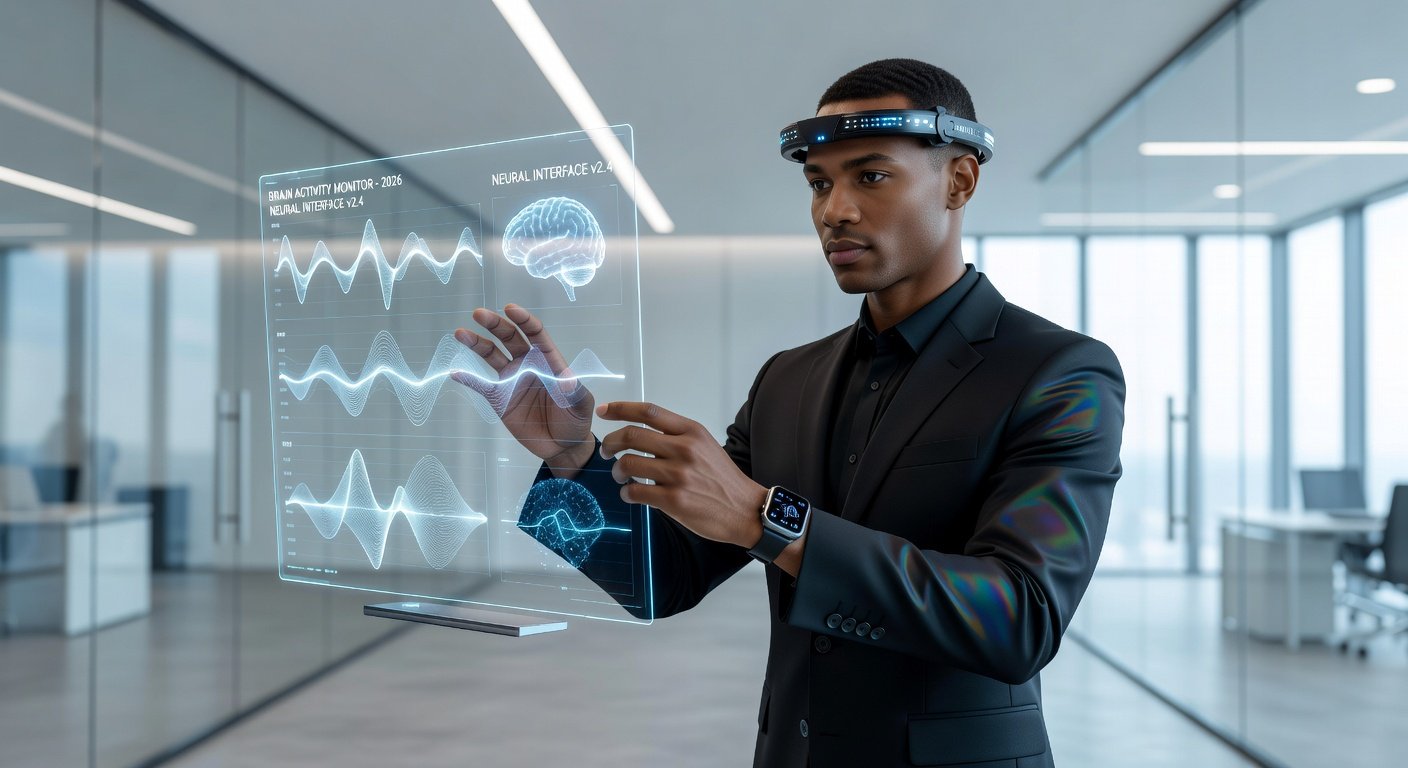
In 2026, wearable technology has evolved far beyond step counting to provide deep insights into brain function. Devices now monitor key metrics like EEG brainwaves and HRV to help users optimize mental clarity, reduce stress, and enhance focus. This article explores practical applications for cognitive performance, including real-time data hacks that align with current search trends around brain optimization. As remote work and high-stakes mental tasks continue to dominate professional landscapes, individuals seek evidence-based methods to sustain peak performance without burnout.
Understanding these tools requires grasping how they capture physiological signals tied to cognition. For instance, EEG sensors detect electrical activity in the brain, while HRV reflects autonomic nervous system balance, often correlating with mental resilience. These metrics allow users to move from reactive habits to proactive strategies that directly boost productivity and emotional regulation.
How EEG and HRV Directly Influence Focus and Mental Clarity
EEG readings reveal distinct brainwave patterns that map to cognitive states. Alpha waves, typically in the 8-12 Hz range, promote a calm yet alert mindset perfect for deep work sessions. Beta waves above 12 Hz indicate active problem-solving but can tip into anxiety if sustained too long. Theta waves below 8 Hz often signal drowsiness or creative flow, depending on context. By tracking shifts in real time, wearables alert users to intervene before focus declines.
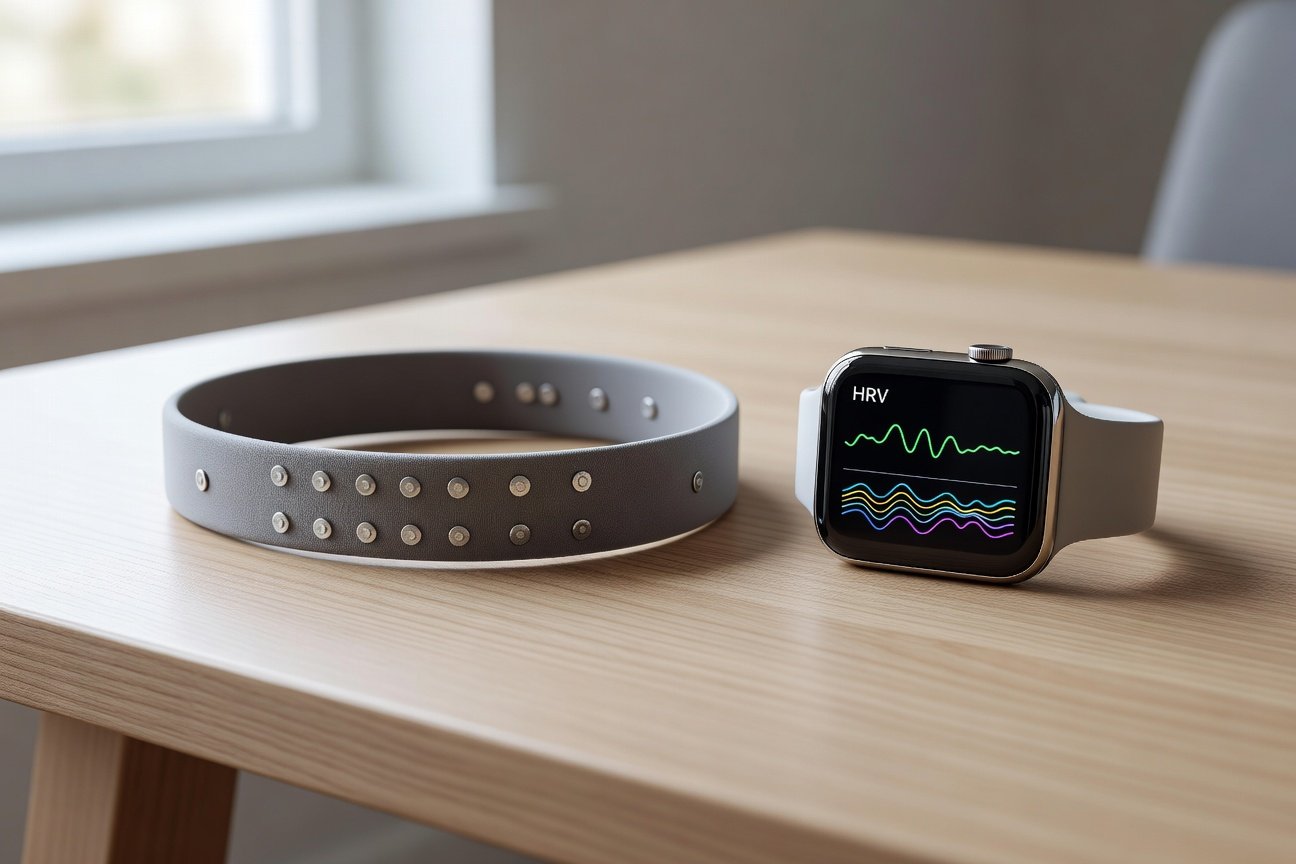
HRV adds another layer by measuring variations in heart rate intervals. Higher HRV values suggest strong adaptability to stress, while drops indicate sympathetic dominance linked to mental fatigue. Combining both data streams creates a comprehensive dashboard for daily decision-making, such as choosing between intense coding tasks or lighter administrative work based on current readings.
Top Wearables for Brain Metrics in 2026
Several advanced devices dominate the market for cognitive tracking. Leading options include headbands with multi-channel EEG, smartwatches integrating HRV analysis, and hybrid earbuds that combine audio with neural monitoring. These tools stand out for their accuracy in translating raw data into actionable focus recommendations. The NeuroBand Pro offers eight dry sensors for detailed frontal lobe mapping, while the PulseSync Watch emphasizes continuous HRV with optical sensors refined for accuracy during movement. Hybrid models like the FocusEar combine bone-conduction audio feedback with single-channel EEG for seamless integration during calls or podcasts.
When comparing devices, consider factors like sensor precision, battery life, app ecosystems, and integration with daily apps. Headband-style wearables excel in EEG detail, whereas wrist-based options prioritize convenience for all-day HRV logging. Battery endurance ranges from 12 hours on premium headbands to multiple days on watches, influencing suitability for overnight recovery tracking.
Interpreting EEG and HRV Readings for Actionable Insights
EEG data typically breaks down into frequency bands: alpha waves indicate relaxed alertness ideal for creative work, while beta waves signal active concentration. Users can spot patterns where elevated theta might suggest fatigue needing intervention, such as a short walk or hydration break. In practice, a sudden spike in high-beta accompanied by low HRV often precedes errors in complex tasks, prompting immediate micro-pauses.
HRV, measured in milliseconds, shows higher values during recovery states. Low HRV often flags high stress impacting cognition. Cross-referencing both metrics provides a fuller picture, such as linking poor HRV with disrupted alpha waves during high-pressure tasks. Users report improved outcomes when they log contextual notes alongside readings, revealing personal triggers like caffeine timing or screen exposure. Authoritative guidance from institutions like the Mayo Clinic supports using these biomarkers for lifestyle adjustments.
Step-by-Step Setup Guides for Real-Time Tracking
Getting started involves a few straightforward steps. First, pair your device via Bluetooth in the companion app and complete an initial calibration session of 5-10 minutes. Next, enable continuous monitoring modes during work blocks. Finally, set custom alerts for when metrics drop below personal baselines, such as alpha wave thresholds. Troubleshooting common issues includes ensuring skin contact for EEG sensors and updating apps to resolve sync delays.
- Charge and update firmware on the wearable before first use.
- Sync with your smartphone and grant necessary permissions for background data collection.
- Perform baseline tests in varied states (rested vs. stressed) over three consecutive days.
- Customize notification thresholds in the app dashboard for focus, stress, or recovery.
- Review daily summaries each evening and adjust routines accordingly.
Advanced users integrate API exports with productivity platforms for automated suggestions based on historical patterns.
Integrating Insights into Daily Routines for Better Focus
Real-user examples demonstrate tangible gains. One software engineer reported sharper afternoon focus after using EEG alerts to schedule micro-breaks when beta waves waned, resulting in 25% fewer coding mistakes over a month. Another leveraged HRV trends to time meditation sessions before client meetings, achieving sustained mental clarity throughout demanding projects and reduced evening anxiety. A graduate student combined both metrics to optimize study blocks, shifting from rigid schedules to data-driven sessions that aligned with peak alpha states.
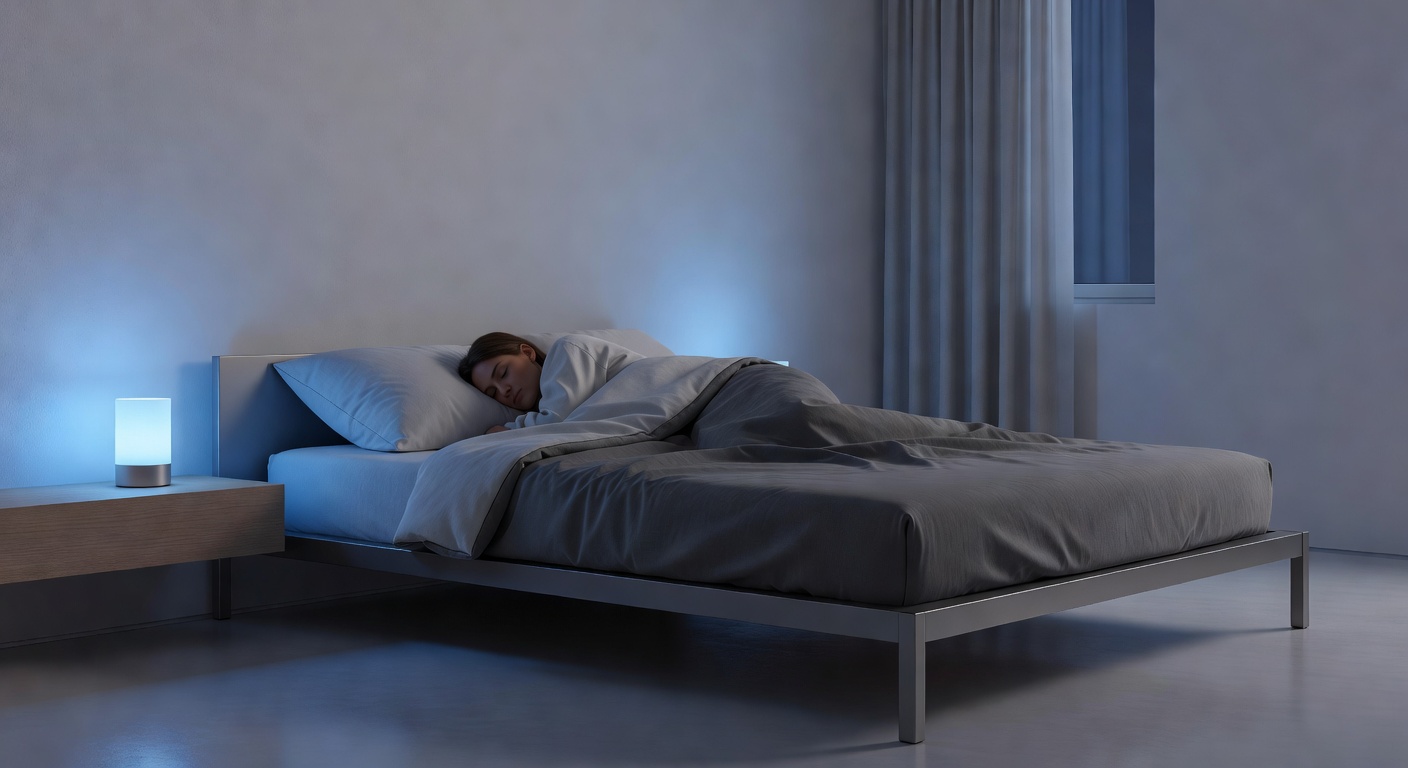
Practical hacks include pairing data with Pomodoro timers adjusted by live readings or using guided breathing when HRV signals imbalance. For remote workers, morning HRV checks help decide between high-cognitive meetings or collaborative brainstorming. Evening reviews support wind-down routines that protect sleep quality, which indirectly boosts next-day performance. Consistency in reviewing trends weekly amplifies results over time, turning sporadic use into lasting habits.
Device Comparisons and Key Decision Factors
- EEG-Focused Headbands: Superior for detailed brainwave mapping but less discreet for public use; best for dedicated home or office sessions.
- HRV-Centric Watches: Excellent battery and seamless integration with fitness apps, though limited on neural depth compared to dedicated headbands.
- Hybrid Earbuds and Watches: Balance both metrics with moderate comfort trade-offs; ideal for active lifestyles involving calls or music.
Additional considerations include data export options, third-party app compatibility, and comfort during extended wear. Testing multiple devices through trial periods helps match technology to individual needs and preferences.
Common Mistakes to Avoid When Using Cognitive Wearables
New users often ignore baseline calibration, leading to misleading alerts. Over-focusing on single metrics without context can cause unnecessary anxiety. Another pitfall involves neglecting device maintenance, such as cleaning sensors, which degrades data quality. Avoiding these ensures reliable insights that genuinely enhance performance rather than create frustration.
Addressing Potential Drawbacks Like Data Privacy
While powerful, these devices raise valid concerns around data security and over-reliance. Users should review privacy policies, opt for encrypted storage, and avoid sharing sensitive metrics without consent. Regulatory frameworks continue evolving, so staying informed through sources such as the Centers for Disease Control and Prevention helps maintain safe practices. In conclusion, balancing tech use with mindful habits ensures sustainable benefits for long-term cognitive health.
Frequently Asked Questions
How accurate are consumer EEG wearables compared to clinical tools?
Consumer models offer reliable trends for personal use but lack the precision of medical-grade equipment for diagnostic purposes; they excel at detecting relative changes rather than absolute diagnoses.
Can HRV data alone predict focus improvements?
HRV serves as a strong proxy when combined with behavioral logs, though EEG provides more direct cognitive signals; combining both yields the most robust predictions.
What routines pair best with these trackers?
Structured work intervals, recovery naps, and targeted breathing exercises show strong synergy based on user reports across various professions.
How long does it take to see measurable cognitive gains?
Most users notice improvements in focus consistency within two to four weeks of consistent tracking and routine adjustments.
Are there age or health restrictions for using these devices?
Generally safe for healthy adults, but individuals with neurological conditions should consult healthcare providers before relying on the data for major decisions.
No comments yet. Be the first!