 Slow Bio Hack
Introduction: Why Sleep Optimization Matters in 2026
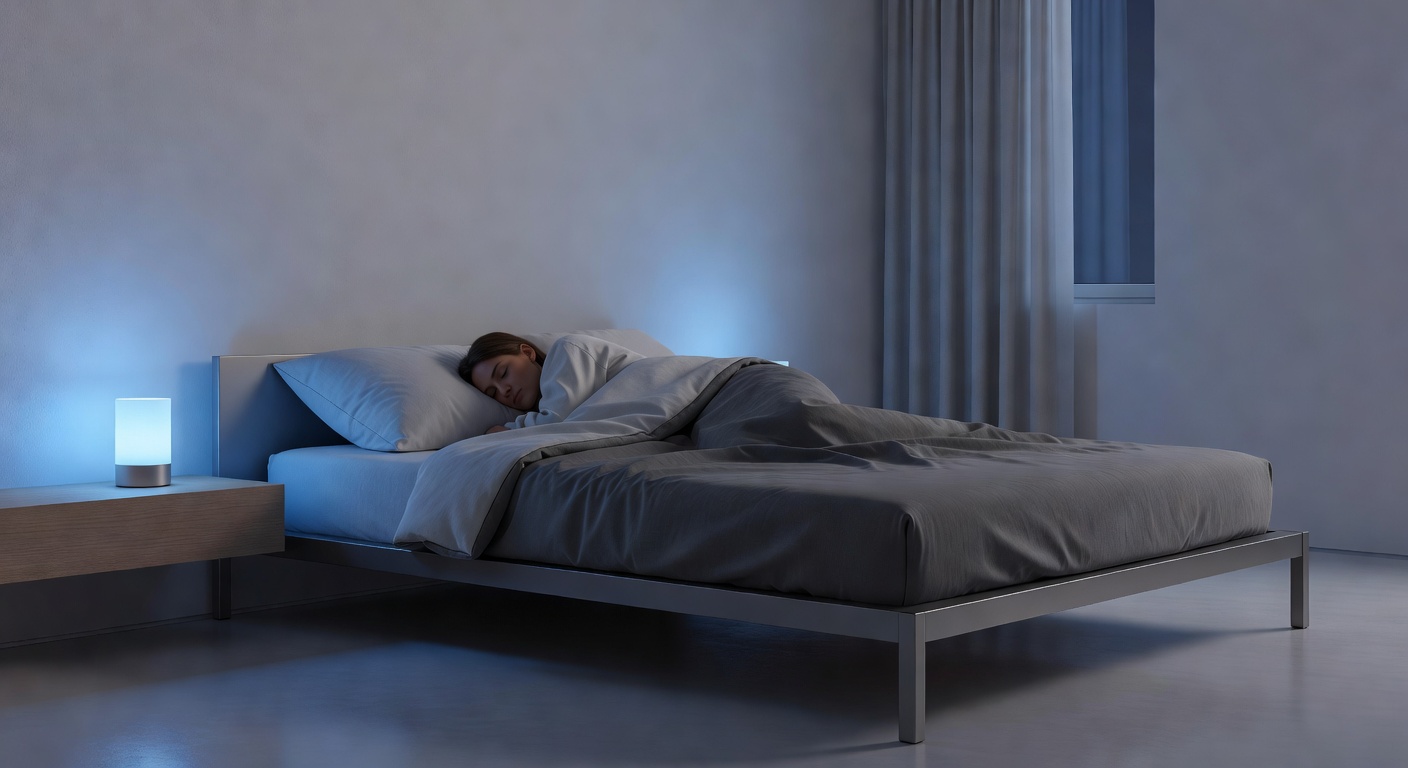
In today's fast-paced world, sleep is no longer just rest—it's a strategic tool for enhancing focus and safeguarding mental health. Emerging 2026 research underscores how optimizing sleep stages directly influences cognitive performance, emotional resilience, and brain function. This article explores the science, identifies disruptors, and provides actionable guides to transform your nights for better days. With increasing demands on attention from work and digital life, many professionals struggle with fragmented rest that undermines productivity and mood stability.
Quality sleep supports memory consolidation, emotional regulation, and neuroplasticity. Poor sleep, conversely, heightens risks of anxiety, reduced attention span, and long-term cognitive decline. By targeting specific sleep phases, individuals can achieve measurable improvements in productivity and well-being. Real-world applications show that even small adjustments lead to sustained gains in mental clarity over months.
2026 Research: Linking Sleep Stages to Brain Function and Focus
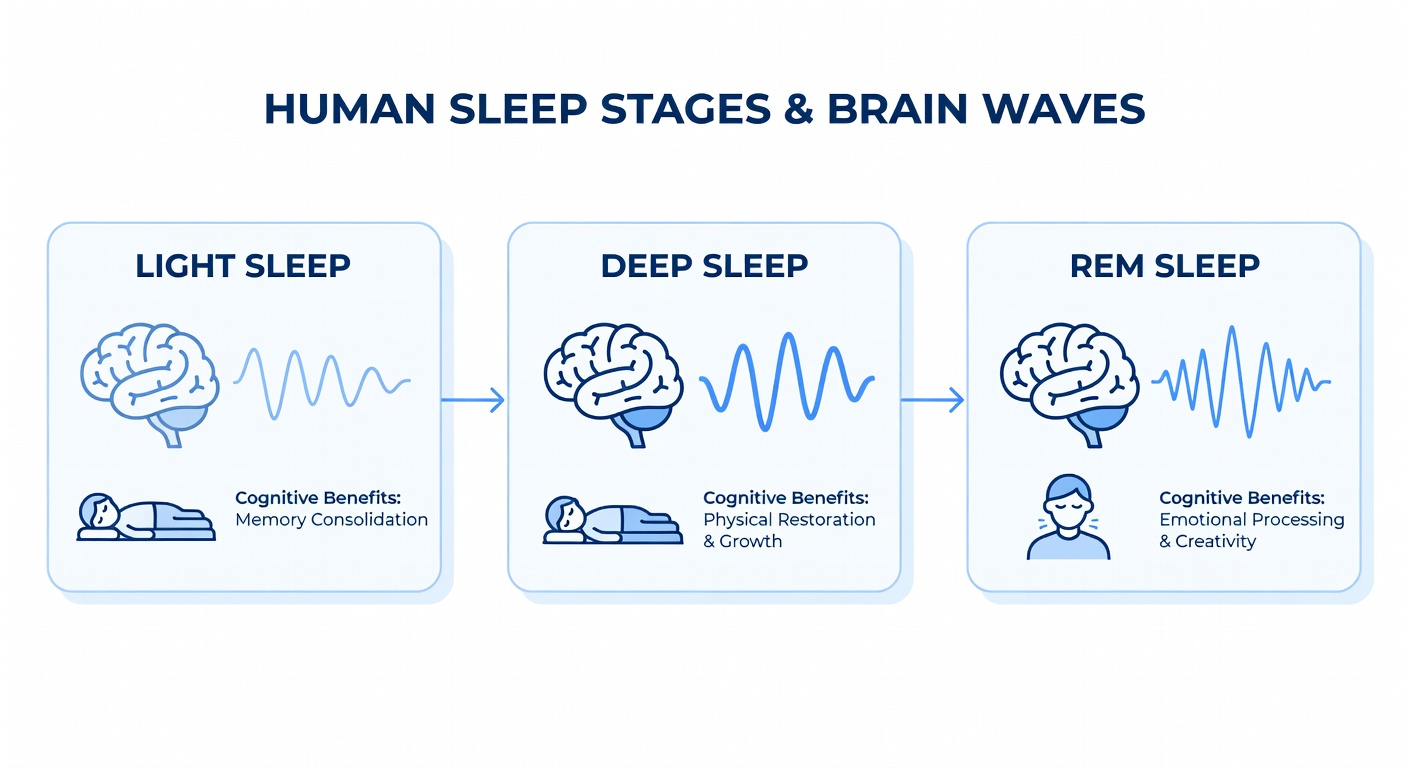
Recent studies highlight the interplay between sleep cycles and brain health. Deep sleep (slow-wave sleep) facilitates physical restoration and toxin clearance via the glymphatic system, while REM sleep drives creativity, emotional processing, and learning. 2026 findings from leading institutions show that consistent deep sleep correlates with sharper focus during waking hours and better stress resilience. Researchers have mapped how stage imbalances affect prefrontal cortex activity, which governs decision-making and sustained attention.
For instance, disruptions in REM can impair problem-solving abilities and heighten emotional reactivity. Prioritizing 7-9 hours nightly, with balanced stage distribution, emerges as key for mental optimization. Evidence also points to how chronic short sleep alters hormone levels tied to mood regulation. National Institutes of Health resources emphasize tracking these patterns for personalized insights. Additional data reveals that optimizing the first half of the night for deep sleep and the latter for REM creates synergistic effects on overall cognitive output.
Practical implications include using light exposure strategies in the morning to anchor circadian rhythms, which in turn stabilize these stages. Longitudinal observations in 2026 cohorts demonstrate that participants who aligned their schedules saw up to 30 percent gains in daily focus metrics within six weeks.
Identifying Personal Sleep Disruptors
Common disruptors include blue light exposure, irregular schedules, stress, and environmental factors like noise or temperature. Start by journaling your habits for one week: note bedtime, caffeine intake, screen time, and morning alertness levels. Tools like sleep diaries reveal patterns, such as late-night meals delaying onset or weekend oversleeping that shifts your internal clock. Stress from work deadlines often elevates nighttime cortisol, preventing entry into restorative phases.
Real-world example: A software engineer discovered that evening emails spiked cortisol, fragmenting REM. Adjusting boundaries led to 25 percent better focus scores within two weeks. Another case involved a teacher whose inconsistent wake times caused chronic grogginess; fixing this single variable improved afternoon mental stamina dramatically. Assess your environment—aim for 60-67°F room temperature and blackout curtains. Consider hidden factors like mattress age or partner movement that fragment cycles without obvious awareness. Tracking apps can quantify these issues over time, helping isolate the top two or three disruptors for targeted fixes.
Science-Backed Evening Routines
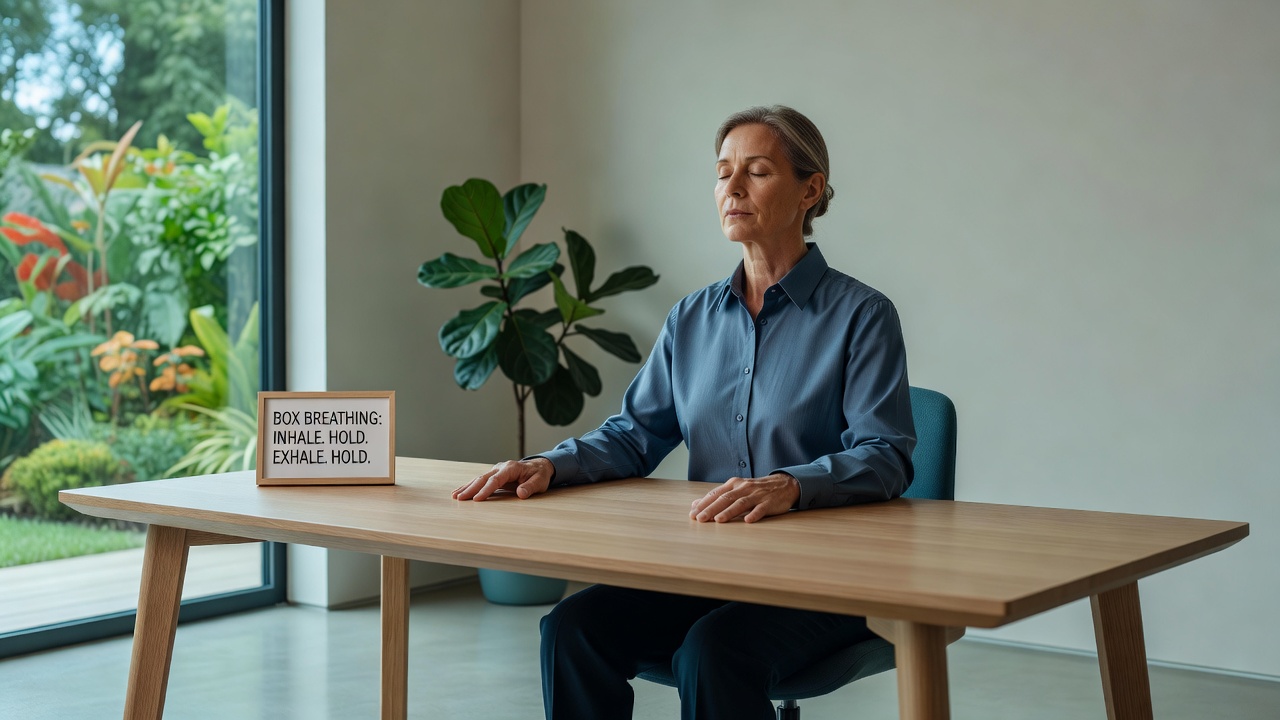
Build a wind-down protocol 60-90 minutes before bed. Begin with dimming lights to boost melatonin. Follow with progressive muscle relaxation or 10-minute meditation. Avoid intense workouts or heavy discussions post-8 PM. Layer in sensory cues such as lavender scents or white noise machines to signal the brain that rest is imminent.
Step-by-step guide: 1) Set device curfew at 9 PM to reduce stimulation. 2) Read fiction for 20 minutes to lower cognitive load. 3) Practice 4-7-8 breathing for four cycles. 4) Journal three gratitudes to clear mental clutter. 5) Perform a quick body scan meditation. Consistency yields compounding benefits for mental clarity. In one example, a financial analyst added a 15-minute yoga flow and reported falling asleep 40 minutes faster on average. Another professional layered in herbal tea rituals, which became a reliable anchor against racing thoughts. Experiment with timing: some find 75 minutes ideal, while others extend to two hours for deeper transitions into sleep.
Nutrition Timing for Better Rest
Align meals with circadian rhythms. Finish dinner 3 hours before bed to allow digestion. Focus on magnesium-rich foods like almonds or leafy greens in the evening, while limiting caffeine after 2 PM. Tryptophan sources such as turkey or bananas support serotonin-to-melatonin conversion. Avoid heavy spices or alcohol that can cause rebound awakenings.
Example routine: A 6 PM balanced meal with protein, veggies, and complex carbs, followed by herbal tea. This timing stabilizes blood sugar, preventing nighttime awakenings that erode focus. Consider a small snack like Greek yogurt if hunger arises close to bedtime, but keep portions minimal. Hydration matters too—front-load water intake earlier to minimize bathroom trips. Those who timed nutrition this way often notice steadier energy the next day and fewer mid-afternoon dips in concentration.
Comparing Popular Sleep Tracking Tools and Techniques
Wearables offer data-driven insights. Options range from basic apps to advanced rings and watches. Compare based on accuracy for stages, user-friendliness, and integration with other health metrics.
- Basic phone apps: Free entry but less precise on deep/REM distinctions; useful for beginners logging patterns.
- Smart rings: Comfortable for all-night wear, strong on recovery metrics and heart rate variability; popular for long-term trend analysis.
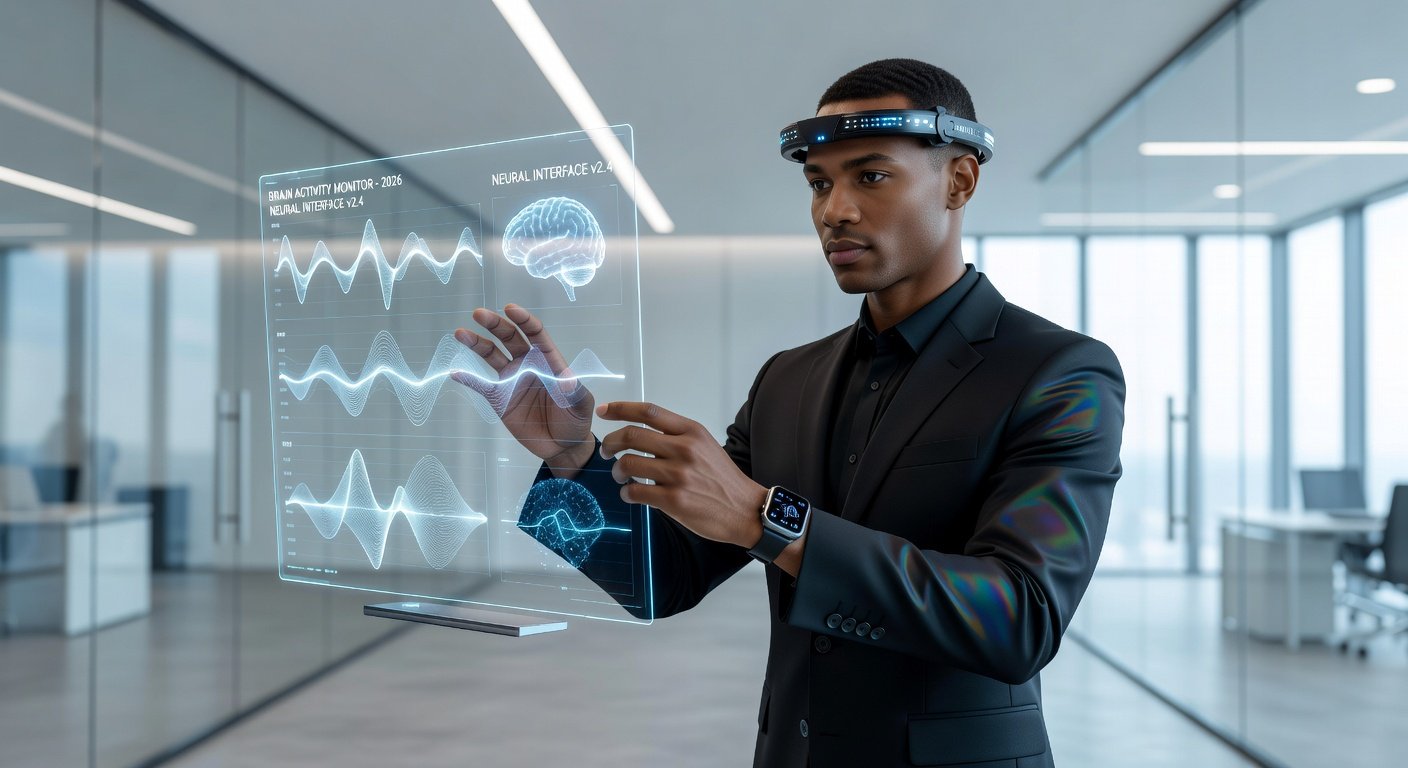
- Headbands with EEG: Highest accuracy for brainwave analysis, ideal for biohackers seeking stage-specific data; may feel bulky initially.
- Watch-based trackers: Balance convenience with decent stage estimates; integrate well with calendars for routine adjustments.
Choose based on goals—start simple and upgrade as needed. Combine with techniques like consistent wake times for superior results. Cross-reference data with subjective feelings of alertness to validate readings. World Health Organization guidelines support holistic approaches over tech alone, recommending that devices serve as supplements rather than sole determinants.
Practical Implementation: Real-World Examples and FAQs
Case study: A marketing professional implemented the above by shifting dinner to 6 PM, adding magnesium sources, and using a basic ring tracker. After 30 days, focus improved markedly, with reduced afternoon slumps and better emotional regulation during high-pressure meetings. Another participant, a graduate student, combined evening routines with morning light walks and saw sustained attention during study sessions double.
FAQ: Overcoming Common Barriers
Q: How do I handle shift work? A: Anchor sleep with consistent light exposure upon waking and use blackout aids during rest periods. Gradually adjust meal times to match your new schedule.
Q: What if anxiety keeps me awake? A: Incorporate cognitive behavioral techniques for insomnia (CBT-I) and limit worry time to daytime. Journaling earlier in the evening often prevents rumination at night.
Q: Are supplements necessary? A: Focus first on habits; consult professionals for options like melatonin if needed. Many achieve results through routine alone.
Q: How long until I see results? A: Most notice changes in energy within one to two weeks, with deeper cognitive benefits emerging after four to six weeks of consistency.
Q: What about travel or jet lag? A: Prioritize light timing upon arrival and maintain core routines like meal cutoffs to speed adaptation.
Conclusion
Sleep optimization in 2026 is a powerful lever for focus and mental health. By addressing disruptors, routines, nutrition, and tracking, you build sustainable brain performance. Start small, track progress, and refine for lasting gains. Sleep Foundation provides additional evidence-based resources to guide your journey toward peak optimization.
No comments yet. Be the first!