 Slow Bio Hack
Introduction to Whole-Food Nutrition for Cognitive Performance
In 2026, sustainable nutrition remains a cornerstone for enhancing mental clarity, focus, and overall brain health without relying on supplements. This comprehensive guide examines whole-food dietary patterns that support cognitive performance through nutrient density and consistent daily habits. Evidence from organizations like the World Health Organization shows how balanced diets rich in vitamins, minerals, healthy fats, and antioxidants contribute to long-term neurological well-being and reduced risk of cognitive decline.
Whole foods such as vegetables, fruits, whole grains, nuts, seeds, and lean proteins provide essential building blocks for neurotransmitter production, reduced inflammation, and stable energy levels. Unlike processed foods that cause blood sugar spikes and crashes, these options deliver sustained fuel for the brain. Individuals seeking long-term mental optimization can achieve sharper concentration, better mood regulation, and improved memory by prioritizing these foods consistently. This article covers nutrient-dense meal frameworks, strategic meal timing, comparisons of popular dietary patterns, a practical 7-day menu, shopping guidance, progress tracking methods, and answers to common questions about food and focus.
Nutrient-Dense Meal Frameworks
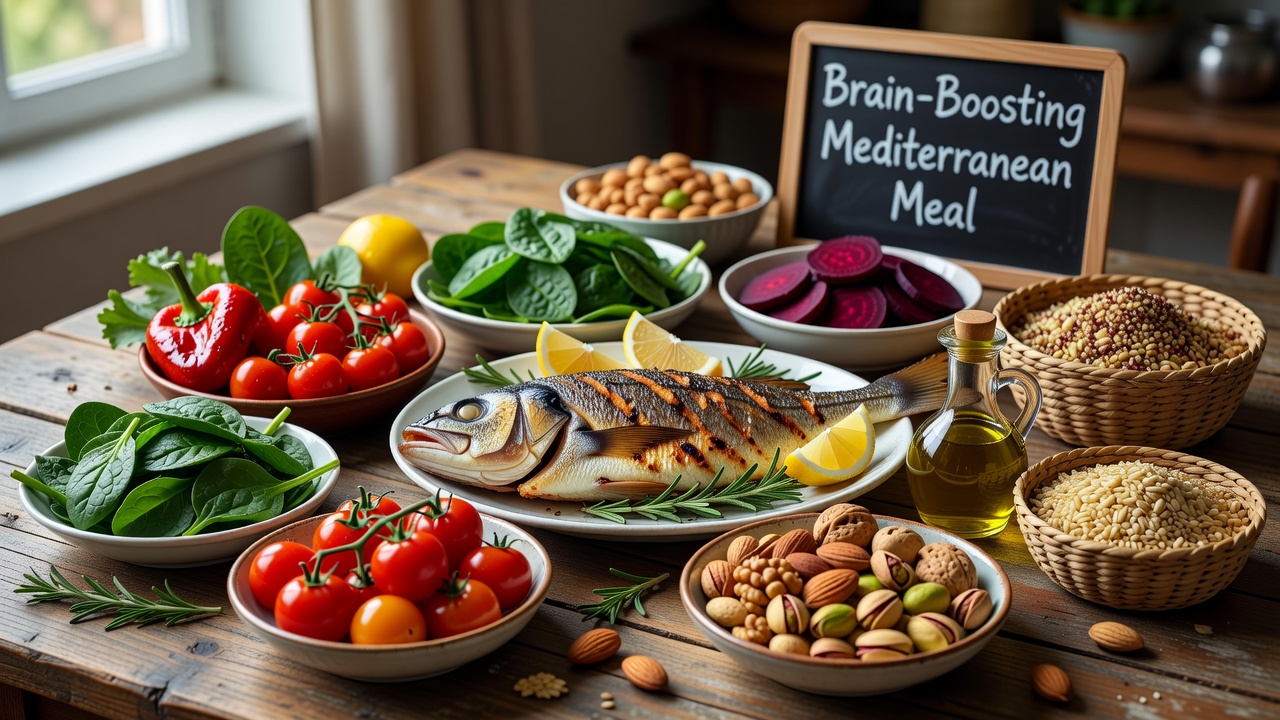
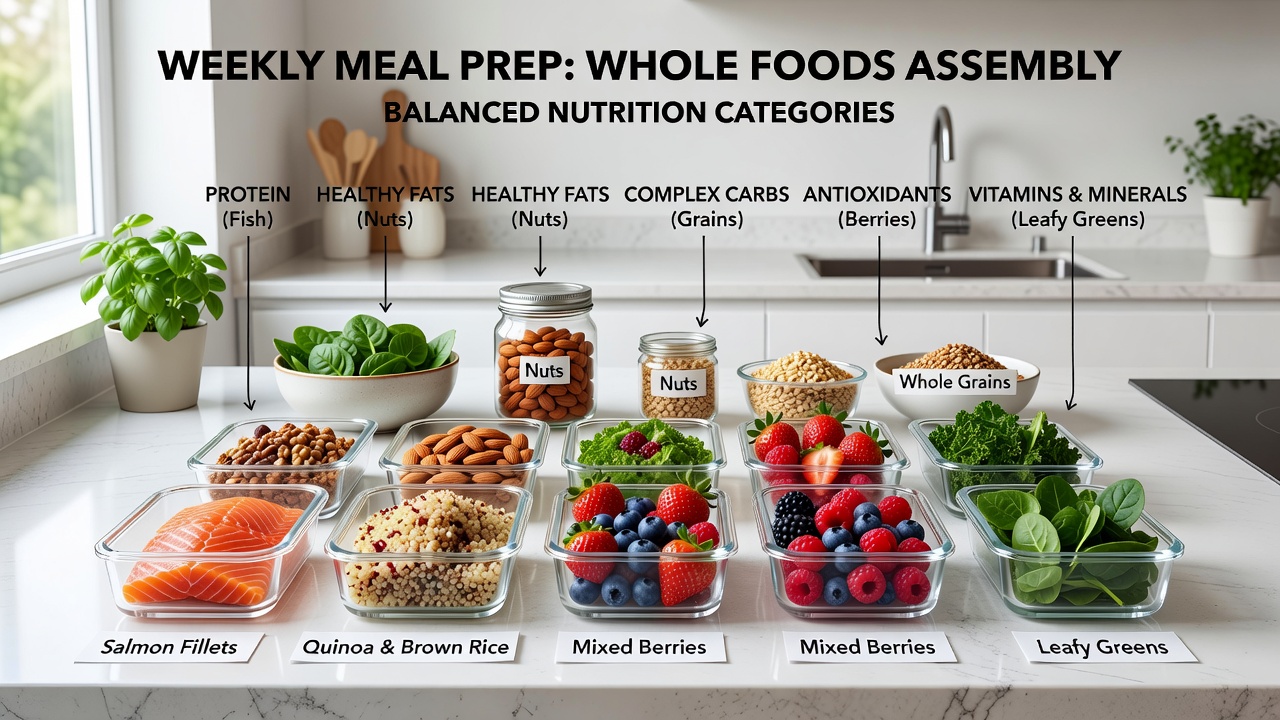
Effective meal planning centers on key nutrients including omega-3 fatty acids for brain cell membranes, antioxidants to combat oxidative stress, B vitamins for energy metabolism, and polyphenols for neuroprotection. Start each plate with abundant leafy greens and colorful vegetables supplying folate, vitamin K, and carotenoids. Pair these with fatty fish or plant-based omega-3 sources like flaxseeds for DHA and EPA support. Nuts such as almonds and walnuts deliver vitamin E, while berries provide flavonoids linked to enhanced memory retention.
A reliable framework divides the plate into halves and quarters: fill half with non-starchy vegetables for fiber and micronutrients, one-quarter with quality protein such as eggs, legumes, or poultry, and the remaining quarter with complex carbohydrates like quinoa or sweet potatoes. This balance promotes steady glucose release and prevents the mental fog associated with rapid energy fluctuations. For example, a breakfast of spinach omelets with whole-grain toast and avocado exemplifies this approach while delivering choline for acetylcholine production, a neurotransmitter critical for focus.
Timing Strategies for Sustained Energy
Aligning food intake with natural circadian rhythms amplifies cognitive benefits. Consume a balanced breakfast containing protein, healthy fat, and fiber within one hour of waking to stabilize blood sugar and cortisol levels. Midday lunches should emphasize protein and vegetables to maintain afternoon alertness, while dinners remain lighter to avoid digestive demands that interfere with evening wind-down and sleep quality. Spacing meals every four to five hours supports consistent metabolic function and prevents the irritability or concentration lapses that accompany prolonged fasting or grazing.
Additional tactics include front-loading calories earlier in the day when cognitive demands are highest and finishing the last meal at least three hours before bedtime. This timing preserves melatonin production and supports overnight brain detoxification processes. Real-world application might involve a morning smoothie with greens, berries, and seeds followed by a substantial lunch of grilled fish and vegetables, allowing the body to maintain steady mental performance through late afternoon without the need for energy crashes or caffeine reliance.
Mediterranean vs. Plant-Forward Approaches
The Mediterranean diet, rich in olive oil, fish, nuts, and moderate dairy, demonstrates robust evidence for protecting against cognitive decline through its emphasis on anti-inflammatory monounsaturated fats and polyphenols. Plant-forward patterns, including flexitarian or Mediterranean-inspired vegan approaches, achieve similar benefits by centering legumes, whole grains, and produce while minimizing animal products. Both styles lower systemic inflammation, yet Mediterranean eating may provide marginal advantages in direct omega-3 delivery for individuals who tolerate seafood. Selection ultimately depends on personal taste, cultural preferences, and long-term adherence. Those transitioning to plant-forward eating can incorporate algae oil or fortified foods to maintain equivalent fatty acid profiles.
7-Day Sample Menu
Here is a practical week-long menu built around the frameworks above:
- Day 1: Oatmeal topped with blueberries, walnuts, and flax; grilled salmon salad with mixed greens and olive oil; lentil soup with quinoa and roasted vegetables.
- Day 2: Avocado toast with poached eggs and tomato; chickpea and vegetable stir-fry over brown rice; baked sweet potato stuffed with black beans and herbs.
- Day 3: Greek yogurt parfait layered with strawberries and almonds; turkey and spinach wrap with whole-grain tortilla; baked cod with asparagus and farro.
- Day 4: Spinach and banana smoothie with chia seeds; bean burrito bowl with salsa and guacamole; herb-roasted chicken thighs with Brussels sprouts.
- Day 5: Whole-grain pancakes with fresh berries; tofu scramble with peppers and mushrooms; whole-wheat pasta with tomato sauce, olives, and basil.
- Day 6: Veggie-packed egg muffins; sardine and arugula salad; stuffed bell peppers with brown rice and pine nuts.
- Day 7: Overnight chia pudding with kiwi; falafel with tahini and cucumber salad; grilled vegetable platter with hummus and quinoa.
Shopping Lists for Success
Organize weekly shopping by category to ensure nutrient coverage and reduce decision fatigue. Produce section: leafy greens, berries, tomatoes, broccoli, avocados. Protein aisle: eggs, fatty fish or plant alternatives, legumes, Greek yogurt. Pantry staples: nuts, seeds, olive oil, whole grains, herbs, and spices. Buying seasonal produce keeps meals varied and cost-effective while maximizing nutrient freshness. Batch-prep staples such as cooked quinoa or roasted vegetables on weekends to streamline weekday assembly of balanced plates.
Progress Tracking Steps
Monitor results systematically to refine habits over time. Begin by logging meals and subjective energy or focus ratings in a simple notebook or app for two weeks. Next, quantify cognitive metrics such as number of focused work sessions completed or hours of sustained attention. Adjust portion sizes or meal timing based on observed patterns in sleep quality, mood stability, and afternoon productivity. Schedule a monthly review with a healthcare provider to discuss bloodwork or personal goals. This iterative process turns nutrition into a measurable optimization tool rather than a vague intention.
Common Mistakes to Avoid
Many people unintentionally undermine results by under-eating healthy fats, which can limit absorption of fat-soluble vitamins, or by over-relying on single “superfoods” instead of diverse whole-food patterns. Another frequent error involves inconsistent timing, such as skipping meals on busy days, which destabilizes blood sugar. Finally, neglecting hydration often masquerades as mental fatigue; aim for consistent water intake alongside nutrient-dense meals.
FAQ: Common Misconceptions About Food and Focus
Does skipping breakfast improve focus? Research indicates that consistent morning nutrition supports more stable cognition than intermittent fasting for the majority of adults. Are all carbs detrimental to the brain? Complex carbohydrates from whole sources supply steady glucose without inflammatory spikes. Can dietary changes alone replace exercise or sleep? Nutrition functions best as part of an integrated lifestyle that includes regular movement and quality rest. How quickly do cognitive improvements appear? Many individuals notice steadier energy within one to two weeks, with more pronounced memory and focus gains emerging after four to six weeks of consistent adherence.
Conclusion
Implementing these whole-food nutrition strategies builds sustainable improvements in cognitive performance. Begin with small, repeatable changes such as the sample menu and progress tracking steps, then refine based on personal results. Long-term adherence to nutrient-dense eating patterns offers compounding benefits for mental clarity and brain health. Additional evidence-based guidance is available from the Mayo Clinic and National Center for Biotechnology Information.


No comments yet. Be the first!