 Slow Bio Hack

Introduction to Intermittent Fasting for Brain Health
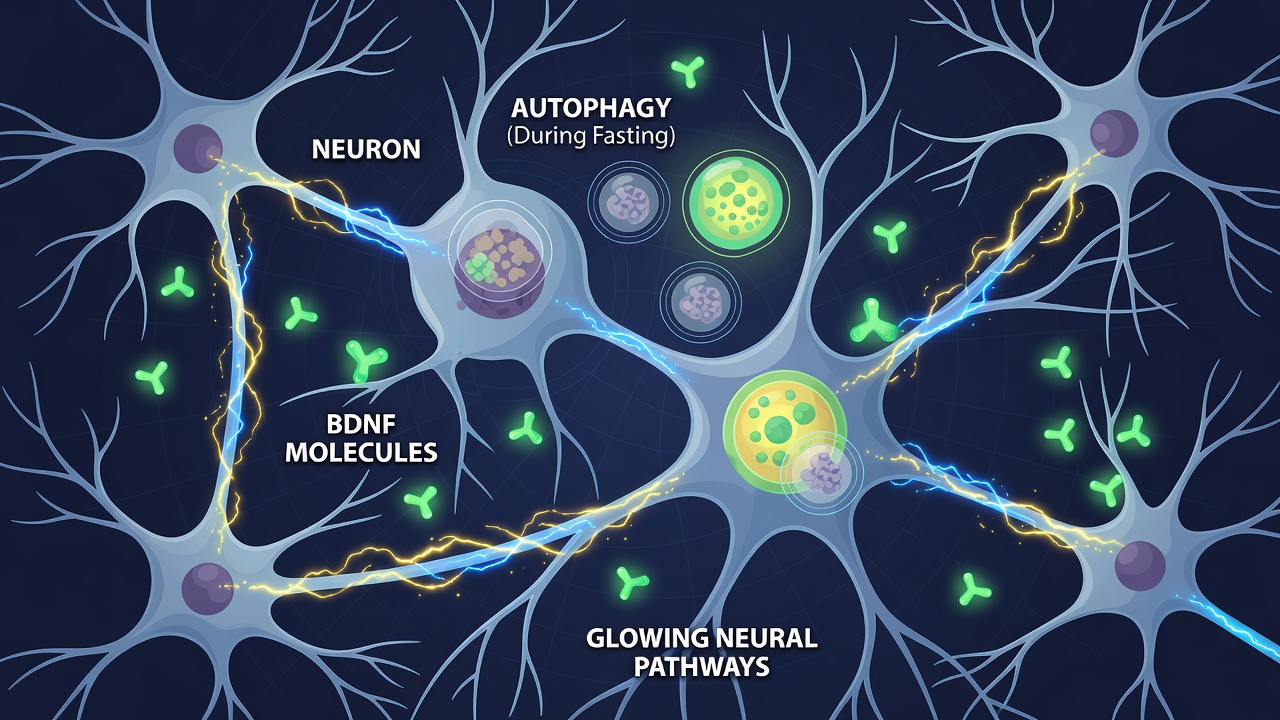
In 2026, many professionals and biohackers are turning to intermittent fasting as a natural method to enhance cognitive performance without relying on supplements. This approach leverages the body's natural repair processes to improve focus, memory, and mental resilience. Research shows that strategic fasting windows can elevate brain-derived neurotrophic factor (BDNF) levels and promote autophagy, clearing damaged cells from the brain. Unlike traditional diets, intermittent fasting focuses on timing rather than calorie counting, making it accessible for those seeking sustainable mental optimization. This article provides a complete how-to guide covering mechanisms, protocols, comparisons, real examples, implementation steps, common mistakes, advanced options, and FAQs to help readers achieve lasting results.
Understanding the Mechanisms: BDNF and Autophagy
Intermittent fasting triggers several biological pathways that directly support cognitive function. BDNF acts like fertilizer for brain cells, promoting neurogenesis and protecting against age-related decline. Autophagy, the cellular cleanup process, removes toxic proteins linked to neurodegenerative conditions. During fasting periods, insulin levels drop while norepinephrine and ketone production rise, creating an environment where the brain operates more efficiently. These changes enhance synaptic plasticity, allowing for better learning and memory retention over time.
Studies from authoritative sources confirm these effects. For instance, National Center for Biotechnology Information highlights how fasting periods increase BDNF expression in the hippocampus. Similarly, Mayo Clinic resources note autophagy's role in metabolic health, which extends to brain function. Additional insights from National Institutes of Health underscore how these processes may reduce inflammation in neural tissues. The result is often described as mental clarity that builds gradually, with many users noticing improved problem-solving abilities after consistent practice.
Beginner-Friendly Fasting Windows for Cognitive Gains
Starting with manageable protocols prevents burnout and allows the body to adapt. The 16/8 method—fasting for 16 hours and eating within an 8-hour window—is ideal for beginners aiming at cognitive benefits. Other options include the 14/10 for those easing in and the 18/6 for more experienced individuals. Each window influences hormone regulation differently, with longer fasts generally amplifying ketone use for steady brain fuel.
- 16/8 Protocol: Skip breakfast, eat between noon and 8 p.m. This aligns with natural circadian rhythms for sustained afternoon focus and evening wind-down.
- 14/10 Protocol: A gentler entry point, fasting 14 hours for those new to the practice who want minimal disruption to social meals.
- 18/6 Protocol: Advanced option for experienced users seeking stronger BDNF spikes and deeper autophagy during extended fasts.
- 20/4 Protocol: Reserved for advanced practitioners, used sparingly to avoid potential nutrient gaps while maximizing mental sharpness.
Consistency matters more than perfection. Track energy levels during the first two weeks to adjust windows accordingly and ensure the chosen schedule supports daily responsibilities.
Comparing Intermittent Fasting to Caloric Restriction
While both approaches influence metabolism, intermittent fasting emphasizes timing over strict calorie reduction. Caloric restriction requires ongoing monitoring, which can lead to nutrient shortfalls affecting mood and cognition. Fasting protocols often yield similar or superior BDNF increases without daily restriction stress, allowing the body to enter ketosis more predictably. Evidence suggests fasting delivers targeted brain benefits through hormone regulation that caloric restriction alone may not match as efficiently. Choose based on lifestyle—fasting suits busy schedules better for many professionals who prefer flexible eating periods rather than constant portion control.
Real-World Examples of Enhanced Focus
Tech executives report completing complex coding tasks with fewer distractions after adopting 16/8 fasting. Writers note improved creative flow during morning fasted states, often describing ideas as flowing more freely without the post-meal energy dip. A software developer shared how switching to an 18/6 window reduced brain fog by week three, attributing gains to autophagy-driven clarity. Another example comes from a university student who used 14/10 fasting during exam periods and observed better retention of study material alongside reduced anxiety. These anecdotes align with broader trends in mental optimization communities, where fasting integrates into routines for peak performance during high-stakes work.
Step-by-Step Implementation Guide
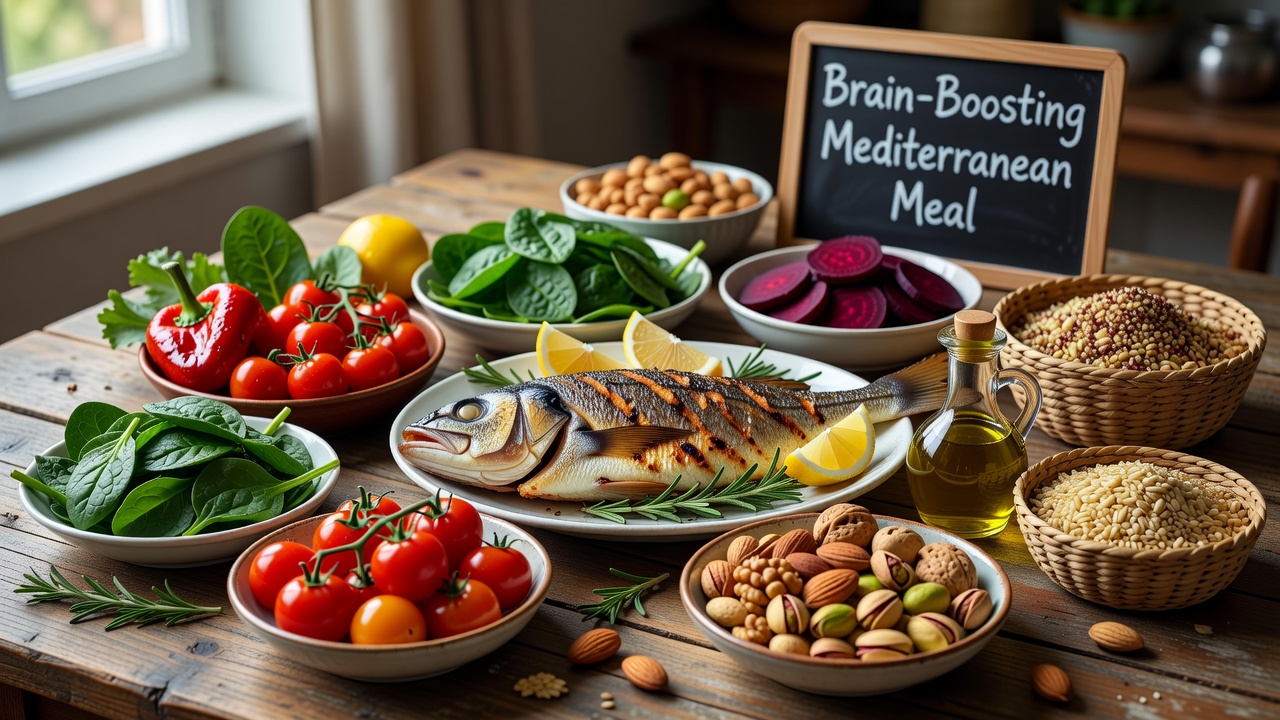
Follow these steps to integrate intermittent fasting successfully into a cognitive enhancement routine. Begin by selecting a window that fits your existing schedule and commit to it for at least 14 days before evaluating results. Hydrate aggressively during fasting hours using water, black coffee, or herbal tea to maintain energy and curb initial hunger pangs. Break fasts with nutrient-dense meals rich in healthy fats, lean proteins, and vegetables to replenish the body without overwhelming digestion. Incorporate light movement such as walking or stretching to further stimulate BDNF production. Monitor sleep quality closely, as inadequate rest can counteract cognitive benefits. Use a simple journal to rate daily focus on a scale of one to ten, noting any patterns related to fasting length or meal composition. If side effects persist beyond two weeks, shorten the window temporarily and reassess.
Common Mistakes to Avoid
Many beginners make errors that limit results or cause unnecessary discomfort. Overeating during feeding windows can negate metabolic benefits, so focus on balanced portions rather than compensatory feasts. Ignoring hydration leads to headaches and fatigue that mimic fasting side effects. Skipping electrolytes during longer windows may cause dizziness, so consider adding a pinch of salt to water if needed. Comparing progress to others often leads to frustration—individual responses vary based on age, activity level, and starting metabolic health. Finally, neglecting to consult a healthcare provider before starting can overlook personal contraindications.
Advanced Protocols and Integration Tips
Once comfortable with basics, users can explore stacking fasting with other biohacks such as morning sunlight exposure or cold showers to amplify focus gains. Time-restricted eating combined with high-intensity interval training has been reported to accelerate autophagy further. Track ketone levels with affordable devices if pursuing deeper ketosis for mental clarity. Always cycle protocols periodically to prevent adaptation and maintain sensitivity to the benefits.
FAQ: Side Effects and Safety Tips
What are common side effects?
Initial hunger, irritability, or headaches often subside within 7-10 days. Stay hydrated and ease into longer windows to minimize discomfort while the body adapts.
Is it safe for everyone?
Most healthy adults tolerate it well, but pregnant individuals, those with eating disorders, or certain medical conditions should avoid it. Always seek professional advice first.
How long until cognitive improvements appear?
Many notice better focus within 2-4 weeks, with deeper benefits from sustained autophagy emerging after 1-2 months of regular practice.
Can fasting interfere with medications or workouts?
Yes, timing matters. Take medications with food if required and schedule intense exercise near the end of fasting windows or during eating periods for optimal safety and performance.
Conclusion
Intermittent fasting offers a powerful, evidence-backed strategy for 2026 cognitive performance through natural elevation of BDNF and autophagy. By starting with beginner protocols, comparing options thoughtfully, avoiding common pitfalls, and following structured steps, individuals can achieve lasting mental clarity. Prioritize safety and consistency for optimal outcomes in brain optimization and overall well-being.

No comments yet. Be the first!