 Slow Bio Hack

Introduction: Why Laughter Therapy Matters for Brain Optimization in 2026
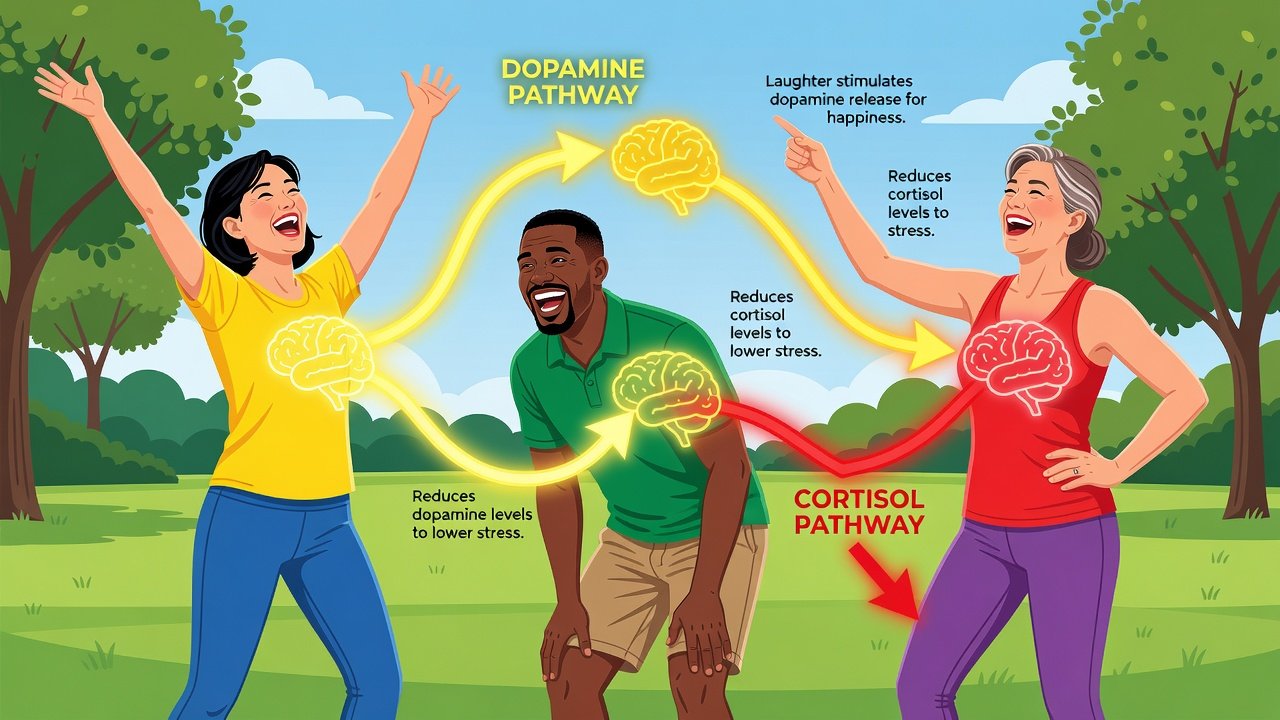
In 2026, professionals and biohackers are increasingly turning to laughter therapy as a natural, accessible method for improving mental clarity and emotional resilience. Unlike expensive supplements or complex apps, laughter directly influences brain chemistry by triggering dopamine release and lowering cortisol levels, leading to better cognitive performance and sustained focus throughout demanding workdays. This underutilized tool fits perfectly into modern optimization strategies because it requires no equipment, works in any environment, and delivers both immediate mood lifts and cumulative brain benefits over weeks of consistent practice.
The search for sustainable mental health solutions has grown as burnout rates remain high. Laughter therapy offers a science-backed alternative that complements existing routines without adding complexity. This comprehensive guide examines the underlying mechanisms, delivers detailed step-by-step exercises, compares it with mindfulness and nootropics, presents multiple real-world case studies, and shows how to integrate laughter into broader focus protocols for lasting results.
The Science of Laughter: Dopamine, Cortisol, and Cognitive Gains
Research consistently demonstrates that genuine or even simulated laughter activates the brain's reward centers. It stimulates the release of dopamine, the neurotransmitter tied to motivation and pleasure, while simultaneously reducing cortisol, the primary stress hormone. These dual effects can enhance memory consolidation, extend attention span, and sharpen problem-solving abilities when practiced regularly. Additional physiological responses include increased oxygen intake, improved circulation to the prefrontal cortex, and lowered inflammation markers that support long-term brain health.
Studies from institutions like the National Institutes of Health confirm measurable changes in brain activity after short laughter sessions. Further evidence from the Mayo Clinic links regular laughter to better cardiovascular function and reduced anxiety symptoms. In 2026, wearable devices now track real-time cortisol fluctuations, allowing users to observe direct drops following a laughter routine, making the benefits quantifiable rather than anecdotal.
Step-by-Step Daily Laughter Exercises
Creating an effective laughter practice requires no special training. Begin with these progressive routines and scale them based on your schedule and comfort level:
- Morning Laughter Warm-Up (5-7 minutes): Start with three deep diaphragmatic breaths. Force a hearty laugh for 30 seconds, rest, and repeat four times while visualizing successful outcomes for key tasks ahead. Progress to adding gentle arm movements that mimic celebratory gestures.
- Laughter Yoga Integration (10-12 minutes): Combine playful movements such as clapping or light stretching with voluntary laughter in 60-90 second intervals. Alternate between high-pitched giggles and deep belly laughs to engage different muscle groups and breathing patterns.
- Midday Reset Laugh (4 minutes): During work breaks, recall a recent humorous event or watch a short funny clip, then amplify the response with intentional laughter for two full minutes.
- Evening Reflection Laugh (3-5 minutes): Before bed, list three lighthearted moments from the day and extend each into sustained laughter to promote relaxation and better sleep onset.
Consistency matters more than intensity. Most users achieve optimal results with 15-20 minutes spread across the day rather than one long session.
Comparing Laughter Therapy to Mindfulness and Nootropics
Mindfulness meditation builds present-moment awareness but frequently requires four to six weeks before users report noticeable improvements in focus. Nootropics can deliver faster cognitive enhancement yet often involve variable side-effect profiles and recurring costs. Laughter therapy bridges these approaches by providing immediate mood elevation comparable to select nootropics while cultivating long-term emotional resilience similar to mindfulness, all without financial investment or potential contraindications. It also pairs well with both modalities, serving as a quick reset between meditation sessions or as a natural alternative on days when supplement tolerance feels low.
Real-World Case Examples from Professionals
A mid-level software engineer at a fast-growing tech company introduced 10-minute team laughter breaks during afternoon meetings and documented a 25 percent drop in self-reported mental fatigue within two weeks, alongside improved code review accuracy. A corporate litigator began practicing laughter yoga for five minutes before major negotiations and noted sharper argument recall plus reduced pre-trial anxiety. In another example, a freelance graphic designer used evening reflection laughs to combat creative blocks and reported completing projects 30 percent faster after three weeks. These cases show how laughter integrates into high-pressure careers without disrupting workflows.
Integrating Laughter with Focus Hacks
Combine laughter sessions with proven focus techniques such as the Pomodoro method or brief cold exposure. For example, finish a 25-minute focused work block, perform a two-minute laughter reset, then return to the next Pomodoro with renewed dopamine levels. Users also pair laughter with breathing protocols or short walks to amplify cognitive benefits. Track outcomes using simple metrics like daily energy ratings, task completion percentages, or wearable stress scores to refine your personal protocol.
Measurable Benefits and Practical Routines
Typical improvements include better sleep quality, reduced afternoon energy crashes, and heightened concentration within 7-14 days of daily practice. A sample weekly schedule might feature three structured laughter yoga sessions, two social video calls with humorous elements, and daily micro-laughs during commutes or household chores. Objective feedback comes from at-home cortisol test kits or stress-tracking wearables that show progressive declines in baseline stress markers.
Mistakes to Avoid When Starting Laughter Therapy
- Skipping consistency in favor of occasional long sessions, which reduces cumulative dopamine benefits.
- Forcing laughter in overly public settings before building private comfort, leading to self-consciousness.
- Expecting instant dramatic focus gains instead of gradual improvements over the first two weeks.
- Neglecting to combine laughter with adequate sleep and nutrition, limiting overall results.
FAQ: Overcoming Common Barriers to Laughter Therapy
- Isn't forced laughter awkward at first? Begin in private spaces; neurological responses mirror genuine laughter after only a few repetitions.
- How does it compare to professional therapy? It serves as a strong complement but never replaces clinical mental health treatment when needed.
- Can groups or workplaces adopt it successfully? Many organizations now run virtual or in-person laughter clubs with high participation and reported team cohesion gains.
- What if I have a busy schedule? Micro-sessions of one to two minutes multiple times daily accumulate the same benefits as longer blocks.
- Are there any physical limitations? Most exercises adapt easily for seated positions or those with mobility considerations.
Embrace laughter therapy as a foundational, low-barrier tool for mental optimization throughout 2026 and beyond. Start small today and build the habit that supports clearer thinking and stronger emotional balance.


No comments yet. Be the first!