 Slow Bio Hack
Introduction to Red Light Therapy for Brain Optimization
Red light therapy, also known as photobiomodulation, is gaining traction as a non-invasive method to enhance cognitive performance. In 2026, biohackers and professionals are turning to targeted light wavelengths to improve focus, memory, and overall mental clarity. This guide explores the science, practical protocols, and real-world applications tailored for cognitive gains. The growing interest stems from its potential to support brain health without pharmaceuticals, making it appealing for those seeking sustainable mental optimization strategies.
Unlike general wellness trends, these protocols emphasize measurable outcomes for mental optimization. Research from institutions like the National Institutes of Health highlights how specific light parameters can influence cellular energy in brain tissue. Users report enhanced productivity during high-stakes work, and the approach aligns well with evidence-based biohacking methods that prioritize measurable results over hype.
The Science of Photobiomodulation
Photobiomodulation works by delivering low-level red and near-infrared light to cells, stimulating mitochondria to produce more ATP. This process reduces oxidative stress and supports neurogenesis in key brain areas like the prefrontal cortex. Studies indicate improvements in executive function and mood regulation when protocols are followed consistently. The light penetrates the skull at specific depths, interacting with cytochrome c oxidase in mitochondria to boost energy metabolism and lower inflammation markers associated with cognitive decline.
Key mechanisms include increased cerebral blood flow and modulation of inflammatory markers. For cognitive performance, this translates to sharper attention spans and reduced mental fatigue during demanding tasks. Additional benefits may involve upregulation of brain-derived neurotrophic factor, which aids in forming new neural connections. Over time, regular exposure can lead to better stress resilience and improved emotional regulation, as the therapy influences both cortical and subcortical regions.
Recommended 2026 Wavelengths and Session Protocols
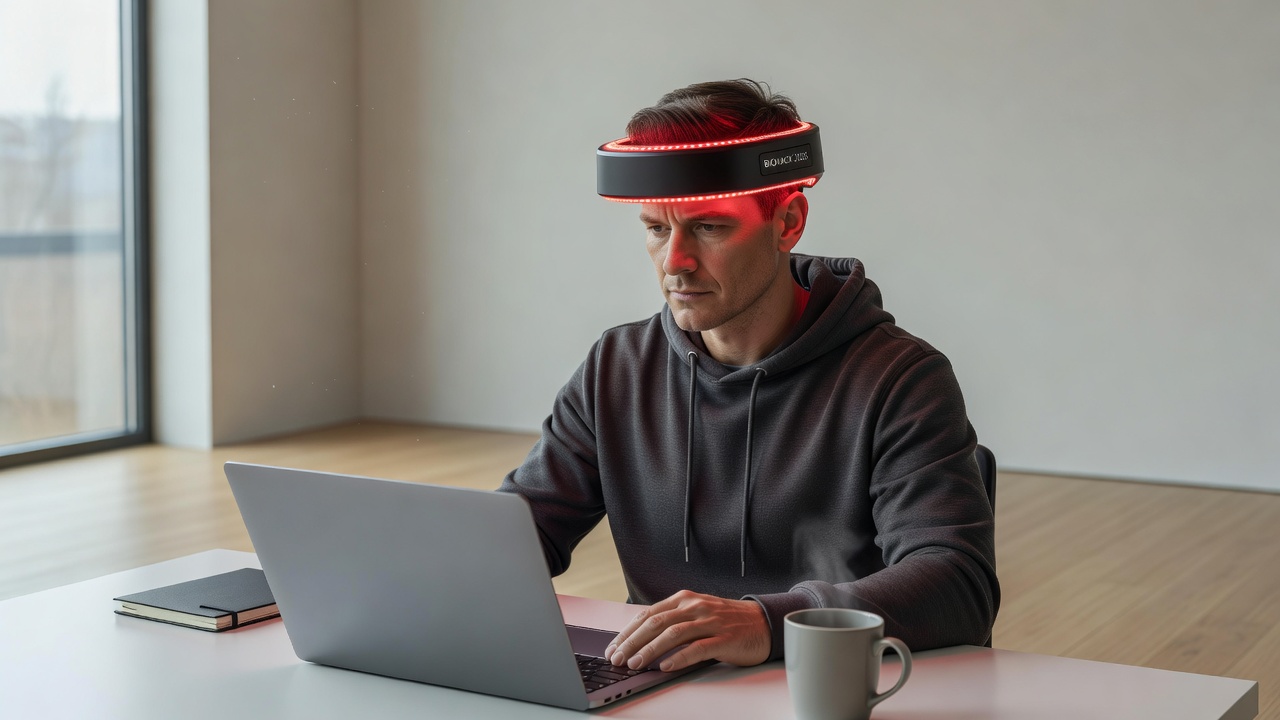
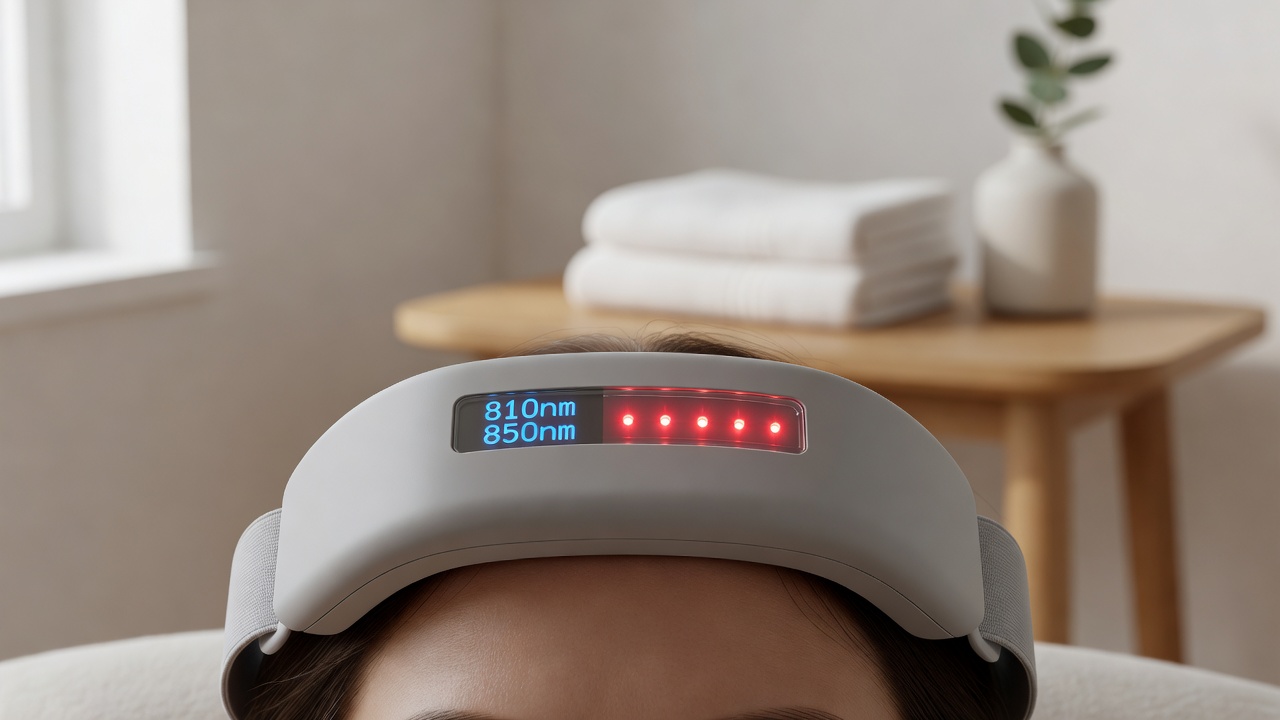
Current best practices for 2026 focus on 810nm and 850nm wavelengths for deeper brain penetration. Sessions typically last 10-20 minutes, applied 3-5 times weekly. Start with 10-minute exposures at 20-30cm distance from the scalp using a helmet-style device. Beginners should begin at the lower end of the duration range to assess tolerance before extending sessions.
Advanced users may progress to combined 660nm and 850nm protocols for synergistic effects on both surface and deeper tissues. Always monitor for any discomfort and adjust based on individual response. Frequency can be increased to daily use during periods of high cognitive demand, such as exam seasons or project deadlines, but rest days are recommended to prevent overstimulation. Track variables like time of day and energy levels in a journal to refine your personal protocol over several weeks.
Selecting the Right Device for Cognitive Use
Choose devices with FDA-cleared status, precise wavelength output, and even coverage across the skull. Look for adjustable intensity settings between 50-100mW/cm². Popular options include portable panels or targeted headbands designed for home use. Consider factors such as battery life for portability, built-in timers for consistency, and safety certifications that verify accurate light output without harmful heat buildup.
Ensure the device covers the entire cranium for optimal results. User reviews often emphasize build quality and timer features to maintain consistency. When evaluating options, prioritize models with clinical backing or transparent testing data rather than unverified marketing claims. Testing the fit on your head shape beforehand can prevent uneven exposure during actual sessions.
Comparing Red Light Therapy to Nootropics and Exercise
While nootropics offer quick chemical boosts, red light therapy provides sustained cellular support without dependency risks. Exercise enhances BDNF naturally, but light therapy can complement it by targeting mitochondrial function directly in the brain. Many users combine approaches for layered benefits, though red light stands out for its passive nature during use.
- Nootropics: Fast onset but potential side effects; red light offers gradual, side-effect-free gains that accumulate over months of regular application.
- Exercise: Builds overall resilience; combine with light sessions post-workout for amplified focus and faster recovery from mental exertion.
- Red light therapy: Non-invasive daily tool ideal for those with limited mobility or busy schedules where traditional workouts are hard to fit in.
Integrating Protocols into Daily Routines
Begin mornings with a 15-minute session before work to prime focus. Evening use at lower intensities can support recovery and mood. Track progress with simple cognitive tests or journaling over 4-6 weeks. Incorporate the therapy into existing habits, such as listening to podcasts during sessions or pairing it with meditation to enhance mindfulness outcomes.
Pair with mindfulness practices for compounded benefits. Consistency matters more than intensity, so schedule sessions like any other habit. For shift workers or students, afternoon sessions may help combat the post-lunch energy dip. Experiment with positioning—seated upright versus reclined—to find the most comfortable setup that encourages adherence.
Real-World User Examples
One software developer reported sustained attention during long coding sessions after 4 weeks of 850nm protocols. A graduate student noted improved recall during exams following combined wavelength use. These anecdotes align with emerging clinical observations on mental performance. Another example involves a remote team manager who integrated 12-minute daily sessions and observed reduced decision fatigue by the end of the workday, allowing clearer communication with colleagues.
Entrepreneurs have shared how the therapy helped maintain creativity during extended brainstorming periods. In one case, a writer used the protocol before deadline crunches and experienced fewer instances of writer's block. Such stories illustrate how the approach adapts across professions requiring high mental output.
Mistakes to Avoid When Starting Red Light Therapy
Common pitfalls include using inconsistent distances from the device, skipping rest days, or expecting overnight results. Always verify wavelength accuracy with manufacturer specs and avoid staring directly into the lights. Starting too aggressively with long sessions can lead to temporary headaches, so gradual ramp-up is essential for sustainable progress.
FAQ: Addressing Safety and Practical Concerns
Is red light therapy safe for daily brain use? Yes, when using approved devices within guidelines. Consult a healthcare provider for pre-existing conditions.
How soon can results appear? Many notice subtle focus improvements within 2 weeks, with peak benefits around 6-8 weeks.
Any contraindications? Avoid direct eye exposure and consult professionals if using photosensitizing medications. More details are available from authoritative sources like NIH and Mayo Clinic.
Can it be combined with other biohacking tools? Yes, many integrate it with meditation apps or light exercise, but introduce one variable at a time to isolate effects.
What maintenance is required? Clean the device regularly and store it properly to preserve light output over time. For deeper scientific context, refer to resources at NCBI.
Conclusion
Red light therapy protocols represent a promising frontier for 2026 cognitive enhancement. By adhering to evidence-based wavelengths, durations, and integration strategies, users can unlock meaningful improvements in focus and mental resilience. Start conservatively, track outcomes, and refine your approach for lasting results.


No comments yet. Be the first!