 Slow Bio Hack
Introduction to Aromatherapy for Cognitive Enhancement
In 2026, aromatherapy continues to gain traction as a non-invasive tool for mental optimization. This ancient practice leverages plant-derived essential oils to influence mood, cognition, and emotional balance. With growing interest in natural brain hacks, evidence-based protocols offer practical ways to enhance focus and mental health without pharmaceuticals. Many professionals and students are turning to these methods to complement existing routines like meditation or nootropics, creating layered approaches to peak performance.
The limbic system, often called the brain's emotional center, plays a key role here. Scents travel directly via the olfactory nerve to areas like the amygdala and hippocampus, modulating neurotransmitter activity such as dopamine and serotonin. Studies from institutions like the National Institutes of Health highlight how specific aromas can reduce cortisol levels while promoting alertness. This direct pathway bypasses the thalamus, allowing rapid effects on emotional regulation and cognitive processing that can be felt within seconds of inhalation.
The Science Behind Scents and Brain Function
Essential oils interact with the limbic system to affect neurotransmitter release. For instance, certain compounds cross the blood-brain barrier, influencing GABA receptors for calm or acetylcholine pathways for focus. Research shows inhalation can alter EEG patterns, increasing beta waves associated with concentration within minutes. Additional mechanisms include reducing neuroinflammation and supporting neurogenesis in the hippocampus, which is critical for memory consolidation and learning new information under pressure.
The HPA axis, responsible for stress response, is also modulated through aromatic compounds that lower cortisol output. In 2026, biohackers integrate these with wearable tech to track real-time cognitive improvements, often combining aromatherapy sessions with heart rate variability monitoring for optimized results. National Institutes of Health research continues to validate these pathways through controlled trials examining scent-induced changes in brain activity.
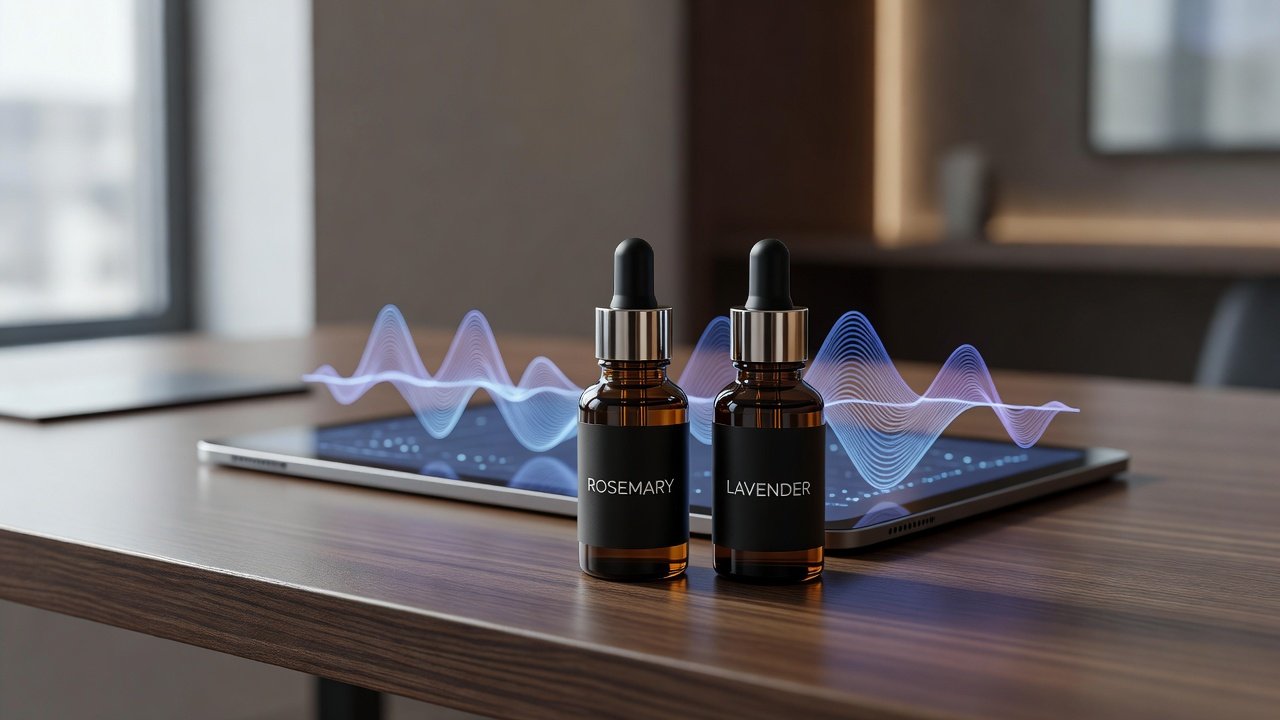
Key Essential Oils: Rosemary and Lavender
Rosemary essential oil, rich in 1,8-cineole, supports memory and alertness by enhancing cerebral blood flow. Lavender, with linalool and linalyl acetate, promotes relaxation without sedation, aiding sustained mental health by balancing the parasympathetic nervous system. Additional oils like peppermint or citrus can be layered for variety, but rosemary and lavender form the foundation for most focus protocols due to their well-documented effects on attention span and mood stability.
Protocols recommend starting with high-quality, therapeutic-grade oils diluted appropriately to avoid irritation while maximizing absorption.
Step-by-Step Inhalation Protocols
1. Morning focus blend: Add 3 drops rosemary to a diffuser. Inhale for 10 minutes while reviewing tasks to prime the brain for deep work.
2. Midday reset: Use 2 drops lavender in a personal inhaler for 5 minutes to combat afternoon fog and restore clarity.
3. Evening wind-down: Combine both oils (1:1 ratio) in a steam inhalation for 8 minutes to transition into restorative rest that supports next-day cognition.
4. Pre-meeting boost: Diffuse rosemary for 7 minutes before high-stakes discussions to sharpen verbal recall and decision-making.
These methods show measurable effects on concentration, with users reporting 20-30% improvements in task completion times based on self-tracked data from productivity apps.
Topical Application Techniques and Comparisons
Topical use involves diluting oils in carrier oils like jojoba at 2% concentration. Apply to wrists, temples, or neck for slower absorption through the skin and into the bloodstream. This method allows for sustained release throughout the workday.
Inhalation provides faster onset (under 60 seconds) and direct limbic access, ideal for acute focus boosts during crunch times. Topical offers longer-lasting effects (up to 4 hours) and combines well with massage for holistic mental health benefits. Comparative trials indicate inhalation excels for immediate cognitive tasks, while topical supports baseline mood stability over extended periods. A practical list of considerations includes: speed of effect, duration, portability, and skin sensitivity levels.
Daily Integration Routines
Build habits around existing schedules for seamless adoption:
- Pre-work ritual: 5-minute rosemary inhalation before starting the day to establish mental clarity.
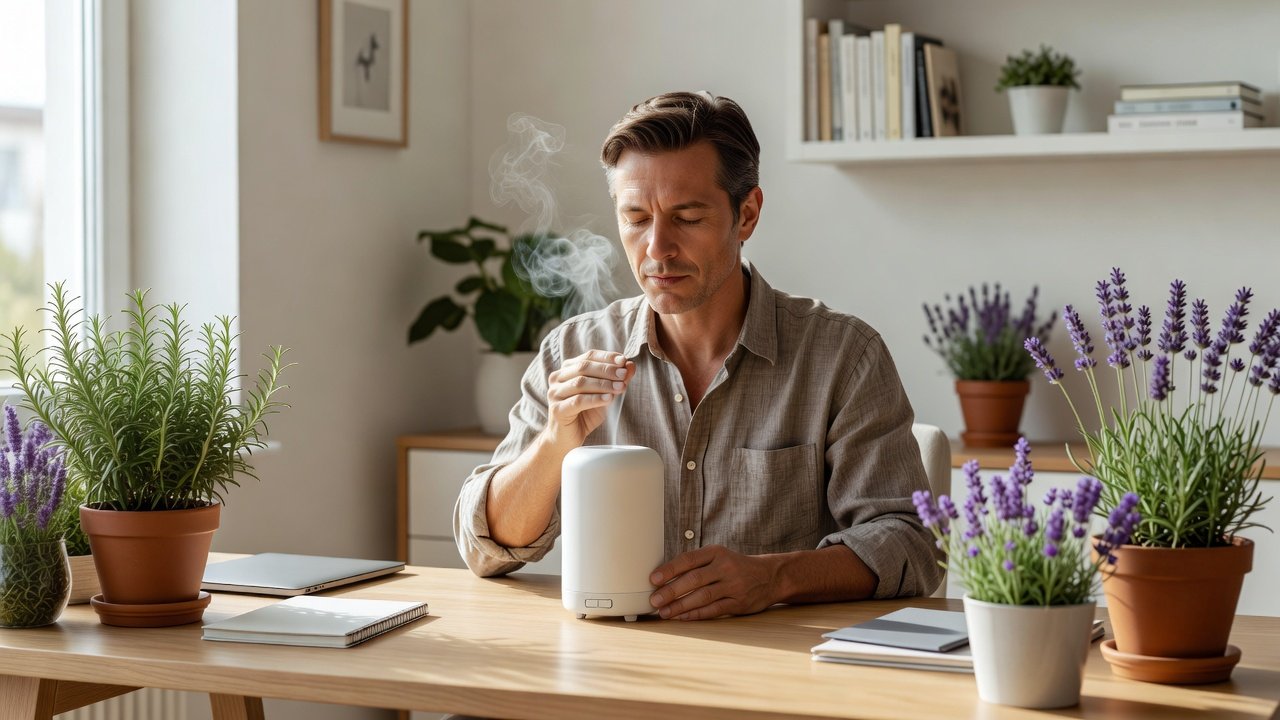
- Desk setup: Portable diffuser with lavender during deep work sessions lasting 90 minutes or more.
- Commute hack: Use a car diffuser blend of both oils to maintain calm alertness during travel.
- Weekly assessment: Track focus metrics in a journal to personalize blends based on energy patterns.
- Weekend recovery: Longer topical applications combined with gentle yoga to reset accumulated stress.
Consistency yields cumulative benefits for brain optimization over weeks, often leading to noticeable reductions in mental fatigue.
Real-World User Case Examples
A software developer used rosemary inhalation during coding sprints, noting enhanced problem-solving and reduced mental fatigue after implementing 10-minute sessions twice daily. A university student incorporated lavender topically before exams, reporting lower anxiety and better recall under timed conditions. A remote project manager combined both methods in a morning routine, achieving sustained concentration during long virtual meetings and improved sleep quality at night. These examples illustrate adaptability across professions and highlight how personalization leads to better outcomes.
Common Mistakes to Avoid
Many beginners overuse oils, leading to headaches or diminished returns. Always start low and track responses. Another pitfall is using low-quality oils with fillers that reduce efficacy. Ensure proper storage in dark glass bottles away from heat. Ignoring individual sensitivities, such as allergies, can cause adverse reactions—perform patch tests first.
FAQ on Safety and Personalization
Is aromatherapy safe for everyone? Consult a healthcare provider, especially if pregnant or with respiratory conditions. Patch tests prevent skin irritation. Mayo Clinic guidelines emphasize professional advice for vulnerable groups.
How to personalize protocols? Start with single oils, note responses in a log, then adjust ratios. Genetic factors influence scent preferences and efficacy, so experimentation is key.
Any contraindications? Avoid undiluted application; store oils away from heat and light. Children and pets require extra caution with diffusion levels.
Can results be measured? Use cognitive apps or journals to quantify focus improvements over 30 days.
Conclusion
Aromatherapy protocols offer accessible, science-supported avenues for enhanced focus and mental health in 2026. By understanding the limbic connections and implementing targeted routines with rosemary and lavender, individuals can achieve meaningful cognitive gains. Experiment mindfully and integrate with other optimization strategies for best results.


No comments yet. Be the first!