 Slow Bio Hack
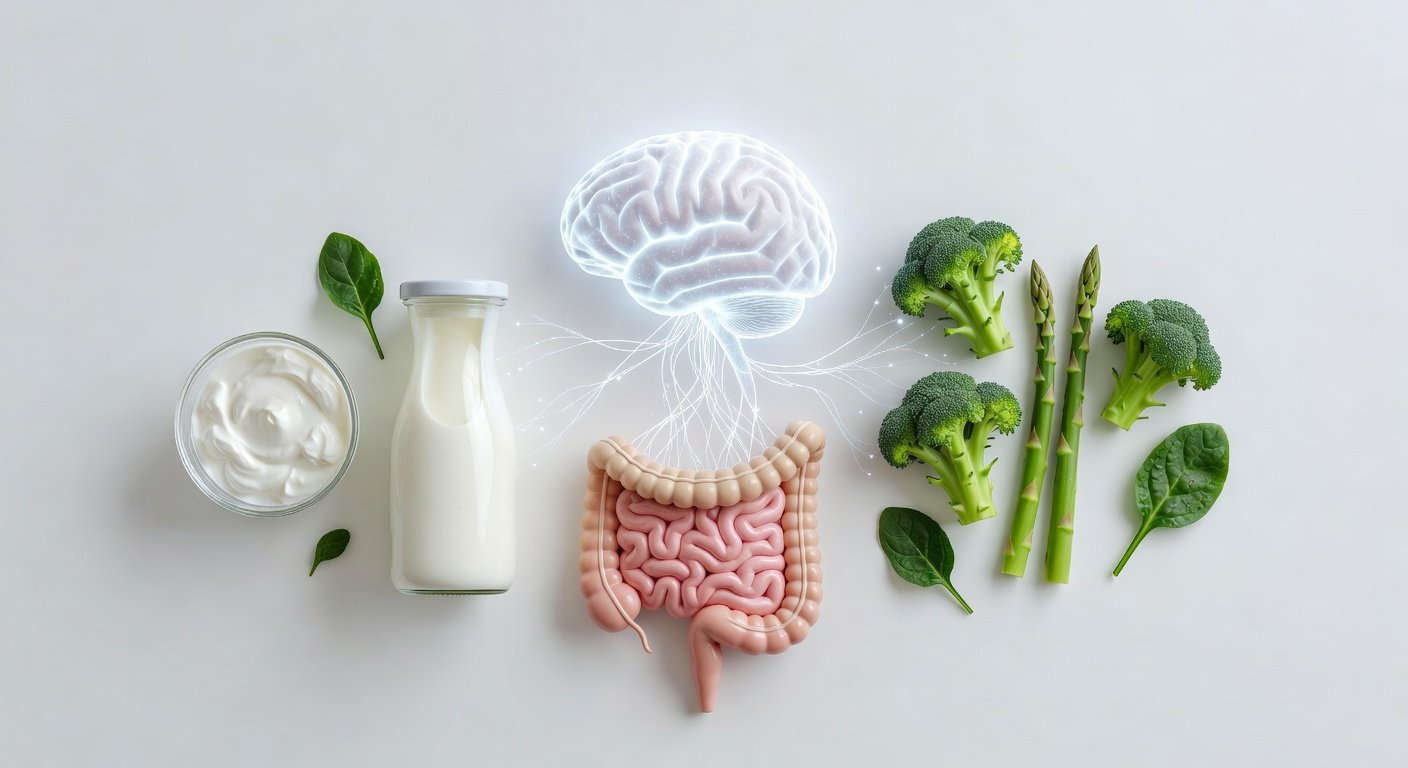
The connection between your gut and brain offers powerful, natural ways to sharpen focus and support mental health without relying on nootropics. In 2026, emerging research continues to highlight how the microbiome influences cognitive performance, mood regulation, and inflammation levels. This guide delivers practical, science-informed steps tailored for busy professionals seeking sustainable improvements.
Understanding the Gut-Brain Axis in 2026
The gut-brain axis is a bidirectional communication network linking the gastrointestinal tract with the central nervous system. Recent studies emphasize the microbiome's role in producing neurotransmitters like serotonin—about 90% of which originates in the gut. They also show how balanced gut bacteria can lower systemic inflammation that impairs concentration.
Key 2026 findings link diverse microbiomes to better executive function and reduced anxiety symptoms. For professionals juggling deadlines, optimizing this axis provides a foundation for lasting mental performance.
Top Probiotic Foods and Supplements
Incorporate these evidence-supported options daily:
- Yogurt with live cultures
- Kefir and kombucha for diverse strains
- Sauerkraut and kimchi as fermented staples
- High-fiber prebiotic foods like garlic, onions, and bananas
Choose supplements with multiple strains (at least 10-20 billion CFU) when diet alone falls short. Always select third-party tested products for quality.
7-Day Gut Reset Plan
Follow this structured plan to kickstart microbiome diversity and notice focus gains within days:
- Day 1-2: Eliminate processed sugars and focus on fermented breakfasts like kefir smoothies.
- Day 3-4: Add prebiotic-rich lunches with beans and vegetables; include a 20-minute walk after meals.
- Day 5-6: Incorporate bone broth or miso soup for dinner; track sleep and mood patterns.
- Day 7: Reintroduce one eliminated food mindfully and assess tolerance while maintaining fermented snacks.
Sample meals include overnight oats with yogurt and berries for breakfast, quinoa bowls with kimchi for lunch, and grilled salmon with sauerkraut for dinner. Busy schedules benefit from batch-prepping ferments on weekends.
Tracking Progress with Apps and Metrics
Use apps like MyFitnessPal or specialized microbiome trackers to log meals, stool consistency, and cognitive scores. Monitor weekly focus levels via simple self-assessments or wearable data on sleep quality. Consistent logging reveals patterns linking diet shifts to mental clarity improvements.
Before-and-After Insights from Studies
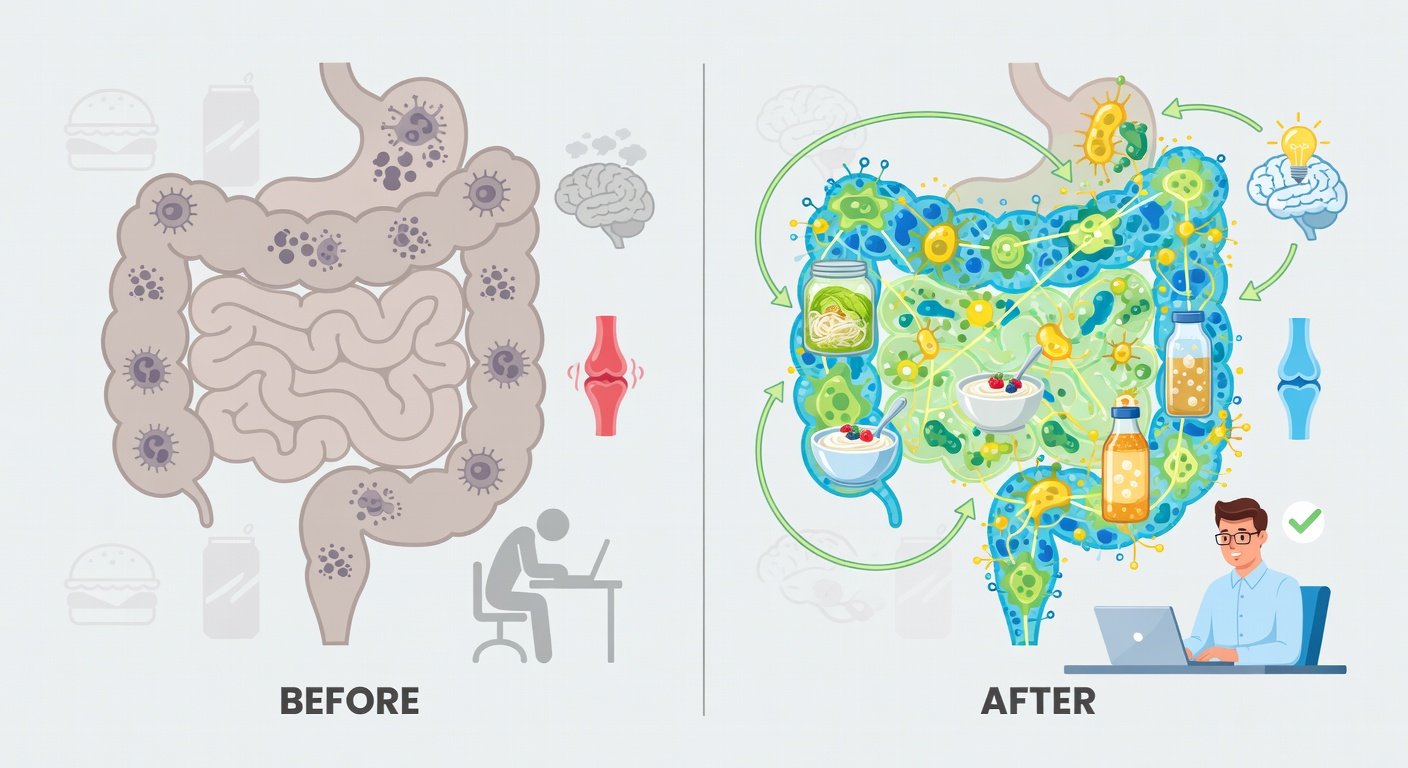
Controlled trials demonstrate measurable shifts: participants following fermented diets for one week often report 15-25% gains in attention span and lower stress markers. Inflammation reduction appears in blood tests within 10-14 days, correlating with steadier mood and productivity.
Common Pitfalls and How to Avoid Them
Many people overlook gradual implementation, leading to digestive discomfort. Start slowly with new foods. Another frequent error is ignoring hydration—aim for consistent water intake to support microbial balance. Finally, avoid over-restrictive elimination without professional guidance.
FAQ
How quickly can I expect focus improvements? Many notice subtle changes within 3-5 days, with more pronounced benefits after two weeks of consistent habits.
Are fermented diets suitable for everyone? Most tolerate them well, but those with histamine sensitivities should introduce items gradually and consult a healthcare provider.
Can this replace other mental health strategies? These hacks complement therapy, exercise, and sleep hygiene but do not substitute for professional care when needed.
For deeper reading on microbiome science, explore resources from the National Institutes of Health and Mayo Clinic.


No comments yet. Be the first!