 Slow Bio Hack
Understanding Dopamine: The Key to Motivation and Focus in 2026
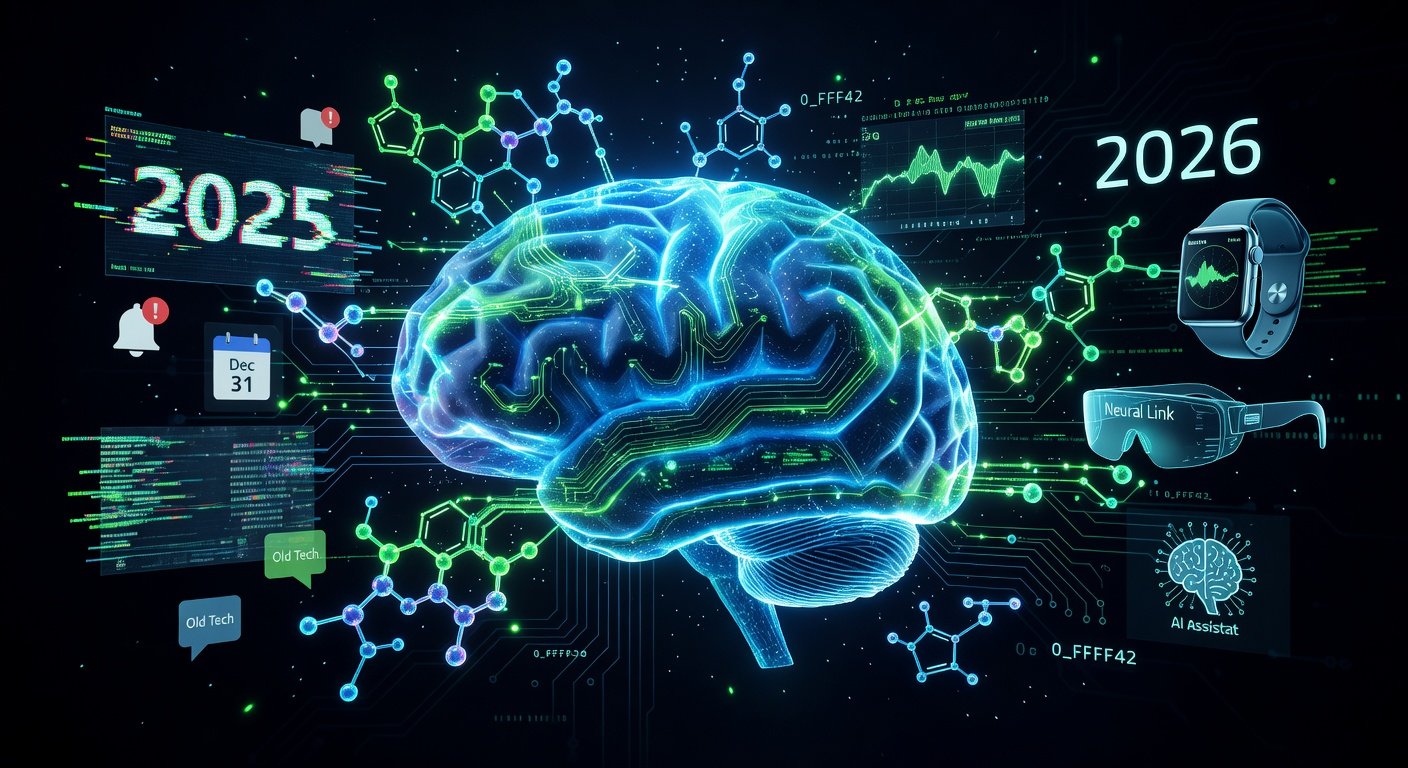
In our hyper-connected 2026 world, where notifications ping relentlessly and digital distractions dominate, maintaining laser-sharp focus and robust mental health feels like an uphill battle. Enter dopamine—the neurotransmitter often dubbed the 'molecule of motivation.' Produced in the brain's substantia nigra and ventral tegmental area, dopamine plays a pivotal role in reward, pleasure, movement, and executive function. It surges when we anticipate rewards, fueling drive and concentration.
But modern life hacks dopamine systems. Endless social media scrolls deliver micro-hits of validation, leading to tolerance where real achievements feel flat. Poor sleep, processed foods, and chronic stress deplete dopamine precursors like tyrosine, contributing to ADHD-like symptoms, procrastination, and even depression. According to the National Institute of Mental Health, dopamine dysregulation underlies many mental health challenges, from anxiety to addiction.
This guide equips you with science-backed dopamine optimization hacks tailored for 2026's high-stress digital era. We'll cover imbalances, five actionable strategies, biohacker success stories, before-and-after insights, a 7-day challenge, and FAQs to track progress.
Common Dopamine Imbalances in the Digital Age
Dopamine isn't just about feeling good; it's your brain's currency for prioritizing tasks. Imbalances manifest as:
- Low dopamine: Fatigue, lack of motivation, difficulty starting tasks (anhedonia).
- Dysregulated dopamine: Addiction to quick wins like TikTok, leading to burnout.
- Fluctuations: Post-reward crashes from sugar binges or gaming marathons.
Sources? Social media algorithms exploit variable reward schedules, mimicking slot machines. A 2023 study highlighted how platforms like Instagram reduce sustained attention by 20%. Poor gut health and inflammation further impair dopamine synthesis. Optimizing starts with awareness—track your 'dopamine diet' via apps like RescueTime or brain-training wearables.
5 Science-Backed Dopamine Hacks for 2026
These hacks draw from neuroscience, biohacking communities, and emerging 2026 tech like AI-coached neurofeedback. Implement them sequentially for compounding effects.
Hack 1: Dopamine Fasting Protocol
Popularized by Dr. Anna Lembke, dopamine fasting resets tolerance by abstaining from high-stimulation activities. Step-by-step:
- Choose a 24-48 hour window (e.g., weekend mornings).
- Eliminate: Social media, porn, gaming, junk food, music with lyrics.
- Replace with: Boring tasks like walking in silence, journaling, or cold showers.
- Journal cravings hourly—note intensity drops after 12 hours.
- Reintroduce stimuli mindfully post-fast.
Biohackers report 30-50% focus gains. Pair with 2026's VR fasting apps for guided immersion.
Hack 2: Tyrosine-Rich Foods for Natural Boosts
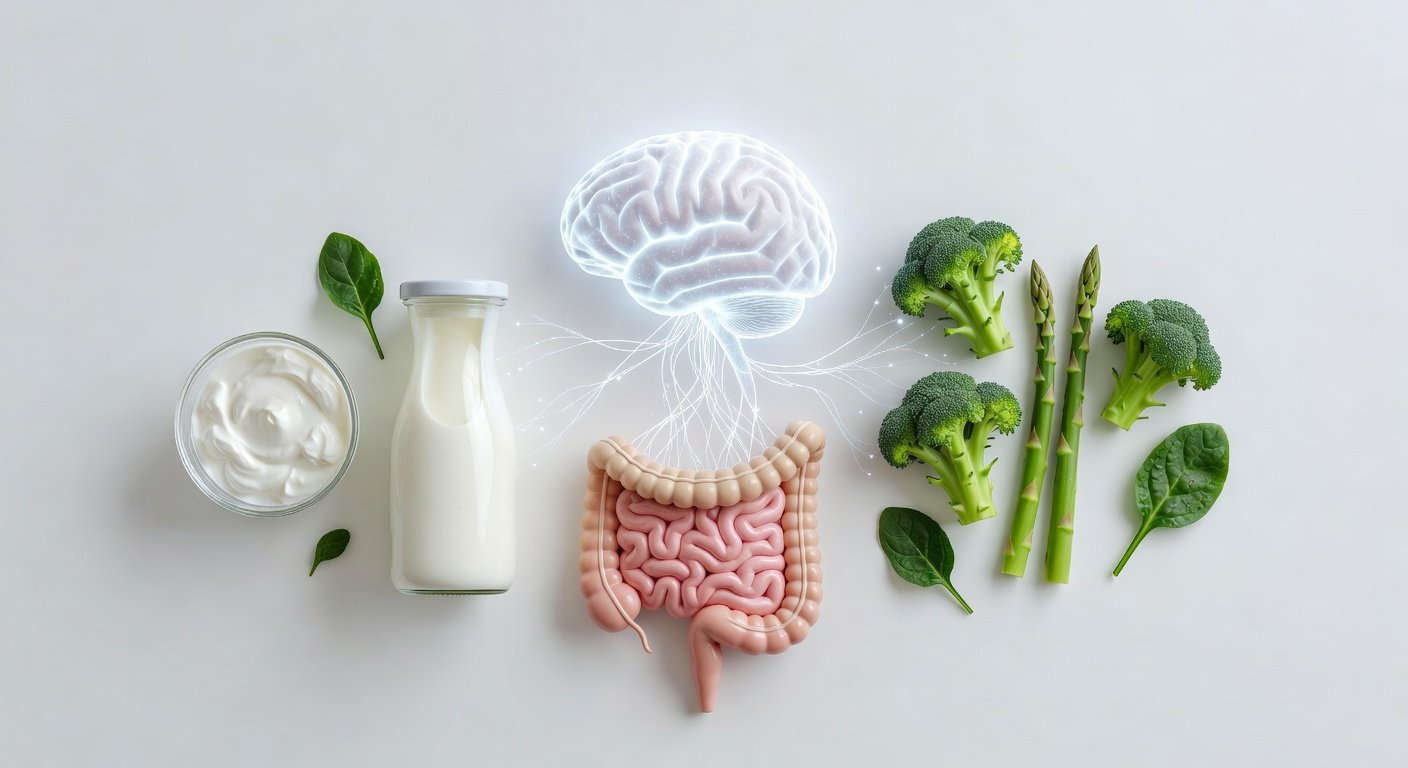
Tyrosine is dopamine's precursor. Stock up on phenylalanine-converting foods. Daily protocol:
- Breakfast: Eggs (500mg tyrosine) + spinach.
- Lunch: Chicken or tofu (1g+) with almonds.
- Snack: Banana + Greek yogurt.
- Aim for 1-2g daily; supplement 500mg L-tyrosine pre-workout if vegan.
Avoid caffeine overload—it competes with dopamine receptors. Reference the Cleveland Clinic's guide on dopamine for dietary synergies.
Hack 3: Intermittent Reward Scheduling
Mimic slot-machine variability but for productivity. Use apps like Focus@Will.
- Pomodoro with twists: 25-min work, 5-min random reward (e.g., stretch or tea 70% time).
- Weekly 'dopamine days' for fun, not daily.
- Track via Notion: Reward only after 80% task completion.
This rebuilds motivation circuits sustainably.
Hack 4: Cold Exposure and Exercise Microdosing
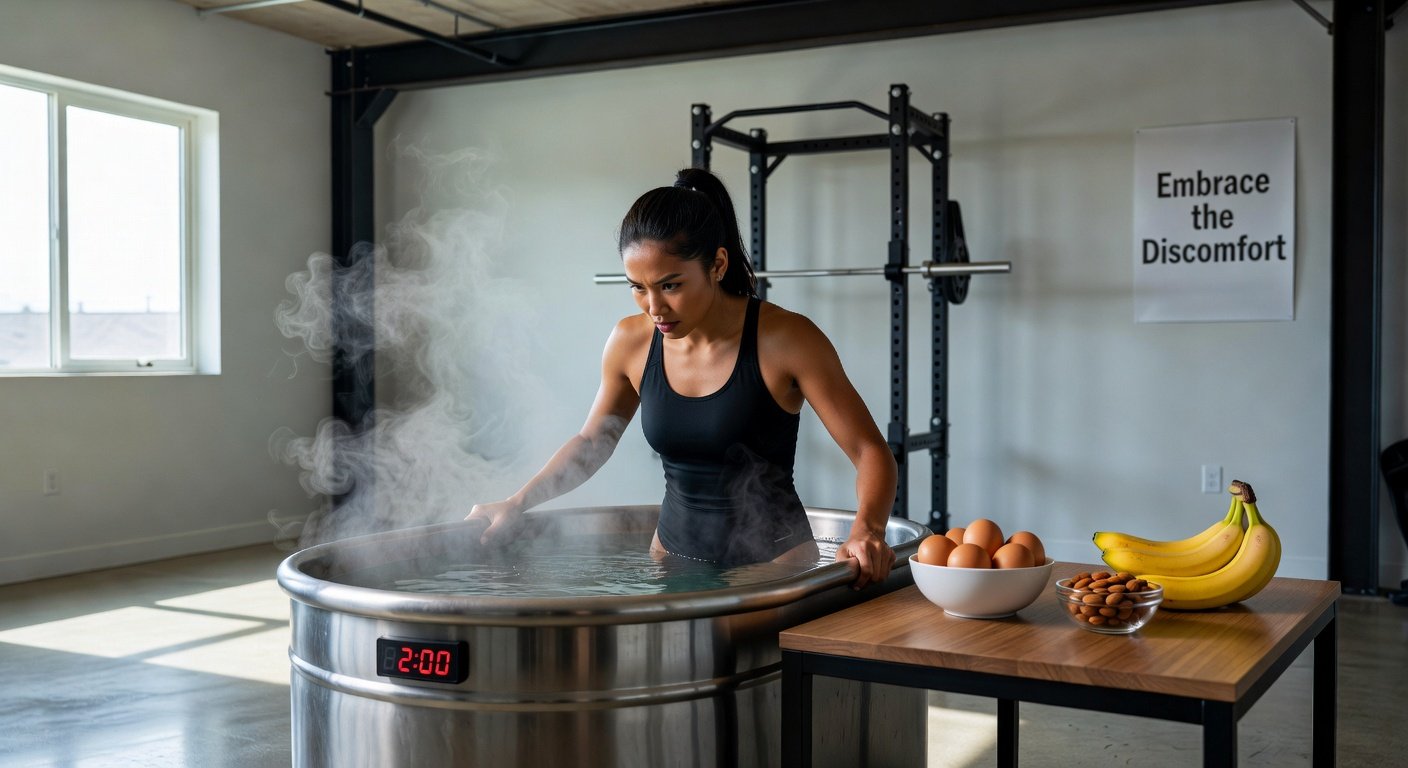
Cold plunges spike dopamine 250% for hours (per Huberman Lab). Routine:
- 3-min ice bath or 30-sec face dunk daily.
- HIIT: 10-min bursts (e.g., burpees) 3x/week.
- Combine: Post-workout sunlight for serotonin-dopamine balance.
Hack 5: Supplementation and Sleep Optimization
Mucuna pruriens (15% L-DOPA) at 200mg nightly; magnesium L-threonate for receptor sensitivity. Prioritize 7-9 hours sleep—dopamine clears during deep sleep. Use Oura Ring for tracking.
Real-World Examples from Biohackers
Take Alex, a Silicon Valley engineer: Pre-optimization, 4-hour focus blocks devolved to 20-min scrolls. After 30 days of fasting + tyrosine, he hit 6-hour flows, landing a promotion. Before: ADHD meds, anxiety. After: Natural highs, 20% productivity spike.
Dave Asprey (Bulletproof founder) credits intermittent rewards for his empire. A 2025 biohacker survey showed 68% reported better mental health via these hacks.
Before-and-After Comparisons
| Metric | Before | After (30 Days) |
|---|---|---|
| Daily Focus Hours | 2-3 | 5-7 |
| Motivation Score (1-10) | 4 | 8 |
| Social Media Use | 3+ hours | <30 min |
| Mood Stability | Volatile | Balanced |
Track yours with WHOOP or journaling.
Your 7-Day Dopamine Optimization Challenge
Transform in a week:
- Day 1-2: Dopamine fast (light version: no screens post-8pm).
- Day 3-4: Tyrosine meals + 10-min cold shower.
- Day 5-6: Intermittent rewards + exercise microdose.
- Day 7: Full review; supplement intro if needed.
Expected: 40% focus boost. Share progress on biohacking forums.
Conclusion: Reclaim Your Brain in 2026
Dopamine optimization isn't a fad—it's essential for thriving amid AI-driven distractions. Start small, stack hacks, and monitor. Consult a doctor for personalized advice, especially with meds. Your future self—focused, motivated, resilient—thanks you.
FAQs: Dopamine Hacks Answered
Q: How long until I feel effects?
A: 24-72 hours for fasting; 1-2 weeks for diet shifts.
Q: Can I combine with ADHD meds?
A: Yes, but titrate under medical supervision—hacks enhance, don't replace.
Q: Common pitfalls?
A: All-or-nothing; over-supplementing (max 1g tyrosine/day); ignoring sleep.
Q: Track progress how?
A: Apps like Daylio for mood; Cambridge Brain Sciences for cognition tests. Reference Harvard Health for validation.
Q: Safe for beginners?
A: Absolutely—start with food and fasting.
No comments yet. Be the first!