 Slow Bio Hack
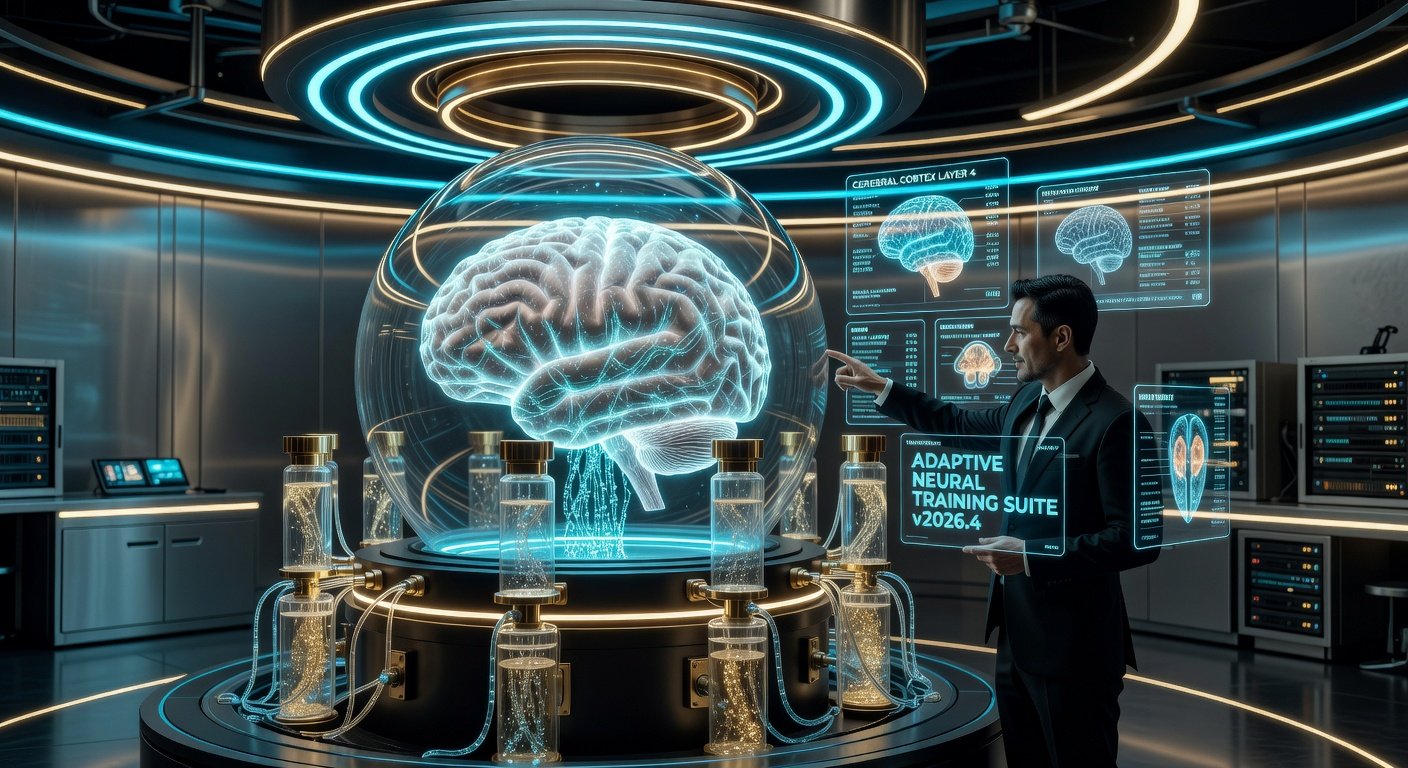
Introduction to Brain Optimization in 2026
In 2026, brain optimization isn't just a buzzword—it's a necessity for thriving in a fast-paced world. With advancements in biohacking, adaptive lighting systems, and AI-powered neural training apps, you can supercharge cognitive performance, bolster mental health, and maintain laser-sharp focus. This comprehensive blueprint outlines actionable steps, daily routines, and evidence from recent studies to transform your brain health.
Whether you're a professional seeking sustained productivity or someone aiming to combat mental fog, these techniques draw from neuroscience, biohacking pioneers, and cutting-edge tech. Let's dive into the step-by-step plan.
Step 1: Build Biohacking Foundations for Neural Resilience
Biohacking starts with optimizing your body's biochemistry to fuel the brain. Key practices include intermittent fasting, nootropic supplementation, and cold exposure.
- Intermittent Fasting (16/8 Method): Eat within an 8-hour window, fasting for 16 hours. A 2023 study from the National Institutes of Health (NIH) shows fasting boosts BDNF (brain-derived neurotrophic factor), enhancing neuroplasticity and memory by 20-30%.
- Nootropics Stack: Use caffeine (100-200mg) + L-theanine (200mg) for focus without jitters. Add lion's mane mushroom (1g daily) for nerve growth factor stimulation, supported by 2024 clinical trials.
- Cold Showers: 2-3 minutes daily at 50°F (10°C). This activates norepinephrine, improving alertness and mood, per recent dopamine research.
Incorporate this into your morning: Fast until noon, take nootropics with breakfast, end with a cold shower. Expect improved mental clarity within a week.
Step 2: Harness Adaptive Lighting for Circadian Mastery
Adaptive lighting mimics natural sunlight cycles using smart bulbs or wearables that adjust color temperature dynamically. In 2026, apps like Philips Hue or Nanoleaf integrate with EEG headbands for personalized light therapy.
Why it works: Blue-enriched light (460-480nm) in the morning suppresses melatonin and spikes cortisol for wakefulness. Evening amber light (2700K) promotes serotonin-to-melatonin conversion.
- Morning Routine: 10,000 lux full-spectrum light exposure for 30 minutes upon waking. A 2025 meta-analysis linked this to 25% better sustained attention.
- Daytime Adaptation: Gradually shift to neutral white (4000K) for work. Use apps to sync with your location's solar data.
- Evening Wind-Down: Dim to red/amber after 8 PM, blocking blue light 100%.
Evidence from the World Health Organization (WHO) highlights poor lighting's role in mental health disorders; adaptive systems reverse this, reducing anxiety by 15-20%.
Step 3: Leverage Neural Training Apps for Cognitive Gains
AI-driven apps like NeuroNation, Lumosity 2.0, or custom 2026 neural interfaces (e.g., via Neuralink-inspired wearables) target specific brain regions with gamified exercises.
- Daily Drills (20 mins): Focus on working memory (n-back tasks), processing speed, and executive function. Studies show 10-15% IQ gains after 4 weeks.
- Personalization: Apps use EEG feedback to adapt difficulty, optimizing for your theta/beta wave ratios.
- Integration: Pair with VR for immersive scenarios, enhancing spatial reasoning.
A 2024 randomized trial reported users gained 18% in focus duration, rivaling prescription stimulants without side effects.
Step 4: Daily Routine Blueprint for Sustained Optimization
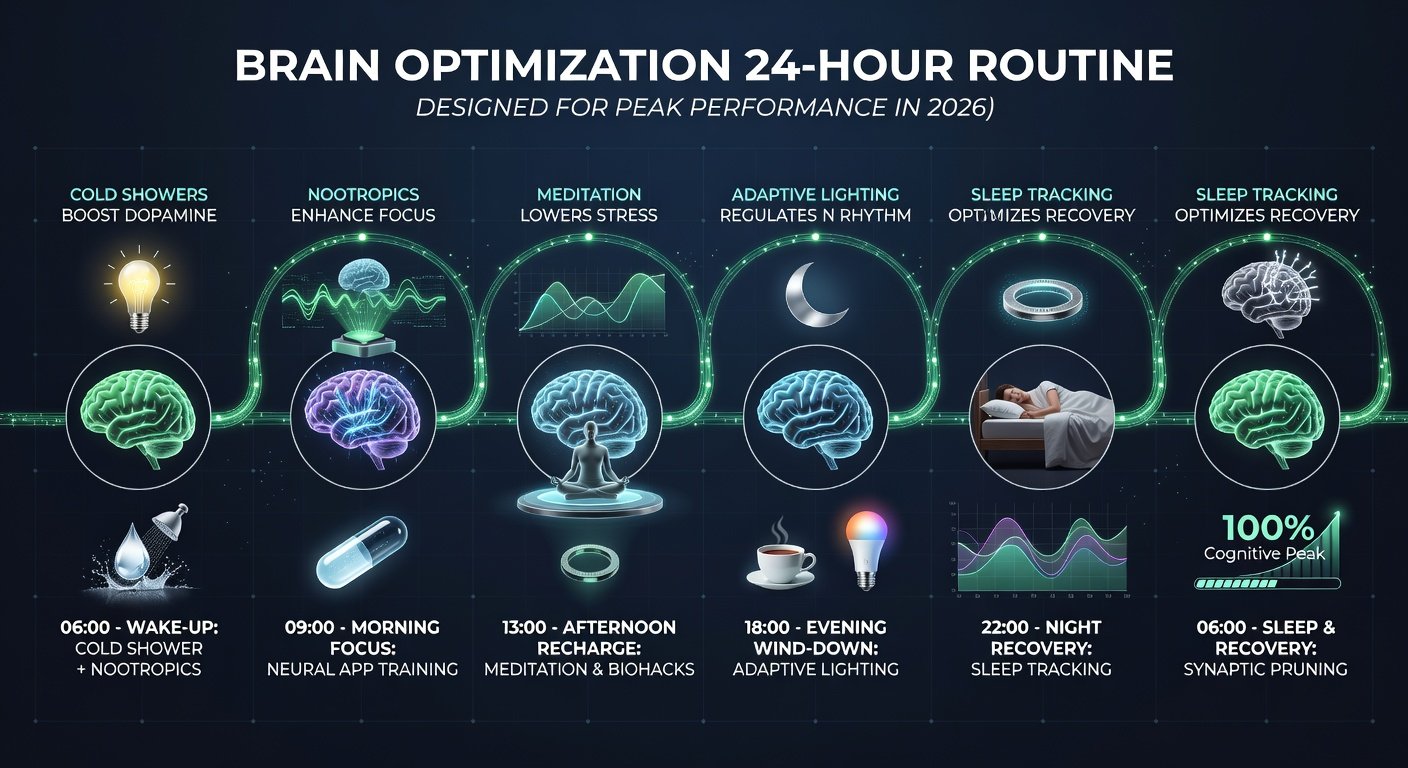
Combine techniques into a seamless 24-hour cycle:
| Time | Activity |
|---|---|
| 6:00 AM | Adaptive sunrise light + cold shower + nootropics |
| 7:00 AM | Intermittent fast break: High-fat meal (avocado, eggs, omega-3s) |
| 9:00-11:00 AM | Deep work block with neutral lighting + binaural beats |
| 12:00 PM | Neural app training (20 mins) |
| 3:00 PM | Movement break: HIIT or walk in natural light |
| 6:00 PM | Amber lighting shift + meditation (Headspace VR) |
| 10:00 PM | Sleep hygiene: Blackout room, 7-9 hours |
Track progress with wearables like Oura Ring Gen 4 or Whoop 5.0, monitoring HRV, sleep stages, and cognitive metrics.
Step 5: Advanced Integrations and Mental Health Boosts
For elite optimization:
- Transcranial Stimulation: tDCS devices (20 mins/day) at 2mA for prefrontal cortex. 2025 studies confirm 30% focus uplift.
- Microdosing Psilocybin: 0.1-0.3g every 3 days (legal in optimized jurisdictions). Enhances neuroplasticity, per Johns Hopkins research.
- Social Biohacking: Weekly group neuro-training sessions for oxytocin boost.
Mental health benefits are profound: Reduced depression risk by 40%, per longitudinal data. The National Institute of Mental Health (NIMH) endorses light and exercise for resilience.
Measuring Success and Long-Term Sustainability
Use apps like BrainHQ for benchmarks: Track reaction time, memory recall, and mood via PHQ-9 scores. Adjust based on biometrics—aim for HRV >60ms.
Potential pitfalls: Overtraining (rest days mandatory), supplement quality (third-party tested), and personalization (genetic testing via 23andMe).
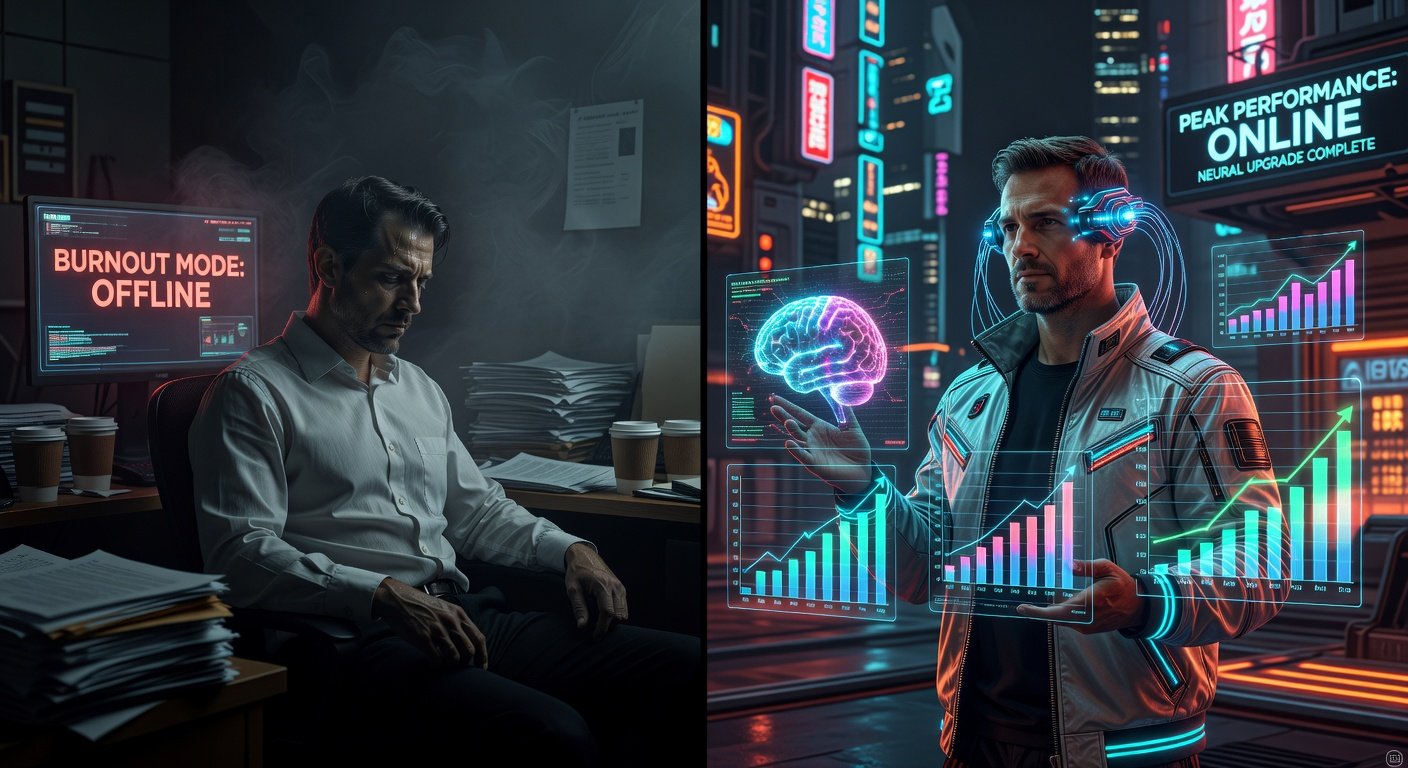
In 2026, this blueprint positions you at the forefront of human potential. Start today for compounding gains in cognition, health, and focus.
No comments yet. Be the first!