 Slow Bio Hack

Understanding Telomeres and Their Role in Aging
Telomeres function as protective chromosomal caps that naturally erode with every cell division, ultimately triggering cellular senescence and contributing to the progressive decline in healthspan. In 2026, advanced protocols emphasize measurable telomere preservation to counteract biological aging processes that manifest as increased susceptibility to cardiovascular issues, metabolic disorders, and cognitive impairment. This article delves into the mechanisms, evidence-based interventions, and actionable implementation strategies that go far beyond generic recommendations.
The Science Linking Telomere Attrition to Healthspan Decline
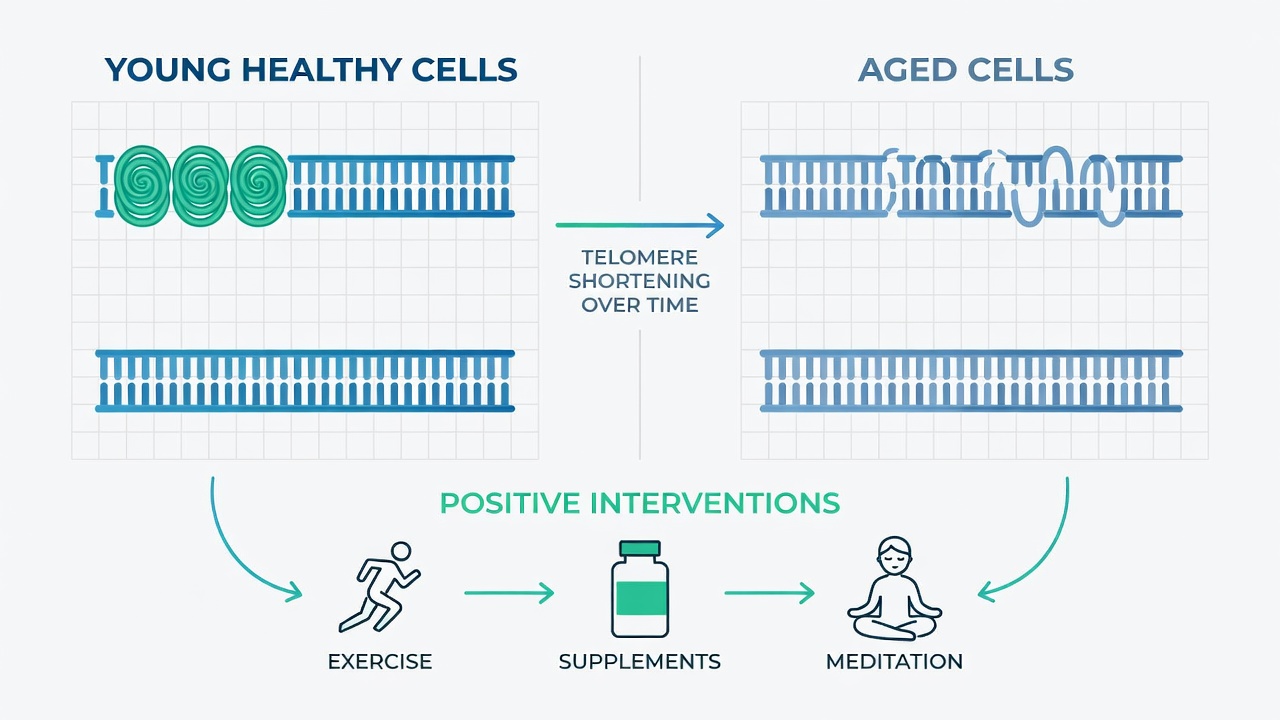
Telomere shortening serves as a primary biomarker of biological aging because it restricts the replicative lifespan of cells, leading to tissue dysfunction over time. Extensive research from the National Institutes of Health establishes clear correlations between accelerated telomere attrition and higher incidence of age-related diseases. Oxidative stress, chronic inflammation, and lifestyle factors such as poor diet or sedentary behavior accelerate this erosion, whereas activating the enzyme telomerase can help replenish telomere length. Understanding these pathways allows for targeted interventions that address root causes rather than symptoms alone, providing a foundation for personalized longevity plans in 2026.
Lifestyle Interventions for Telomere Maintenance
Comprehensive lifestyle modifications represent the most accessible and well-supported methods for supporting telomere integrity. Aerobic activity, resistance training, and mind-body practices collectively reduce oxidative damage while promoting telomerase expression. For instance, individuals who maintain consistent physical routines often exhibit slower telomere shortening rates compared to inactive peers. Practical implementation includes integrating the following evidence-backed habits:
- Perform 150-200 minutes of moderate-intensity aerobic exercise weekly, such as brisk walking or cycling, to enhance mitochondrial function and lower inflammation markers.
- Incorporate high-intensity interval training sessions twice per week to stimulate cellular repair mechanisms more efficiently.
- Practice mindfulness-based stress reduction or yoga for 20-30 minutes daily, which studies link to preserved telomere length through cortisol regulation.
- Adopt a nutrient-dense Mediterranean or plant-forward eating pattern emphasizing berries, leafy greens, nuts, and fatty fish to supply antioxidants that combat free radical damage.
- Optimize sleep by maintaining a consistent 7-9 hour schedule in a dark, cool environment, supporting overnight DNA repair processes.
- Limit exposure to environmental toxins by choosing organic produce when possible and avoiding smoking or excessive alcohol consumption.
Real-world examples include professionals who combined these elements into weekly schedules and reported improved energy levels alongside favorable changes in inflammatory biomarkers after six months.
Targeted Supplements and Dosage Considerations
Strategic supplementation can complement lifestyle efforts by providing compounds that influence telomerase activity or reduce oxidative stress. Common options include omega-3 fatty acids, vitamin D, astragalus extracts, and resveratrol. Efficacy varies based on individual baseline levels and adherence, with comparisons showing that omega-3s often yield consistent results across populations while certain herbal extracts demonstrate more variable outcomes in clinical observations. Dosage considerations typically involve starting conservatively: 1,000-2,000 mg combined EPA/DHA daily from high-quality fish oil sources, 1,000-2,000 IU of vitamin D3 after confirming deficiency via bloodwork, and 500 mg of standardized astragalus root extract in divided doses. Always pair supplementation with regular monitoring to avoid imbalances and consult a qualified practitioner for adjustments tailored to genetic or health profiles.
Emerging Therapies and Efficacy Comparisons
Advanced options such as telomerase activators, senolytics, and early-stage gene therapies are gaining traction in 2026 research settings. Lifestyle interventions generally offer moderate, sustainable benefits with minimal risk and broad accessibility, whereas pharmaceutical-grade compounds like TA-65 show preliminary data for greater telomere elongation but require more long-term safety studies. Gene therapy approaches targeting TERT expression hold transformative potential yet remain largely investigational. The World Health Organization highlights the importance of integrating these modalities responsibly within comprehensive health frameworks to maximize healthspan gains while minimizing unintended consequences.
Practical Steps for Implementing Protocols
Successful adoption begins with objective baseline assessment through quantitative telomere testing from certified laboratories, followed by phased integration of interventions. Step one involves obtaining comprehensive blood panels to evaluate vitamin D, inflammation, and oxidative stress. Step two focuses on establishing core lifestyle foundations for 30-60 days before adding supplements. Step three incorporates advanced therapies only under clinical supervision with periodic reassessment every six months. Real-world applications often feature busy individuals who use wearable trackers to log exercise and sleep metrics, enabling data-driven refinements that sustain motivation and measurable progress.
Monitoring Progress and Avoiding Common Pitfalls
Regular evaluation through repeat telomere length assays combined with functional biomarkers helps track efficacy and guide adjustments. Pitfalls to avoid include over-reliance on single supplements without lifestyle synergy, neglecting sleep quality, or pursuing unverified experimental treatments without medical guidance. Tracking subjective markers such as recovery time, mental clarity, and joint comfort provides additional context alongside laboratory data.
FAQ: Common Concerns and Monitoring Tips
How long does it take to observe meaningful telomere changes?
Consistent application of combined protocols typically yields detectable shifts within 6-18 months, depending on starting health status and adherence intensity.
Can telomere extension increase cancer risk?
Excessive telomerase activation carries theoretical concerns, which is why protocols emphasize balanced approaches under professional supervision rather than aggressive self-experimentation.
What testing methods provide the most reliable data?
Quantitative PCR remains widely used for telomere length assessment, supplemented by flow-FISH for higher precision in specialized clinics.
Are there age-specific considerations for these strategies?
Younger adults benefit from prevention-focused routines, while older individuals may prioritize combined lifestyle and supplemental support to address existing attrition.
How do genetics influence individual responses?
Genetic variations in telomerase-related genes can affect outcomes, making personalized testing and consultation essential for optimized results.
Conclusion
Telomere extension strategies in 2026 offer a multifaceted pathway to extend healthspan through integrated science-backed approaches. By combining detailed lifestyle protocols, targeted supplementation, and carefully evaluated emerging therapies, individuals can implement sustainable systems that address biological aging at its cellular roots. Begin with foundational assessments and incremental changes, then refine based on objective feedback for lasting, meaningful improvements in vitality and disease resistance.


No comments yet. Be the first!