 Slow Bio Hack
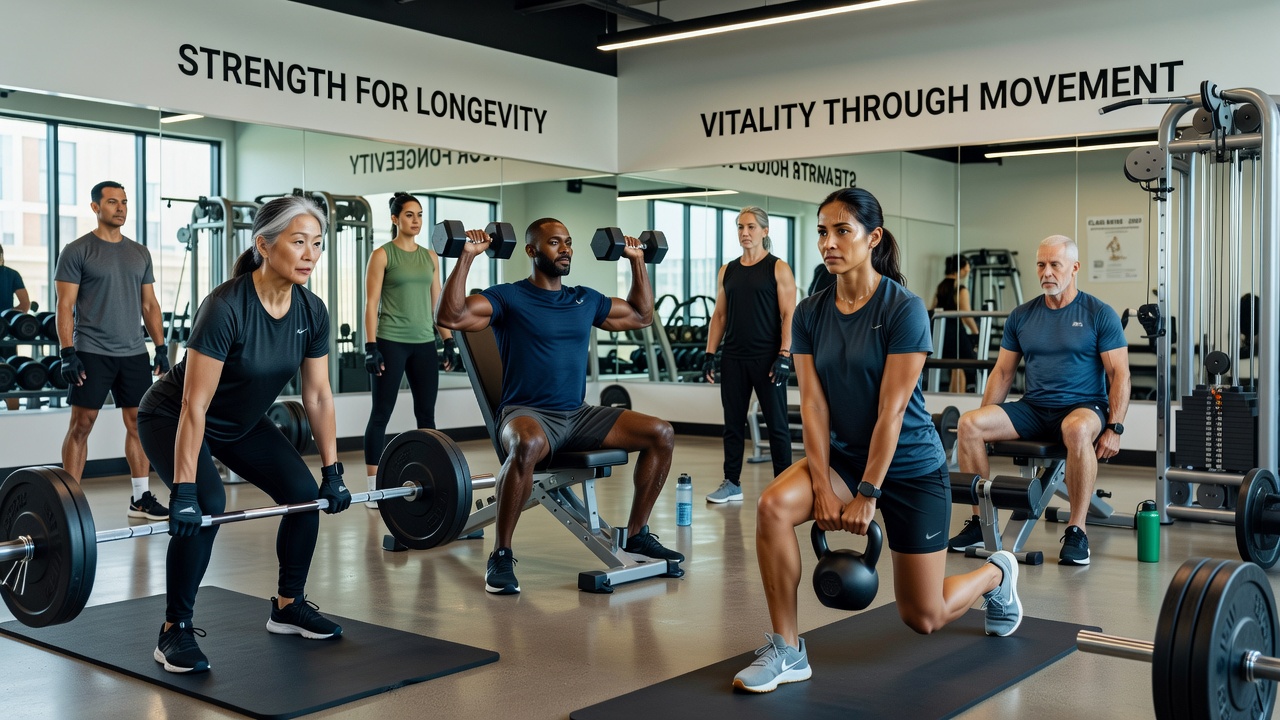
Introduction to Strength Training for Healthspan
Strength training has emerged as one of the most powerful tools for extending healthspan—the period of life spent in good health—by preserving muscle mass, improving metabolic function, and reducing inflammation. In 2026, updated research emphasizes its role in combating age-related decline, with biomarkers like sarcopenia and chronic inflammation taking center stage. This guide provides practical, evidence-based protocols from beginner to advanced levels to help individuals of all ages build resilience and vitality.
Healthspan optimization through resistance exercise goes beyond aesthetics. It supports longevity by enhancing mitochondrial function and hormonal balance. Studies from institutions like the National Institutes of Health highlight how consistent training can add years of vitality. The focus in 2026 is on personalized approaches that integrate the latest biomarker data to track progress and adjust routines dynamically.
Why Strength Training Supports Longevity in 2026
Recent 2026 biomarker research shows that maintaining muscle mass directly correlates with lower mortality risk. Strength training improves insulin sensitivity and reduces inflammatory markers such as CRP. Compared to cardio alone, it offers superior anti-aging effects by preserving lean tissue as we age. Key biomarkers updated this year include myostatin levels and interleukin-6, which respond positively to structured resistance programs.
Regular strength work also supports bone density and joint integrity, critical factors for independent living in later decades. National Institutes of Health resources underscore these benefits, linking higher muscle strength to better cognitive outcomes and reduced disease incidence. Individuals who prioritize progressive overload in their routines often report sustained energy levels and improved mood regulation throughout the year.
Beginner-to-Advanced Progression Plans
Start with foundational movements to build proper form. Beginners should focus on bodyweight exercises three times weekly before introducing external loads. The progression model in 2026 encourages gradual increases in volume and intensity while monitoring recovery biomarkers through wearable devices.
Beginner Protocol (Weeks 1-8)
New trainees benefit from mastering movement patterns first. Perform the following routine three days per week with at least one rest day between sessions.
- Squats: 3 sets of 10-12 reps, focusing on depth and knee alignment
- Push-ups (knee or wall variations if needed): 3 sets of 8-10 reps
- Rows using resistance bands: 3 sets of 10 reps
- Light deadlifts with bodyweight or dowel: 3 sets of 8 reps
- Plank holds: 3 sets of 20-30 seconds for core stability
After eight weeks, assess strength gains and transition to dumbbells or machines. Track metrics like grip strength and resting heart rate to confirm readiness for progression.
Intermediate to Advanced Plans
Intermediate lifters train four days per week, splitting upper and lower body focus. Incorporate compound lifts like bench presses, overhead presses, pull-ups, and Romanian deadlifts. Advanced protocols include periodization cycles of 8-12 weeks with heavier loads, varied tempos, and techniques such as eccentric emphasis. For example, an advanced session might feature 5 sets of 5 reps on squats at 80% of one-rep max, followed by accessory work.
Optimal Rep Ranges and Recovery Techniques
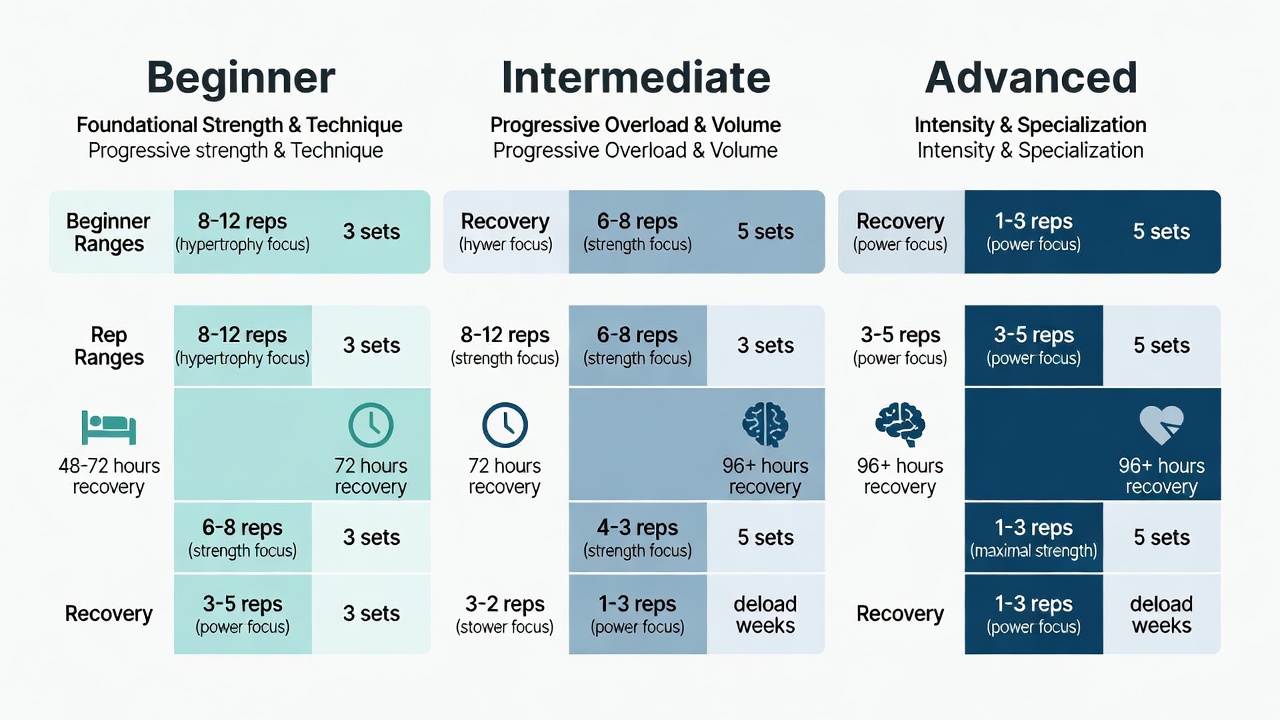
For hypertrophy and longevity, use 6-12 rep ranges per set to stimulate muscle growth without excessive joint stress. Strength-focused work stays in the 3-5 rep range with heavier weights and longer rest periods of 2-3 minutes. Recovery is critical—aim for 48-72 hours between sessions for the same muscle groups, incorporating active recovery like light walking or mobility drills.
In 2026, experts recommend pairing training with 7-9 hours of quality sleep nightly and protein intake distributed across meals. Monitor inflammation through periodic bloodwork. Techniques such as foam rolling, contrast baths, and mindfulness practices further enhance recovery rates and reduce delayed onset muscle soreness.
Comparisons with Other Exercise Modalities
While cardio improves cardiovascular health, strength training uniquely combats muscle loss and metabolic slowdown. Hybrid approaches combining both modalities yield the best healthspan results, as evidenced by longitudinal studies. Yoga aids flexibility and stress reduction but lacks the load-bearing stimulus of weights for bone health. Centers for Disease Control and Prevention guidelines support integrating resistance training into weekly activity for adults of all ages to maximize overall wellness.
High-intensity interval training offers efficiency but requires caution for beginners due to higher injury risk. Pure endurance sports build stamina yet often neglect upper body strength, leading to imbalances over time. The most effective longevity strategies blend elements from multiple modalities while keeping strength work as the foundation.
Real-World Case Studies
Case studies from longevity clinics demonstrate impressive outcomes. A 62-year-old participant gained 15% muscle mass over six months using a structured intermediate protocol with weekly biomarker checks. Another example involves a 45-year-old professional who reversed early signs of sarcopenia through consistent four-day training and optimized nutrition, reporting enhanced work productivity and reduced joint pain.
These stories illustrate how individualized plans, adjusted based on 2026 research insights, produce sustainable results across different age groups and lifestyles.
Common Pitfalls to Avoid
Many individuals encounter setbacks due to avoidable errors. Overtraining without adequate recovery leads to burnout and elevated cortisol. Ignoring nutrition, particularly protein timing, hinders muscle repair. Poor form during lifts increases injury risk, especially in the lower back and shoulders. Skipping warm-ups and mobility work compounds these issues. Always consult qualified trainers or physicians before advancing loads, and incorporate deload weeks every 4-6 weeks.
Step-by-Step Workout Examples
A sample full-body beginner session lasts 45 minutes: begin with 5 minutes of dynamic warm-up, perform the main lifts with 60-90 seconds rest, and finish with stretching. Intermediate routines extend to 60 minutes with added supersets. Log each workout to identify patterns and celebrate incremental improvements in strength and endurance.
Frequently Asked Questions
How often should seniors train? Three focused sessions weekly with emphasis on form and controlled movements provide optimal benefits while minimizing risk.
What about age-related adaptations? Modify loads progressively and include dedicated mobility work to support joint health and range of motion.
Can beginners see results quickly? Consistent adherence typically yields noticeable strength gains and energy improvements within 4-6 weeks.
How do biomarkers influence program adjustments? Regular testing of muscle mass indicators and inflammation levels allows fine-tuning of volume and intensity for personalized outcomes.
Strength training remains a cornerstone for maximizing healthspan in 2026 and beyond, offering measurable improvements in quality of life when practiced thoughtfully.


No comments yet. Be the first!