 Slow Bio Hack
Introduction to Red Light Therapy for Longevity
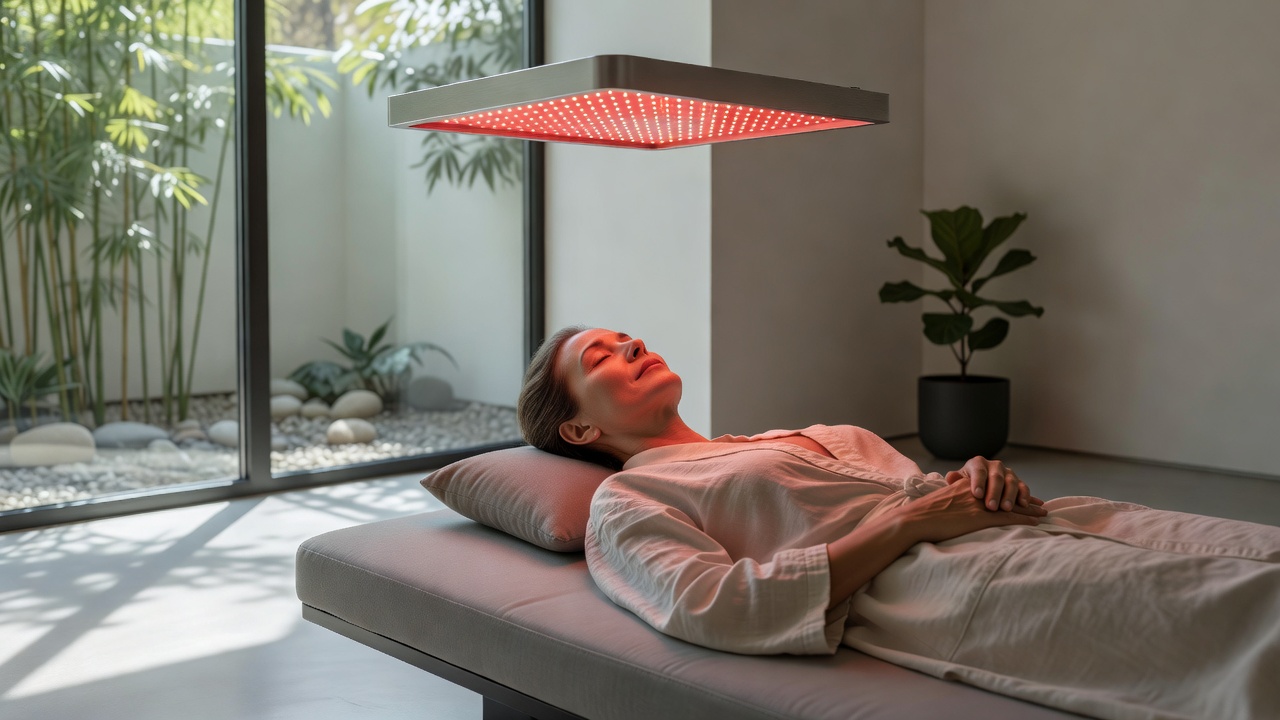
Red light therapy (RLT) has emerged as a promising non-invasive intervention for enhancing healthspan and supporting longevity. By targeting cellular energy production, it offers practical benefits for those seeking evidence-based anti-aging strategies without pharmaceuticals or invasive procedures. Readers interested in biohacking longevity often look for methods that improve mitochondrial function, reduce oxidative stress, and promote cellular repair. Recent research highlights RLT's role in these processes, making it a valuable addition to comprehensive wellness plans. As interest grows in non-pharmaceutical approaches to extending healthy years, RLT stands out for its accessibility and accumulating clinical backing.
The Science of Mitochondrial Stimulation and Lifespan Markers
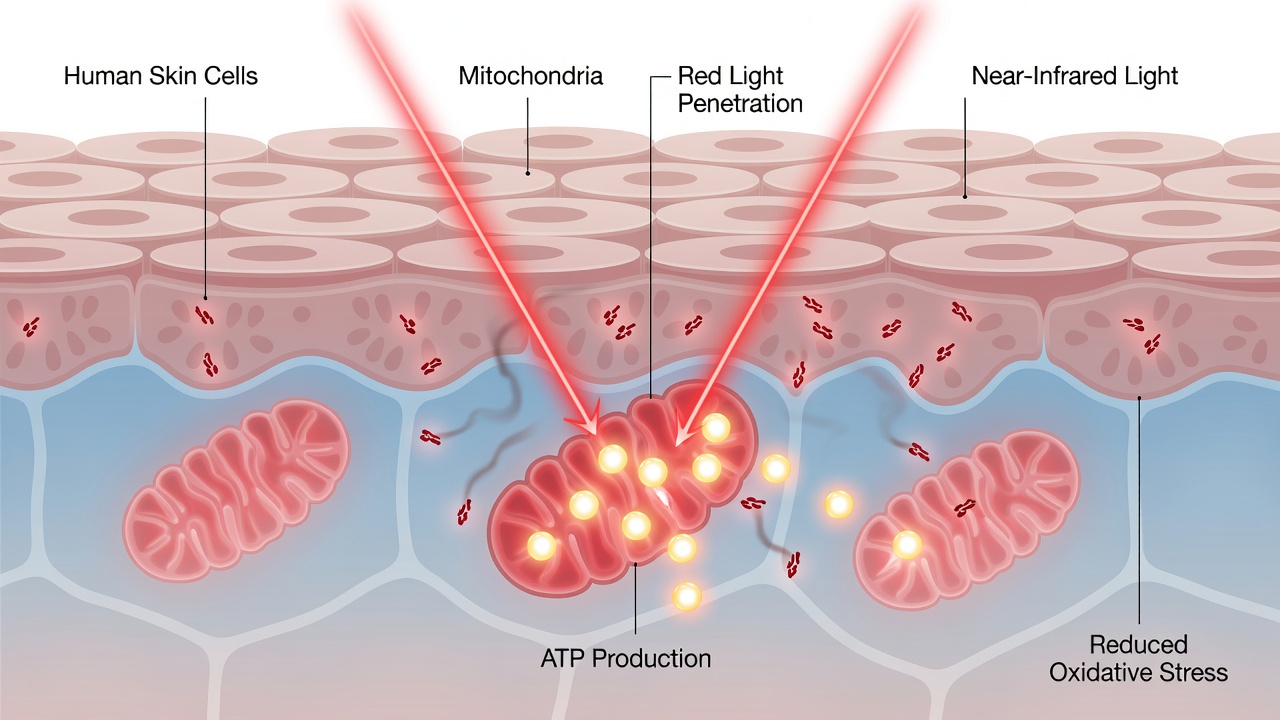
At its core, red light therapy works by delivering specific wavelengths of light that penetrate the skin and reach mitochondria. This stimulates cytochrome c oxidase, boosting ATP production and improving cellular efficiency. Studies link enhanced mitochondrial activity to reduced inflammation and better management of age-related decline markers such as NAD+ levels and telomere length. Evidence from peer-reviewed sources shows improvements in oxidative stress reduction, which correlates with extended healthspan. For deeper reading, explore resources at National Center for Biotechnology Information and National Institutes of Health. Mitochondrial dysfunction is a hallmark of aging, and RLT addresses this by enhancing electron transport chain efficiency, leading to lower reactive oxygen species and improved cellular resilience over time.
Additional mechanisms include increased collagen synthesis and modulation of inflammatory cytokines. These effects contribute to better skin integrity, joint health, and cognitive function, all of which support overall longevity. Longitudinal observations suggest that consistent application may influence gene expression related to sirtuins and other longevity pathways, though more human trials are ongoing.
Optimal Wavelengths for Anti-Aging Benefits
Effective RLT typically uses wavelengths between 630-660 nm for superficial skin benefits and 810-850 nm for deeper tissue penetration. These ranges optimize mitochondrial response without generating excess heat. Beginners should prioritize full-spectrum devices covering both ranges to address multiple longevity pathways simultaneously. Research indicates that 660 nm excels at dermal rejuvenation while 850 nm reaches muscle and brain tissue more effectively. Combining both provides comprehensive coverage for systemic anti-aging effects. Users should verify device output accuracy through independent lab reports to ensure therapeutic doses reach target tissues.
Session Durations and Practical Protocols
Session length varies by goal. For general longevity support, 10-20 minutes per day, 3-5 times weekly, delivers measurable results. Advanced users may extend to 20-30 minutes targeting specific areas like the brain or joints. Consistency matters more than intensity—start conservatively to assess tolerance. Timing sessions around circadian rhythms can amplify benefits, such as morning use for energy enhancement or evening sessions for recovery and sleep quality improvement.
Device Comparisons and Selection Guidance
Choosing between panels, wraps, and full-body beds depends on lifestyle. Portable panels suit home use for targeted application, while larger systems provide broader coverage. Compare irradiance levels (aim for 100+ mW/cm²) and build quality for safety and efficacy. Always verify third-party testing for wavelength accuracy. Consumer-grade panels often balance cost and performance for beginners, whereas professional-grade systems offer higher power density for faster results in clinical-like settings. Consider factors like treatment area size, portability, and warranty length when evaluating options. Full-body systems allow simultaneous exposure to multiple body regions, potentially accelerating systemic benefits compared to localized devices.
Integrating Red Light Therapy Into Daily Routines
Pair RLT with morning sunlight exposure or post-workout recovery for synergistic effects. Schedule sessions before bed for relaxation benefits or in the morning to boost energy. Track progress with wearable metrics like sleep quality and recovery scores to refine timing. Many users incorporate RLT into existing meditation or stretching routines to create a dedicated self-care block. For shift workers or those with irregular schedules, flexible home devices make adherence easier than clinic visits. Combining RLT with intermittent fasting or cold exposure may further enhance mitochondrial biogenesis according to emerging anecdotal reports and preliminary research.
Step-by-Step Beginner Protocol
- Start with a quality device emitting 660 nm and 850 nm light.
- Position 6-12 inches from the skin for 10 minutes on the torso or face.
- Use 4 times per week, gradually increasing duration.
- Monitor skin response and energy levels over 4 weeks.
- Combine with nutrient-dense meals supporting mitochondrial health.
- Log subjective feelings of vitality and objective markers if available.
Intermediate and Advanced Applications
Once comfortable with basics, intermediate users can target specific concerns such as cognitive performance by applying light to the head for 15 minutes or focus on joint health with localized wraps. Advanced protocols might include stacking RLT with other biohacks like sauna sessions or targeted supplementation. Always introduce changes gradually and consult healthcare providers when managing existing conditions. Real-world tracking often reveals personalized sweet spots for frequency and duration that maximize perceived and measurable benefits.
Real-World Case Examples
One 52-year-old user reported improved skin elasticity and sustained energy after 8 weeks of consistent 15-minute sessions. Another integrated RLT into a fasting routine, noting enhanced mental clarity and better inflammatory markers within a month. A third example involves an athlete who used targeted leg treatments to accelerate recovery between training cycles, experiencing reduced soreness and improved performance metrics. These examples illustrate adaptable applications across age groups and activity levels. Individual results vary based on starting health status, device quality, and adherence, underscoring the importance of personalized experimentation within safe parameters.
Common Mistakes to Avoid
- Overexposing skin without proper eye protection.
- Selecting devices with unverified output specifications.
- Ignoring consistency in favor of sporadic long sessions.
- Expecting overnight results instead of cumulative benefits.
- Neglecting to clean the device regularly, which can reduce light output efficiency.
- Combining RLT with photosensitizing medications without professional advice.
Frequently Asked Questions
Is red light therapy safe for daily use?
Yes, when following manufacturer guidelines. Most users experience no adverse effects beyond mild warmth. Long-term safety data from multiple studies supports daily application at recommended dosages.
How soon can I expect longevity-related results?
Improvements in energy and recovery often appear within 2-4 weeks, while deeper cellular markers may take 8-12 weeks of regular application. Tracking biomarkers through bloodwork can provide objective confirmation of progress.
Can RLT replace other anti-aging practices?
It complements but does not replace exercise, nutrition, or sleep optimization. Use it as part of a holistic approach. Many longevity experts recommend layering multiple evidence-based interventions for compounded effects.
Are there any contraindications?
Individuals with certain photosensitive conditions, active cancer, or those taking specific medications should consult a physician before starting. Pregnant users are typically advised to avoid abdominal exposure as a precaution.
Conclusion
Red light therapy provides an accessible, science-supported method for advancing longevity goals. By focusing on mitochondrial health with targeted protocols, individuals can integrate this tool effectively into existing routines for sustained benefits. Begin with evidence-based parameters and adjust based on personal response for optimal outcomes. Continued research will likely refine best practices further, but current data supports thoughtful adoption as part of a proactive healthspan strategy.


No comments yet. Be the first!