 Slow Bio Hack
Introduction to Cold Exposure for Longevity
Cold exposure has emerged as a powerful, accessible strategy for improving healthspan and potentially extending lifespan. By deliberately exposing the body to cold temperatures, individuals can trigger physiological responses that reduce inflammation, enhance metabolic function, and build cellular resilience. This guide provides a comprehensive, beginner-friendly overview of cold therapy protocols, backed by scientific insights and actionable steps. Whether you are new to biohacking or seeking evidence-based anti-aging techniques, understanding how to safely implement cold exposure can deliver meaningful results over time.
The Science Behind Cold Exposure and Healthspan
Research links regular cold exposure to lower all-cause mortality risk and improved biomarkers like insulin sensitivity. Cold temperatures activate brown adipose tissue, which burns calories to generate heat and improves glucose metabolism. Studies also show reduced systemic inflammation through decreased pro-inflammatory cytokines. These effects contribute to better cellular health and resilience against age-related decline. One key mechanism is hormesis, where mild stressors like cold stimulate adaptive responses that strengthen the body over time. This aligns with broader longevity strategies that emphasize controlled stress for enhanced vitality. Additional findings suggest improvements in mitochondrial function and autophagy, processes critical for cellular repair and longevity. For instance, consistent cold exposure may support cardiovascular health by improving circulation and reducing oxidative stress markers. National Institute on Aging resources highlight how lifestyle interventions targeting metabolic health can influence aging trajectories.
Comparing Cold Exposure Methods
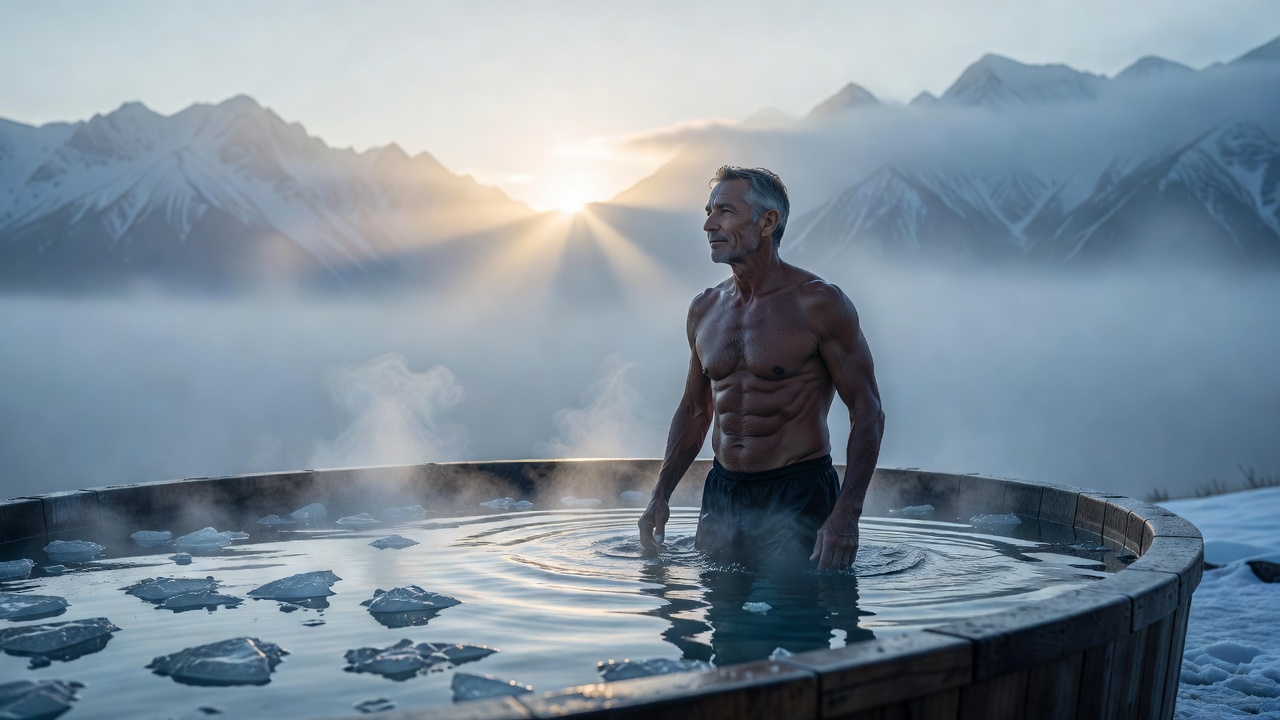
Several approaches exist for cold therapy. Natural cold water immersion, such as ice baths or outdoor dips, offers full-body exposure and is highly effective for recovery. Cryotherapy chambers provide extreme cold via nitrogen vapor but require professional facilities. Cold showers serve as an accessible entry point with milder effects. Comparisons reveal that immersion methods often yield stronger metabolic benefits, while cryotherapy allows precise temperature control. Beginners should start with showers before progressing to baths or clinical options. Natural immersion also builds mental toughness through gradual adaptation, whereas whole-body cryotherapy sessions last only two to three minutes but reach temperatures as low as -200°F. Each method carries unique advantages depending on accessibility, cost, and individual goals.
Step-by-Step Implementation for Beginners
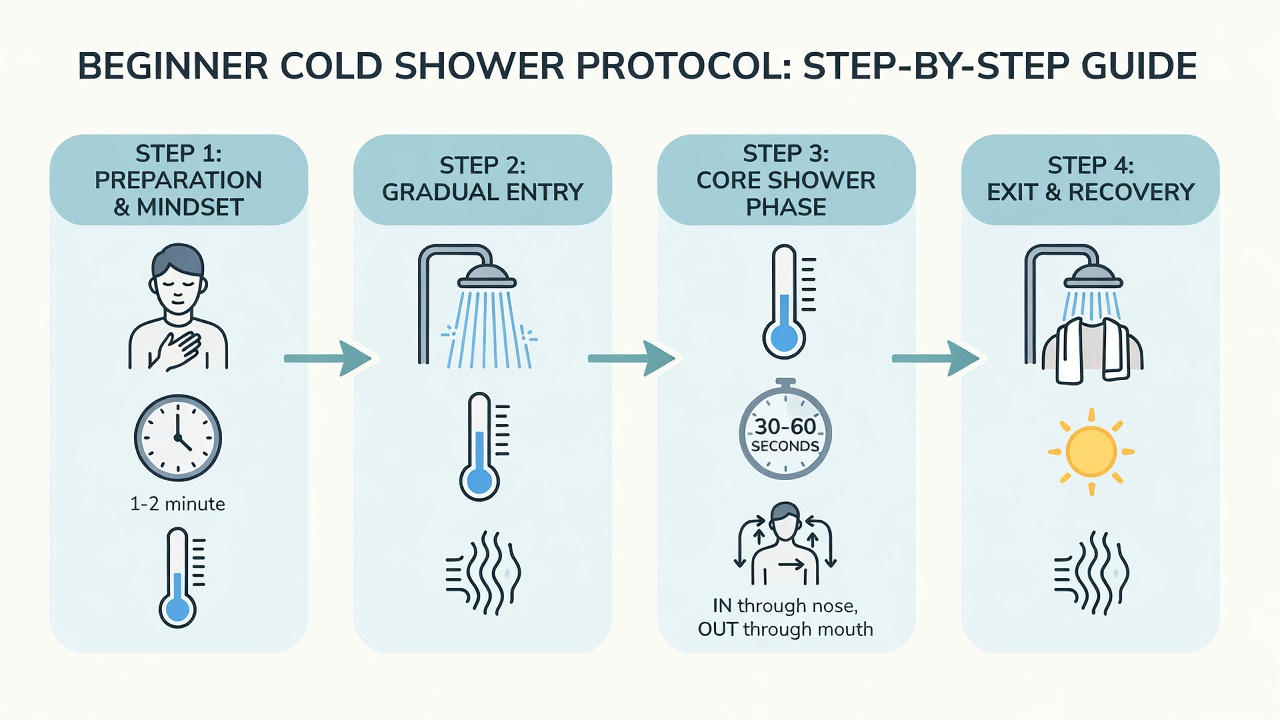
Start with cold showers: End your regular shower with 30 seconds of cold water, gradually increasing duration. Focus on breathing steadily to manage discomfort. For ice baths, begin at 59°F (15°C) for 1-2 minutes, using a thermometer for accuracy. Always have a towel and warm clothing ready post-session. To build a sustainable routine, incorporate the following progression: Week one focuses solely on ending showers cold for 30-60 seconds. Week two extends this to two minutes while practicing diaphragmatic breathing. By week three, introduce brief ice bath sessions once weekly. Track subjective feelings of energy and recovery daily. Combine with breathwork techniques like the Wim Hof method for enhanced benefits, which involves controlled hyperventilation followed by breath holds to increase tolerance. This structured approach minimizes shock and maximizes adherence.
- Assess your current tolerance with brief cold water exposure during a normal shower.
- Schedule sessions 3-4 times per week, preferably in the morning to boost alertness.
- Monitor how your body responds over the first two weeks using a simple journal.
- Combine with breathwork techniques like the Wim Hof method for enhanced benefits and faster adaptation.
- Progress to full immersion only after consistent shower tolerance is achieved.
Optimal Temperatures and Durations
Effective protocols typically range from 39°F to 59°F (4°C to 15°C). Beginners aim for 1-3 minutes, advancing to 5-10 minutes as adaptation occurs. Frequency of 3-5 sessions weekly balances benefits with recovery. Track skin temperature and subjective comfort to fine-tune. More advanced practitioners may experiment with temperatures down to 32°F for shorter durations of three to five minutes, always prioritizing safety. Research indicates that durations beyond ten minutes provide diminishing returns for most healthspan markers, while consistency matters more than intensity. Seasonal adjustments are useful; colder outdoor water in winter requires shorter exposures, whereas summer allows slightly longer sessions at higher temperatures.
Safety Tips and Common Mistakes to Avoid
Never attempt extreme cold exposure if you have cardiovascular issues without medical clearance. Exit immediately if you feel dizzy or numb. Avoid alcohol before sessions, and always warm up gradually afterward. Common errors include starting too intensely or ignoring progressive adaptation periods, which can last 2-4 weeks. Additional precautions involve never practicing alone near open water, monitoring for signs of hypothermia such as intense shivering that stops, and consulting a physician if you have Raynaud’s disease or high blood pressure. Pregnant individuals and those recovering from surgery should postpone cold therapy until cleared by healthcare providers. Gradual exposure remains the safest path to long-term success.
Progress Tracking and Real-World Examples
Use a journal to log session details, energy levels, and sleep quality. Wearables can monitor heart rate variability as a resilience marker. Case examples include athletes reporting faster recovery and improved focus after consistent 8-week protocols. One individual noted enhanced insulin sensitivity confirmed via bloodwork after incorporating twice-weekly ice baths. Another example involves a 52-year-old office worker who began with cold showers and progressed to three-minute ice baths, reporting reduced joint inflammation and better mood stability within six weeks. A third case featured a runner who combined cold exposure with zone-two training and observed lower resting heart rate alongside improved recovery between runs. These stories illustrate how personalized tracking reveals both objective and subjective gains over time.
Integrating Cold Exposure with Other Longevity Practices
Cold therapy pairs well with practices such as intermittent fasting, resistance training, and meditation. For example, performing a cold shower after a fasted workout may amplify metabolic adaptations. Pairing sessions with mindfulness can further reduce stress hormones. Many longevity enthusiasts combine cold exposure with sauna use in contrast therapy to enhance circulation and cardiovascular resilience. Always allow adequate recovery between contrasting heat and cold stimuli.
FAQ on Cold Exposure Concerns
- How long until I adapt? Most people notice reduced shock response within 2-3 weeks of regular practice, though full adaptation may take four to six weeks.
- Is it safe year-round? Yes, with appropriate precautions for weather and personal health; indoor options make consistency easier.
- Can it replace exercise? No, it complements but does not substitute physical activity or other foundational habits.
- Should I use ice directly on skin? Avoid direct ice contact; always use water immersion or proper cryotherapy equipment.
- What if I have a cold or flu? Pause sessions until symptoms resolve to avoid additional stress on the immune system.
Conclusion
Incorporating cold exposure protocols offers a practical path to better healthspan through reduced inflammation and improved resilience. Begin gradually, stay consistent, and consult professionals as needed to maximize benefits safely. Over weeks and months, these simple practices can contribute to meaningful improvements in metabolic health, recovery, and overall vitality.
No comments yet. Be the first!