 Slow Bio Hack
Introduction: The Hidden Power of Social Bonds in Longevity
Strong social connections are emerging as one of the most reliable predictors of a longer, healthier life. Research consistently shows that meaningful relationships reduce chronic inflammation, lower stress hormones, and improve immune function, directly extending healthspan—the period of life spent free from serious disease. This beginner-friendly guide explores the science behind these effects and provides actionable ways to cultivate longevity-focused networks. Isolation, by contrast, carries risks comparable to smoking or obesity. Understanding these dynamics helps individuals of all ages prioritize community as a core health strategy alongside nutrition and movement. In today’s increasingly digital world, intentional efforts to foster real-world ties can counteract the health declines associated with loneliness, offering benefits that accumulate over years and decades.
Scientific Evidence: How Relationships Influence Healthspan
Multiple large-scale studies link social integration to measurable biological improvements. People with robust support systems exhibit lower levels of C-reactive protein, a key inflammation marker. They also show reduced cortisol output, protecting cardiovascular health and cognitive function over decades. Community support buffers the effects of isolation, which accelerates cellular aging through shortened telomeres and heightened oxidative stress. In comparison, individuals embedded in supportive groups demonstrate slower epigenetic aging clocks. These findings come from longitudinal research involving thousands of participants tracked for 20 years or more. Additional evidence highlights how social engagement modulates gene expression related to immune response, with supportive networks linked to better outcomes in chronic disease management. According to the World Health Organization, social isolation ranks among the top modifiable risk factors for premature mortality globally.
Psychological and Biological Mechanisms Explained
Beyond surface-level mood improvements, social ties trigger oxytocin release, which directly counters stress pathways in the brain. This hormone promotes trust and bonding while dampening the fight-or-flight response that elevates blood pressure and inflammation over time. On a cellular level, frequent positive interactions correlate with longer leukocyte telomere length, a hallmark of slower biological aging. Studies also reveal that group belonging enhances vagal tone, improving heart rate variability and resilience to daily stressors. These mechanisms operate synergistically, meaning even modest increases in social contact can produce compounding health benefits across multiple body systems.
Comparing Social Connections to Exercise and Diet
While regular physical activity and balanced nutrition remain foundational, social engagement delivers complementary and sometimes additive benefits. A daily walk with friends combines movement with emotional support, amplifying results beyond solo exercise. Similarly, shared meals improve dietary adherence while fostering belonging. Data indicate that strong social ties can extend healthspan by 5–7 years on average, rivaling the gains from consistent aerobic training. Diet quality improves when people eat with others, reducing processed food intake through social accountability. The synergy of these factors creates a powerful longevity toolkit. When compared directly, social isolation shows effect sizes on mortality risk similar to those seen with physical inactivity, underscoring why community should receive equal priority in personal health plans.
Building Daily Interactions for Lasting Impact
Start small by scheduling brief, meaningful exchanges. A 10-minute phone call with a family member or neighbor can lower daily stress markers. Incorporate rituals such as morning coffee chats or evening check-ins via video to maintain consistency. Track these habits using a simple journal noting mood and energy levels before and after interactions. Over weeks, patterns emerge showing which connections provide the greatest health returns. For example, professionals who replaced one weekly solo commute with a carpool reported sustained reductions in perceived stress after just four weeks. Retirees who established daily neighborhood walks noted improved sleep quality and fewer doctor visits within two months.
Group Activities That Strengthen Longevity Networks
Join or create recurring group experiences. Options include walking clubs, book discussion circles, volunteer teams, or hobby workshops. These settings naturally encourage repeated contact and shared purpose.
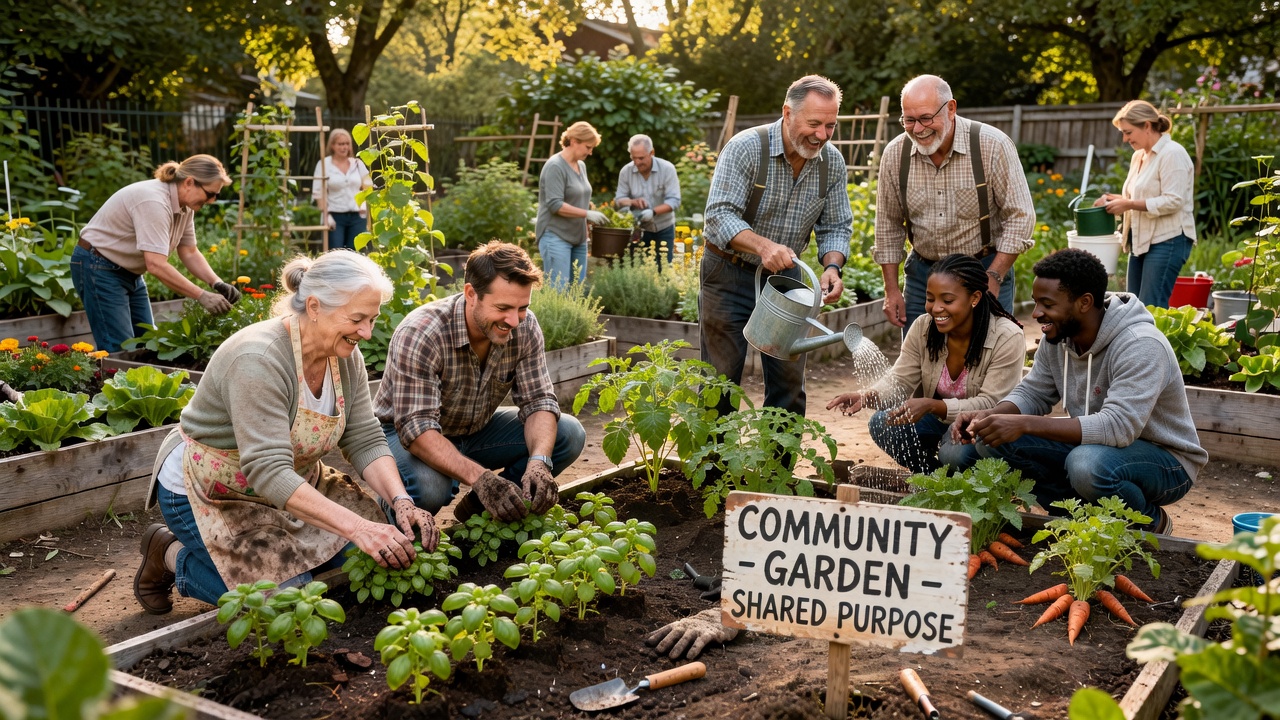
- Weekly community gardening projects combine light activity with social bonding and access to fresh produce.
- Monthly cooking classes focused on anti-inflammatory recipes blend nutrition education with relationship building.
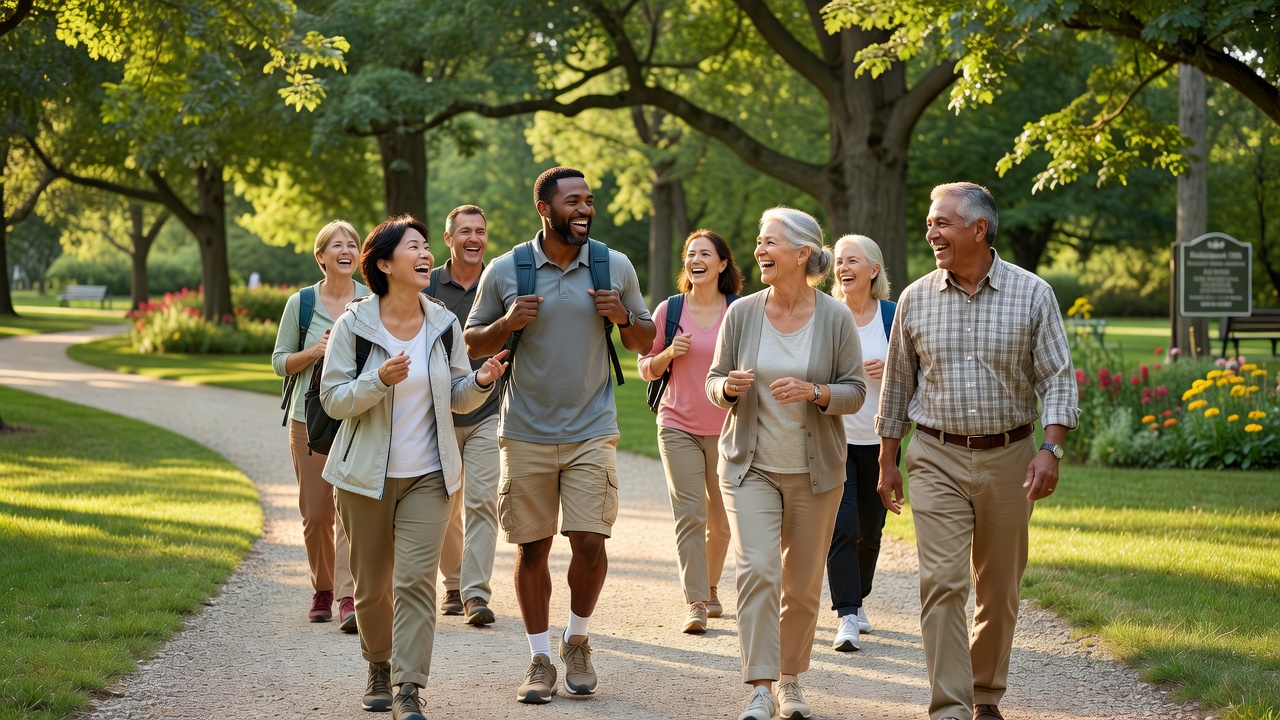
- Local walking groups meeting three times weekly deliver both movement and accountability while exploring new routes.
- Art or music appreciation groups provide creative outlets and regular intellectual stimulation in a supportive environment.
Real-World Case Studies
In one documented community in Okinawa, Japan, tight-knit social circles known as “moai” correlate with exceptional longevity. Members support one another through daily visits, shared meals, and emotional encouragement, contributing to some of the world’s highest rates of centenarians. A U.S.-based program pairing older adults with younger volunteers for weekly activities reported measurable drops in loneliness scores and inflammatory biomarkers within six months. Participants also maintained better physical function compared to control groups. Another initiative in a European city organized intergenerational housing projects where younger residents assisted seniors with technology while receiving mentorship, resulting in lower hospitalization rates for both demographics over a two-year period.
Practical Steps to Create Longevity-Focused Networks
- Identify three existing contacts and schedule recurring low-pressure meetups, such as weekend park visits or virtual coffee sessions.
- Explore local organizations or apps designed for interest-based gatherings to discover people with shared values.
- Host simple events such as potluck dinners to expand your circle organically without high costs or planning demands.
- Volunteer with causes aligned to your values to meet like-minded people while contributing to community well-being.
- Combine social time with health behaviors, such as group hikes or meditation sessions, to maximize time efficiency.
- Reconnect with former colleagues or classmates through alumni networks to revive dormant but meaningful relationships.
Mistakes to Avoid When Building Social Ties
Many people make the error of prioritizing quantity over quality, leading to superficial interactions that fail to deliver health benefits. Another common pitfall is neglecting consistency; sporadic contact does not produce the same physiological effects as regular engagement. Avoid assuming digital communication fully substitutes for in-person meetings, as studies show face-to-face contact yields stronger oxytocin responses. Finally, do not overlook diverse age groups—intergenerational friendships often provide unique perspectives that enrich emotional resilience.
FAQs: Overcoming Common Barriers by Age Group
How can busy professionals in their 30s–40s maintain connections?
Integrate social time into existing routines, such as lunch walks with colleagues or family dinners without screens. Even brief weekly rituals compound over time and can be scheduled during commutes or lunch breaks.
What options exist for retirees facing mobility challenges?
Virtual book clubs, phone trees, and senior center transportation programs provide accessible entry points. Many communities offer free or low-cost group transportation services through local health departments.
Are there measurable outcomes to track progress?
Monitor resting heart rate, sleep quality, and self-reported energy levels monthly. Blood tests for inflammatory markers every six months offer objective data when working with a physician. According to resources from the Centers for Disease Control and Prevention, tracking social engagement frequency alongside these metrics helps quantify improvements in overall well-being.
How do younger adults in their 20s overcome social anxiety barriers?
Begin with low-stakes group activities like hobby meetups or volunteer shifts where structured interaction reduces pressure, gradually building confidence and expanding personal networks.
Conclusion
Prioritizing social connections offers one of the highest-return investments in long-term health. By reducing inflammation and stress while fostering accountability, meaningful relationships extend healthspan in ways that complement traditional lifestyle factors. Begin today with one intentional interaction and build from there, remembering that consistent, quality contact creates the most profound and lasting effects on both lifespan and quality of life.

No comments yet. Be the first!