 Slow Bio Hack
Introduction: Why Your Gut Microbiome Matters for Lifespan
The gut microbiome, consisting of trillions of bacteria, fungi, and other microorganisms, plays a pivotal role in human health and longevity. Research increasingly demonstrates that a diverse and balanced microbiome can reduce chronic inflammation, support cellular repair mechanisms, and extend healthspan—the period of life spent in good health. In 2026, optimizing gut health is emerging as a key strategy for those seeking evidence-based ways to slow aging processes. This comprehensive guide provides beginners with practical nutrition and lifestyle adjustments grounded in science, including detailed food recommendations, supplement insights, a structured 30-day plan, real-world examples, and diet comparisons.
The Science: Microbiome Diversity, Inflammation, and Cellular Aging
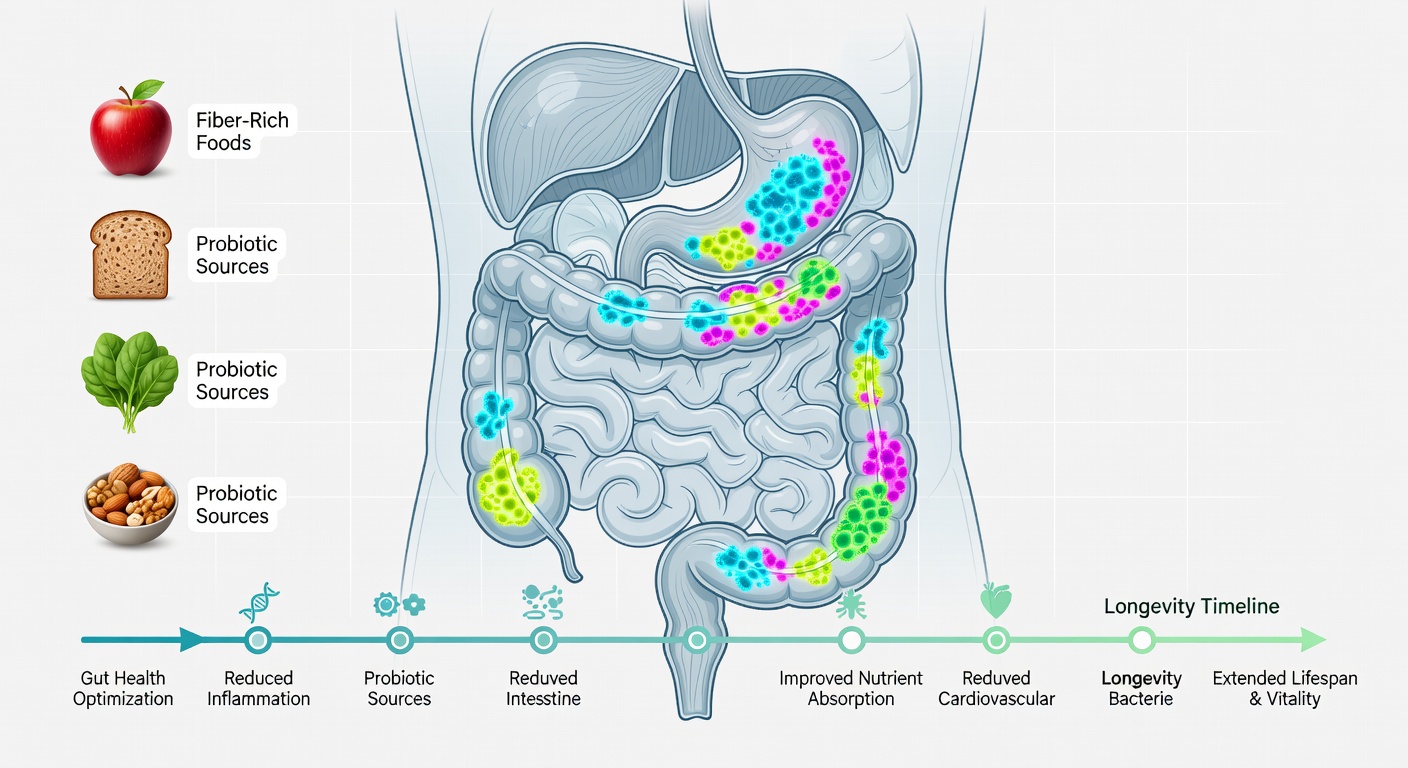
Scientific understanding of the gut-brain axis and microbiome-immune interactions has advanced significantly. Microbial diversity helps produce short-chain fatty acids such as butyrate, which strengthen the intestinal barrier and modulate immune responses. Low diversity is associated with higher levels of pro-inflammatory cytokines, oxidative stress, and accelerated cellular senescence. Studies connect these factors to age-related conditions including cardiovascular disease and cognitive decline. By fostering beneficial bacteria, individuals may experience reduced systemic inflammation and improved mitochondrial function, both critical for longevity. Mayo Clinic resources emphasize the microbiome's influence on overall wellness, while National Institute on Aging publications explore connections to healthy aging trajectories.
Top Prebiotic Foods to Feed Beneficial Bacteria
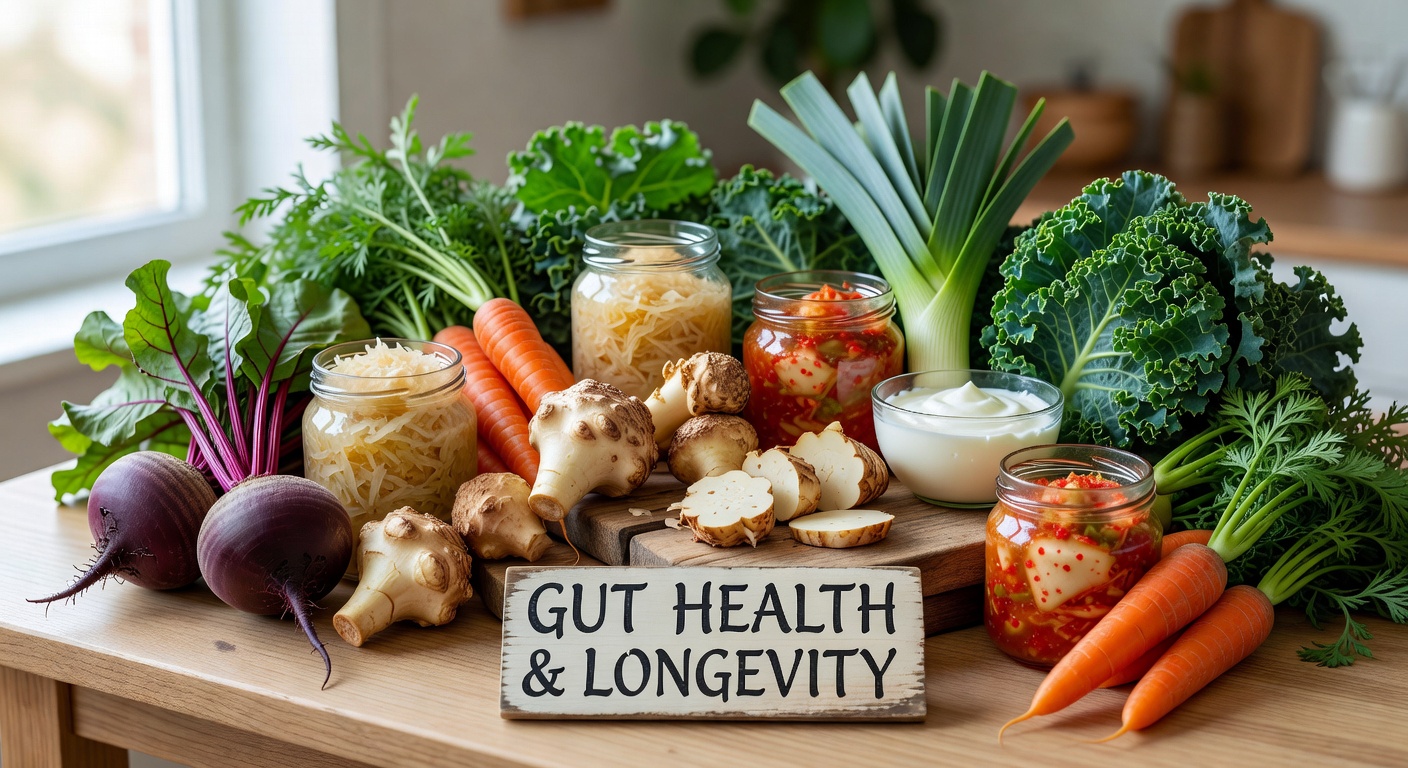
Prebiotics serve as fuel for existing gut microbes, promoting the growth of strains that produce anti-inflammatory compounds. Key foods include garlic, onions, leeks, asparagus, Jerusalem artichokes, bananas, oats, apples, flaxseeds, and chicory root. These contain inulin, fructooligosaccharides, and resistant starch. To maximize benefits, consume a variety daily—such as adding raw garlic to salads or oatmeal with sliced banana. Gradual introduction prevents digestive upset while building tolerance. Aim for consistent intake across meals to support sustained microbial activity and diversity.
Fermented Foods for Probiotic Diversity
Fermented foods deliver live probiotics that can temporarily colonize the gut and enhance diversity. Excellent options encompass sauerkraut, kimchi, kefir, plain yogurt with live cultures, miso, tempeh, kombucha, and natto. For homemade versions, ferment cabbage with salt for sauerkraut or culture milk into kefir using simple starters. Rotate through different types weekly to introduce varied bacterial strains. Begin with small servings, such as two tablespoons of sauerkraut with lunch, and increase as tolerated to avoid initial bloating.
Targeted Supplements for Microbiome Support
When dietary sources fall short, supplements can provide concentrated support. Multi-strain probiotics featuring Lactobacillus and Bifidobacterium species are popular, alongside prebiotic fibers like inulin or resistant starch from potato starch. Polyphenol-rich extracts from berries or green tea may further encourage beneficial bacteria. Always select products with documented strain viability and consult a healthcare professional for personalization, especially if managing existing conditions.
Lifestyle Factors That Complement Microbiome Optimization
Beyond diet, daily habits profoundly influence microbial composition. Regular aerobic exercise, such as brisk walking or cycling for 30 minutes most days, promotes diversity. Quality sleep of seven to nine hours nightly supports microbial rhythms, while chronic stress management through meditation or yoga reduces cortisol's disruptive effects. Avoiding unnecessary antibiotics and limiting processed foods high in additives preserves existing balance.
30-Day Gut Microbiome Optimization Plan
This step-by-step plan builds sustainable habits progressively.
- Days 1-7: Conduct a food audit and add two prebiotic servings daily, such as an apple with breakfast and asparagus at dinner. Track bowel habits in a simple journal.
- Days 8-14: Introduce one fermented food item per day, starting with yogurt or sauerkraut. Increase water intake to support fiber digestion and note any changes in energy levels.
- Days 15-21: Incorporate daily movement and stress reduction. Walk after meals and practice five minutes of deep breathing. Experiment with one new prebiotic vegetable.
- Days 22-30: Evaluate overall progress through symptom notes or optional testing. Fine-tune portions, add a supplement if desired after professional advice, and establish routines for long-term adherence.
Throughout, prioritize whole foods and listen to your body's signals for adjustments.
Real-World Case Examples
Case 1: A 52-year-old office worker with fatigue and joint discomfort increased prebiotic fiber and added daily kimchi. Within six weeks, she reported steadier energy, improved digestion, and reduced inflammation markers during a follow-up checkup. Case 2: A 68-year-old retiree combined fermented kefir smoothies with evening walks and noted better sleep quality plus enhanced mood stability after one month. Case 3: A 45-year-old athlete struggling with recovery incorporated oats and garlic while managing stress through yoga, leading to faster post-workout restoration and greater dietary variety tolerance.
Comparing Popular Diets for Microbiome Health
- Mediterranean Diet: Emphasizes vegetables, fruits, legumes, nuts, olive oil, and fish. High in prebiotics and polyphenols, it consistently supports microbial diversity and is linked to lower inflammation.
- Plant-Based Diets: Excellent for fiber volume from beans, grains, and produce, though careful planning ensures adequate protein and nutrients like B12.
- Ketogenic Diets: May limit certain fibers unless modified with low-carb vegetables and seeds; can reduce some beneficial bacteria without intentional prebiotic inclusion.
- Intermittent Fasting Approaches: When combined with nutrient-dense eating windows, these can enhance microbial resilience and metabolic flexibility.
Individual responses vary, so experimentation with monitoring is recommended.
Tracking Progress and Avoiding Common Pitfalls
Progress can be tracked via symptom journals noting digestion, energy, and sleep, or through periodic microbiome testing kits. Common pitfalls include rushing fiber increases leading to discomfort, overlooking hydration, or neglecting sleep and exercise. Another frequent error is expecting overnight results—microbiome shifts typically require consistent effort over weeks. CDC guidelines on healthy living reinforce holistic approaches that include these elements.
Conclusion
Optimizing the gut microbiome represents a practical, science-supported pathway to enhanced longevity and healthspan in 2026. Through targeted nutrition, lifestyle integration, and structured planning, individuals can foster microbial diversity that combats inflammation and supports graceful aging.
FAQ
How do I track microbiome progress effectively?
Combine daily symptom logging with periodic professional stool analysis for objective insights into diversity changes.
What are the most common mistakes beginners make?
Sudden dietary overhauls without gradual adaptation and ignoring the roles of sleep or stress are frequent issues.
Can supplements replace dietary changes?
Supplements work best alongside whole foods rather than as substitutes for prebiotic and fermented intake.
How long until results appear?
Many notice digestive improvements within two to four weeks, with broader longevity benefits emerging over months of consistency.
Are there risks with fermented foods?
Start slowly if sensitive; those with histamine issues or compromised immunity should seek medical guidance first.

No comments yet. Be the first!