 Slow Bio Hack
Introduction to Longevity Biomarkers in 2026
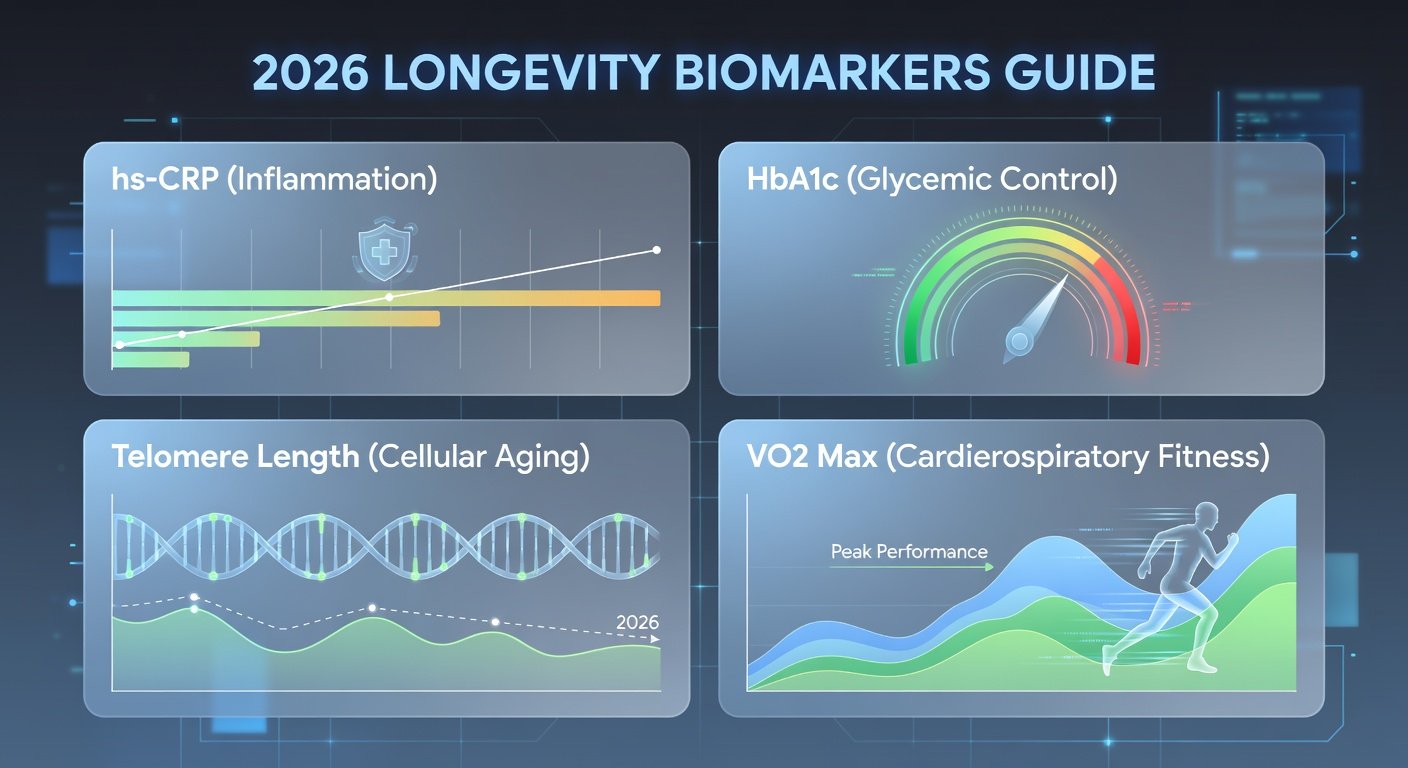
Tracking biomarkers provides measurable insights into healthspan—the period of life spent in good health. In 2026, accessible testing options empower individuals to monitor inflammation, metabolic health, cellular aging, and cardiovascular fitness. This guide focuses on four key markers: hs-CRP, HbA1c, telomere length, and VO2 max, offering practical protocols for beginners seeking data-driven anti-aging strategies. Understanding these indicators allows proactive adjustments that can extend the years of vitality and reduce age-related decline risks. Beginners often start with basic panels before progressing to specialized tests, building a comprehensive personal health dataset over time.
Understanding hs-CRP and Chronic Inflammation
High-sensitivity C-reactive protein (hs-CRP) measures low-grade inflammation linked to accelerated aging and disease risk. Levels above 1 mg/L often signal opportunities for intervention through diet and sleep optimization. Monitoring hs-CRP helps predict longevity by highlighting systemic stress that shortens healthspan. According to guidance from the World Health Organization, chronic inflammation contributes significantly to non-communicable diseases worldwide. In practice, individuals tracking this marker notice correlations with energy levels and recovery speed. For example, elevated readings may prompt reviews of nightly rest patterns or exposure to environmental stressors. Consistent monitoring reveals trends that single snapshots miss, enabling timely lifestyle tweaks before issues compound.
HbA1c as a Metabolic Longevity Marker
HbA1c reflects average blood glucose over 2–3 months. Maintaining levels below 5.5% supports cellular repair and reduces glycation damage. This marker directly correlates with metabolic flexibility, a hallmark of extended healthspan. Resources from the Centers for Disease Control and Prevention emphasize the role of stable glucose in preventing long-term complications. Practical tracking involves noting how meals and activity influence readings across multiple cycles. One common observation is that irregular eating patterns push values higher, while structured timing brings them down steadily. Over months, these shifts compound into noticeable improvements in daily focus and physical resilience.
Telomere Length and Cellular Aging
Telomeres protect chromosome ends; shorter lengths associate with faster biological aging. While not diagnostic alone, trends in telomere length provide context when combined with lifestyle data. Testing reveals how oxidative stress and inflammation impact DNA stability over time. The National Institutes of Health supports research showing that modifiable factors influence telomere attrition rates. Users often combine this data with other markers to form a fuller picture of cellular health. For instance, high stress exposure may accelerate shortening, while recovery practices help maintain length. Annual comparisons help quantify progress and motivate sustained habits rather than short-term fixes.
VO2 Max for Cardiovascular Healthspan
VO2 max measures peak oxygen utilization during exercise and ranks among the strongest predictors of lifespan. Higher values indicate robust heart and lung function. Regular tracking guides adjustments to daily movement patterns for sustained vitality. The American Heart Association highlights cardiorespiratory fitness as a vital sign for overall longevity. Beginners can start with field tests or wearable estimates before advancing to lab protocols. Improvements here often translate to better endurance in routine activities like climbing stairs or carrying groceries. Tracking over quarters shows how incremental changes in routine build substantial capacity without requiring intense regimens.
Step-by-Step Testing Protocols for 2026
Begin with baseline lab panels ordered through primary care or direct-to-consumer services. For hs-CRP and HbA1c, request a fasting blood draw every 3–6 months. Telomere testing uses saliva or blood samples from specialized labs. VO2 max assessments occur via treadmill or cycle ergometer at fitness centers or with validated wearable estimates. At-home options include finger-prick kits for hs-CRP and HbA1c, mailed to certified labs. Schedule tests consistently—morning, fasted—to ensure accuracy. Track results in a digital spreadsheet noting date, value, and recent lifestyle factors. Repeat testing at the same time of year to account for seasonal variations. Always verify lab accreditation and review reference ranges specific to age and sex. If results seem inconsistent, cross-check with a second provider. This methodical approach builds reliable longitudinal data essential for meaningful interpretation.

Practical Lifestyle Interventions to Optimize Biomarkers
Focus on sleep consistency of 7–9 hours nightly to lower hs-CRP. Incorporate time-restricted eating windows of 12–14 hours to improve HbA1c. Support telomere maintenance through stress reduction techniques like meditation. Enhance VO2 max with zone-2 cardio sessions lasting 45–60 minutes, performed 3–4 times weekly. Real-world example: A 48-year-old professional reduced hs-CRP from 2.8 to 0.9 mg/L over six months by prioritizing 8 hours of sleep and adding daily walks. HbA1c dropped from 5.8% to 5.3% after shifting to earlier dinners. Telomere length stabilized, and estimated VO2 max rose 15% following structured training. Another case involved a 62-year-old who integrated short daily movement breaks, resulting in gradual HbA1c stabilization and improved recovery scores on fitness trackers. These interventions demonstrate that small, repeatable actions yield compounding benefits when applied consistently across multiple markers.
Comparing Affordable and Advanced Tracking Tools
Affordable options include basic lab panels and consumer wearables that estimate VO2 max. Advanced approaches involve comprehensive epigenetic testing and clinical cardiopulmonary exercise testing. Beginners benefit from starting with standard bloodwork before upgrading to specialized telomere assays. Cross-reference multiple data points for reliable insights rather than relying on single metrics. Affordable tools often suffice for trend detection, while advanced options provide deeper mechanistic details useful for personalized planning. Weigh factors like convenience, turnaround time, and integration with apps when choosing. Many users combine both tiers for balanced monitoring without excessive cost or complexity.
Case Studies Demonstrating Biomarker Improvements
Case 1: A 55-year-old reduced HbA1c by 0.6 percentage points and increased VO2 max by 8 mL/kg/min through consistent sleep and nutrition timing over nine months. Follow-up testing confirmed sustained hs-CRP reductions. Case 2: A 42-year-old lowered hs-CRP by 65% and lengthened telomeres modestly after six months of stress management and nutrient-dense eating. Daily logs showed correlations between meditation practice and improved readings. Case 3: A 50-year-old achieved stable telomere trends alongside a 12% VO2 max gain by adding weekly outdoor activities. These examples highlight measurable progress without extreme measures and underscore the value of combining markers for holistic assessment.
Interpreting Results and Avoiding Common Pitfalls
Interpret trends over isolated values, considering context like recent illness or travel. Avoid overreacting to minor fluctuations; focus on consistent directional changes. Common mistakes include skipping baseline tests, inconsistent timing, or ignoring lifestyle confounders. Maintain a journal alongside numerical data for richer insights. Consult healthcare professionals when results fall outside expected ranges to rule out underlying issues. This disciplined approach prevents misinterpretation and supports informed decision-making.
Frequently Asked Questions
- How often should biomarkers be tested? Most experts recommend hs-CRP and HbA1c every 3–6 months, telomere length annually, and VO2 max every 6–12 months.
- Are at-home tests accurate? Reputable kits processed by CLIA-certified labs deliver reliable results comparable to clinical settings when instructions are followed precisely.
- Can lifestyle changes meaningfully shift these markers? Yes, consistent habits around sleep, nutrition timing, and movement produce noticeable improvements within 3–6 months for most individuals.
- What influences accuracy of telomere tests? Sample quality, lab methodology, and recent health events can affect readings; repeat tests help confirm trends.
- How does VO2 max testing differ from wearable estimates? Lab tests provide higher precision, while wearables offer convenient ongoing monitoring for trend tracking.
Conclusion
Longevity biomarkers offer a clear roadmap for extending healthspan in 2026. By systematically tracking hs-CRP, HbA1c, telomere length, and VO2 max, individuals gain actionable feedback to refine daily habits. Combine regular testing with targeted interventions for sustainable gains in vitality and lifespan potential. Start with baseline measurements today to build your personalized longevity data set.


No comments yet. Be the first!