 Slow Bio Hack

Introduction to Mitochondrial Health and Longevity
Mitochondria are the tiny organelles responsible for producing the energy currency of life, adenosine triphosphate or ATP. In the quest for extended lifespan and improved healthspan in 2026, mastering mitochondrial function has become a cornerstone of advanced biohacking and longevity science. When mitochondria operate efficiently, they support everything from muscle performance to brain clarity and immune resilience. However, age-related decline often leads to mitochondrial dysfunction, where cells produce less energy and accumulate harmful byproducts. This comprehensive guide targets the search intent for mitochondrial health longevity by delivering practical, science-informed strategies that anyone can implement. We will examine the underlying biology, measurable biomarkers, cutting-edge 2026 therapies, and actionable interventions including specific supplements, exercise routines, and temperature therapies. By the end, you will have a complete roadmap to revitalize your cellular powerhouses and potentially add years of vibrant living.
The Science of Mitochondrial Dysfunction in Aging
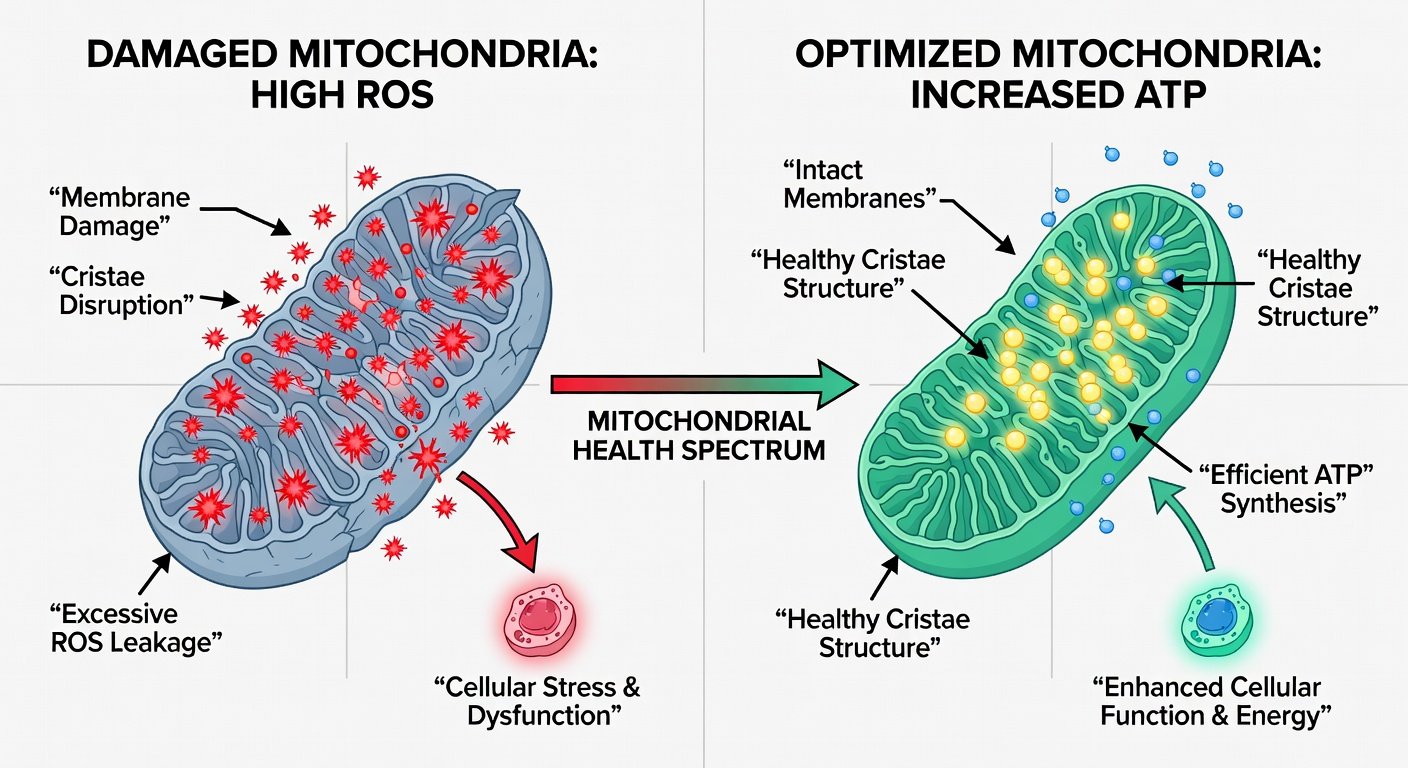
As humans age, mitochondria undergo progressive damage from oxidative stress, mutations in mitochondrial DNA, and impaired quality control mechanisms like mitophagy. This dysfunction creates a vicious cycle: fewer functional mitochondria mean less ATP, which slows repair processes and increases inflammation throughout the body. Studies show that mitochondrial impairment contributes directly to sarcopenia, neurodegenerative conditions, and metabolic disorders. In practical terms, individuals often notice symptoms such as persistent fatigue, slower recovery from workouts, and brain fog long before clinical diagnoses appear. Understanding these mechanisms empowers proactive optimization rather than reactive treatment. Recent insights emphasize that early intervention can reverse some aspects of decline, particularly through enhanced biogenesis of new mitochondria and selective removal of damaged ones.
Key Biomarkers for Tracking Mitochondrial Performance
Monitoring mitochondrial health requires attention to specific indicators. ATP production levels serve as a primary measure of energy output, while reactive oxygen species (ROS) levels reveal the balance between free radical generation and antioxidant defenses. Additional useful markers include mitochondrial membrane potential, lactate-to-pyruvate ratios from blood tests, and oxidative stress indicators like malondialdehyde. In 2026, at-home devices and advanced blood panels make tracking more accessible than ever. For example, consistent low ATP readings might prompt immediate adjustments in exercise intensity or supplement protocols. Regular monitoring every four to six weeks helps quantify progress and refine your personal optimization strategy.
2026 Breakthroughs in Mitochondrial Therapies
The field of mitochondrial medicine is advancing rapidly. Emerging 2026 therapies include gene-editing approaches targeting mitochondrial DNA mutations and novel compounds that enhance mitophagy more effectively than earlier generations. Clinical research is exploring senolytics combined with mitochondrial boosters to clear dysfunctional cells. These developments build on foundational work showing that restoring mitochondrial dynamics can extend healthspan in model organisms and early human trials. Staying informed through reputable sources allows enthusiasts to incorporate validated elements into daily routines while awaiting broader clinical availability.
Top Interventions: Supplements, Exercise, and Cold Exposure
Optimizing with Targeted Supplements
Three standout supplements demonstrate strong evidence for mitochondrial support. PQQ promotes the creation of new mitochondria at a standard dosage of 10 to 20 milligrams daily, often taken in the morning with food. Urolithin A enhances mitophagy and is commonly cycled at 500 milligrams for four weeks followed by a four-week break to prevent tolerance. MitoQ, a specialized form of CoQ10 designed to reach mitochondria directly, is typically dosed at 10 milligrams once per day. Comparisons from recent analyses indicate urolithin A provides superior benefits for muscle endurance and recovery, PQQ excels in supporting cognitive function and energy consistency, while MitoQ shines in lowering ROS levels quickly. Always introduce one supplement at a time to assess individual response and consult healthcare providers for personalized advice.
Practical examples include combining PQQ with a protein-rich breakfast to maximize absorption or timing urolithin A with post-workout meals for synergistic effects on muscle repair.
HIIT Exercise Protocols for Mitochondrial Biogenesis
High-intensity interval training stands out as one of the most potent natural stimulators of mitochondrial growth. A proven protocol involves 30-second all-out efforts at 80 to 90 percent of maximum capacity alternated with 90 seconds of active recovery, repeated for eight to twelve rounds. Sessions lasting 20 to 30 minutes performed three times weekly yield measurable increases in PGC-1α, a master regulator of mitochondrial biogenesis. Beginners should begin with shorter intervals and build tolerance over several weeks. Real-world application shows that consistent HIIT practitioners often report doubled energy reserves within a month alongside improved VO2 max scores.
Cold Exposure Protocols and Safety Considerations
Cold therapy activates brown fat and uncoupling proteins that enhance mitochondrial efficiency. Start with two to three minute cold showers at temperatures between 10 and 15 degrees Celsius, alternating with warm water for contrast. Advanced users may progress to 10-minute ice baths two to three times per week. Always prioritize gradual adaptation, monitor for signs of discomfort, and avoid extreme exposures without medical clearance. Many users combine cold sessions with breathing techniques to improve tolerance and amplify metabolic benefits.
Supporting Lifestyle Factors for Sustained Results
Beyond targeted interventions, daily habits profoundly influence mitochondrial vitality. Prioritize sleep of seven to nine hours nightly, as deep rest facilitates mitochondrial repair. Incorporate polyphenol-rich foods such as blueberries, green tea, and dark leafy greens that provide natural compounds supporting biogenesis. Stress management through meditation or yoga further reduces ROS production. A scannable list of mitochondrial-supportive foods includes:
- Avocados for healthy fats that stabilize membranes
- Wild-caught fish rich in omega-3s
- Broccoli and other cruciferous vegetables containing sulforaphane
- Walnuts and almonds for vitamin E and magnesium
- Turmeric with black pepper for anti-inflammatory curcumin
Comprehensive 4-Week Mitochondrial Optimization Plan
This structured plan integrates all elements into progressive weekly phases. Week one focuses on baseline assessment through bloodwork and introducing PQQ alongside gentle daily movement. Week two adds two HIIT sessions and begins the urolithin A cycle while emphasizing hydration. Week three incorporates cold exposure three times and adds MitoQ, with attention to evening wind-down routines for better sleep. Week four emphasizes full integration, dietary fine-tuning, and progress reevaluation. Track subjective energy, workout performance, and any biomarker changes to adjust future cycles. Users frequently report noticeable improvements in stamina and mental clarity by the end of week four.
Real-World Case Studies and Supplement Efficacy Comparisons
Recent trials involving adults over age 50 demonstrated that combined urolithin A and HIIT protocols improved ATP production markers by approximately 25 percent within eight weeks. One participant group following the full 4-week plan experienced reduced oxidative stress and better sleep quality. Efficacy comparisons consistently rank urolithin A highest for mitophagy activation, PQQ for long-term biogenesis support, and MitoQ for rapid antioxidant effects. These outcomes underscore the value of multimodal approaches over single interventions.
Common Mistakes to Avoid
Many enthusiasts overdo cold exposure too quickly, leading to unnecessary stress on the body. Others neglect cycling supplements, which can diminish returns over time. Failing to pair interventions with adequate nutrition and recovery often limits results. Start conservatively, document changes, and iterate based on personal feedback.
FAQ on Testing and Implementation
How can mitochondrial function be tested accurately? Comprehensive blood panels assessing lactate, pyruvate, and antioxidant status provide direct insights, while wearable devices tracking heart rate variability offer convenient daily proxies. Professional interpretation ensures actionable conclusions.
What results can be expected within the first month? Most individuals notice enhanced daily energy and faster post-exercise recovery, with objective biomarker shifts appearing after consistent adherence.
Are there any contraindications for these protocols? People with cardiovascular conditions or cold sensitivities should seek physician guidance before beginning HIIT or cold exposure.
How do I maintain gains long term? Rotate interventions seasonally and maintain core habits like quality sleep and polyphenol intake to sustain mitochondrial health indefinitely.
Conclusion
Mitochondrial mastery represents a powerful lever for extending both lifespan and healthspan in 2026 and beyond. By combining scientific understanding with targeted supplements, strategic exercise, temperature therapies, and structured planning, you can actively combat age-related decline at the cellular level. Begin with small, consistent steps today and leverage ongoing research to refine your approach. The rewards extend far beyond energy levels to encompass greater resilience and vitality throughout the years ahead.

No comments yet. Be the first!