 Slow Bio Hack
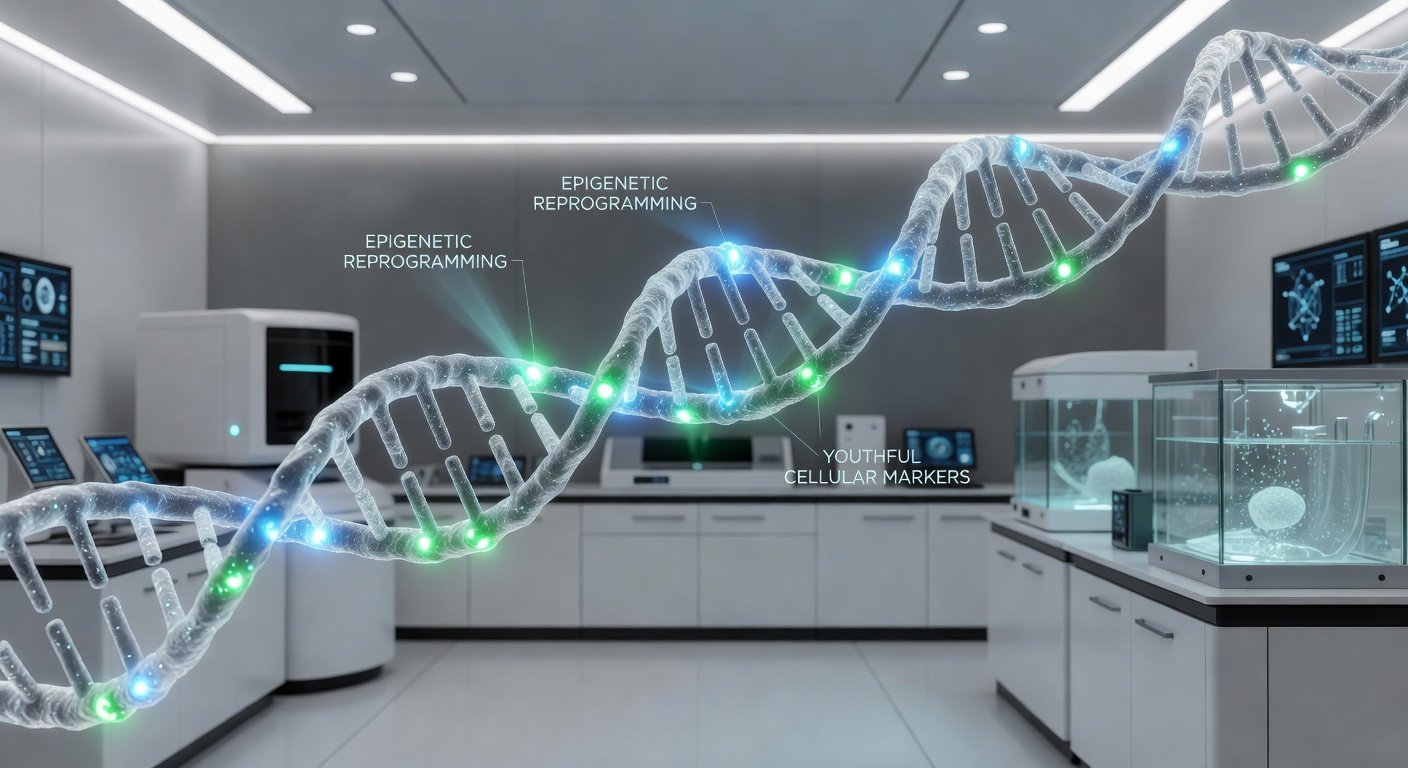
Introduction to Epigenetic Reprogramming for Longevity
Epigenetic reprogramming represents one of the most promising frontiers in anti-aging science as of 2026. For advanced longevity enthusiasts, it offers a pathway to reverse biological age by resetting cellular markers without altering DNA sequences. This guide delves into the mechanisms, recent advances, and actionable strategies to leverage these insights for improved healthspan.
Understanding Epigenetic Clocks and Biological Age
Epigenetic clocks analyze DNA methylation patterns to estimate biological age, which often diverges from chronological age. These tools, refined through ongoing research, help quantify how lifestyle and interventions influence cellular aging. National Institutes of Health resources provide foundational studies on methylation-based aging metrics.
Healthspan focuses on years of vitality rather than mere lifespan extension. Epigenetic clocks reveal how factors like stress or diet accelerate or decelerate this process, enabling targeted interventions.
2026 Breakthroughs in Partial Yamanaka Factor Reprogramming
Partial cellular reprogramming using Yamanaka factors (Oct4, Sox2, Klf4, and c-Myc) has advanced significantly. Researchers now apply transient expression to rejuvenate cells while avoiding full dedifferentiation risks. This approach shows potential in restoring youthful gene expression profiles in tissues like skin and muscle.
Key 2026 developments include optimized delivery methods that enhance safety and efficacy in preclinical models, paving the way for human trials.
Practical Lifestyle Hacks to Support Epigenetic Health
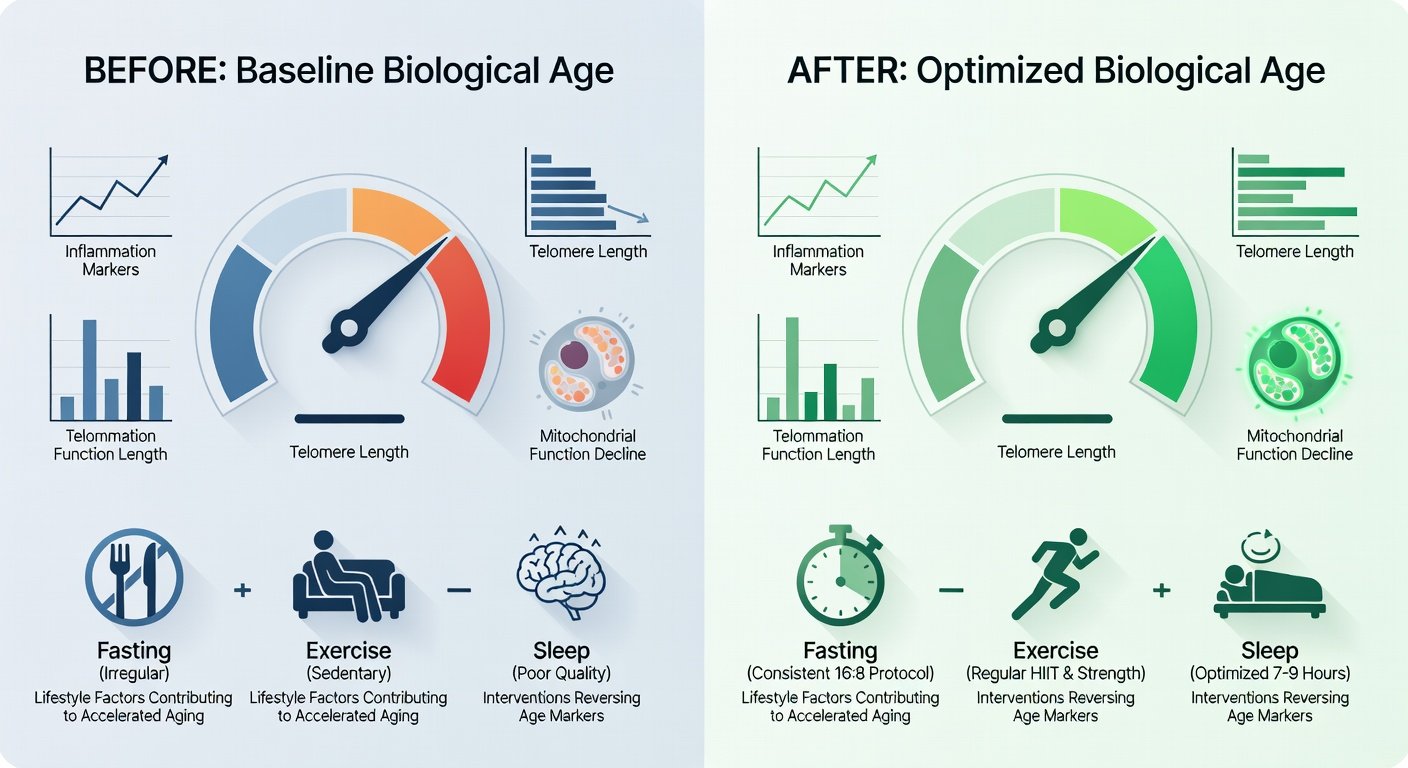
- Intermittent fasting protocols that promote autophagy and methylation balance.
- Resistance and aerobic exercise routines shown to influence clock readings positively.
- Sleep optimization and stress reduction techniques like meditation.
At-Home Testing Kits and Emerging Clinic Therapies
Accessible kits allow users to track methylation changes over time. Clinic-based therapies, including partial reprogramming infusions, are emerging with real-user reports of improved energy and biomarkers. Case studies highlight individuals achieving measurable reversals through combined approaches.
Diet Versus Supplements: A Comparison for Epigenetic Optimization
Whole-food diets rich in polyphenols often outperform isolated supplements by providing synergistic compounds. However, targeted supplements like NMN or resveratrol can complement diets when used strategically, based on individual test results.
Step-by-Step Protocol to Reduce Epigenetic Age by 5+ Years
- Baseline testing with a reliable clock kit.
- Implement a 16:8 fasting window combined with daily movement.
- Incorporate anti-inflammatory foods and monitor progress quarterly.
- Consult specialists for advanced therapies if needed.
- Track and adjust based on follow-up results.
Frequently Asked Questions
What are typical costs for therapies?
Emerging options vary widely and may involve substantial investment as of 2026-05-10; always verify current clinic details.
Is the process safe?
Partial reprogramming prioritizes safety through controlled protocols, though professional oversight is essential.
How do I track progress effectively?
Regular epigenetic testing combined with healthspan metrics provides the clearest picture.
Conclusion
Epigenetic reprogramming empowers proactive age reversal. By integrating 2026 insights with personalized protocols, enthusiasts can meaningfully extend healthspan and vitality.
No comments yet. Be the first!