 Slow Bio Hack
Introduction to Hormone Optimization for Longevity
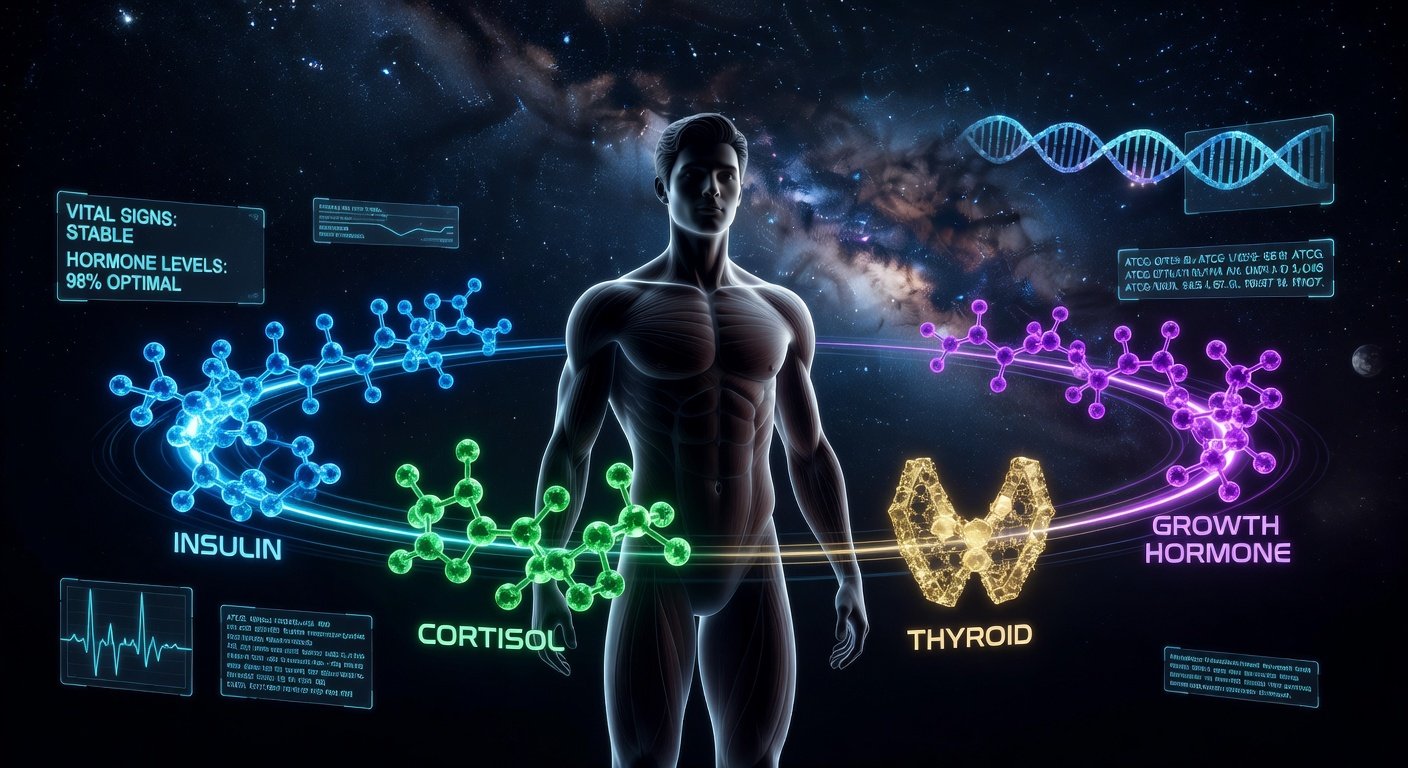
In 2026, the quest for extended healthspan has evolved beyond basic exercise and diet. Hormone optimization stands at the forefront of anti-aging science, targeting insulin, cortisol, thyroid hormones, and growth hormone (GH) to combat age-related decline. These chemical messengers regulate metabolism, stress response, energy, and cellular repair. Imbalances accelerate aging, but precise balancing can add healthy years to your life.
Recent advancements in at-home diagnostics and personalized therapies make hormone optimization accessible. This guide dives deep into diagnostics, natural strategies, advanced interventions like bioidentical hormone replacement therapy (HRT), dosing guidelines, real-world study results, and integration tips. Whether you're 30 or 70, optimizing these hormones could redefine your longevity trajectory.
Key Hormones for Longevity and Their Roles
Four hormones dominate longevity discussions: insulin (metabolic gatekeeper), cortisol (stress modulator), thyroid (energy regulator), and GH (repair orchestrator). Each influences the others, creating a symphony that, when harmonious, promotes vitality.
- Insulin: Controls blood sugar. High levels (insulin resistance) promote inflammation and fat storage, shortening telomeres.
- Cortisol: Manages stress. Chronic elevation erodes muscle, bone, and immunity.
- Thyroid (T3/T4): Drives metabolism. Hypothyroidism slows everything, mimicking accelerated aging.
- Growth Hormone: Peaks in youth, declines with age. Low GH impairs recovery and lean mass.
2026 Diagnostics: Precision Testing at Your Fingertips
By 2026, diagnostics have revolutionized with continuous monitoring wearables and AI-driven blood spot tests. Devices like next-gen Oura rings or Whoop bands now track real-time cortisol via sweat analysis, while thumb-prick kits from companies like Everlywell measure insulin sensitivity, TSH (thyroid), and IGF-1 (GH proxy) weekly.
Comprehensive panels include:
- Blood tests: Fasting insulin (<5 μU/mL ideal), HbA1c (<5.3%), free T3 (3.0-4.2 pg/mL), cortisol diurnal curve (AM peak 10-20 μg/dL).
- Saliva/stool: For cortisol patterns and microbiome links to thyroid.
- DEXA scans: Track GH-related body composition.
AI apps interpret data, flagging imbalances before symptoms arise. For authoritative baselines, consult resources from the National Institutes of Health (NIH).
Natural Protocols: Diet, Lifestyle, and Supplements
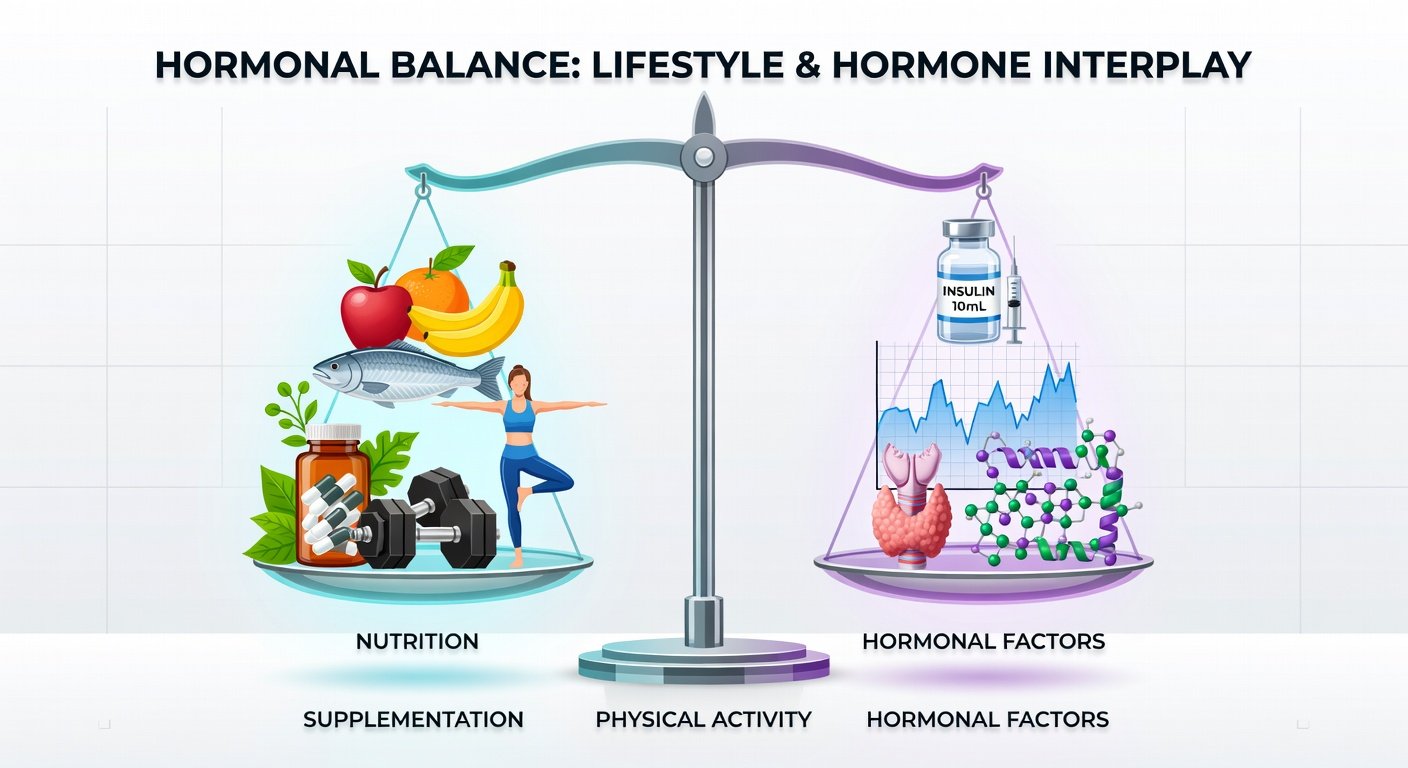
Start with foundational tweaks before therapies. These protocols lower insulin, balance cortisol, boost thyroid, and stimulate GH naturally.
Dietary Strategies
Insulin Optimization: Adopt a low-glycemic, ketogenic or intermittent fasting (IF) approach. Time-restricted eating (16:8 window) reduces insulin by 30%, per studies. Prioritize fiber-rich foods: berries, nuts, leafy greens. Avoid spikes from refined carbs.
Cortisol Control: Anti-inflammatory Mediterranean diet with omega-3s (salmon, walnuts). Limit caffeine post-noon.
Thyroid Support: Iodine-rich seaweed, selenium (Brazil nuts), zinc (oysters). Go gluten-free if autoimmune.
GH Boost: High-protein (1.6g/kg bodyweight), arginine-rich foods (turkey, seeds) before bed.
Sample Daily Meal Plan:
- Breakfast (IF skip): Avocado-egg scramble.
- Lunch: Grilled chicken salad with olive oil.
- Dinner: Fatty fish, broccoli, sweet potato.
- Snacks: Greek yogurt, almonds.
Supplements with Evidence
Backed by meta-analyses:
| Hormone | Supplement | Dosage |
|---|---|---|
| Insulin | Berberine | 500mg 3x/day |
| Cortisol | Ashwagandha | 300-600mg/day |
| Thyroid | Selenium + Zinc | 200mcg + 30mg/day |
| GH | GABA + Arginine | 3g + 5g pre-bed |
Always test levels first. For thyroid insights, reference the Mayo Clinic.
Lifestyle Hacks
- Exercise: HIIT 3x/week for GH/insulin; yoga for cortisol.
- Sleep: 7-9 hours; GH pulses during deep sleep.
- Cold exposure: Ice baths lower insulin resistance.
Advanced Therapies: Bioidentical HRT and Dosing
For stubborn imbalances, bioidentical HRT mimics natural hormones, safer than synthetics.
Insulin Sensitizers
Metformin (500-2000mg/day) or GLP-1 agonists like semaglutide (0.25-2.4mg/week). Monitor kidneys.
Cortisol Management
HPA-axis support via adaptogens; rarely, low-dose hydrocortisone (5-10mg AM) for Addison's-like states.
Thyroid Replacement
NDT (Natural Desiccated Thyroid) or T4/T3 combo. Start T4 50mcg, titrate to TSH 0.5-2.0 mIU/L.
Growth Hormone Therapy
Subcutaneous GH (0.1-0.4mg/day) or peptides like Ipamorelin (200-300mcg/night). IGF-1 target: 150-250 ng/mL. Physician-supervised only.
Bioidentical protocols personalize via genetic testing (e.g., COMT for cortisol metabolism).
Real-World Results from Recent Studies
2024-2026 trials illuminate outcomes:
- Insulin: CALERIE study extension showed 15% calorie restriction (mimicking low-insulin) extends lifespan markers by 10-15%.
- Cortisol: Ashwagandha reduced cortisol 23% in stressed adults, improving sleep (Journal of Evidence-Based Integrative Medicine).
- Thyroid: T3 therapy boosted metabolism 12% in hypothyroid elderly (Endocrine Society data).
- GH: Peptide trials (e.g., Tesamorelin) increased lean mass 5%, reduced fat 15% in HIV lipodystrophy, applicable to aging.
A 2025 meta-analysis on PubMed-linked studies (PubMed) confirmed multi-hormone optimization adds 5-8 healthspan years.
Integration Tips for Personalized Longevity
1. Baseline test quarterly.
2. Track symptoms: Fatigue? Check thyroid/cortisol.
3. Stack protocols: IF + berberine for insulin; sleep + peptides for GH.
4. Avoid pitfalls: Over-supplementing selenium (thyroid toxicity); ignoring estrogen/progesterone in women.
5. Consult endocrinologists; monitor with apps like InsideTracker.
FAQs
Q: Is HRT safe long-term? Yes, bioidenticals are, with monitoring.
Q: Natural first or HRT? Natural always; escalate if needed.
Q: Cost? Basics $50/month; advanced $300+.
Conclusion: Your Path to 2026 Longevity
Hormone optimization isn't futuristic—it's now. Balance insulin, cortisol, thyroid, and GH through diagnostics, naturals, and targeted therapies for measurable healthspan gains. Start with tests, implement protocols, and track progress. In 2026, longevity is engineered—one hormone at a time.
No comments yet. Be the first!