 Slow Bio Hack
Introduction to Sauna Therapy for Longevity
As interest in evidence-based anti-aging strategies grows, sauna therapy has emerged as a powerful tool for extending healthspan. In 2026, research continues to highlight how regular heat exposure can mimic exercise benefits, activate protective cellular pathways, and support cardiovascular health. This guide provides detailed protocols tailored for beginners and advanced users aiming to leverage sauna use for lifespan extension. Heat therapy works primarily through the induction of heat shock proteins (HSPs), which help repair damaged proteins and reduce inflammation. Studies link consistent sauna sessions to lower risks of cardiovascular disease and improved metabolic function, making it a practical addition to any longevity routine. Beyond basic relaxation, sauna use triggers systemic adaptations that include better vascular elasticity, enhanced mitochondrial efficiency, and reduced chronic inflammation markers over time.
Longevity researchers emphasize that sauna protocols should be personalized based on age, fitness level, and health status. Integrating sauna sessions into weekly routines has shown promise in observational cohorts for delaying age-related decline. Users often report improved recovery, better sleep quality, and elevated mood after several weeks of adherence. This comprehensive approach covers not only the science but also actionable steps, common pitfalls, and ways to measure outcomes through reliable biomarkers.
Traditional vs Infrared Saunas: Key Differences
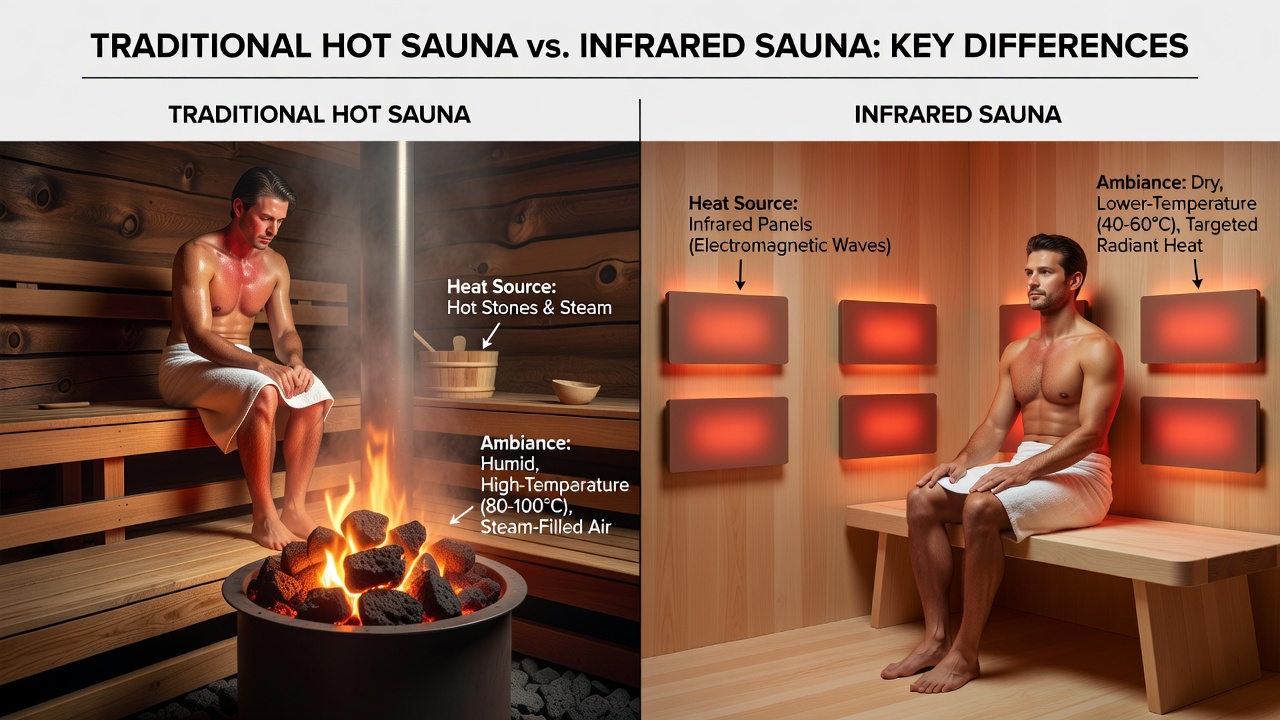
Traditional Finnish saunas operate at higher temperatures with low humidity, typically 80–100°C, while infrared saunas use lower temperatures around 45–60°C to penetrate tissues directly. Both types stimulate HSP activation, but traditional saunas may offer stronger cardiovascular conditioning due to the intense heat stress. Infrared models heat the body more efficiently at milder settings, which can reduce the risk of overheating for sensitive individuals. In 2026 comparisons, traditional units excel at inducing profuse sweating and deeper core temperature elevation, whereas infrared options provide gentler, sustained warmth that some users prefer for longer sessions. Choice often depends on home setup constraints, budget considerations, and personal heat tolerance. Many longevity enthusiasts maintain access to both types to alternate based on recovery needs and seasonal factors.
Maintenance and accessibility also differ. Traditional saunas require proper ventilation and higher energy use, while infrared cabins are more compact and easier to install in smaller spaces. Understanding these distinctions helps users select the modality that aligns best with their protocol goals.
Cardiovascular Benefits and Heat Shock Protein Activation
Regular sauna use improves endothelial function and reduces blood pressure, similar to moderate aerobic exercise. Heat exposure triggers HSPs like HSP70 and HSP90, which protect against oxidative stress and support cellular resilience. These mechanisms contribute to reduced all-cause mortality rates observed in long-term observational data. For lifespan extension, aim for protocols that consistently elevate core body temperature without causing excessive strain. Additional benefits include improved arterial compliance, lower LDL oxidation, and enhanced nitric oxide production, all of which support heart health. Heat shock proteins also play roles in protein folding and autophagy, processes that decline with age but can be upregulated through repeated thermal stress. Clinical observations from 2026 indicate measurable improvements in heart rate variability after 8–12 weeks of consistent use, particularly when sessions are timed post-exercise or during fasting windows.
Optimal Temperature, Duration, and Frequency
For longevity-focused protocols, maintain temperatures between 80–90°C in traditional saunas or 50–60°C in infrared units. Sessions of 15–20 minutes, 4–7 times per week, yield the best results according to current evidence. Beginners should prioritize shorter exposures to build tolerance gradually. Frequency matters more than extreme duration; daily moderate sessions often outperform infrequent long ones for sustained HSP activation. Hydration status, electrolyte balance, and post-session cooling protocols further influence outcomes. Monitoring perceived exertion and core temperature proxies like skin flush helps optimize each visit.
- Beginners: Start with 10-minute sessions at moderate heat, 3 times weekly.
- Intermediate: Progress to 20 minutes, 4–5 sessions per week.
- Advanced: Incorporate 30-minute sessions or contrast therapy with cold exposure, up to daily use.
Step-by-Step Protocols for Beginners and Advanced Users
Beginner Protocol: Hydrate well beforehand with electrolyte-rich fluids, enter the sauna at 70°C for 10 minutes, exit to cool down for 5 minutes, repeat once. Monitor heart rate and exit if discomfort arises. Track session notes in a journal including time, temperature, and how you feel afterward. After four weeks, extend sessions by five minutes if recovery remains strong.
Intermediate Protocol: Use 80°C traditional or 55°C infrared for 15–20 minutes, four times weekly. Incorporate breathing techniques such as slow nasal inhales to manage heat stress. Follow each session with a 10-minute cool-down walk or light stretching.
Advanced Protocol: Use 85–95°C for 20–30 minutes, followed by cold plunge or shower. Integrate with fasting or post-workout timing to amplify HSP response. Track progress via biomarkers like CRP levels or VO2 max. Some practitioners add infrared sessions on alternate days for active recovery, creating a hybrid weekly schedule that balances intensity and restoration.
Comparing Sauna Use to Exercise
Sauna sessions provide passive cardiovascular stress akin to moderate exercise, improving heart rate variability and insulin sensitivity. However, they do not replace strength training or aerobic activity. Combining both maximizes healthspan gains. Evidence suggests 20 minutes of sauna use can equate to roughly 30 minutes of jogging in terms of cardiovascular load, though individual responses vary. Sauna therapy complements resistance work by accelerating muscle repair through increased blood flow and reduced soreness. Unlike exercise, sauna use carries lower joint impact, making it suitable for recovery days or those with mobility limitations. Researchers note synergistic effects when sauna follows resistance training, as the combined stressors further elevate growth hormone and HSP expression.
Integration with Other Longevity Habits
Pair sauna therapy with sleep optimization, intermittent fasting, and resistance training. Schedule sessions in the evening to enhance recovery or post-exercise to boost mitochondrial function. Real-world examples include biohackers reporting improved energy and reduced inflammation after 6 months of consistent use alongside NIH-recommended lifestyle interventions. Adding mindfulness practices during sessions or aligning sauna days with higher protein intake days can further support muscle preservation and cognitive health. Community data from 2026 shows that individuals who combine sauna with zone-2 cardio three times weekly achieve faster improvements in resting heart rate and inflammatory markers.
Real-World Examples and Tracking Progress
Users in longevity communities often log sessions via wearables, noting improvements in resting heart rate within 8–12 weeks. Biomarker tracking through blood tests for HSP levels or inflammation markers provides objective feedback. One case involved a 52-year-old who reduced hs-CRP from elevated levels to optimal range after introducing five weekly 20-minute sessions. Another example features an endurance athlete who added post-training sauna to cut recovery time by nearly 30 percent. Consistent logging helps identify personal sweet spots for temperature and frequency.
Mistakes to Avoid
Common errors include skipping hydration, pushing session length too quickly, or ignoring warning signs like dizziness. Overuse without adequate recovery can blunt benefits and increase fatigue. Avoid alcohol before or immediately after sessions, and never use sauna as a substitute for medical treatment of underlying conditions. Beginners sometimes neglect gradual acclimation, leading to early dropout. Proper ventilation and temperature calibration also prevent unnecessary discomfort.
FAQs on Safety, Contraindications, and Biomarkers
Is sauna therapy safe for everyone? Consult a physician first, especially if you have cardiovascular conditions or are pregnant. Avoid if dehydrated or after alcohol consumption. Start with very short exposures to gauge response.
What are common contraindications? Uncontrolled hypertension, recent heart attack, or acute illness preclude use. Start slowly to assess tolerance and consider supervised environments initially.
How to track progress? Monitor biomarkers such as hs-CRP, fasting glucose, and blood pressure monthly. Many use apps integrated with Mayo Clinic guidelines for interpretation. Additional markers like ferritin and homocysteine can reveal broader systemic improvements.
Can sauna replace other health practices? No. It works best alongside balanced nutrition, movement, and sleep hygiene rather than as a standalone solution.
Conclusion
Sauna therapy protocols offer a scalable, research-backed method for lifespan extension in 2026. By following structured approaches to temperature, duration, and frequency while integrating with broader habits, individuals can enhance cardiovascular health and cellular resilience effectively. Consistent application, careful tracking, and attention to safety guidelines ensure sustainable results over the long term.


No comments yet. Be the first!