 Slow Bio Hack

Introduction to Stem Cell Therapy for Lifespan Extension
Stem cell therapy has emerged as a promising intervention for extending both lifespan and healthspan in 2026. Unlike traditional approaches such as diet and exercise, this advanced regenerative technique targets cellular aging at its root. Researchers continue to investigate how stem cells can repair damaged tissues, modulate inflammation, and restore youthful function across organ systems. As the global population ages, interest in evidence-based anti-aging interventions has surged among those seeking proactive solutions beyond basic lifestyle changes. Stem cell protocols in 2026 incorporate the latest findings from ongoing clinical trials, offering personalized pathways for individuals exploring longevity optimization. This guide delves into the science, practical considerations, and real-world applications to help readers understand whether these therapies align with their health goals.
The demand for longevity-focused treatments reflects broader shifts in preventive medicine. Many people now view stem cell interventions as part of a comprehensive strategy that includes nutrition, exercise, and other emerging tools. Understanding the foundational biology helps set realistic expectations about outcomes and timelines.
Mechanisms of Cellular Regeneration in Stem Cell Therapy
Stem cells work primarily through cellular regeneration, replacing senescent or damaged cells with healthy ones. Mesenchymal stem cells (MSCs), in particular, release exosomes and growth factors that promote tissue repair and reduce chronic inflammation. This process supports mitochondrial function and helps maintain genomic stability over time. Additional mechanisms include immune modulation and the stimulation of endogenous repair pathways. By addressing hallmarks of aging such as cellular senescence and stem cell exhaustion, these therapies aim to slow biological aging processes at a molecular level.
Beyond basic replacement, stem cells influence the microenvironment by secreting paracrine factors that signal nearby cells to behave more youthfully. This paracrine effect often proves more impactful than direct differentiation in many clinical settings. For example, in cardiovascular applications, MSCs can improve blood vessel formation and reduce oxidative stress without necessarily becoming new heart muscle cells themselves. Such nuanced actions explain why results can vary based on delivery method and patient baseline health.
2026 Clinical Evidence and Latest Research
Recent studies from 2026 highlight improved outcomes in age-related conditions. Data from sources like clinicaltrials.gov show ongoing trials evaluating stem cell infusions for cardiovascular health and cognitive function. Early results indicate enhanced physical performance and reduced biomarkers of inflammation in participants. Evidence also points to benefits in skin elasticity and joint mobility when protocols combine stem cells with supportive therapies. Regulatory bodies continue to monitor these developments closely to ensure safety and efficacy standards.
Longer-term follow-ups from 2025 trials have begun publishing interim data showing sustained improvements in mobility scores and reduced reliance on certain medications for chronic conditions. Researchers emphasize the need for larger, randomized controlled studies to confirm these trends across diverse populations. Integration with wearable technology for real-time monitoring of biomarkers is also becoming more common in 2026 protocols.
Comparing Stem Cell Therapy to Senolytics and NAD+ Boosters
Senolytics target and eliminate senescent cells, offering a complementary approach to stem cell therapy. While senolytics clear cellular debris, stem cells actively rebuild tissues. NAD+ boosters enhance energy metabolism but do not directly regenerate cells like stem cell interventions can. Many longevity protocols now combine these modalities. For instance, stem cell therapy may follow a course of senolytics to create an optimal environment for engraftment and repair. This synergistic strategy reflects the multifaceted nature of biological aging.
When comparing efficacy, stem cell approaches tend to show broader systemic effects, whereas NAD+ precursors primarily support intracellular energy production. Senolytics excel at reducing the inflammatory burden from zombie cells but may require repeated dosing. Patients often report that combining therapies leads to more noticeable improvements in energy, recovery time, and overall vitality compared to using any single method alone.
Autologous vs Allogeneic Stem Cell Approaches
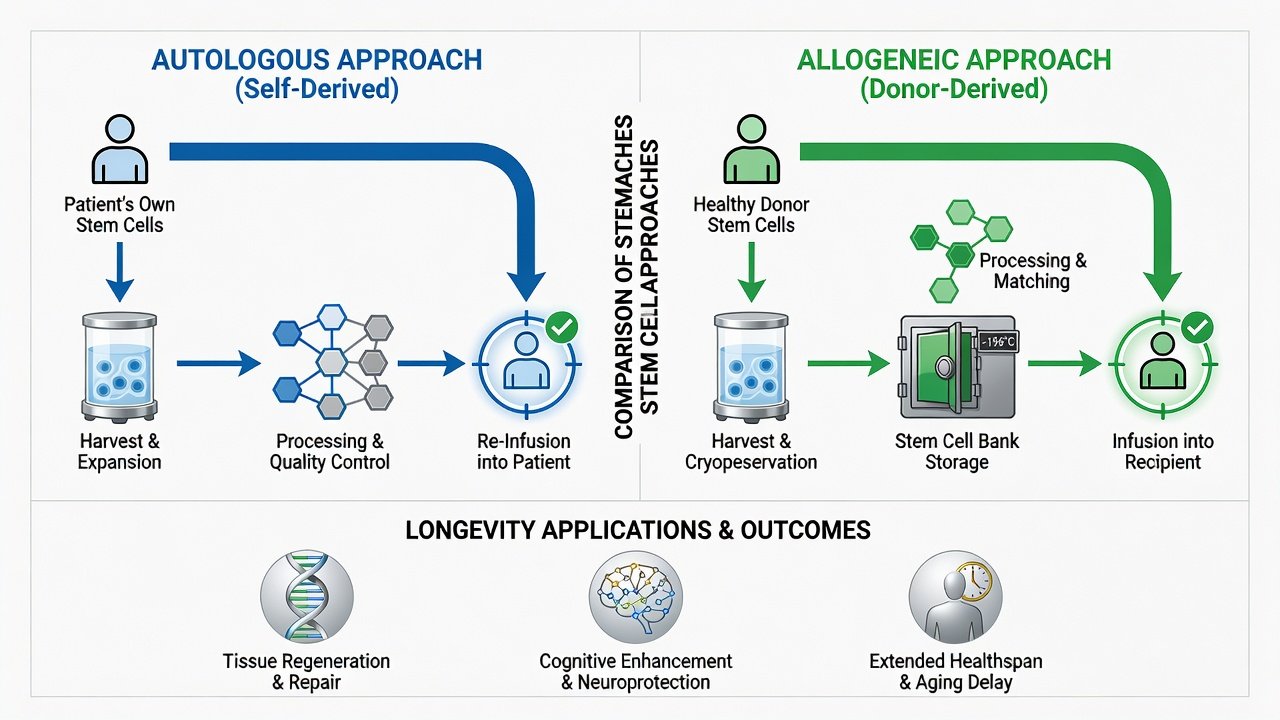
Autologous stem cells, harvested from the patient's own body, minimize rejection risks and align with personalized medicine principles. Common sources include adipose tissue or bone marrow. Allogeneic cells, derived from donors, provide off-the-shelf convenience and standardized dosing but require careful matching to avoid immune responses. In 2026 protocols, autologous options often suit those prioritizing safety, while allogeneic approaches accelerate treatment timelines for international patients. Physicians evaluate factors like age, health status, and treatment goals when recommending one over the other.
Pros of autologous include lower immunogenicity and ethical simplicity, though the harvesting procedure adds time and minor discomfort. Allogeneic cells allow for immediate treatment and potentially higher cell potency from younger donors, yet they carry a small risk of graft-versus-host reactions that must be managed with immunosuppressive protocols in some cases. Decision-making tools such as detailed health questionnaires and genetic screening help clinicians tailor the choice effectively.
Safety Considerations and Regulatory Landscape
Safety remains paramount. Potential risks include infection, immune reactions, or unintended cell proliferation. Clinics following strict good manufacturing practices reduce these concerns significantly. Patients should seek providers compliant with guidelines from organizations such as fda.gov. Regulations vary globally, with some regions advancing faster than others. Consulting resources like stemcells.nih.gov helps individuals understand current standards and approved applications.
Common mistakes to avoid include selecting unregulated overseas clinics without proper oversight or skipping pre-treatment health screenings. Thorough informed consent processes and transparent reporting of adverse events are hallmarks of reputable providers. Post-treatment follow-up for at least six months is recommended to monitor for delayed complications.
Cost Analysis and Accessibility Factors
Costs for stem cell therapies vary widely based on protocol complexity, clinic location, and cell sourcing methods. High-quality treatments often involve comprehensive evaluations and follow-up care. Accessibility continues to improve as more facilities adopt advanced techniques, though insurance coverage remains limited for longevity-focused applications. Prospective patients are encouraged to request itemized estimates that cover cell processing, administration, and monitoring phases.
Patient Case Studies and Real-World Outcomes
Case studies from 2026 illustrate diverse results. One patient in their 60s reported improved energy and joint function after an autologous MSC protocol targeting musculoskeletal decline. Another experienced enhanced cognitive clarity following a combined allogeneic and senolytic regimen. A third case involved a 72-year-old with metabolic concerns who integrated stem cell therapy with NAD+ support and noted better fasting glucose levels within three months. These examples underscore the importance of individualized assessment. Outcomes depend on baseline health, adherence to post-treatment recommendations, and integration with broader longevity strategies. Tracking progress through validated questionnaires and blood panels provides objective feedback on whether the intervention is delivering expected benefits.
Step-by-Step Treatment Pathways
- Initial consultation and biomarker testing to assess aging indicators such as telomere length, inflammatory cytokines, and epigenetic clocks.
- Cell harvesting or donor matching based on chosen approach, including detailed viability assessments of collected material.
- Processing and quality control in a certified laboratory to ensure cell purity and potency meet established thresholds.
- Administration via intravenous or targeted injection methods, often performed under imaging guidance for precision.
- Post-treatment monitoring and supportive therapies for optimal integration, including dietary adjustments and light physical activity plans tailored to the patient's recovery stage.
FAQ on Accessibility and Regulations
Is stem cell therapy legal for longevity purposes?
Legality depends on jurisdiction and specific claims. Many countries permit investigational use under clinical trial frameworks, while others restrict non-FDA-approved applications. Always verify local laws before pursuing treatment.
How accessible are these treatments in 2026?
Specialized clinics worldwide offer protocols, though travel may be required. Telehealth consultations now facilitate initial evaluations for international candidates, streamlining the process considerably.
What regulations govern stem cell clinics?
Agencies like the FDA and equivalent bodies enforce manufacturing and safety standards. Patients are advised to verify clinic credentials before proceeding with any procedure.
Can stem cell therapy be combined with other longevity interventions?
Yes, many protocols integrate stem cells with senolytics, NAD+ boosters, or peptide therapies under medical supervision to maximize synergistic effects.
Conclusion
Stem cell therapy represents a frontier in longevity medicine as of 2026. By understanding mechanisms, comparing options, and following structured pathways, individuals can make informed decisions about integrating these interventions. Continued research promises further refinements in safety and effectiveness for healthspan extension. Those considering treatment should prioritize evidence-based providers and maintain realistic expectations grounded in current clinical data.


No comments yet. Be the first!