 Slow Bio Hack

Introduction to Breathwork for Longevity
Breathwork has emerged as a powerful, accessible tool for enhancing cellular longevity in 2026. By modulating the autonomic nervous system, controlled breathing practices can lower chronic inflammation, optimize mitochondrial efficiency, and build resilience against daily stressors. This guide provides practical, evidence-informed protocols tailored for beginners and advanced practitioners seeking to extend both healthspan and lifespan. Unlike expensive supplements or invasive therapies, breathwork requires no equipment and can be practiced anywhere, making it an ideal underutilized strategy for those focused on proactive aging interventions.
The Science Linking Breathwork to Cellular Health
Controlled breathing influences key biomarkers of aging through multiple physiological pathways. Research shows that practices like slow diaphragmatic breathing activate the parasympathetic response, reducing cortisol levels and pro-inflammatory cytokines such as IL-6 and TNF-alpha. Improved oxygenation supports mitochondrial biogenesis, the process by which cells create new energy-producing mitochondria, which often decline with age. Studies from institutions such as the National Institutes of Health highlight how intermittent hypoxia from certain techniques may trigger adaptive cellular repair mechanisms, including increased production of antioxidants and improved DNA repair.
Stress resilience improves through enhanced heart rate variability (HRV), a strong predictor of longevity. In 2026, wearable data continues to validate these effects, with users reporting measurable gains in recovery scores after consistent practice. Breathwork also influences gene expression related to inflammation and oxidative stress, offering a direct link to cellular longevity. For example, regular sessions can upregulate Nrf2 pathways, which protect cells from damage. This positions breathwork as a complementary approach alongside established methods like caloric restriction or exercise.
Step-by-Step Protocols for 2026
Wim Hof Method
This technique combines deep breathing with cold exposure for hormetic stress that boosts immune function and mitochondrial health. Beginners should practice in a safe environment to avoid hyperventilation risks.
- Find a comfortable seated or lying position and relax your body.
- Perform 30-40 deep breaths: inhale fully through the nose or mouth to fill the lungs, then exhale passively without forcing.
- After the final exhale, hold the breath for as long as comfortable, typically 30-90 seconds initially.
- Take a deep recovery breath and hold for 15 seconds before repeating.
- Complete 3-4 rounds, optionally followed by cold shower exposure for advanced users.
Track progress by noting hold times, which often increase with consistency.
Box Breathing
Popularized by Navy SEALs, this equal-ratio method stabilizes the nervous system quickly and is excellent for midday resets.
- Inhale slowly for 4 seconds through the nose.
- Hold the breath for 4 seconds.
- Exhale completely for 4 seconds through the mouth.
- Hold empty for 4 seconds.
- Repeat for 5-10 minutes, focusing on smooth transitions.
Coherence Breathing
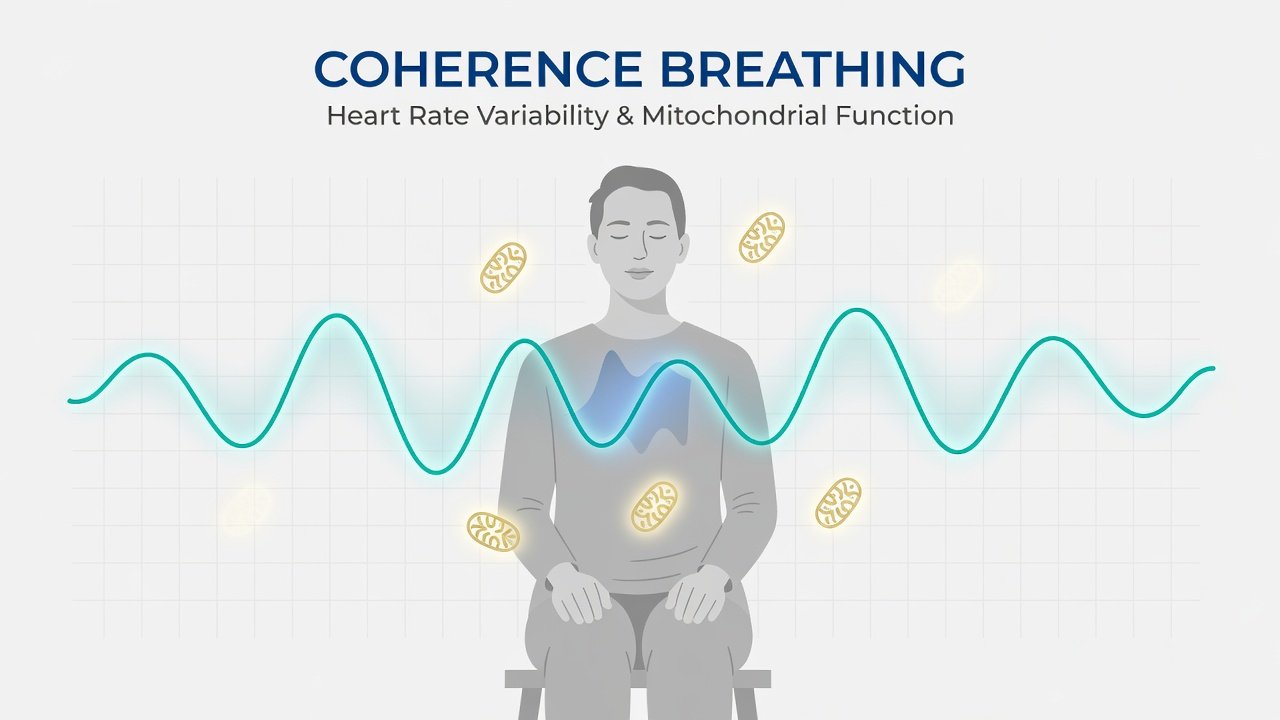
Focuses on 5-6 breaths per minute to achieve heart-brain coherence, ideal for evening wind-down.
- Inhale slowly for 5-6 seconds, expanding the belly.
- Exhale gently for 5-6 seconds, releasing tension.
- Continue for 10-20 minutes while focusing on the heart area or a positive emotion.
Beginner vs. Advanced Variations
Beginners should start with 5-minute sessions of box or coherence breathing to build tolerance and avoid lightheadedness. Focus on nasal breathing and posture. Advanced users can extend Wim Hof rounds to 5 or more, incorporate breath holds during movement like yoga, or layer techniques with visualization. Always progress gradually, perhaps adding one minute per week, to prevent dizziness or panic. Variations include alternate nostril breathing for balance or resonant frequency breathing customized via biofeedback apps.
Sample Daily Routines
Integrate breathwork into existing schedules for sustainable results. A sample weekday routine might look like this:
- Morning (upon waking): 10 minutes Wim Hof for energy and mitochondrial priming before breakfast.
- Midday (after lunch): 5 minutes box breathing to reset stress and improve focus for afternoon tasks.
- Evening (before bed): 15 minutes coherence breathing for recovery and HRV improvement, paired with journaling.
On weekends, extend sessions or combine with nature walks. Track adherence with a simple app or journal to ensure consistency over 8-12 weeks for noticeable biomarker shifts.
Real-World Case Studies
Practitioners tracking biomarkers via continuous glucose monitors and HRV apps report 15-25% reductions in inflammatory markers after 8 weeks of mixed protocols. One 52-year-old executive using daily coherence breathing saw resting HRV rise from 35 to 52 ms, correlating with better sleep scores. Another case involved a 68-year-old woman combining Wim Hof with resistance training, noting improved VO2 max and reduced CRP levels in follow-up bloodwork. These examples illustrate how breathwork complements other longevity tools like fasting or sauna use.
Common Mistakes to Avoid
Many beginners force breaths too aggressively, leading to dizziness—always prioritize smooth, controlled patterns. Skipping warm-ups or practicing on a full stomach can reduce effectiveness. Ignoring progression leads to plateaus, so gradually increase duration. Finally, neglecting to track subjective feelings alongside objective metrics misses the full picture of benefits.
FAQs on Safety and Integration
Is breathwork safe for everyone? Most healthy adults can practice safely with modifications, but consult a physician if you have respiratory conditions, high blood pressure, or are pregnant. How does it integrate with anti-aging routines? Pair it with nutrition rich in antioxidants, strength training, and sleep hygiene for synergistic effects on mitochondrial health. What measurable outcomes can you expect? Improved sleep quality, lower resting heart rate by 5-10 bpm, better focus, and reduced perceived stress within 4-6 weeks of daily practice. Can it replace other longevity interventions? No, it serves best as an adjunct to evidence-based strategies. How long until results appear? Subtle shifts in energy and calm often occur within days, while cellular markers require consistent months.
Conclusion
Breathwork protocols offer a low-cost, high-impact strategy for cellular longevity in 2026. By incorporating these techniques consistently, individuals can enhance mitochondrial function, reduce inflammation, and build lasting stress resilience for a longer healthspan. Start small today and monitor progress to unlock these profound benefits.

No comments yet. Be the first!