 Slow Bio Hack
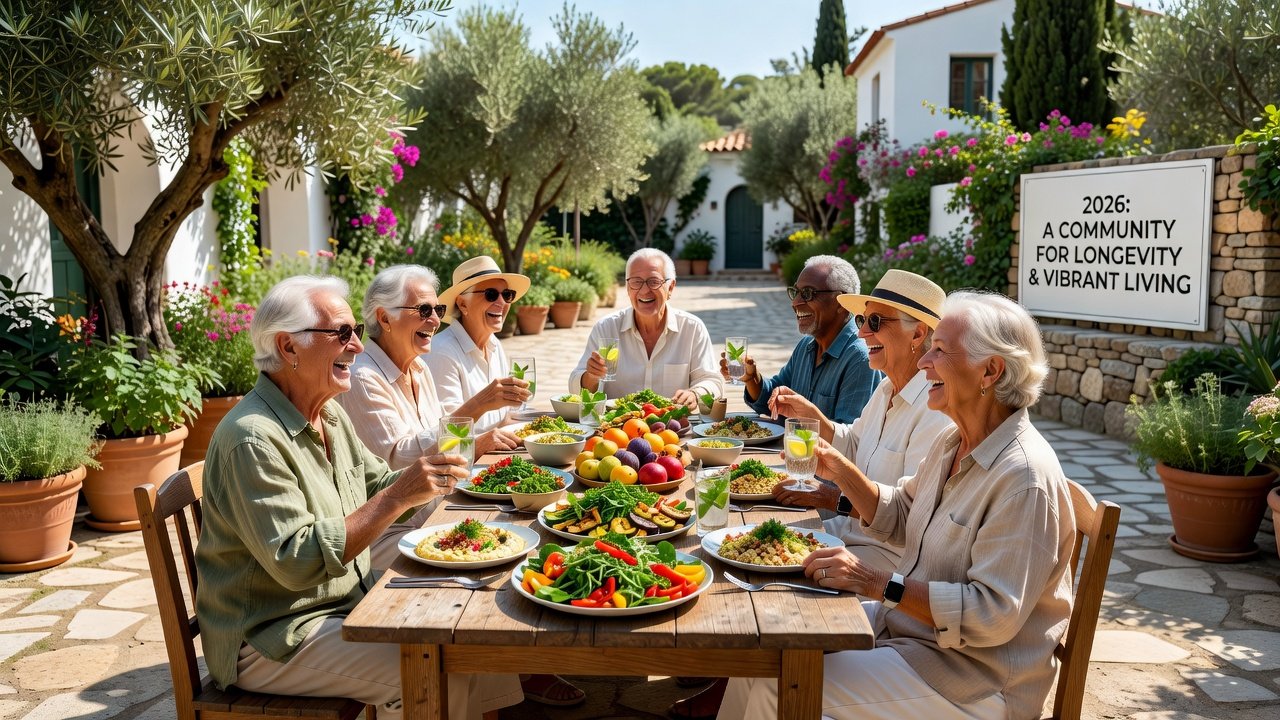
Introduction to Blue Zones and Modern Longevity
Blue Zones are regions identified by researcher Dan Buettner where people live exceptionally long, healthy lives. These areas include Okinawa in Japan, Sardinia in Italy, Nicoya in Costa Rica, Ikaria in Greece, and Loma Linda in California. In 2026, adapting these evidence-based habits offers practical ways to extend healthspan beyond traditional anti-aging methods that often focus on supplements or extreme interventions. The core pillars—plant-slant nutrition, natural movement, community belonging, and stress reduction—align with findings from ongoing studies by organizations like the World Health Organization. This guide provides step-by-step strategies for beginners, including habit stacking techniques and real-world examples from centenarian communities. Many readers seek evidence-based approaches to add healthy years, and Blue Zones principles deliver by emphasizing daily choices over quick fixes.
Understanding the Science Behind Blue Zones in 2026
Recent analyses of Blue Zones populations show that lifestyle accounts for up to 80% of longevity differences compared to genetics. A 2026 review highlighted how these communities maintain low rates of chronic diseases through consistent daily practices rather than medical treatments alone. Case studies from Sardinia reveal shepherds who remain active into their 90s due to terrain-based walking, while Okinawan elders emphasize social rituals like moai groups for emotional support. These findings build on decades of demographic data and continue to influence public health recommendations. Unlike conventional anti-aging approaches that may involve costly therapies, Blue Zones methods emphasize accessibility. They promote sustainable changes that integrate into modern routines without requiring relocation. Researchers note that the combination of factors creates synergistic effects, where better nutrition supports movement and social ties reduce stress hormones that accelerate aging. For 2026 readers, this means focusing on modifiable habits backed by population-level evidence rather than isolated interventions.
Pillar 1: Plant-Slant Nutrition for Daily Energy
Blue Zones diets center on beans, greens, nuts, and whole grains, with meat reserved for occasional celebrations. To adapt this today, start by filling 80% of your plate with vegetables and legumes at each meal. For example, prepare a chickpea stew with seasonal produce instead of processed snacks. Residents in Nicoya often eat corn tortillas with black beans and fresh herbs, providing sustained energy without blood sugar spikes. Habit stacking works well here: pair meal prep with existing routines like Sunday evening planning. Track progress using a simple journal noting energy levels after plant-focused days. Common pitfalls include over-relying on supplements; focus instead on whole foods for fiber and micronutrients that support gut health and longevity markers. Sample adaptation: Replace one daily meat serving with lentils, mirroring Nicoya peninsula habits where beans form dietary staples. Another practical tip involves shopping the perimeter of grocery stores first to prioritize fresh items. Over time, this shift can lower inflammation markers and improve digestion, as seen in longitudinal observations of these communities.
Pillar 2: Natural Movement Patterns Without Gyms
Centenarians in Blue Zones rarely exercise formally but move constantly through gardening, walking, and household tasks. Aim for 30-60 minutes of low-intensity activity daily, such as brisk walks during commutes or standing desks at work. In Okinawa, elders tend gardens daily, incorporating squatting and lifting that maintain muscle and balance. Modern implementation includes incorporating movement into family time, like evening strolls. Compare this to high-intensity gym regimens: Blue Zones approaches yield better adherence and lower injury risks over decades. Use phone reminders for hourly movement breaks to build consistency. Real-world examples show Ikaria residents walking steep hills as part of errands, which naturally builds cardiovascular fitness. This pillar integrates easily into urban settings by choosing stairs over elevators or parking farther away.

Pillar 3: Building Community Belonging
Social connections in Blue Zones reduce isolation-related health risks. Create your own "moai" by scheduling weekly gatherings with friends or joining local clubs. Real-world examples show Ikaria residents maintaining tight-knit groups that encourage healthy behaviors naturally through shared meals and storytelling. Practical steps: Start with one shared meal per week focused on conversation rather than screens. This pillar complements others by providing accountability for nutrition and movement goals. In Loma Linda, faith-based communities offer regular support networks that correlate with extended lifespans. Beginners can leverage apps for local meetups but prioritize in-person interactions for deeper bonds. Studies consistently link strong social ties to lower cortisol levels and better immune function, making this habit foundational for 2026 longevity strategies.
Pillar 4: Effective Stress Reduction Techniques
Daily rituals like prayer, napping, or family time help manage stress in these regions. Try 10-minute mindfulness sessions or gratitude journaling integrated into bedtime routines. Evidence from longevity research supports these for lowering cortisol and improving sleep quality. In Sardinia, afternoon rests allow recovery from physical work, while Okinawan elders practice ancestor veneration as a calming ritual. Avoid pitfalls like multitasking during downtime; dedicate full attention to rest periods for maximum benefit. Another technique involves breathwork during commutes or nature exposure on weekends. These methods prove more sustainable than high-tech relaxation devices for long-term adherence.
Sample Daily Routine and Habit Stacking
Morning: Wake naturally, enjoy a bean-based breakfast, and walk outdoors. Midday: Plant-focused lunch followed by social interaction. Evening: Light activity, family connection, and wind-down ritual. Stack new habits onto old ones, such as adding vegetable prep to your existing coffee routine. For instance, while waiting for coffee to brew, chop greens for the next meal. Tracking methods: Simple apps or notebooks to log adherence weekly, focusing on trends rather than perfection. A sample week might include three plant-slant dinners, four walks, and two group activities to start building momentum without overwhelm.
Common Pitfalls and How to Avoid Them
- Overcomplicating changes—begin with one pillar at a time for sustainable progress.
- Ignoring social aspects, which are as vital as diet for overall health outcomes.
- Expecting quick results; longevity benefits accumulate over years of consistent practice.
- Neglecting sleep; Blue Zones centenarians prioritize rest as a core habit.
- Comparing to others instead of personal baselines, which can lead to discouragement.
Comparison to Conventional Anti-Aging Approaches
While some methods target specific biomarkers with interventions, Blue Zones strategies deliver holistic benefits through lifestyle. They prove more sustainable and cost-effective for most people seeking extended healthspan. Conventional options may offer faster measurable changes in labs but often lack the community and movement elements that foster lifelong adherence. Integrating both can work for some, yet starting with Blue Zones pillars builds a strong foundation that enhances any additional tools.
Frequently Asked Questions
How long until results appear? Many notice improved energy within weeks, with deeper health markers improving over months of consistency as habits compound.
Can this work in urban environments? Yes, by adapting principles like community meetups via apps and local produce sourcing from farmers markets or delivery services.
What if family members resist? Introduce changes gradually through shared meals and activities that feel enjoyable rather than restrictive.
Are supplements necessary? Whole foods provide the primary benefits; supplements are secondary and best discussed with a healthcare provider.
How does this differ from popular diets? Blue Zones focus on lifelong patterns and social context rather than short-term calorie restriction or trends.
Conclusion
Integrating Blue Zones habits offers a proven path to longevity that fits 2026 lifestyles. Start small, stay consistent, and focus on the pillars for lasting impact on health and vitality.


No comments yet. Be the first!