 Slow Bio Hack
Introduction: Purpose as a Longevity Tool
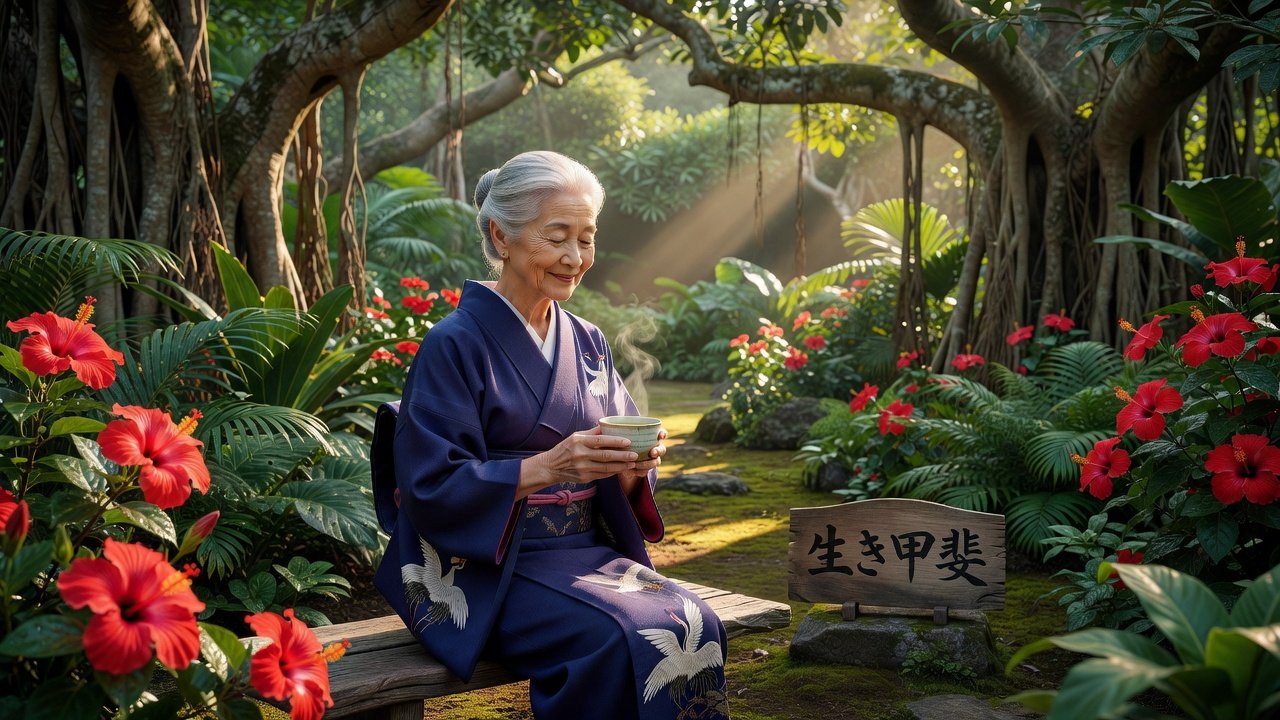
In a world focused on diets and exercise for anti-aging, the Japanese concept of Ikigai offers a powerful, often overlooked path to extending healthspan. Ikigai, meaning "a reason for being," blends passion, skill, and contribution to foster deep meaning in life. Research increasingly links a strong sense of purpose to lower mortality risk and better health outcomes in older adults. This guide explores the science, the four pillars of Ikigai, practical identification exercises, centenarian examples, and daily integration tactics for beginners seeking evidence-based longevity benefits. By the end, you will have concrete tools to start applying Ikigai immediately, whether you are in your 30s or your 70s, to support both mental clarity and physical vitality over decades.
What Is Ikigai and Why It Matters for Healthspan
Ikigai originates from Okinawa, Japan, one of the original Blue Zones where people routinely live past 100 with remarkably low rates of chronic disease. It is not merely a hobby but a holistic alignment of what you love, what you excel at, what the world needs, and what sustains you financially or emotionally. Studies show that individuals with high purpose report fewer chronic conditions and improved resilience against age-related decline. A 2026 analysis of longitudinal data reinforced that purpose-driven living correlates with reduced inflammation markers and enhanced cellular repair mechanisms. When people wake up with a clear sense of direction, cortisol levels tend to stabilize, sleep quality improves, and motivation for healthy behaviors increases naturally, creating a positive feedback loop that supports longer healthspan.
The Four Pillars of Ikigai
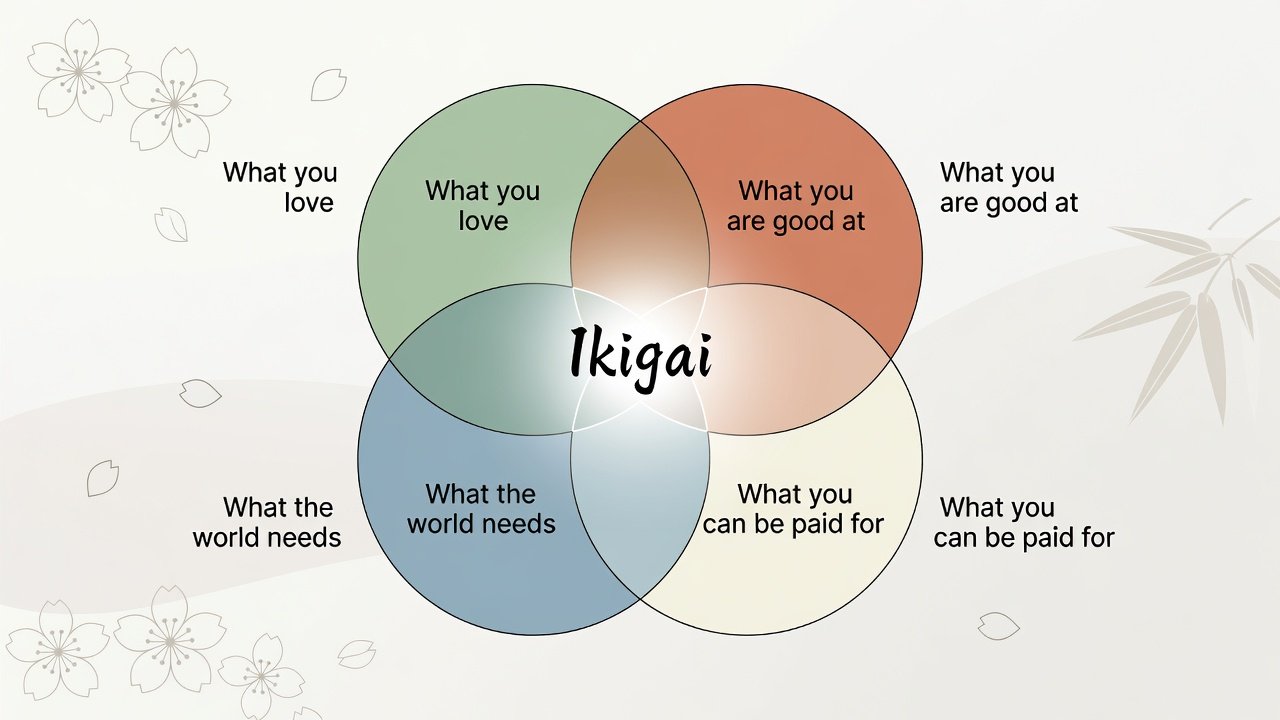
Understanding Ikigai requires examining its core intersections. The framework consists of four overlapping elements that together create a sustainable sense of purpose. These are what you love doing, what you are good at, what the world needs from you, and what you can be rewarded for. The center point where these overlap forms your Ikigai. This framework encourages balance rather than perfection, making it accessible for anyone starting their longevity journey. Many beginners discover that their initial Ikigai evolves over time as life circumstances change, which is normal and healthy. The key is regular reflection to keep the four pillars in alignment.
Scientific Evidence Linking Purpose to Reduced Mortality
Blue Zones research highlights that Okinawan centenarians attribute longevity partly to Ikigai. Broader studies, including those from the National Institutes of Health, demonstrate that high purpose scores associate with a 15-20% lower risk of death from cardiovascular and other causes. Recent 2026 findings further connect meaning in life to slower epigenetic aging clocks, with participants showing measurable improvements in DNA methylation patterns after consistent purpose-building activities. Blue Zones research and NIH resources provide accessible overviews of these connections. Additional meta-analyses have found that purpose also buffers against cognitive decline, with purposeful adults scoring higher on memory and executive function tests well into their 80s and 90s. These benefits appear independent of socioeconomic status, suggesting Ikigai practices can be adopted across diverse populations.
Practical Steps to Discover Your Personal Ikigai
Beginners can follow these actionable exercises to uncover their unique purpose. First, set aside 15 minutes each morning for one week to list activities that energize you, drawing from both childhood memories and recent experiences. Second, identify skills that come naturally by asking trusted friends or colleagues what they see as your strengths. Third, explore community needs by volunteering for short trials in areas like education, environmental care, or elder support. Fourth, experiment with small paid or unpaid projects that combine two or more pillars, such as teaching a skill you enjoy. Fifth, maintain a weekly journal noting energy levels before and after these activities to refine your overlaps. Over 30 days, most people begin to see patterns emerge that point toward a sustainable Ikigai. Track progress in a simple notebook or digital document to build momentum and clarity without overwhelm.
Real-World Examples from Centenarians
Okinawan elders often cite gardening, teaching grandchildren, or community storytelling as their Ikigai. One 102-year-old woman maintained purpose through daily tea ceremonies that fostered social bonds, correlating with her exceptional healthspan and low medication use. Another centenarian in the region described his Ikigai as tending a small vegetable patch and sharing produce with neighbors, which kept him physically active and socially connected. These stories illustrate how modest, consistent purpose outperforms grand ambitions for sustained well-being. Similar patterns appear in other Blue Zones, such as Sardinia, where older shepherds report deep satisfaction from guiding younger generations in traditional practices. These examples demonstrate that Ikigai does not require fame or wealth; it thrives on daily contribution and connection.
Integrating Ikigai into Daily Routines
Start mornings with a five-minute Ikigai visualization, picturing how your chosen activities will unfold. Schedule micro-habits like mentoring a colleague or engaging in creative hobbies midweek to maintain momentum. Combine purpose with movement by walking while reflecting on meaningful questions, or by preparing meals that honor both health and cultural traditions. Evening reviews help adjust activities for better alignment, supporting both mental and physical longevity markers. Over time, these small integrations compound, leading to stronger immune function and greater emotional resilience. Many practitioners also pair Ikigai with existing routines, such as linking purpose reflection to their morning coffee or evening wind-down.
Comparing Ikigai to Other Mindset Strategies
Unlike goal-oriented approaches such as SMART targets, Ikigai emphasizes ongoing fulfillment over endpoints. It complements meditation or gratitude practices by adding actionable contribution layers. Where stoicism focuses on acceptance, Ikigai actively cultivates joy through service, offering a unique edge for anti-aging outcomes. When compared to mindfulness alone, Ikigai adds a forward-looking social dimension that further reduces isolation, a known risk factor for accelerated aging. Practitioners who combine Ikigai with basic strength training or Mediterranean-style eating often report synergistic effects on both energy and longevity biomarkers.
Potential Challenges and How to Overcome Them
Common obstacles include feeling overwhelmed by the four pillars or struggling to monetize an activity. Start small by focusing on just two pillars initially, then expand. Another challenge is societal pressure to pursue high-status careers; remember that Ikigai can exist outside paid work through volunteering or family roles. If motivation wanes, revisit your journal to reconnect with early wins. Consistency matters more than intensity, so even 10 minutes of purposeful activity daily builds lasting habits.
Frequently Asked Questions
How do I measure Ikigai's impact on health?
Monitor energy levels, sleep quality, and annual biomarkers like CRP inflammation. Many notice mood and vitality shifts within 8-12 weeks of consistent practice, with longer-term improvements visible in follow-up medical checkups.
Can Ikigai work without career change?
Absolutely. Most people adapt current roles or add side activities rather than overhaul their lives, preserving stability while enhancing meaning.
Is there an age limit for starting?
No—studies show benefits across all adult age groups, with pronounced effects after 50 when purpose can offset typical age-related declines.
What if my Ikigai changes over time?
That is expected and healthy. Revisit the pillars every few years or after major life events to keep alignment fresh and relevant.
Conclusion
Ikigai transforms longevity from a numbers game into a meaningful pursuit. By aligning passion with purpose, individuals can reduce mortality risks and enhance daily vitality. Begin with the pillars and exercises today to unlock healthspan extension rooted in evidence and tradition. World Health Organization resources on healthy aging further support integrating purpose into public health approaches. With patience and regular reflection, Ikigai becomes a lifelong companion for healthier, more fulfilling years ahead.


No comments yet. Be the first!