 Slow Bio Hack

Introduction to Omega-3 and Healthspan in 2026
Omega-3 fatty acids, particularly the long-chain forms EPA and DHA, have emerged as foundational nutrients for extending healthspan—the period of life spent in good health. These essential fats help modulate inflammation, support cardiovascular resilience, maintain cognitive sharpness, and promote cellular membrane integrity. In 2026, updated research underscores the importance of moving beyond generic daily recommendations toward personalized, evidence-based dosing that accounts for age, baseline inflammation, lifestyle factors, and genetic variations. Individuals seeking longevity benefits now rely on targeted protocols that combine precise supplementation or dietary intake with regular biomarker monitoring. This comprehensive guide synthesizes the latest findings to deliver actionable steps for optimizing omega-3 intake while avoiding common pitfalls such as oxidation or ineffective dosing.
Understanding EPA/DHA Ratios for Optimal Results
The balance between EPA and DHA determines how effectively omega-3s address specific longevity goals. EPA primarily drives anti-inflammatory pathways and cardiovascular protection, while DHA supports neuronal membrane fluidity and cognitive health. Current evidence favors a 2:1 EPA-to-DHA ratio for most adults focused on reducing chronic inflammation and supporting heart function, though ratios closer to 1:1 may benefit those prioritizing brain health. Adjustments should be guided by individual bloodwork rather than fixed formulas. For deeper context on fatty acid research, consult resources from the National Institutes of Health. Emerging 2026 studies also explore how these ratios interact with other nutrients like vitamin D and magnesium to amplify synergistic effects on cellular aging.
Blood Testing Protocols
Accurate assessment begins with the Omega-3 Index test, which measures the percentage of EPA and DHA in red blood cell membranes. Experts recommend maintaining levels at 8% or above to achieve meaningful reductions in cardiovascular risk and inflammatory burden. Testing should occur at baseline, then every three to six months during the first year of a new regimen. Home test kits and clinical labs both provide reliable data when processed through accredited facilities. Beyond the Omega-3 Index, practitioners track additional inflammatory markers to evaluate overall progress and adjust intake accordingly.
Key Inflammatory Markers to Monitor
- CRP (C-reactive protein) – indicates systemic inflammation
- IL-6 (Interleukin-6) – linked to age-related decline
- TNF-alpha – associated with chronic disease progression
- Fasting insulin and HbA1c – for metabolic synergy assessment
These markers together create a clearer picture of how omega-3 dosing influences broader healthspan metrics. 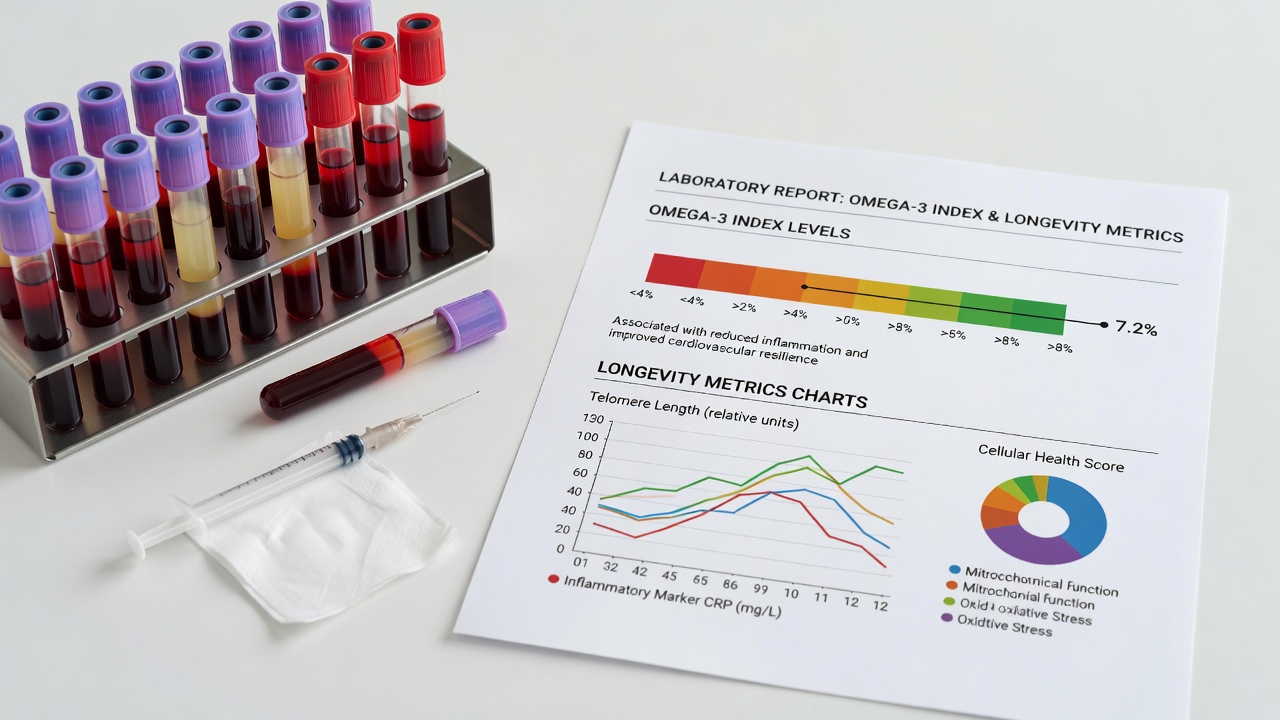
Food Sources Versus Supplements
Whole-food sources such as wild-caught salmon, sardines, mackerel, and anchovies deliver omega-3s alongside protein, selenium, and astaxanthin. However, achieving consistent therapeutic doses through diet alone proves challenging for many due to mercury concerns, taste preferences, and variable fish quality. High-quality supplements provide concentrated, purified EPA and DHA in triglyceride or ethyl-ester forms. When selecting supplements, prioritize third-party tested products verified for potency and purity. Authoritative guidance on safe intake levels can be found through the Mayo Clinic. Algae-based options offer a sustainable alternative for vegetarians while delivering comparable bioavailability.
Dosage Calculations by Age
Dosing requirements increase with age due to declining absorption efficiency and higher baseline inflammation. Adults aged 30–49 typically start with 1,000–2,000 mg combined EPA/DHA daily. Those aged 50–69 often benefit from 2,000–3,000 mg to offset sarcopenia and vascular changes. Individuals over 70 may require up to 3,000–4,000 mg under medical supervision, especially when addressing elevated inflammatory markers. Always titrate gradually over four to six weeks while monitoring tolerance and retesting blood levels. Practical examples include splitting doses across morning and evening meals to improve absorption and minimize gastrointestinal discomfort.
Avoiding Oxidation Risks
Omega-3 fatty acids are highly susceptible to oxidation, which can generate harmful byproducts that counteract longevity benefits. Store liquid or capsule products in dark, airtight containers away from heat and light. Choose formulations stabilized with natural antioxidants such as vitamin E or rosemary extract. Always check expiration dates and discard any supplements that develop a strong fishy odor. Regular sensory checks and adherence to manufacturer storage instructions help maintain product integrity over time.
Synergies with Exercise, Sleep, and Stress Management
Omega-3 intake amplifies the benefits of resistance training by supporting muscle protein synthesis and reducing exercise-induced inflammation. Pairing supplementation with consistent sleep hygiene enhances recovery, lowers cortisol, and improves metabolic regulation. Stress-reduction practices such as meditation or breathwork further potentiate anti-inflammatory effects. Together these lifestyle elements create a compounding effect on healthspan that isolated nutrient strategies cannot match.
Step-by-Step Implementation Plan
- Obtain baseline bloodwork including Omega-3 Index and inflammatory markers.
- Assess current dietary intake and identify gaps in EPA/DHA consumption.
- Select a high-quality source matched to dietary preferences and lifestyle.
- Calculate starting dose according to age and health goals, then begin with half the target amount.
- Integrate supplementation with meals and track adherence for 12 weeks.
- Retest biomarkers and adjust dosage based on results.
- Reassess every six months to maintain optimal levels long-term.
Real-World Case Examples
A 58-year-old executive began with a 2,500 mg daily dose after his Omega-3 Index measured 4.2%. After six months of consistent use combined with twice-weekly strength training, his index reached 9.1% and CRP dropped by 35%. A 47-year-old teacher using a vegan algae supplement at 1,800 mg daily reported improved joint comfort and better sleep architecture within four months when paired with earlier bedtime routines. These cases illustrate how personalization and lifestyle integration drive measurable outcomes.
Comparison Table of Popular Products
| Product Type | EPA/DHA per Serving | Form | Best For |
|---|---|---|---|
| Standard Fish Oil | 1000 mg / 500 mg | Triglyceride | General longevity support |
| High-Potency Fish Oil | 1500 mg / 750 mg | Triglyceride | Higher-dose needs |
| Algae Oil | 800 mg / 400 mg | Triglyceride | Vegan or sustainable options |
| Phospholipid Complex | 600 mg / 300 mg | Phospholipid | Enhanced absorption |
Mistakes to Avoid
Common errors include relying solely on food sources without verifying actual intake, ignoring blood test results in favor of fixed dosing, choosing low-quality or oxidized products, and neglecting to combine omega-3s with supportive habits like exercise. Another frequent oversight is failing to retest periodically, which can leave individuals unknowingly below therapeutic thresholds.
Tracking Progress and Long-Term Maintenance
Successful longevity protocols require ongoing data collection. Maintain a simple journal logging dose, timing, energy levels, and any side effects alongside periodic lab results. Many users also incorporate wearable devices to correlate omega-3 status with sleep quality and heart-rate variability. This feedback loop enables timely refinements that sustain benefits across decades.
Conclusion
Strategic, monitored omega-3 dosing represents one of the most accessible and evidence-supported interventions for extending healthspan in 2026. By understanding ratios, prioritizing testing, choosing quality sources, and integrating supportive lifestyle factors, individuals can achieve meaningful improvements in inflammatory control and overall vitality.
FAQ
What is the best time to take omega-3 supplements?
With a meal containing dietary fat to enhance absorption and reduce aftertaste.
Can I obtain therapeutic doses from diet alone?
Most adults find it difficult without regular consumption of fatty fish several times weekly; supplements often prove necessary.
How quickly do blood levels respond to increased intake?
Measurable changes appear within four to twelve weeks, with full stabilization around three to six months.
Are there interactions with common medications?
Omega-3s may enhance blood-thinning effects; consult a physician if taking anticoagulants.
Should children or pregnant individuals follow the same protocols?
Specialized dosing guidelines apply; professional medical advice is essential in these populations.


No comments yet. Be the first!