 Slow Bio Hack
Introduction to the Mediterranean Diet and Longevity
The Mediterranean diet remains one of the most evidence-backed eating patterns for promoting longevity and healthspan in 2026. Rooted in the traditional cuisines of countries bordering the Mediterranean Sea, it emphasizes whole foods that combat inflammation and support cellular health. Recent studies continue to link consistent adherence to lower risks of chronic diseases and improved biomarkers associated with aging. This approach prioritizes vegetables, fruits, whole grains, legumes, nuts, seeds, olive oil, and moderate seafood while limiting processed foods, sugars, and red meats. Readers seeking practical longevity strategies will find this guide valuable because it translates research into daily actions that enhance lifespan and quality of life.
Beyond basic nutrition, the diet influences gene expression related to aging pathways and supports gut microbiome diversity, which plays a key role in immune function and inflammation control. By focusing on core food groups, strategic meal planning, and integration with lifestyle factors, individuals can optimize their approach for meaningful lifespan extension. This comprehensive resource goes beyond theory to include templates, real-world applications, and troubleshooting tips drawn from both modern research and traditional practices in longevity hotspots.
2026 Research Insights on Inflammation and Biomarkers
Emerging 2026 data reinforces the diet's role in reducing systemic inflammation through high intakes of polyphenols and omega-3 fatty acids. Key biomarkers improved include lower C-reactive protein levels and enhanced telomere length maintenance. World Health Organization resources highlight dietary patterns that align with global healthy aging recommendations. Longitudinal trials show participants experience measurable drops in interleukin-6 and improved endothelial function after consistent adherence for six months or longer.
Researchers note benefits for metabolic health, with participants showing better insulin sensitivity and reduced oxidative stress. These findings underscore why the diet supports both lifespan and healthspan when followed long-term. Additional studies link the pattern to lower incidence of neurodegenerative conditions through mechanisms involving brain-derived neurotrophic factor and reduced amyloid accumulation. For those tracking progress, annual blood panels often reveal favorable shifts in lipid profiles and fasting glucose within the first year of adoption.
Core Food Groups for Optimal Results
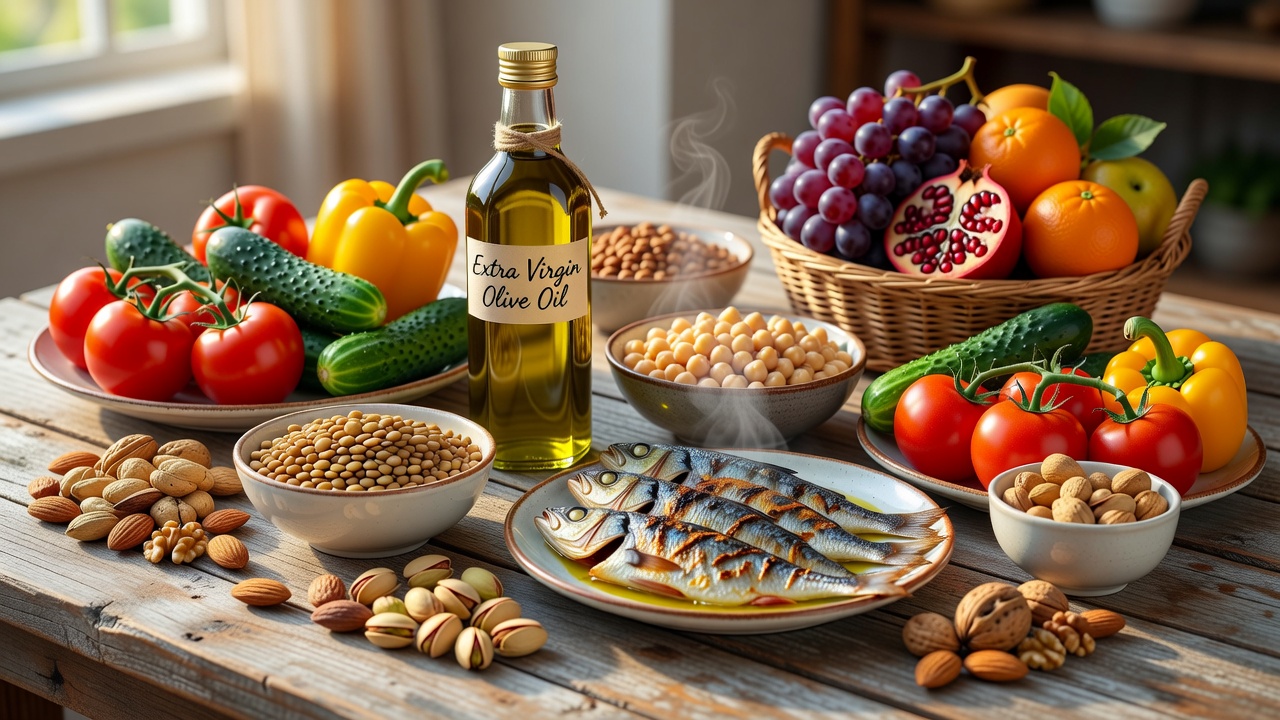
Prioritize plant-based foods as the foundation. Vegetables, fruits, whole grains, legumes, nuts, and seeds should comprise the majority of intake. Extra virgin olive oil serves as the primary fat source, while fish and poultry are consumed moderately. Red meat and processed foods are minimized. Each group contributes specific compounds: leafy greens provide nitrates for vascular health, berries deliver anthocyanins for cognitive protection, and legumes supply resistant starch that feeds beneficial gut bacteria.
- Vegetables and fruits: Aim for colorful variety daily for antioxidant benefits, targeting at least five servings.
- Whole grains and legumes: Provide sustained energy and fiber, with examples like barley, farro, lentils, and chickpeas.
- Healthy fats: Olive oil, avocados, and nuts support heart and brain health; use two to four tablespoons of olive oil per day.
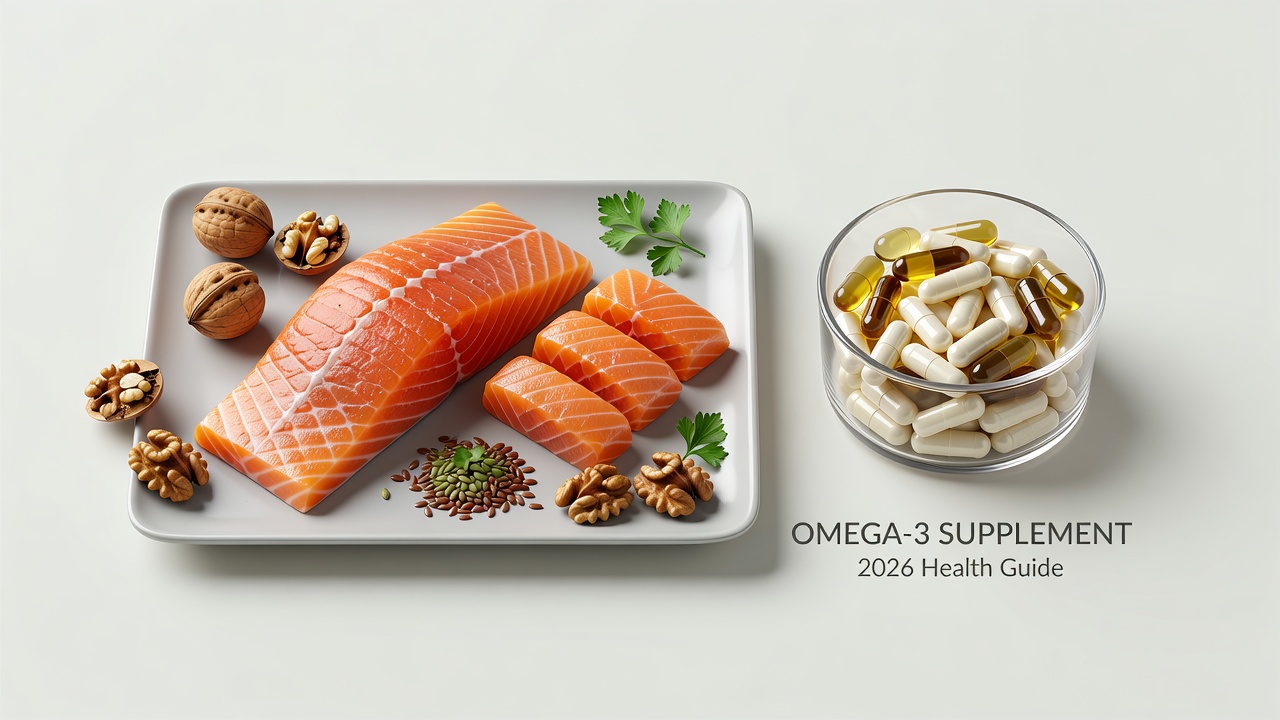
- Seafood: Fatty fish like salmon deliver essential omega-3s twice weekly to combat inflammation.
- Dairy and herbs: Moderate yogurt or cheese for calcium, plus fresh herbs like oregano and rosemary for flavor and phytonutrients.
Meal Planning Templates and Portion Strategies
Build balanced plates using the half-vegetables, quarter-protein, quarter-whole grain model. Breakfast might feature Greek yogurt with berries and walnuts. Lunch could include a quinoa salad with olive oil dressing and grilled fish. Dinner often centers on lentil soup paired with seasonal vegetables and a small serving of whole-grain bread. Portion awareness helps maintain calorie balance without restriction. Use smaller plates for visual cues and track hunger signals rather than strict calorie counting.
A sample weekly template rotates proteins and incorporates seasonal produce to prevent monotony. Monday: chickpea stew with spinach; Tuesday: baked mackerel with roasted tomatoes; Wednesday: vegetable frittata with feta. Snacks such as a handful of almonds or sliced apple with tahini keep energy steady. For busy individuals, batch-cook grains and chop vegetables on weekends to streamline assembly. Adjust portions based on activity level—active adults may increase whole grains slightly while maintaining emphasis on produce.

Integration with Exercise for Enhanced Longevity
Pair the diet with regular movement such as walking and resistance training. Blue zone residents naturally combine daily physical activity with their eating habits, amplifying anti-aging effects. Aim for 150 minutes of moderate activity weekly alongside strength sessions twice per week. Walking after meals improves postprandial glucose control, while resistance exercises preserve muscle mass that naturally declines with age. Combining these habits creates synergistic benefits: the diet supplies nutrients for recovery, and exercise enhances mitochondrial function and insulin sensitivity further.
Step-by-Step Adoption Plan
- Assess current diet and identify swaps, like replacing butter with olive oil or chips with nuts.
- Stock pantry with staples: olive oil, beans, herbs, whole grains, and canned tomatoes for quick meals.
- Plan three meals daily plus snacks like nuts or fruit, using a simple rotation of five core recipes.
- Incorporate social elements by sharing meals with family to mirror traditional practices.
- Track progress with simple biomarkers or journaling every four weeks, noting energy, sleep, and digestion.
- Adjust based on energy levels and consult professionals for personalization if managing conditions like diabetes.
- Reassess after three months and introduce variety such as new vegetable preparations to sustain adherence.
Real-World Examples from Centenarian Regions
In Sardinia, Italy, daily meals feature homemade bread, beans, garden vegetables, and moderate wine consumed with family. Ikaria, Greece, emphasizes herbal teas, wild greens, potatoes, and social dining that reduces stress hormones. These patterns correlate with high life expectancy and low rates of age-related decline. Okinawa shares similar plant-forward principles with sweet potatoes and soy, though the Mediterranean version uniquely highlights olive oil and fish. Adopters in non-Mediterranean climates can replicate success by sourcing local equivalents like using canola oil blends when olive oil is scarce or focusing on frozen produce for year-round access.
Common Mistakes to Avoid
Many beginners over-rely on olive oil without balancing calories or neglect vegetable variety, leading to plateaus. Another pitfall is choosing refined grains labeled as Mediterranean rather than true whole grains. Avoid processed "Mediterranean" packaged foods high in sodium. Instead, prepare from scratch when possible and read labels carefully. Finally, inconsistent adherence undermines benefits; aim for 80 percent compliance rather than perfection to maintain sustainability.
FAQ: Addressing Myths and Tracking Progress
Is the Mediterranean diet suitable for all ages?
Yes, it adapts well across life stages with portion adjustments for energy needs and can be modified for vegetarian preferences by emphasizing legumes and nuts.
How do I track progress effectively?
Monitor weight, energy, sleep quality, and annual bloodwork for inflammation markers; consider apps that log food variety rather than calories alone.
Does it require expensive ingredients?
No, focus on affordable staples like beans, seasonal produce, and bulk grains for sustainability and cost control.
Can it replace medical treatments?
It complements healthcare but does not substitute professional advice. Mayo Clinic provides further guidance on dietary integration with medical plans.
What if I live far from the Mediterranean?
Local adaptations work well using equivalent ingredients; National Institutes of Health studies confirm benefits persist regardless of geography when core principles are followed.
Conclusion
Implementing the Mediterranean diet offers a proven pathway to longevity through 2026 and beyond. By combining nutrient-dense foods, thoughtful planning, exercise, and attention to real-world examples, individuals can reduce inflammation and extend their healthspan. Start small, stay consistent, and enjoy the vibrant benefits of this timeless approach that continues to gain support from ongoing research.

No comments yet. Be the first!