 Slow Bio Hack
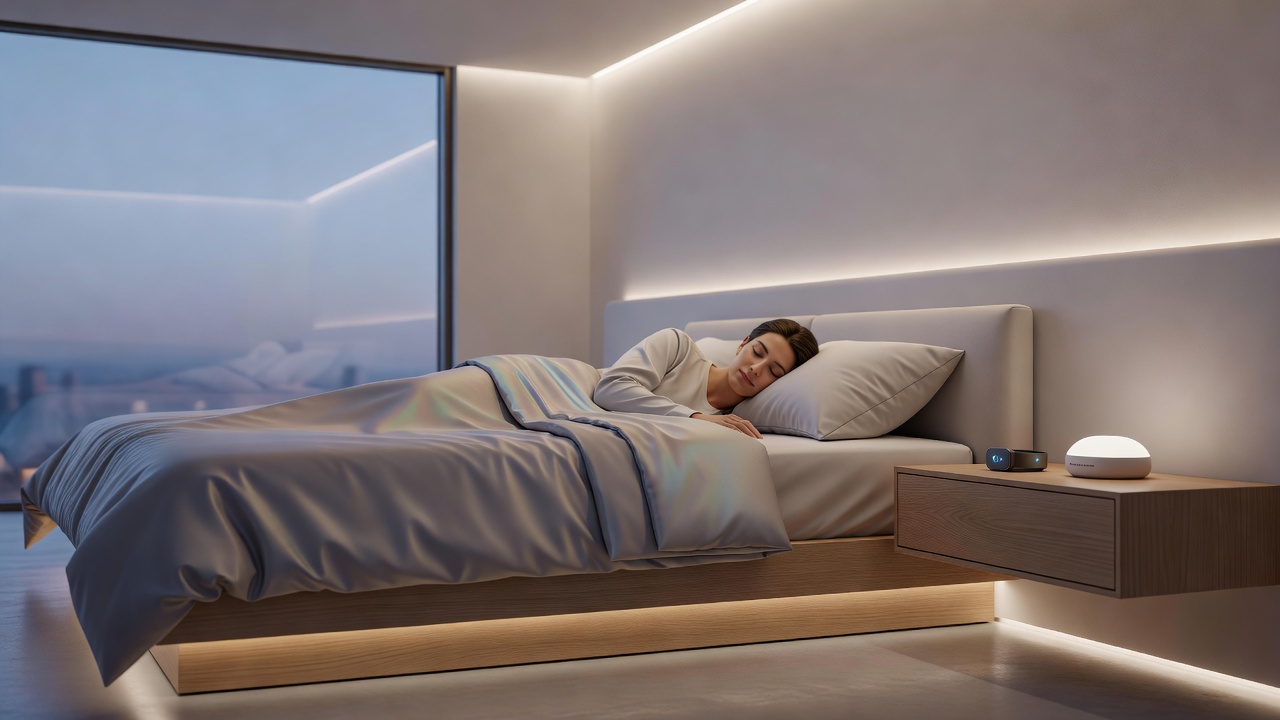
Sleep Optimization Strategies to Extend Healthspan in 2026
Quality sleep serves as a foundational pillar for longevity, directly influencing cellular repair, hormone balance, and cognitive function. In 2026, beginners seeking to extend healthspan can leverage targeted strategies that align with emerging research on how rest regulates biological aging processes. This guide delivers practical, evidence-based approaches including circadian alignment, tracking tools, supplementation, and protocol comparisons to help readers implement sustainable changes that promote both lifespan extension and improved daily vitality.
Understanding the connection between sleep and anti-aging begins with recognizing how inadequate rest accelerates wear on the body. Chronic short sleep elevates cortisol levels, impairs immune response, and disrupts metabolic pathways that contribute to conditions like cardiovascular disease and cognitive decline. By contrast, consistent high-quality sleep supports autophagy, the cellular cleanup process essential for longevity, and helps maintain optimal levels of growth hormone released during deep sleep stages. Beginners often notice quick wins in mood and energy after just a few weeks of focused optimization, setting the stage for longer-term healthspan benefits.
Understanding Sleep's Role in Longevity and Healthspan
Sleep regulates key processes such as inflammation control, DNA repair, and metabolic efficiency. Poor sleep accelerates biological aging by disrupting these mechanisms, while optimized rest supports extended healthspan—the period of life spent in good health. Studies from authoritative sources highlight consistent links between sleep duration, quality, and reduced risk of age-related diseases. For instance, individuals who maintain regular sleep patterns often exhibit lower markers of systemic inflammation and better insulin sensitivity over time.
Practical examples show that individuals prioritizing 7-9 hours of restorative sleep often report improved energy and slower perceived aging markers. Real-world application involves tracking personal patterns before adjusting routines. Consider the case of a 45-year-old professional who shifted from irregular bedtimes to a structured schedule and experienced measurable improvements in recovery metrics within one month. These changes compound over years, contributing to resilience against age-related decline.
Circadian Alignment Techniques
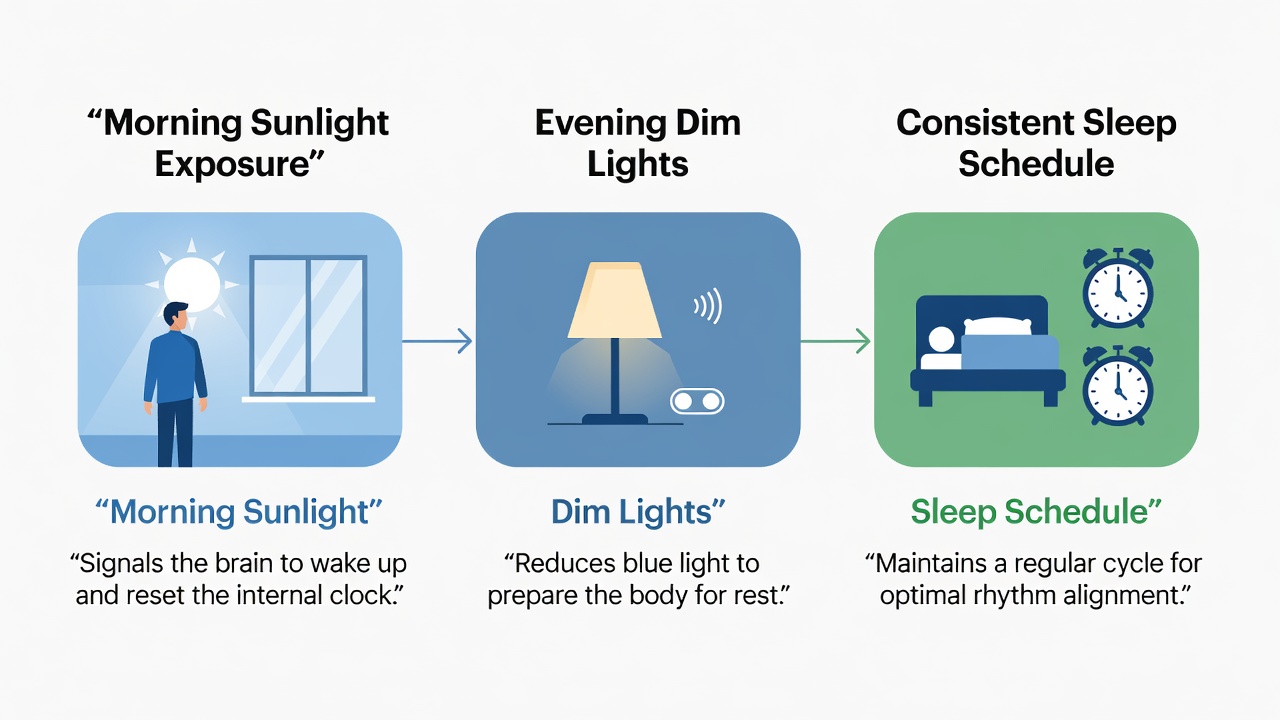
Aligning your internal clock with natural light cycles forms the basis of effective sleep optimization. Start by exposing yourself to bright morning light within 30 minutes of waking to reset melatonin production. Dim lights in the evening and avoid screens 90 minutes before bed to prevent blue light interference. Additional techniques involve strategic napping limited to 20 minutes and using blackout curtains to create complete darkness during sleep hours.
Advanced techniques include timed meals that support your circadian rhythm and consistent wake times even on weekends. These methods help synchronize hormones like cortisol and melatonin for deeper, more restorative sleep cycles. In practice, someone working night shifts might use light therapy lamps during their "morning" to mimic natural cues, leading to better alignment despite unconventional hours. Experimenting with these adjustments reveals personal responsiveness and allows fine-tuning for maximum benefit.
Sleep Tracking Tools for Data-Driven Improvements
Modern wearables provide actionable insights into sleep stages, heart rate variability, and recovery scores. Popular options allow users to identify patterns such as frequent awakenings or insufficient deep sleep. Reviewing weekly trends helps refine habits like adjusting bedtime or room temperature. Many devices also integrate with apps that offer personalized recommendations based on aggregated user data.
Combine device data with a simple sleep journal noting factors like caffeine intake or exercise timing. This dual approach reveals correlations that pure technology might miss, enabling precise tweaks for better outcomes. For example, a user might discover that late-afternoon workouts fragment their sleep architecture despite feeling tired, prompting a shift to morning exercise. Over several months, such insights build a customized sleep profile that evolves with life changes.
Supplementation Options: Magnesium and Glycine
Targeted supplements can support sleep architecture when used strategically. Magnesium aids muscle relaxation and GABA activity, while glycine promotes faster sleep onset and improved sleep quality. Begin with low doses and monitor effects over two weeks. Other supportive options sometimes discussed in longevity circles include apigenin for its calming properties, though individual responses vary widely.
Always consult a healthcare provider before starting new regimens, especially if combining with other interventions. These options complement lifestyle changes rather than replace them. A real-world example involves a retiree who added magnesium glycinate to an evening routine and noted reduced nighttime restlessness after consistent use, contributing to more stable daytime cognitive performance. Track subjective feelings alongside objective data to determine what works best for your biology.
Comparing Sleep Protocols with Real-World Examples
Several protocols stand out for longevity focus. The 10-3-2-1-0 method emphasizes winding down 10 hours before bed, no caffeine after 3 PM, no food after 2 PM, no screens after 1 hour before bed, and zero alcohol. Another approach integrates biphasic sleep with a short afternoon rest. The military sleep method, involving progressive muscle relaxation, offers quick onset techniques for those struggling with racing thoughts.
Real-world examples include executives who adopted consistent 10 PM bedtimes and reported enhanced focus after 30 days. Athletes using magnesium alongside light therapy often achieve higher recovery scores. Compare these against your schedule to select adaptable elements. A busy parent might blend elements from multiple protocols, such as strict morning light exposure from one and meal timing from another, creating a hybrid that fits family demands while still delivering measurable rest improvements.
Step-by-Step Implementation Plan
- Assess baseline sleep with a tracking tool for one week to establish personal norms.
- Implement morning light exposure and evening dimming for 14 days while maintaining a consistent wake time.
- Introduce one supplement at a time, starting with magnesium, and log any changes in sleep depth.
- Refine based on data, adding protocol elements like meal timing or environmental adjustments.
- Review progress monthly and adjust for seasonal changes such as shorter daylight in winter.
Environmental Optimization for Better Rest
Beyond timing and supplementation, the sleep environment plays a critical role in healthspan outcomes. Maintain bedroom temperatures between 60 and 67 degrees Fahrenheit to facilitate core body temperature drops necessary for sleep initiation. Incorporate white noise machines or earplugs to mask disruptive sounds, and use breathable bedding materials to prevent overheating. These small modifications accumulate into substantial gains in sleep continuity and overall recovery.
Common Pitfalls to Avoid
- Ignoring weekend schedule consistency, which disrupts circadian rhythms and leads to social jet lag.
- Over-relying on supplements without addressing environment or habits, resulting in temporary fixes.
- Using screens in bed, leading to prolonged sleep latency and reduced melatonin signaling.
- Neglecting room conditions like temperature and noise levels, which fragment sleep cycles unnoticed.
- Consuming heavy meals or alcohol close to bedtime, both of which impair deep and REM stages essential for repair.
FAQ: Measurable Longevity Markers Tied to Better Rest
How does improved sleep affect telomere length? Better sleep supports cellular maintenance, potentially preserving telomere integrity over time through reduced oxidative stress.
What biomarkers should I track? Monitor heart rate variability, inflammation markers like CRP, and subjective energy levels alongside sleep data for a holistic view.
Can sleep optimization reverse aging signs? While not a reversal, consistent quality rest slows progression of age-related decline through enhanced repair processes and hormone regulation.
How long until I see measurable changes? Most people observe subjective improvements within two to four weeks, with objective biomarker shifts appearing after consistent adherence for two to three months.
Is napping beneficial for longevity? Short naps under 30 minutes can supplement nighttime sleep without interfering with circadian rhythms when timed appropriately in early afternoon.
For further reading on sleep science, explore resources from World Health Organization, Centers for Disease Control and Prevention, and National Institutes of Health.

No comments yet. Be the first!