 Slow Bio Hack
Introduction to NAD+ and Cellular Aging
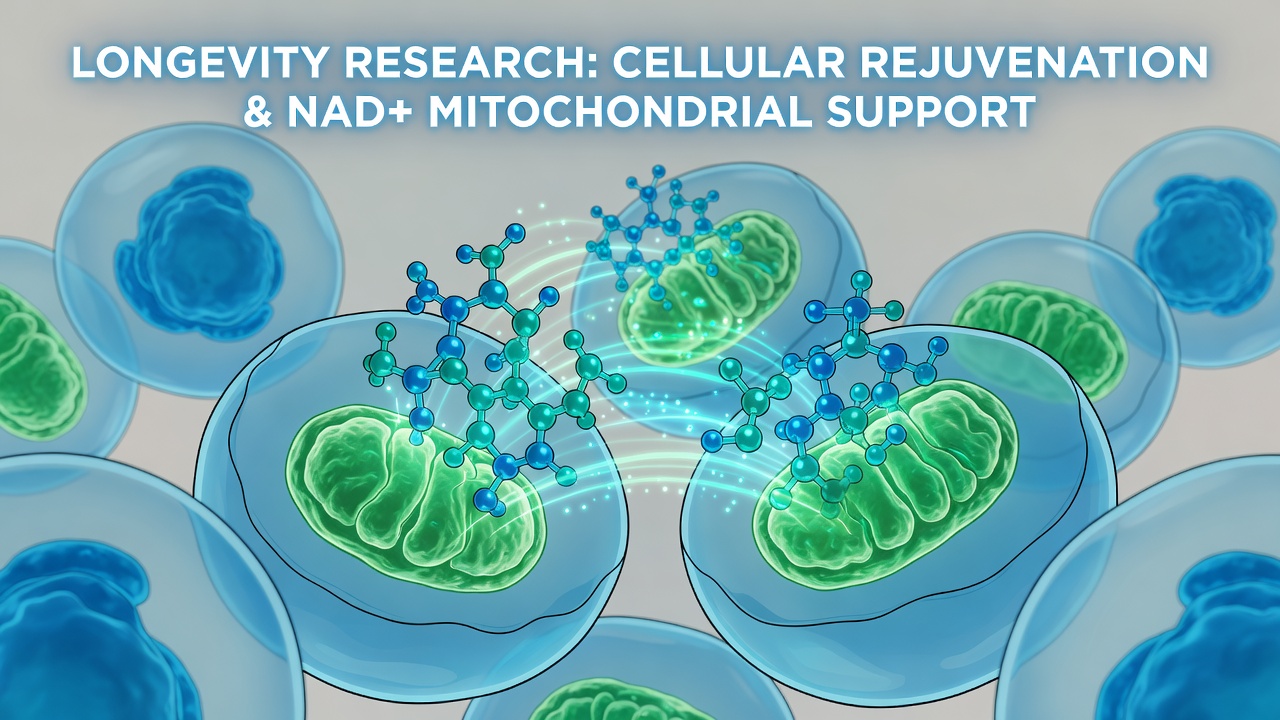
NAD+ (nicotinamide adenine dinucleotide) serves as a critical coenzyme in every cell, powering energy metabolism and activating sirtuins that regulate DNA repair and longevity pathways. Levels naturally decline with age, contributing to fatigue, metabolic slowdown, and increased disease risk. This article examines the science behind replenishing NAD+ through precursors like NMN and NR, offering practical guidance drawn from recent research. Understanding these mechanisms allows individuals to make informed decisions about supplementation as part of a broader longevity strategy.
The Biological Mechanisms of NAD+ Decline
As we age, NAD+ production decreases while consumption rises due to chronic inflammation and DNA damage. This imbalance impairs mitochondrial function, the cell's powerhouses, leading to reduced ATP output. Studies show that by middle age, NAD+ can drop by up to 50%, accelerating hallmarks of aging such as genomic instability. Replenishing NAD+ helps restore these processes, potentially extending healthspan. The decline begins subtly in the 30s and accelerates after 50, influenced by factors like oxidative stress and lifestyle choices. Enzymes such as CD38 and PARP consume NAD+ at higher rates during aging, creating a vicious cycle that affects everything from muscle function to cognitive sharpness.
Key NAD+ Precursors: NMN and NR Explained
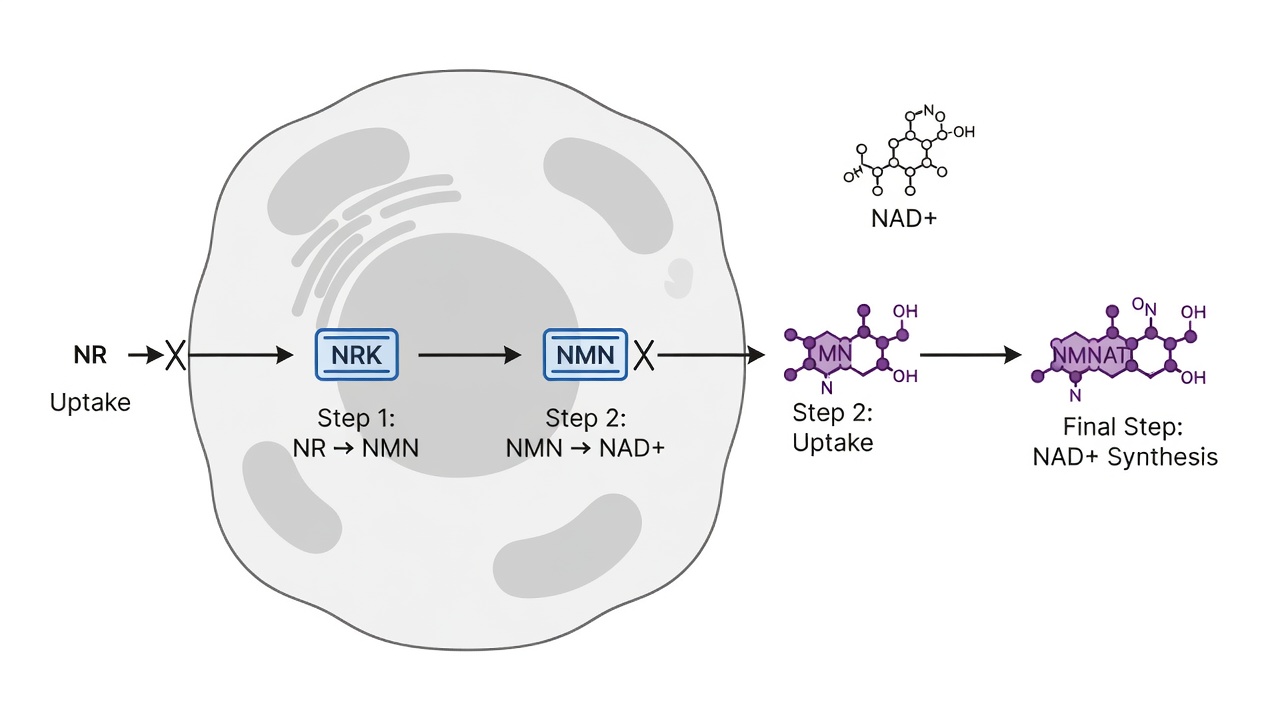
NMN (nicotinamide mononucleotide) and NR (nicotinamide riboside) are leading precursors that convert efficiently into NAD+. NMN enters cells via specific transporters and bypasses some metabolic steps, while NR relies on the salvage pathway. Both are found in trace amounts in foods like broccoli and avocados, but supplementation provides therapeutic doses. Additional precursors include nicotinamide and tryptophan, though they are less efficient. Research highlights NMN's direct role in boosting NAD+ within hours of ingestion, making it popular among those focused on rapid cellular support.
Dosage Considerations from Recent Studies
Clinical trials indicate effective NMN doses range from 250-1000 mg daily, with benefits observed in energy and insulin sensitivity. NR studies often use 300-1000 mg. Always start low and consult a physician, as individual responses vary based on age and health status. For example, a 2023 trial on middle-aged adults found 500 mg of NMN improved physical performance markers after 60 days. Users should consider splitting doses morning and afternoon to maintain steady levels, and monitor bloodwork for personalized adjustments.
Comparing Bioavailability of NAD+ Precursors
Bioavailability differs: NMN shows rapid absorption in some human trials, while NR demonstrates stable increases in blood NAD+ levels. Liposomal or sublingual forms may enhance uptake for both. Factors like timing with meals and avoiding high-heat processing influence effectiveness. NMN may edge out in direct cellular delivery, but NR has more published human data on safety. Comparing forms, capsules versus powders affect absorption speed, with many opting for enteric-coated versions to protect against stomach acid.
Practical Daily Protocols for Integration
- Morning dosing on an empty stomach to align with circadian NAD+ rhythms.
- Combine with exercise: 30 minutes of moderate activity amplifies precursor effects on mitochondrial biogenesis.
- Track progress with wearable devices measuring recovery metrics.
- Cycle usage: 3 months on, 1 month off to prevent tolerance.
- Pair with hydration and nutrient-dense meals rich in B vitamins.
- Adjust based on age: those over 60 may benefit from higher starting doses under supervision.
Potential Synergies with Other Longevity Habits
Pairing precursors with intermittent fasting enhances autophagy and NAD+ recycling. Resveratrol or quercetin can activate sirtuins synergistically. Adequate sleep and omega-3 intake further support cellular repair. National Institutes of Health resources highlight lifestyle-NAD+ interactions. Adding sauna sessions or cold exposure may further elevate NAD+ naturally, creating compounding benefits for metabolic health and resilience.
Real-World User Examples and Outcomes
Many biohackers report improved endurance within 4-8 weeks of consistent NMN use. One 55-year-old user noted better focus and reduced joint discomfort after adding NR to a routine including resistance training. Another example involves a 42-year-old professional who combined 750 mg NMN with yoga and reported enhanced recovery from workouts plus steadier energy throughout the day. A third case study from online communities describes a 68-year-old who experienced better sleep quality after six weeks of NR alongside magnesium supplementation. These anecdotes underscore variability and the importance of tracking personal biomarkers.
Potential Side Effects and Safety Considerations
While generally well-tolerated, some users experience mild flushing or digestive upset at higher doses. Long-term safety data remains limited, so periodic breaks and medical oversight are recommended. Individuals with conditions affecting liver or kidney function should seek professional advice before starting. Monitoring for interactions with medications is essential, particularly those influencing metabolism.
FAQ: Safety, Timelines, and Healthspan Improvements
Is NAD+ supplementation safe?
Current evidence from human trials suggests good tolerability at studied doses, with mild side effects like nausea rare. Long-term data continues to emerge through ongoing research at institutions worldwide.
How long until I notice benefits?
Energy improvements may appear in 2-4 weeks, while deeper healthspan markers like metabolic health take 3-6 months of consistent use. Cognitive benefits often require sustained protocols beyond three months.
Can I get enough from diet alone?
Food sources provide minimal amounts; supplementation is typically required for meaningful elevation. Focus on precursor-rich foods as a foundation rather than a complete solution.
Are there differences between brands?
Quality varies significantly; third-party testing for purity is crucial to avoid contaminants. Look for GMP-certified manufacturers with transparent sourcing.
What about combining with other supplements?
Synergistic stacks with TMG or fisetin show promise in user reports, but introduce one element at a time to assess tolerance.
Conclusion
NAD+ precursors represent a promising tool in longevity science, backed by mechanistic insights and emerging clinical data. Integrating them thoughtfully with lifestyle habits can support cellular rejuvenation and vitality. Consult healthcare professionals before starting any new regimen to tailor approaches effectively.


No comments yet. Be the first!