 Slow Bio Hack

Introduction to Exosome Therapy in 2026 Longevity Medicine
Exosome therapy has emerged as a next-generation regenerative approach in 2026, extending the successes of stem cell treatments with refined mechanisms and accumulating clinical evidence. These nanoscale vesicles carry proteins, lipids, and nucleic acids that modulate cellular communication, reduce inflammation, and promote tissue repair without the risks associated with live cell transplantation. Researchers continue to investigate how exosomes influence aging pathways, including senescence and mitochondrial function, making them attractive for healthspan extension protocols. Patients seeking advanced interventions often turn to this modality after exploring foundational lifestyle changes, as it offers targeted molecular support for cellular rejuvenation.
The growing interest stems from exosomes' ability to bypass some limitations of traditional stem cell therapies while delivering similar regenerative signals. In 2026, ongoing trials emphasize their role in systemic health optimization rather than isolated disease treatment.
Understanding Exosome Mechanisms and Clinical Evidence
Exosomes facilitate intercellular signaling by transferring bioactive cargo that can influence gene expression and protein synthesis in recipient cells. In longevity contexts, they target chronic low-grade inflammation and support extracellular matrix remodeling. Recent trials demonstrate improved biomarkers of aging when exosomes are administered alongside established interventions. Key studies highlight their role in enhancing autophagy and reducing oxidative stress, providing a foundation for personalized regenerative plans. Mechanistically, exosomes interact with recipient cell membranes to release microRNAs and growth factors that activate repair cascades, particularly in tissues affected by age-related decline such as muscle, skin, and neural networks.
Evidence from multi-site investigations shows measurable shifts in inflammatory cytokines and mitochondrial efficiency. This depth of action distinguishes exosomes from purely symptomatic treatments and positions them as proactive tools within comprehensive longevity frameworks.
Autologous vs Allogeneic Exosomes: Sourcing Considerations
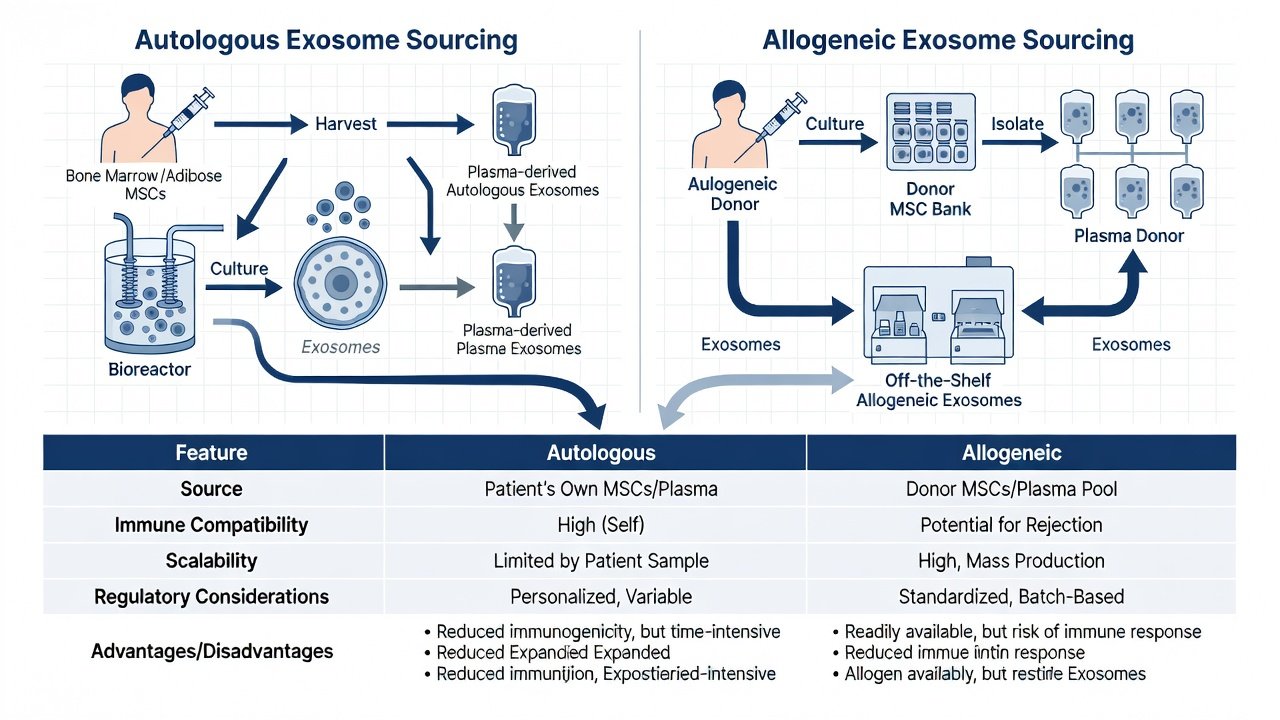
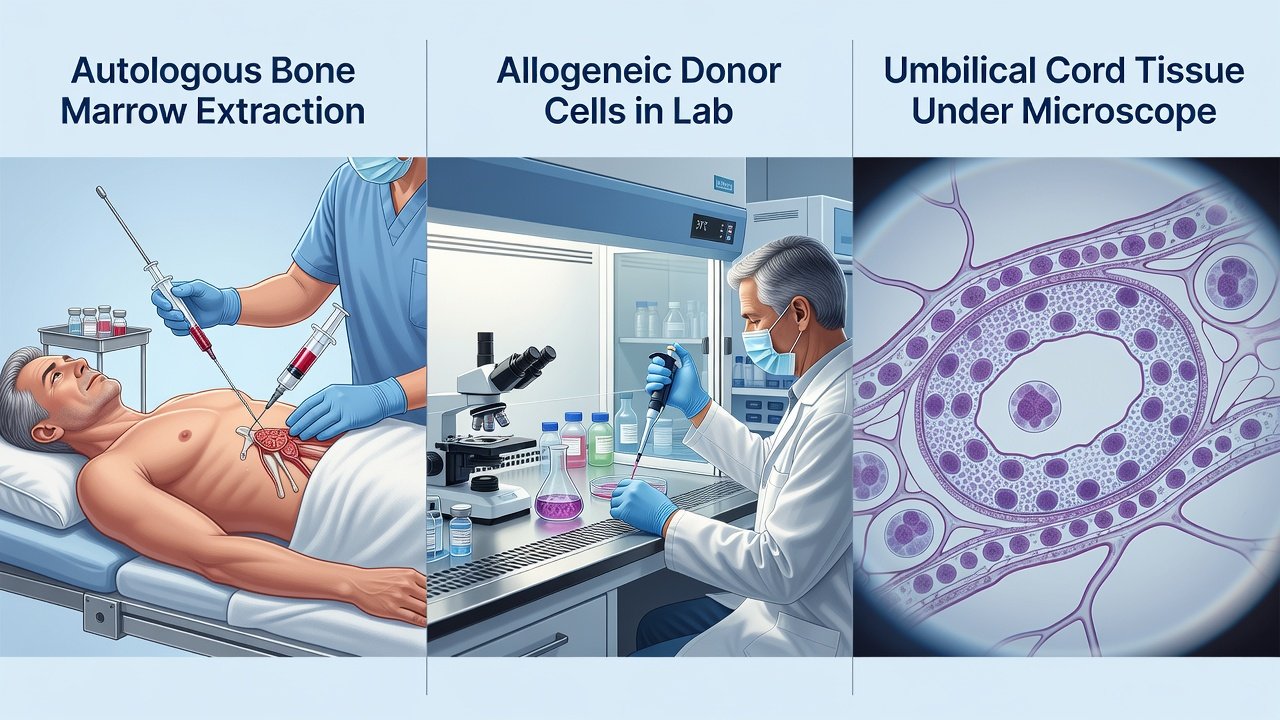
Autologous exosomes, derived from a patient's own mesenchymal stem cells (MSCs) or plasma, minimize immunogenicity risks. Allogeneic sources from screened donors offer scalability but require rigorous quality controls. Plasma-derived exosomes provide an accessible alternative with potentially broader systemic effects compared to MSC-focused preparations. Clinicians evaluate patient age, health status, and therapeutic goals when selecting the source type. Autologous options typically involve harvesting cells or fluid during an initial procedure, followed by laboratory isolation and concentration. Allogeneic preparations undergo extensive pathogen screening and standardization to ensure batch consistency.
Comparisons in clinical settings reveal that autologous exosomes may yield more personalized responses, while allogeneic versions enable faster treatment initiation for those without viable cell sources.
Safety Profiles and Regulatory Status
Safety data from ongoing trials indicate low adverse event rates when exosomes are properly isolated and characterized. Regulatory oversight varies by region, with agencies like the FDA classifying many preparations as investigational. Patients should verify clinic compliance with current good manufacturing practices. Additional guidance comes from organizations such as the National Institutes of Health, which track evolving standards for biologic products. Long-term monitoring remains essential for any novel biologic therapy, including periodic assessments of immune markers and organ function.
Reported side effects are generally mild and transient, such as temporary fatigue or localized discomfort, when protocols adhere to established isolation techniques.
Synergies with Senolytics and NAD+ Boosters
Combining exosome therapy with senolytics can amplify clearance of damaged cells while exosomes support the regenerative environment. NAD+ precursors may further enhance mitochondrial biogenesis triggered by exosomal signals. Protocols often stagger these interventions over weeks to optimize cellular responses. Individualized timing based on biomarker feedback improves outcomes in clinical observations. For instance, a typical sequence might begin with senolytic compounds to reduce senescent cell burden, followed by exosome administration to replenish signaling networks, and then NAD+ support to sustain energy metabolism.
Such layered approaches reflect the interconnected nature of aging hallmarks and allow practitioners to address multiple pathways simultaneously.
Practical Dosing Schedules and Administration Methods
Typical regimens involve initial loading phases followed by maintenance infusions. Intravenous delivery provides systemic distribution, while localized injections target joints or skin. Frequency depends on the protocol, often starting with weekly sessions before transitioning to monthly. Practitioners monitor patient response through follow-up assessments to adjust intervals. Additional considerations include preparation purity testing prior to each administration and hydration protocols to support distribution.
Here is a step-by-step outline for implementing a basic dosing schedule:
- Conduct baseline biomarker testing including inflammatory panels and mitochondrial markers.
- Administer an initial series of three IV infusions spaced one week apart.
- Evaluate response at four weeks and introduce localized injections if specific tissues require targeted support.
- Transition to maintenance dosing every four to six weeks based on symptom tracking and lab results.
- Integrate periodic reviews with lifestyle factors such as sleep optimization and nutrition.
Administration routes are selected according to therapeutic objectives, with IV preferred for whole-body effects and injections for focal areas like osteoarthritis or dermal rejuvenation.
Real-World Case Examples from Ongoing Trials
Participants in multi-center studies have reported enhanced physical function and cognitive clarity within months. One protocol combined MSC-derived exosomes with lifestyle modifications, yielding measurable improvements in inflammatory markers. Another example involved plasma-derived exosomes in older adults experiencing mobility limitations, where participants noted increased daily activity levels and reduced joint stiffness after consistent application. These examples underscore the importance of comprehensive patient selection and follow-up. Trial designs often incorporate control groups to isolate exosome-specific contributions from placebo effects or concurrent interventions.
Documented outcomes emphasize variability, with responders showing faster gains when exosomes are paired with exercise regimens or dietary adjustments.
Cost Considerations and Evaluating Clinics
Expenses for exosome-based treatments vary based on preparation complexity and clinic expertise. Prospective patients should request transparency on sourcing, purity testing, and outcome tracking. Reputable providers participate in registries and publish anonymized data. When evaluating clinics, focus on factors such as physician training in regenerative medicine, third-party laboratory certifications, and availability of post-treatment support programs. Avoid facilities that promise guaranteed results or lack clear documentation of their exosome isolation processes.
Additional verification steps include reviewing published trial affiliations and confirming adherence to international standards for biologic handling.
Conclusion
Exosome therapy represents a promising evolution in regenerative longevity strategies for 2026. When integrated thoughtfully with complementary approaches, it offers targeted support for cellular health. Continued research will refine protocols and expand accessibility for broader populations interested in extending healthspan.
FAQ
What are the primary risks of exosome therapy?
Potential risks include immune reactions or infection if manufacturing standards are inadequate. Reputable clinics mitigate these through sterile processing and donor screening, with most participants experiencing minimal downtime.
How long until results appear?
Some patients notice subtle changes within weeks, while structural benefits may require three to six months of consistent application depending on individual biology and protocol intensity.
How does it fit into personalized healthspan plans?
Exosome therapy is typically layered with nutrition, exercise, and other biologics based on comprehensive biomarker analysis for synergistic effects that address multiple aging pathways simultaneously.
Are there specific populations who should avoid this therapy?
Individuals with active infections, certain autoimmune conditions, or recent major surgeries are often advised to postpone treatment until cleared by their primary physician.

No comments yet. Be the first!