 Slow Bio Hack

Introduction: Why Sleep Matters for Your Gut in 2026
Quality sleep is no longer just about feeling rested—it directly shapes the trillions of microbes in your digestive system. Research shows that aligning your sleep schedule with natural circadian rhythms supports microbial diversity, improves nutrient absorption, and reduces inflammation. This article delivers a complete, evidence-based guide to sleep routines that enhance gut microbiome balance and digestion, including step-by-step schedules, pitfalls to avoid, and real tracking methods. In 2026, with growing awareness of the gut-brain axis, optimizing rest has become a cornerstone of preventive health strategies for millions seeking lasting digestive relief.
The Science of Circadian Rhythms and Gut Health
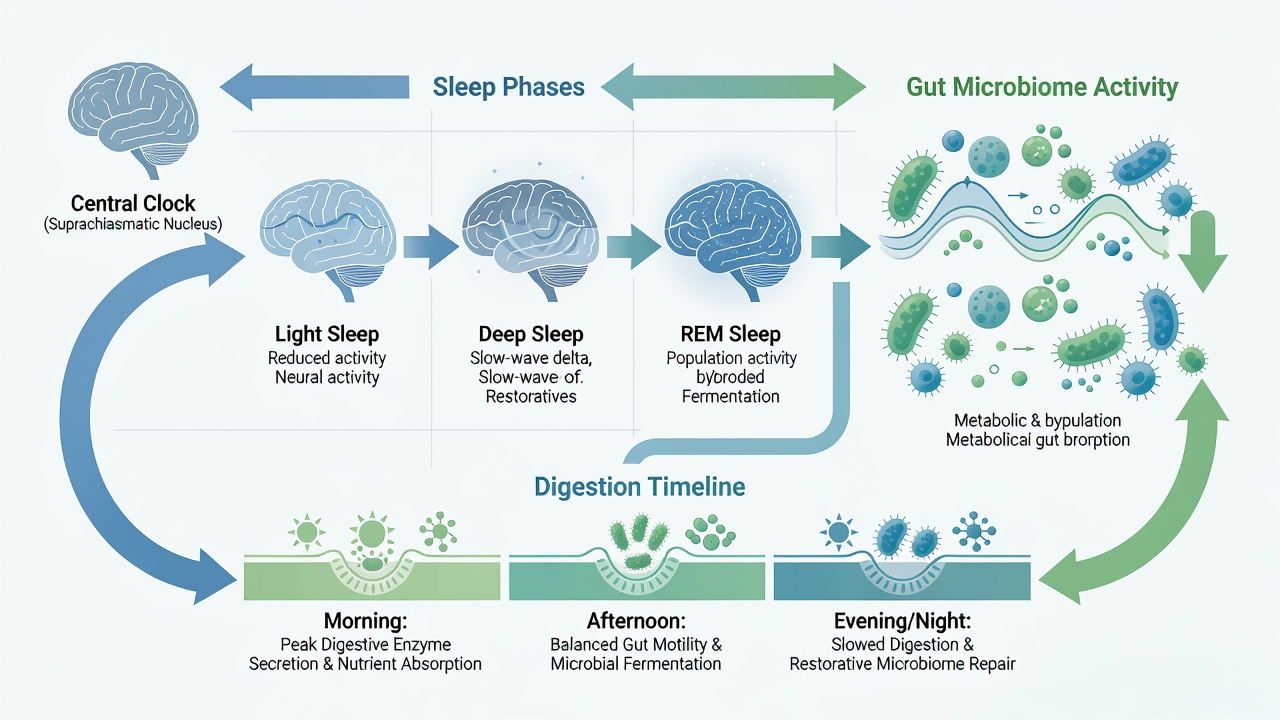
Your body’s internal clock, governed by the suprachiasmatic nucleus, regulates hormone release, body temperature, and digestive enzyme production. When sleep timing is consistent, beneficial bacteria such as Lactobacillus and Bifidobacterium thrive because their metabolic activity peaks during rest periods. Disruptions from late nights or irregular schedules can lower microbial diversity within days, leading to bloating, irregular bowel movements, and weakened immunity. Studies from institutions like the National Institutes of Health confirm that even one week of shifted sleep can alter short-chain fatty acid production essential for colon health. The microbiome itself exhibits its own circadian patterns, with certain species producing metabolites that influence sleep quality in a bidirectional relationship.
How Consistent Bedtimes Improve Probiotic Activity
Going to bed and waking at the same time daily stabilizes melatonin and cortisol curves. Stable melatonin promotes the growth of anti-inflammatory bacteria while cortisol timing supports proper gastric emptying. People who maintain a 10 p.m. to 6 a.m. window often report fewer digestive complaints after four weeks. The key is protecting the two-hour window before bed from bright light, which suppresses melatonin and indirectly stresses the microbiome. Evening light exposure from devices can delay the natural drop in core body temperature needed for deep sleep stages that foster microbial repair.
Sample Nightly Sleep Routine for Optimal Digestion
Here is a practical 90-minute wind-down sequence used successfully by many biohackers and wellness practitioners, expanded with rationale for each step:
- 7:30 p.m. – Finish the last meal; allow three hours for digestion before lying down to prevent nighttime reflux and allow the migrating motor complex to clear the intestines.
- 8:00 p.m. – Dim household lights to 50% intensity and begin herbal tea (chamomile or ginger) to signal the body that the active day is ending.
- 8:30 p.m. – Screen curfew: switch to warm lighting or blue-light-blocking glasses to preserve melatonin onset.
- 9:00 p.m. – Gentle movement such as 10 minutes of yoga or walking to aid digestion without raising heart rate excessively.
- 9:20 p.m. – Journal three things you are grateful for to lower evening cortisol levels that otherwise impair gut barrier function.
- 9:40 p.m. – Brush teeth and prepare the bedroom at 65–68°F for optimal thermoregulation during sleep cycles.
- 10:00 p.m. – Lights out with consistent 7.5–8 hours target to complete full sleep cycles supporting overnight microbial fermentation.
Following this sequence for 21 consecutive days produces measurable improvements in morning bowel regularity for most individuals. Adjust the timeline slightly for personal chronotype while preserving the core consistency.
Common Sleep Disruptors That Harm the Microbiome
Avoid these frequent mistakes that sabotage gut health:
- Irregular weekend schedules (“social jet lag”) that shift bedtime by more than 90 minutes, causing microbial desynchronization similar to jet lag.
- Evening alcohol, which reduces REM sleep and feeds inflammatory gut bacteria while dehydrating the intestinal lining.
- High-intensity exercise within three hours of bedtime, elevating core temperature and delaying the onset of restorative slow-wave sleep.
- Heavy late meals high in saturated fat that delay gastric emptying and promote overgrowth of less beneficial species.
- Chronic use of melatonin supplements without addressing underlying light exposure, potentially leading to dependency and reduced natural production.
Replacing even two of these habits often restores microbial balance faster than adding new supplements alone.
Tracking Progress: Sleep Apps Versus Sleep Journals
Both methods help monitor the connection between rest and digestion. Wearable apps provide objective data on sleep stages and heart-rate variability, while journals capture subjective digestion notes such as bloating scores and stool consistency using simple scales. Many users combine both: wearables for timing accuracy and journals for dietary context. The choice depends on budget and preference—apps deliver graphs and trends, while journals cost nothing and encourage mindful reflection. Popular options include those syncing with smartwatches for automated insights versus handwritten logs that highlight patterns like post-meal timing effects on sleep quality.
Additional Strategies for Enhancing the Sleep-Gut Connection
Beyond basic timing, incorporate magnesium-rich foods earlier in the day and consider a brief 5-minute breathing exercise at 9:15 p.m. to activate the parasympathetic system. Pairing this with exposure to morning sunlight within 30 minutes of waking reinforces the full circadian loop, boosting daytime energy and nighttime microbial activity. For shift workers or parents, micro-adjustments like consistent anchor sleep periods of at least four hours help maintain partial stability.
Real-World Examples of Digestion Improvements
Sarah, a 34-year-old marketing manager, shifted from 1 a.m. bedtimes to a strict 10 p.m. routine while eliminating evening screens. Within six weeks she noted reduced IBS symptoms, more consistent energy, and improved skin clarity linked to better nutrient absorption. Mark, a frequent traveler, used a portable red-light lamp and consistent 7 a.m. wake time even across time zones; his bloating decreased noticeably after three trips, and lab tests showed increased short-chain fatty acid levels. These cases illustrate that the microbiome responds quickly once sleep timing stabilizes, often within one menstrual cycle or lunar month for women tracking patterns.
Frequently Asked Questions
What if I work night shifts?
Maintain the same sleep duration and use blackout curtains plus a consistent post-shift wind-down routine. Anchor your largest meal right after waking to support digestion and mimic daytime metabolic patterns.
How does travel affect the gut-sleep connection?
Time-zone shifts temporarily reduce microbial diversity. Prioritize light exposure upon arrival, stay hydrated, and keep bedtime within two hours of your home schedule when possible to minimize disruption.
Can I use melatonin long-term?
Focus first on light hygiene and consistent timing. Melatonin is best reserved for occasional use rather than daily reliance to avoid interfering with natural hormone cycles.
Does diet timing matter alongside sleep?
Yes, finishing meals three hours before bed allows the gut to enter a fasting state that promotes beneficial bacterial diversity and reduces overnight fermentation issues.
Are there specific foods that support this routine?
Incorporate fermented foods like yogurt or kimchi at lunch, and fiber-rich vegetables earlier to feed good bacteria without overloading the evening digestive window.
Conclusion
Optimizing sleep routines offers one of the highest-ROI strategies for gut microbiome and digestive health in 2026. By protecting circadian alignment, eliminating common disruptors, incorporating tracking, and layering supportive habits, you can achieve noticeable improvements in energy, regularity, and overall wellness. Start with tonight’s bedtime and build the habit gradually for lasting benefits backed by emerging research from sources such as the Mayo Clinic and Sleep Foundation.


No comments yet. Be the first!