 Slow Bio Hack

Introduction: Why the Mind-Gut Connection Matters in 2026
Chronic stress has become a defining feature of modern life, and its effects extend far beyond mental fatigue. Research increasingly shows that stress directly disrupts the delicate balance of the gut microbiome, leading to digestive issues, inflammation, and broader health problems. The mind-gut axis serves as a bidirectional communication highway, where psychological stress alters microbial diversity while gut imbalances can heighten anxiety and mood disorders. In 2026, with rising awareness of holistic health approaches, understanding this connection offers readers actionable pathways to improve both mental clarity and physical digestion without relying exclusively on supplements.
This article goes beyond basic probiotic recommendations to focus on evidence-backed lifestyle interventions. Readers seeking sustainable solutions will find detailed comparisons of techniques, sample routines, and real-world transformation examples that demonstrate measurable improvements in digestion and microbiome health. We will examine the underlying science, provide step-by-step guidance on stress-reduction methods, and offer practical tools for implementation that fit into busy schedules.
The Science of the Mind-Gut Axis
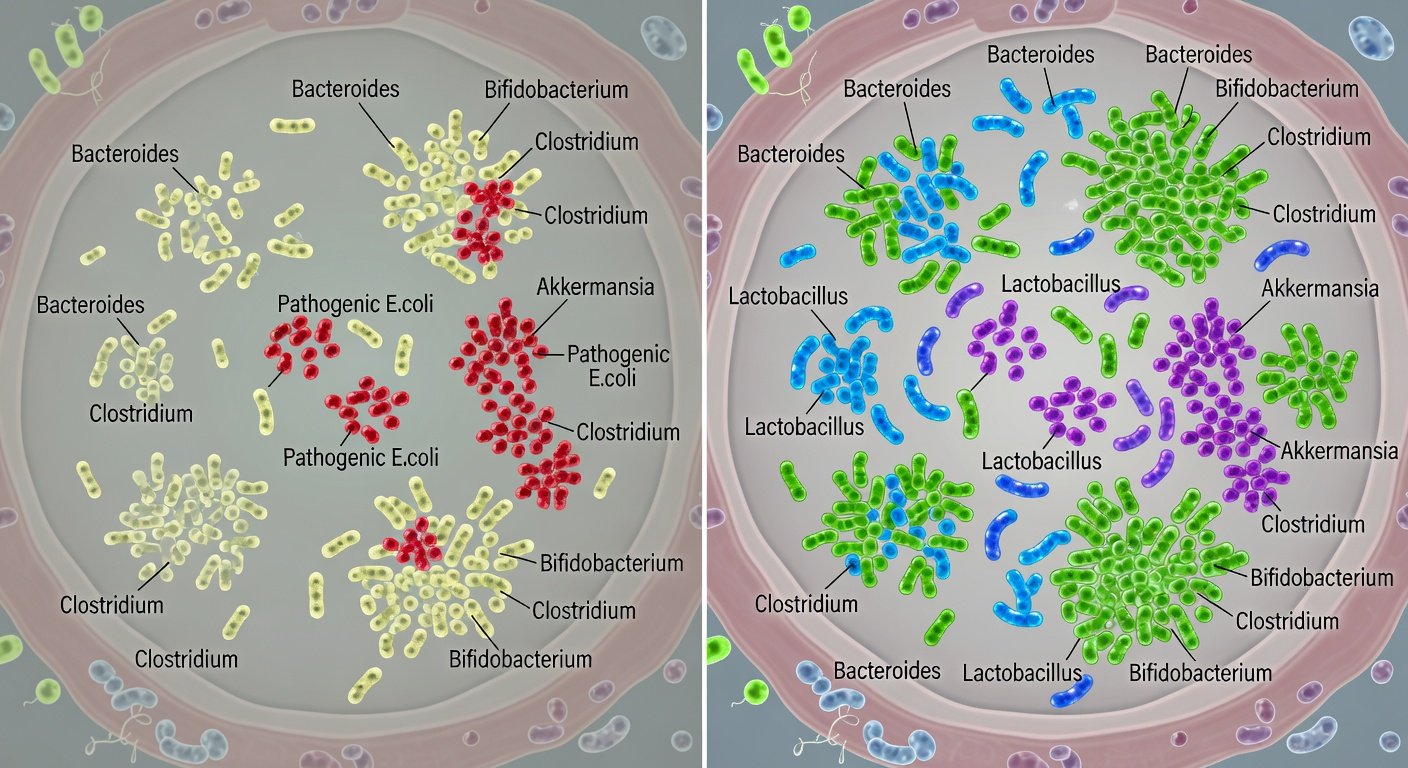
The gut and brain communicate constantly through the vagus nerve, immune signaling, and microbial metabolites. When stress activates the hypothalamic-pituitary-adrenal (HPA) axis, cortisol levels rise and reduce beneficial bacteria such as Lactobacillus and Bifidobacterium species. This shift promotes pathogenic overgrowth and impairs short-chain fatty acid production essential for gut barrier integrity. Additional pathways include the enteric nervous system, often called the second brain, which responds to emotional states by altering gut motility and secretion patterns.
Studies from the National Institutes of Health confirm that prolonged stress exposure correlates with decreased microbial diversity. The production of neurotransmitters like serotonin, of which 90 percent originates in the gut, becomes compromised under chronic pressure. Understanding this mechanism empowers individuals to target stress reduction as a primary lever for microbiome restoration rather than relying solely on supplements. Emerging research also highlights how inflammatory cytokines released during stress further degrade microbial ecosystems, creating feedback loops that affect energy levels and immune function.
How Chronic Stress Disrupts Digestion and Microbiome Balance
Daily stressors like work deadlines or poor sleep trigger sympathetic dominance, slowing digestion and altering motility. Over time, this leads to symptoms including bloating, irregular bowel movements, and increased intestinal permeability. The resulting low-grade inflammation further feeds back into the brain, creating a vicious cycle of stress and gut dysfunction. Long-term consequences may include heightened risk of irritable bowel syndrome, nutrient malabsorption, and even metabolic disturbances linked to obesity or insulin resistance.
Practical observation shows that individuals reporting high perceived stress scores often exhibit 30-40 percent lower microbial richness in stool analyses compared to low-stress counterparts. Environmental factors such as irregular meal timing compound these effects, as the microbiome thrives on predictable circadian cues that stress often overrides. Addressing root stress sources therefore becomes essential for breaking this pattern and allowing beneficial bacteria to repopulate effectively.
Daily Stress-Reduction Techniques: Meditation and Breathwork
Meditation practices such as mindfulness-based stress reduction (MBSR) have demonstrated consistent benefits for gut health. A 10-20 minute daily session can lower cortisol and support vagal tone, indirectly fostering microbial diversity. Specific approaches include body scan meditations that heighten awareness of physical sensations or loving-kindness meditations that reduce emotional reactivity. Breathwork techniques, including 4-7-8 breathing or physiological sighs, offer immediate nervous system regulation that can be practiced anywhere. For example, the physiological sigh involves a double inhale through the nose followed by a long exhale, quickly shifting the body from fight-or-flight to rest-and-digest mode.
Compare these methods: Meditation builds long-term resilience but requires consistency, while breathwork provides rapid relief during acute stress episodes. Combining both yields synergistic effects on the mind-gut axis. Beginners should start with guided apps for structure, progressing to silent sessions as comfort grows. Regular practice has been shown to increase heart rate variability, a key marker of parasympathetic activity that supports healthy digestion.
Sleep Optimization Strategies for Microbiome Support
Quality sleep is foundational because the gut microbiome follows circadian rhythms. Aim for 7-9 hours nightly with consistent bedtimes. Strategies include eliminating screens 60 minutes before bed, maintaining a cool bedroom environment, and incorporating magnesium-rich evening routines. Poor sleep fragments microbial communities, whereas optimized sleep promotes diversity and butyrate-producing bacteria. Additional tactics involve morning sunlight exposure to regulate melatonin production and avoiding heavy meals close to bedtime to prevent nighttime digestive disruptions.
Those who implement strict sleep hygiene often notice stabilized energy and fewer digestive complaints within the first month. Tracking sleep with wearable devices can provide data-driven insights into how rest quality correlates with bowel regularity and bloating reduction.
Sample Daily Routines with Measurable Digestion Improvements
Consider this evidence-based routine: Morning 5-minute breathwork upon waking, 15-minute midday meditation, and wind-down yoga plus journaling before bed. Participants following similar protocols report reduced bloating within 14 days and normalized bowel frequency by week four, according to self-tracked digestive symptom logs. An alternative evening-focused routine might include progressive muscle relaxation after dinner followed by 10 minutes of gratitude reflection to lower overnight cortisol spikes.
For shift workers or parents with irregular schedules, micro-habits such as three deep breaths before meals can still yield benefits by activating the parasympathetic system during eating. Measurable improvements often include better stool consistency, less post-meal discomfort, and improved mood stability tied to better microbial balance.
Comparisons of Different Stress-Management Methods
- Meditation vs. Breathwork: Meditation excels for sustained cortisol reduction; breathwork offers faster acute relief during high-pressure moments.
- Yoga vs. Walking: Yoga combines movement and mindfulness for superior vagus nerve stimulation, while walking provides accessible aerobic benefits with lower barriers to entry.
- Progressive Muscle Relaxation: Effective for somatic tension release but less targeted at microbial pathways than mindfulness practices that directly influence the HPA axis.
- Nature Exposure: Spending time outdoors adds sensory grounding that complements indoor techniques, often leading to quicker mood lifts and indirect gut benefits through reduced overall stress load.
Real-World Examples of Before-and-After Microbiome Changes
One case involved a 42-year-old professional who reduced work-related stress through daily breathwork and sleep hygiene. Pre-intervention microbiome testing showed low diversity with elevated Proteobacteria; after eight weeks, retesting revealed a 25 percent increase in beneficial Firmicutes and resolution of chronic constipation symptoms. Another example featured a parent managing family stress who incorporated evening meditation and reported improved energy alongside normalized digestion markers within six weeks.
A third illustration comes from a college student facing exam pressure who adopted brief midday breathwork sessions. Within three weeks, she experienced fewer anxiety-related stomachaches and noted steadier focus, with follow-up stool testing confirming higher Lactobacillus levels. These cases underscore that consistent, modest changes produce compounding benefits over time.
FAQ: Common Questions on Implementing Stress Hacks
How long until I notice digestive improvements? Most individuals observe initial changes in 2-4 weeks with consistent practice, though full microbiome shifts may take 8-12 weeks depending on baseline health.
Can these techniques replace probiotics? They complement rather than replace; focus on stress reduction first to create an environment where beneficial bacteria thrive naturally.
What if I have limited time? Start with 5-minute breathwork sessions integrated into existing routines such as during commutes or before meals.
Are there any contraindications? Individuals with severe anxiety disorders should consult healthcare providers before beginning intensive meditation programs, though gentle breathwork remains widely accessible.
How do I track progress? Use simple journals noting daily stress levels alongside digestive symptoms or consider periodic microbiome testing kits for objective data.
Conclusion
Addressing the mind-gut connection through targeted stress management offers a powerful, non-supplement pathway to microbiome health. By integrating meditation, breathwork, and sleep optimization into daily life, individuals can achieve lasting digestive balance and overall wellness in 2026 and beyond. Begin with one technique today, maintain consistency, and track your progress for personalized results that compound over months and years.


No comments yet. Be the first!