 Slow Bio Hack
Restore Microbiome After Antibiotics: Gut Hacks 2026
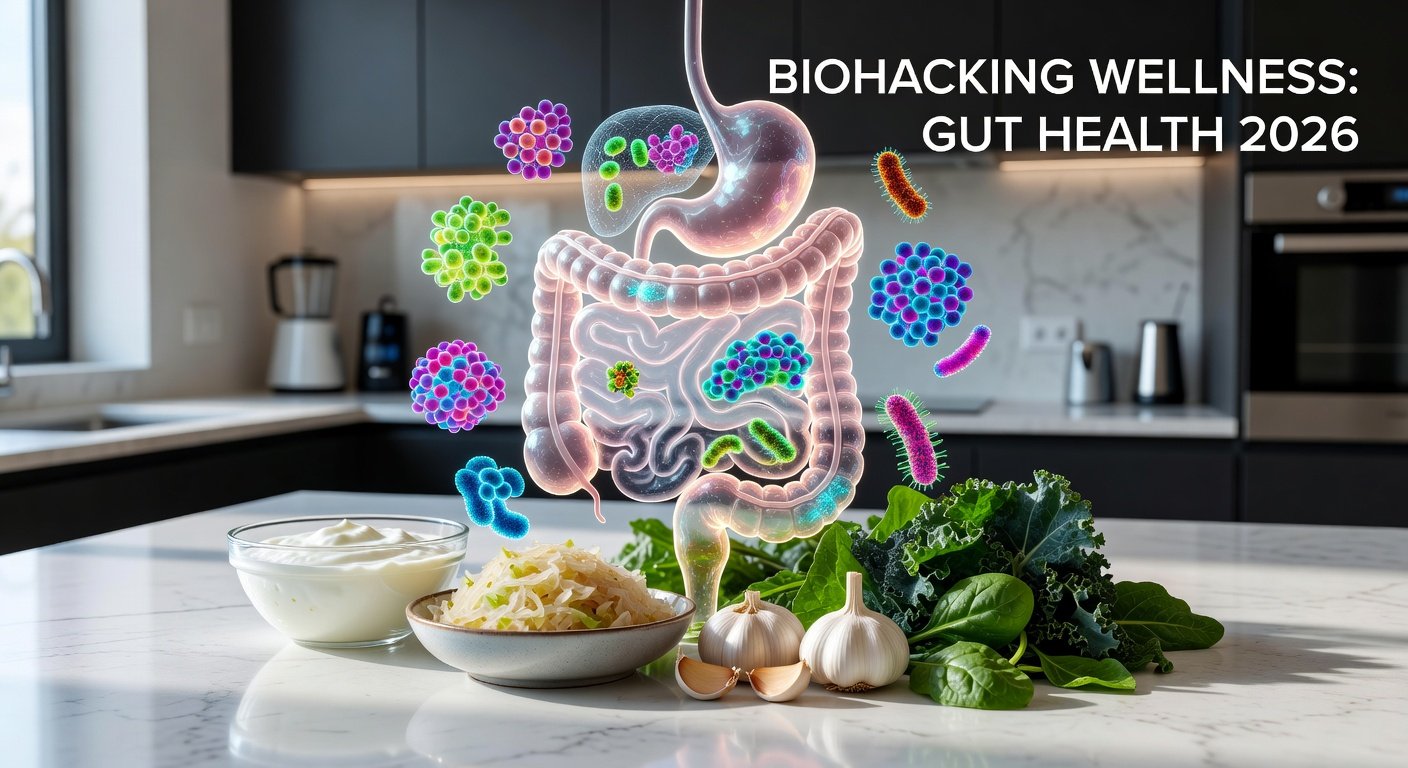
Antibiotics are powerful tools that eliminate harmful bacteria during infections, yet they frequently cause unintended damage to the delicate ecosystem in your digestive tract. This disruption can lead to reduced microbial diversity, digestive discomfort, weakened immune function, and even impacts on mental clarity through the gut-brain axis. In 2026, more people are turning to targeted recovery strategies to accelerate healing. This in-depth guide provides a complete 7-day protocol designed for those recovering from antibiotic use, featuring specific probiotic recommendations, prebiotic-rich foods, sample meal plans, lifestyle adjustments, and practical tracking techniques to rebuild a resilient gut microbiome and restore optimal digestion.
Understanding How Antibiotics Disrupt Bacterial Balance
Antibiotics work by killing or inhibiting bacterial growth, but this process does not distinguish between pathogenic and beneficial strains. Broad-spectrum antibiotics in particular can reduce overall gut bacterial populations dramatically, sometimes eliminating up to one-third of species diversity within days. This imbalance, known as dysbiosis, often manifests as diarrhea, bloating, gas, or constipation. Over time, it may contribute to nutrient malabsorption and increased susceptibility to opportunistic infections. Recovery begins the moment you finish your prescription, but without intervention, full microbiome restoration can stretch from four to twelve weeks. Supporting the regrowth of beneficial bacteria early helps minimize these effects and promotes faster return to baseline health.
Key Probiotic Strains for Fast Microbiome Rebuilding
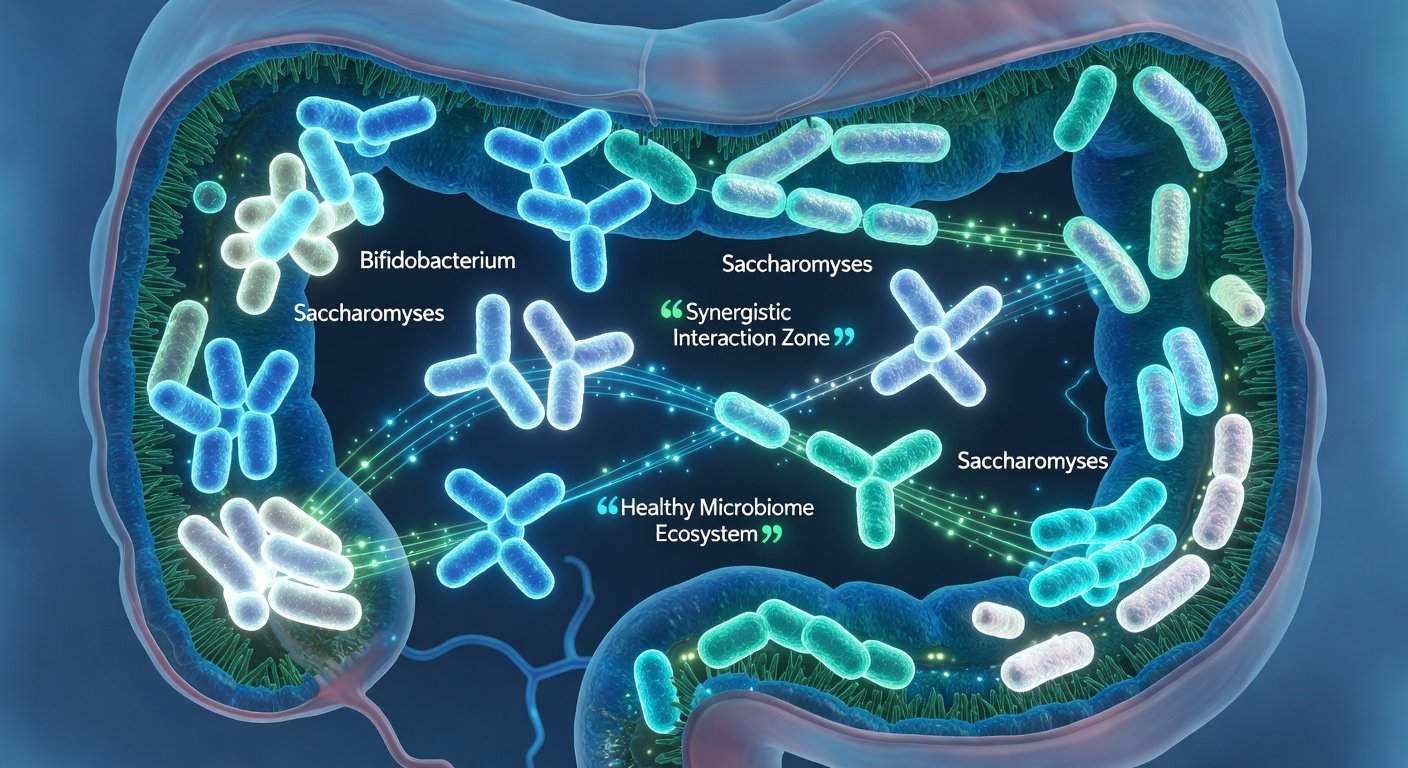
Certain probiotic strains stand out for post-antibiotic recovery because they survive stomach acid and colonize effectively. Saccharomyces boulardii, a beneficial yeast, helps prevent antibiotic-associated diarrhea and supports intestinal barrier function. Bifidobacterium species, including B. longum and B. bifidum, excel at producing short-chain fatty acids that nourish colon cells and reduce inflammation. Lactobacillus rhamnosus GG is another powerhouse shown to restore microbial balance quickly. Aim for products delivering at least 10-20 billion CFUs daily, taken at least two hours after any remaining antibiotic doses if applicable. Combining these strains creates a synergistic effect that accelerates recolonization compared to single-strain formulas.
Prebiotic Foods That Nourish Beneficial Bacteria
Probiotics need fuel to thrive, which comes from prebiotic fibers found in everyday foods. Garlic, onions, leeks, asparagus, bananas, oats, and apples contain inulin and fructooligosaccharides that selectively feed good bacteria. Incorporate these gradually to avoid excessive gas during the adjustment period. For example, start with small portions of cooked garlic in soups or raw banana in smoothies. These foods not only support existing microbes but also encourage the growth of new beneficial colonies established by your probiotic supplements.
The Complete 7-Day Recovery Protocol
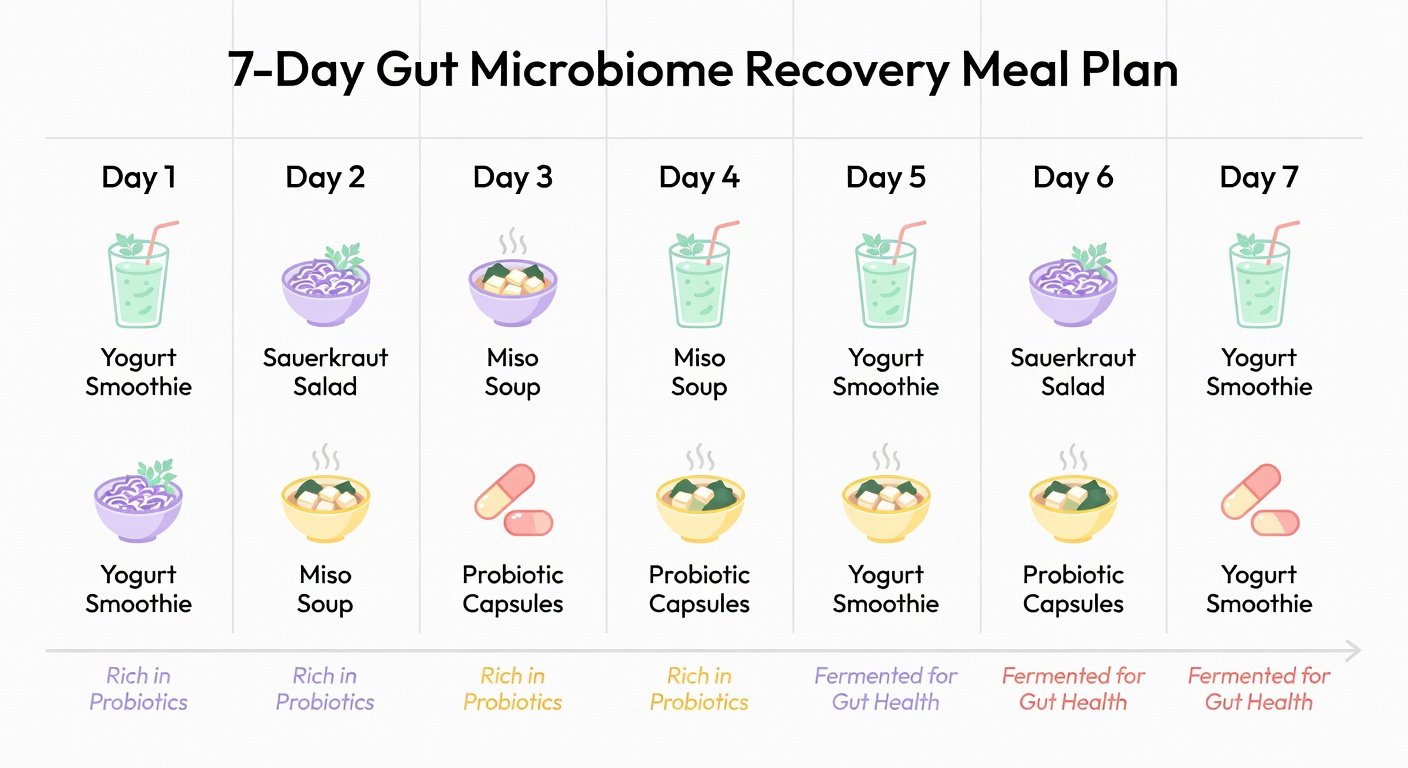
Follow this phased approach for structured results. Days 1 through 3 focus on intensive probiotic introduction and gentle hydration to ease transition. Days 4 through 5 emphasize adding prebiotic diversity while monitoring tolerance. Days 6 and 7 integrate fermented foods and lifestyle habits for sustained progress. Each day includes consistent timing: take probiotics first thing in the morning with water, followed by prebiotic meals spaced throughout the day. Adjust portion sizes based on your body weight and activity level, and listen to signals like bloating to fine-tune intake.
Expanded Daily Meal Plan Examples
Breakfast options include a yogurt-based smoothie blending plain Greek yogurt or coconut yogurt with frozen berries, a green banana, a tablespoon of ground flaxseed, and one scoop of a multi-strain probiotic powder containing Bifidobacterium. Mid-morning snack could feature a small bowl of overnight oats topped with sliced apple and a sprinkle of chicory root fiber. Lunch ideas center on a hearty sauerkraut salad made with shredded cabbage fermented at home or store-bought, mixed with grilled salmon or tofu, avocado, and olive oil dressing. Afternoon choices might involve miso-glazed vegetables or a kefir drink with added prebiotic powder. Dinner examples feature lentil soup simmered with garlic, leeks, and asparagus, paired with a side of kimchi or pickled beets. Evening wind-down includes a cup of herbal tea with a teaspoon of raw honey and a small serving of dark chocolate containing at least 70 percent cacao for additional polyphenols that support microbial diversity. Rotate proteins and vegetables daily to expose your gut to varied fibers and nutrients.
Lifestyle Factors That Accelerate Gut Healing
Beyond nutrition, daily habits play a crucial role. Maintain hydration by drinking at least three liters of filtered water spread evenly across waking hours, as adequate fluid supports mucosal lining repair. Prioritize seven to nine hours of quality sleep each night because circadian rhythms influence microbial activity. Incorporate gentle movement such as 20-minute walks after meals to stimulate peristalsis and improve nutrient absorption. Stress management techniques like deep breathing exercises or short yoga sessions lower cortisol levels that otherwise hinder beneficial bacteria growth. Avoid unnecessary alcohol and processed sugars during this window, as they can feed undesirable microbes and slow recovery.
Comparing Over-the-Counter and Prescription Probiotics
Over-the-counter probiotic supplements offer accessible options with broad strain blends suitable for most mild to moderate recovery needs. Brands available at pharmacies provide convenience and often include Saccharomyces boulardii alongside Lactobacillus and Bifidobacterium strains. Prescription probiotics, typically obtained through a gastroenterologist, deliver higher concentrations or specialized formulations for individuals with severe dysbiosis or underlying conditions. User reports indicate that consistent OTC use leads to improved digestion within five to seven days for many, while prescription support may extend benefits over two to three weeks in complex cases. Discuss your full medical history with a professional to determine the best fit rather than self-prescribing high-potency versions.
Real-world recovery timelines vary but commonly show reduced bloating by day four, normalized bowel movements by day seven, and noticeable energy improvements by day ten when the protocol is followed diligently.
Effective Progress Tracking Techniques
Monitor your journey with a simple daily log noting stool consistency using the Bristol Stool Scale, energy levels on a one-to-ten scale, and any digestive symptoms. Digital apps designed for gut health allow photo uploads of meals and automated reminders for supplement timing. Weekly weigh-ins and measurements of waist circumference can reveal reductions in inflammation-related bloating. At the end of day seven, compare notes to your starting point and celebrate small wins such as fewer cravings for sugary foods or steadier mood throughout the day.
Common Mistakes to Avoid During Recovery
- Taking probiotics at the same time as antibiotics, which reduces their effectiveness.
- Introducing too many new prebiotic foods at once, leading to excessive gas and discomfort.
- Skipping hydration or sleep, both of which slow microbial recolonization.
- Expecting overnight results instead of allowing the full seven days for initial stabilization.
Frequently Asked Questions
When is the ideal time to begin probiotics after finishing antibiotics?
Start within 24 to 48 hours after your final dose to give beneficial strains the best opportunity to establish before opportunistic organisms return.
What side effects might appear while rebuilding the microbiome?
Temporary increases in gas, mild cramping, or changes in stool frequency are normal as bacteria compete and adapt; these typically subside within three to five days.
How long until I should consult a doctor if issues continue?
If symptoms such as severe diarrhea, blood in stool, high fever, or intense abdominal pain persist beyond seven days, schedule a medical evaluation promptly. CDC guidelines on antibiotic side effects offer additional context for when professional input is warranted.
Can I follow this protocol while on a vegan or gluten-free diet?
Absolutely—substitute dairy yogurt with plant-based alternatives and choose certified gluten-free oats and fermented vegetables to maintain the same benefits.
By committing to this evidence-informed approach, you equip your body with the tools needed for robust microbiome restoration. Consistent application of these gut hacks supports not only better digestion but also overall vitality in the months ahead.
Explore more in our biohacking basics guide.

No comments yet. Be the first!