 Slow Bio Hack

Introduction to Probiotic Stacking
Probiotic stacking represents an advanced approach to microbiome optimization, moving beyond single-strain supplements to strategic combinations that enhance digestion and overall gut health. In 2026, research highlights how diverse bacterial and yeast strains work synergistically to improve microbial diversity, leading to better nutrient absorption and reduced inflammation.
This method appeals to biohackers seeking superior results from their gut health routines. By combining specific probiotics, users can target multiple aspects of digestive function simultaneously.
The Science of Synergistic Strains in 2026
Recent studies emphasize the benefits of microbial diversity through stacking. Pairing strains allows for complementary actions, such as one strain producing short-chain fatty acids while another supports immune modulation. Mayo Clinic resources outline how diverse probiotics support intestinal barrier integrity.
Key evidence from 2026 publications shows that multi-strain protocols outperform single-strain options in promoting long-term microbiome stability.
Key Strain Pairings for Maximum Impact
Effective stacking begins with proven combinations. Bifidobacterium species paired with Saccharomyces boulardii creates synergy for digestion support. Bifidobacterium aids in breaking down complex carbohydrates, while Saccharomyces helps combat pathogens and restore balance after disruptions.
Another strong pairing involves Lactobacillus with Akkermansia for enhanced mucus layer protection. These combinations address multiple gut functions at once, from pH regulation to anti-inflammatory effects.
Daily Protocols and Optimal Timing Tips
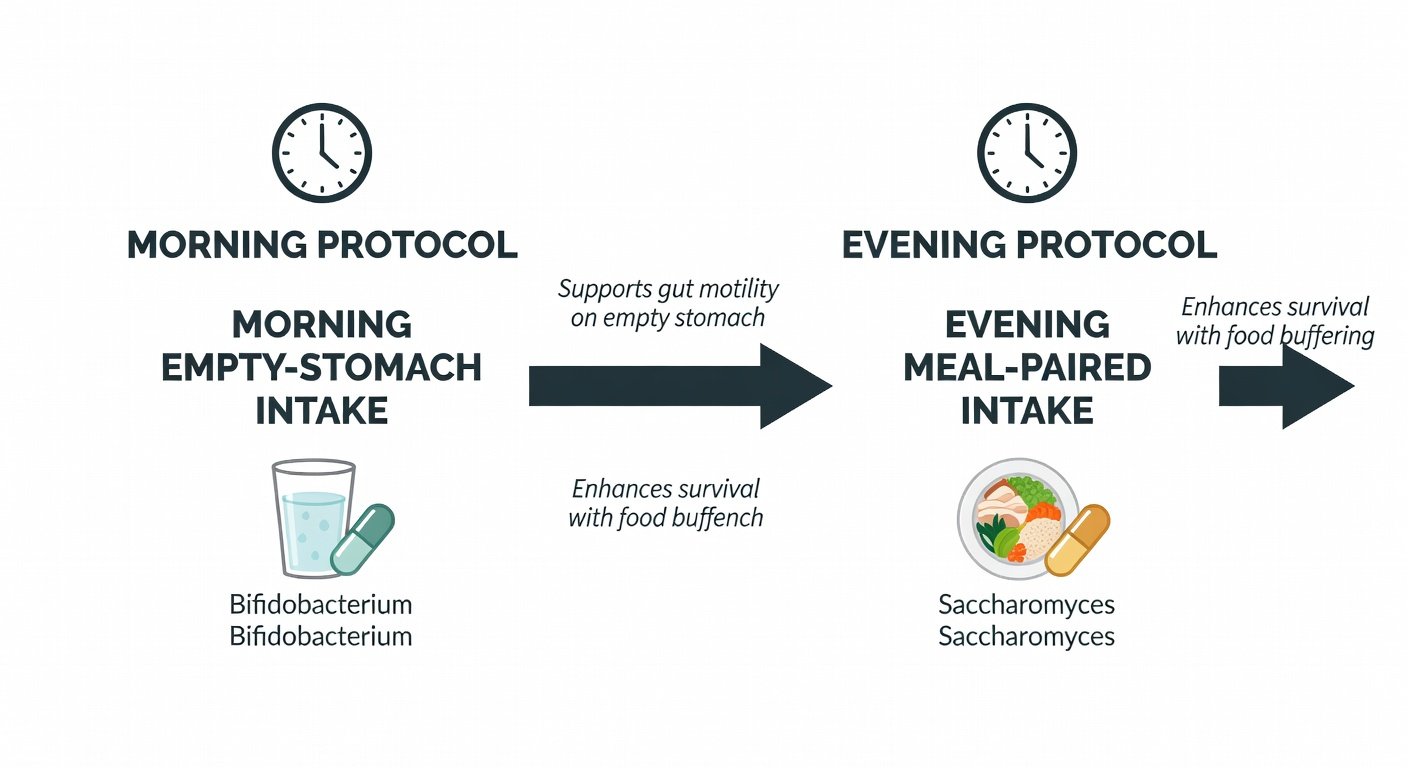
Timing matters for probiotic efficacy. Take spore-forming strains like Bacillus in the morning on an empty stomach to survive stomach acid. Combine with Saccharomyces in the evening alongside a light meal for better colonization.
A sample daily stack includes 20-30 billion CFUs of Bifidobacterium in the AM and 10 billion CFUs of Saccharomyces in the PM. Rotate strains every 4-6 weeks to prevent adaptation and maintain diversity.
Product Comparisons for Advanced Users
When selecting products, prioritize those with clinically studied strains and third-party testing. Multi-strain formulas with at least 10-15 diverse species often yield better stacking results than basic options. Look for delayed-release capsules to protect viability through the digestive tract.
Compare labels for CFU counts at expiration rather than manufacture date, and ensure no unnecessary fillers that could disrupt gut balance.
Real-User Case Examples
Advanced users report transformative results from stacking. One biohacker combined Bifidobacterium longum with Saccharomyces boulardii, noting improved digestion and energy within three weeks. Another tracked reduced bloating after implementing a timed Lactobacillus and Akkermansia protocol over two months.
These examples illustrate how personalized stacking addresses individual microbiome needs effectively.
5-Step Implementation Guide
- Assess your current gut health baseline through symptoms and optional testing.
- Select 2-3 complementary strains based on research-backed pairings.
- Establish a consistent daily schedule with proper timing relative to meals.
- Monitor progress over 4-8 weeks, adjusting dosages as needed.
- Reassess and rotate strains to sustain long-term benefits.
Potential Side Effects and How to Mitigate Them
While generally safe, stacking can cause temporary bloating or gas as the microbiome adjusts. Start with lower doses and introduce one strain at a time. Stay hydrated and pair with prebiotic fibers for smoother transitions.
Consult a healthcare provider if symptoms persist beyond two weeks or if you have underlying conditions.
FAQs on Monitoring Progress via At-Home Tests
How do I track improvements? Use at-home microbiome test kits to measure diversity changes before and after stacking.
What markers indicate success? Look for increased beneficial bacteria counts and reduced markers of inflammation in test results.
How often should I test? Retest every 3 months to evaluate protocol effectiveness and make informed adjustments.
Conclusion
Probiotic stacking offers a powerful 2026 hack for advanced gut health optimization. By applying these evidence-based strategies, users achieve superior digestion and microbiome resilience. Begin with the 5-step guide today to unlock your gut's full potential.


No comments yet. Be the first!