 Slow Bio Hack
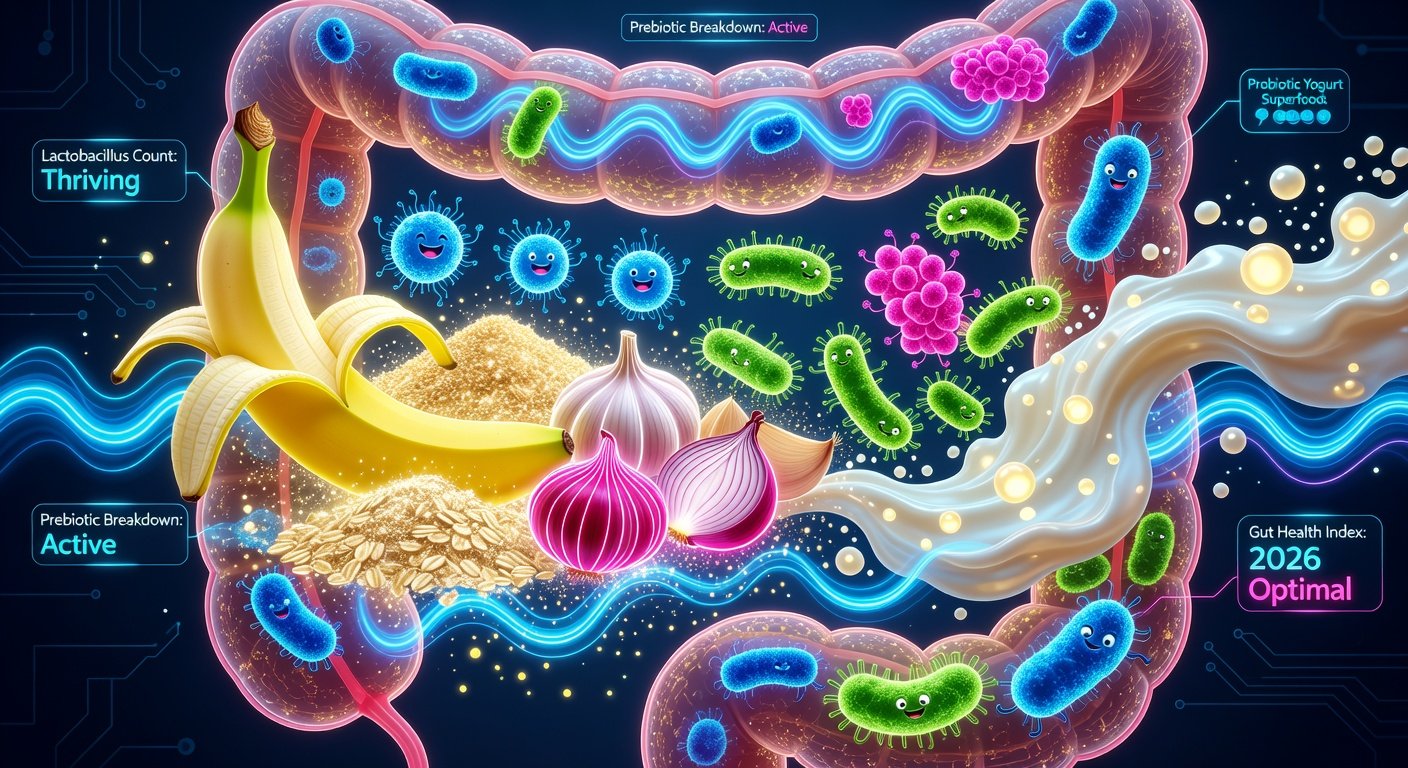
What Are Prebiotics and Why Do They Matter in 2026?
Prebiotics are the unsung heroes of gut health—non-digestible fibers that act as fuel for your gut microbiome. Unlike probiotics, which are live beneficial bacteria, prebiotics nourish these microbes, helping them thrive and diversify. In 2026, cutting-edge research emphasizes microbiome diversity as key to digestion, immunity, and even mental health.
Recent studies, including those from the National Institutes of Health (NIH), show that a diverse gut microbiome reduces inflammation, improves nutrient absorption, and prevents digestive disorders like IBS and bloating. Prebiotics ferment in the colon, producing short-chain fatty acids (SCFAs) like butyrate, which strengthen the gut lining and regulate bowel movements.
With rising awareness of the gut-brain axis, prebiotics are now linked to reduced anxiety and better sleep. As lifestyles get busier, incorporating prebiotics isn't just a trend—it's a biohack for optimal digestion and longevity.
2026 Science Updates: Microbiome Diversity Revolution
By 2026, microbiome research has exploded. Longitudinal studies reveal that high prebiotic intake correlates with 30% greater microbial diversity, slashing risks of metabolic syndrome and colorectal issues. A landmark meta-analysis highlights how prebiotic-rich diets enhance probiotic efficacy, creating a synergistic effect for faster gut repair.
Emerging tech like AI-driven stool analysis (via wearables) confirms: diverse microbiomes process fiber 25% more efficiently, leading to smoother digestion. Experts from Harvard Health note that prebiotics from whole foods outperform supplements, promoting resilient gut ecosystems against antibiotics and stress.
Key Benefits of Prebiotics for Digestion and Gut Health
Prebiotics transform your gut from the inside out:
- Improved Regularity: Softer stools and fewer constipation episodes via SCFA production.
- Reduced Bloating: Balanced fermentation minimizes gas buildup.
- Enhanced Immunity: 70% of immune cells reside in the gut; prebiotics bolster this defense.
- Better Nutrient Uptake: Healthier microbes extract vitamins and minerals more effectively.
- Mood Boost: Via the gut-brain axis, linked to serotonin production.
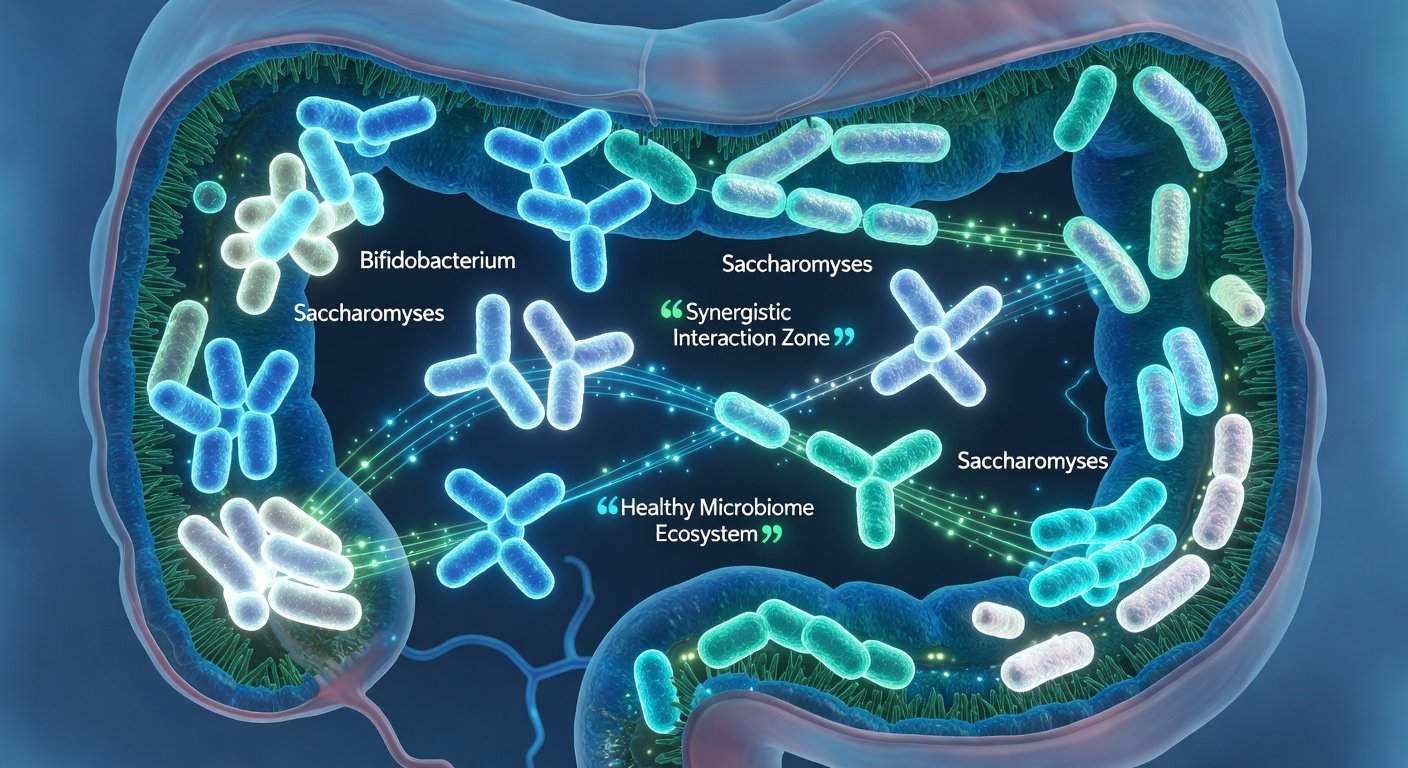
Pairing prebiotics with probiotics amplifies these effects—prebiotics feed the good bacteria you introduce, ensuring they colonize successfully.
7 Practical Prebiotic Hacks and Recipes for Everyday Use
Here are 7 actionable hacks using accessible prebiotic foods like garlic, onions, bananas, oats, apples, leeks, and chicory root. Each pairs with probiotic sources (yogurt, kefir, sauerkraut) for synergy. Start with one hack daily for noticeable digestion improvements in weeks.
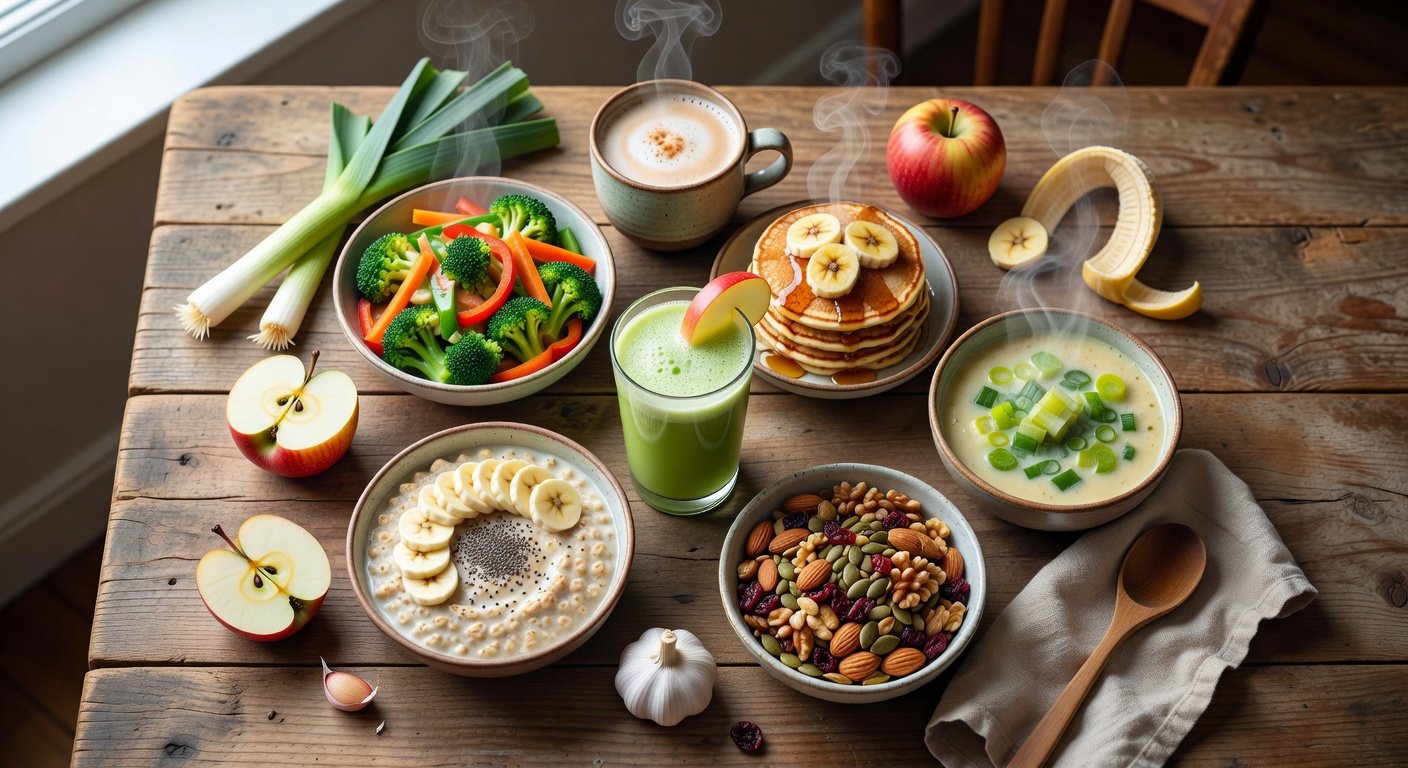
Hack 1: Overnight Oats Power Bowl
Oats' beta-glucans are prebiotic gold. Mix ½ cup rolled oats, 1 sliced banana (inulin-rich), and 1 cup kefir. Refrigerate overnight. Top with chia seeds. Probiotic synergy: Kefir's strains multiply on oat fibers. Eat for breakfast—reduces morning bloating.
Hack 2: Garlic-Onion Sautéed Veggies
Garlic and onions deliver fructo-oligosaccharides (FOS). Sauté 2 minced garlic cloves, 1 diced onion, and leeks with olive oil. Add spinach. Serve over quinoa with yogurt dollop. Why it works: FOS feeds Bifidobacteria, easing IBS symptoms.
Hack 3: Apple-Cinnamon Smoothie
Apple pectin ferments slowly for steady prebiotic release. Blend 1 apple (skin on), 1 banana, handful spinach, and Greek yogurt. Add cinnamon for anti-inflammatory boost. Synergy tip: Yogurt cultures thrive on pectin, improving lactose digestion.
Hack 4: Chicory Root Coffee Swap
Chicory's inulin rivals commercial supplements. Brew 1 tsp roasted chicory root with hot water; mix in kefir for a creamy latte. 2026 update: Studies show inulin increases Akkermansia, a mucin-loving bacterium for gut barrier integrity.
Hack 5: Banana-Oat Pancakes
Mash 2 ripe bananas into 1 cup oat flour batter. Cook and top with sauerkraut yogurt (fermented cabbage + yogurt). Practical step: Ripe bananas have 3x more resistant starch—prebiotic jackpot.
Hack 6: Leek and Asparagus Soup
Leeks provide FOS; asparagus adds inulin. Simmer 2 leeks, 1 bunch asparagus, garlic, blend with bone broth and kefir swirl. Benefit: Soup form maximizes absorption for sensitive stomachs.
Hack 7: Prebiotic Trail Mix
Combine dried apples, oats, garlic-seasoned nuts, and probiotic cheese cubes. Portion for snacks. Portability hack: Keeps microbiome fed on-the-go, preventing energy crashes.
How to Pair Prebiotics with Probiotics for Maximum Synergy
For best results:
- Timing: Consume prebiotics 30 minutes before probiotics to "prime" the gut.
- Diversity: Rotate foods to feed various strains—e.g., inulin for Bifido, resistant starch for Lacto.
- Hydration: Drink 8-10 glasses water daily; fibers need it to ferment properly.
- Start Slow: Begin with 5g prebiotics/day to avoid temporary gas.
Track progress with apps monitoring bowel habits and energy.
Common Mistakes to Avoid with Prebiotic Hacks
Don't sabotage your efforts:
- Over-relying on supplements—whole foods offer phytonutrients.
- Ignoring food sensitivities—test FODMAPs if bloated.
- Skipping variety—same foods limit diversity.
- Forgetting fermented pairs—solo prebiotics underperform.
Consult a doctor for conditions like SIBO. Reference Mayo Clinic guidelines for safe integration.
FAQs: Prebiotics and Gut Health in 2026
Q: How long until I see digestion improvements?
A: 2-4 weeks with consistent intake; diversity builds gradually.
Q: Are prebiotic sodas effective?
A: Minimal—opt for real foods for full-spectrum benefits.
Q: Can kids use these hacks?
A: Yes, kid-sized portions promote lifelong gut health.
Q: What's the daily prebiotic target?
A: 25-30g from food; track via apps.
Conclusion: Fuel Your Gut for a Healthier 2026
Prebiotic power isn't hype—it's science-backed for superior digestion and vitality. Implement these 7 hacks, pair wisely with probiotics, and watch your microbiome flourish. Small daily changes yield profound gut health gains. Start today for a resilient, diverse microbiome tomorrow.
No comments yet. Be the first!