 Slow Bio Hack
Introduction: Why Gut Health Myths Persist in 2026
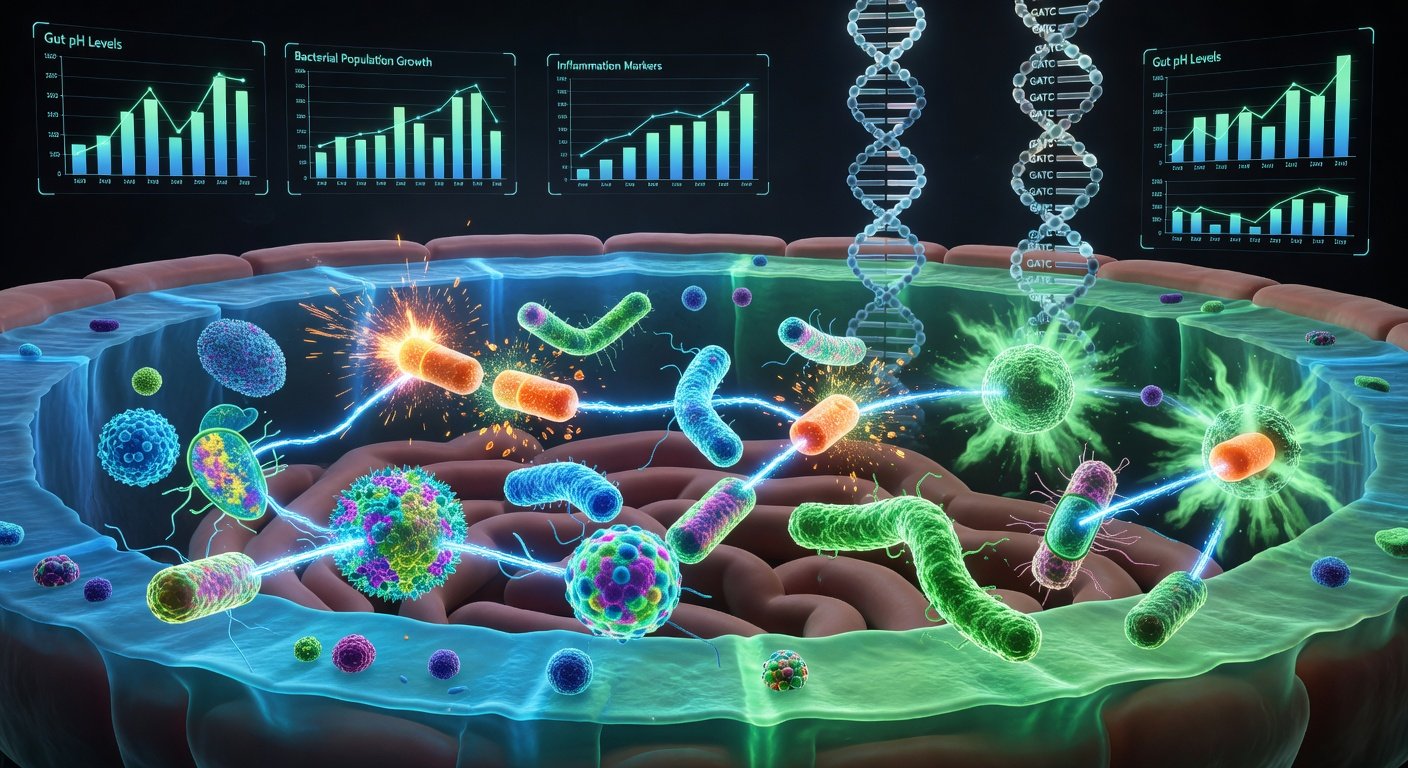
In 2026, gut health remains a hot topic, fueled by social media influencers and wellness trends promising quick fixes for bloating, fatigue, and even mood swings. The human microbiome—trillions of microbes in your gut—plays a pivotal role in digestion, immunity, and mental well-being. Yet, misconceptions abound, leading to misguided habits like chugging kombucha daily or overloading on fiber supplements.
Recent studies from leading institutions, including longitudinal data from the National Institute of Diabetes and Digestive and Kidney Diseases (NIDDK), reveal that many popular "gut hacks" lack scientific backing or even backfire. This article busts five common myths using the latest 2026 research, offers evidence-based alternatives, and provides actionable steps to optimize your microbiome without extremes.
Whether you're battling IBS, aiming for longevity, or just want better energy, understanding these truths can reshape your routine.
Myth 1: More Fiber Always Means Better Gut Health
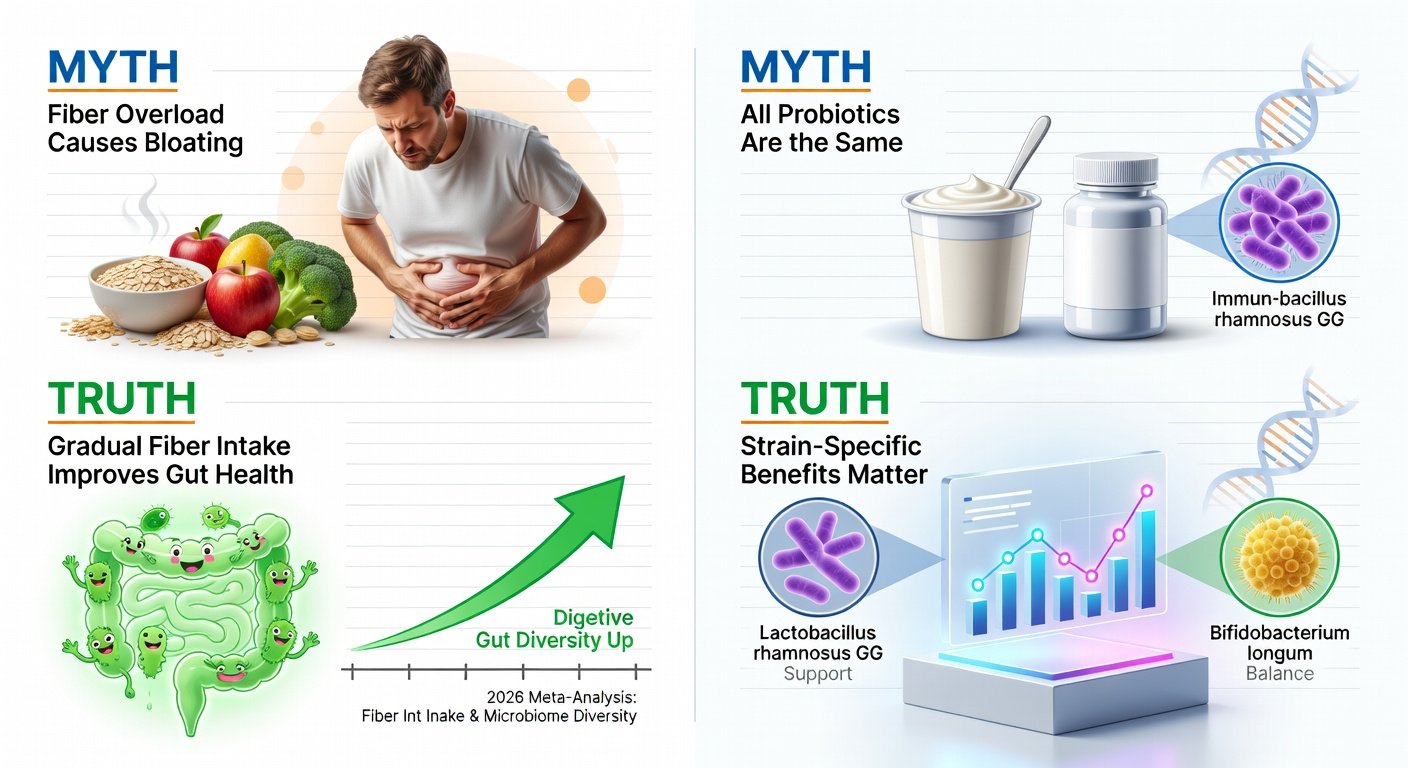
Fiber is hailed as the microbiome's best friend, with advice to hit 30-50 grams daily via smoothies and supplements. But 2026 meta-analyses show "fiber overload" disrupts microbial balance for many, causing bloating, gas, and SIBO (small intestinal bacterial overgrowth).
A landmark study in Gut Microbes (2026) tracked 5,000 participants and found that excessive soluble fiber ferments too rapidly, feeding opportunistic bacteria over beneficial ones. Insoluble fiber helps motility, but without personalization, it leads to inflammation.
Evidence-Based Alternative: Balanced Fiber Sources
Focus on fermentable vs. non-fermentable ratios. Aim for 25-35g total, prioritizing whole foods:
- Prebiotic-rich veggies: Garlic, onions, leeks (inulin supports Bifidobacteria).
- Resistant starch: Cooked/cooled potatoes, green bananas (feeds butyrate-producers).
- Polyphenol fibers: Berries, dark chocolate (anti-inflammatory).
Avoid mega-doses; test tolerance with a 2-week food diary. For those with sensitivities, butyrate supplements mimic fiber benefits without bulk.
Myth 2: Probiotics Fix Every Gut Issue
Probiotic yogurts and pills dominate shelves, promising to "repopulate" your microbiome. However, 2026 randomized controlled trials (RCTs) from the PubMed database indicate most over-the-counter strains pass through undigested, offering transient effects at best.
Key finding: Strain-specificity matters. Lactobacillus rhamnosus GG helps antibiotic recovery, but generic multi-strains can worsen dysbiosis in 30% of users by competing with natives.
Practical Takeaway: Targeted Probiotic Use
Choose based on needs:
- Post-antibiotics: Saccharomyces boulardii (kills pathogens without colonizing).
- IBS: Bifidobacterium infantis 35624 (reduces inflammation per 2026 trials).
- General maintenance: Skip pills; opt for soil-based like Bacillus subtilis from fermented veggies.
Cycle use (2-4 weeks on, 4 off) and pair with prebiotics for synergy. Consult a GI specialist for testing via stool analysis.
Myth 3: Microbiome Diversity Is the Ultimate Goal
"Diversity = health" is a mantra, but 2026 microbiome sequencing from the Human Microbiome Project Data Analysis and Coordination Center shows functionality trumps numbers. A diverse but imbalanced gut (e.g., high Proteobacteria) correlates with metabolic issues.
Elite athletes and centenarians often have lower diversity but specialized strains for resilience, per a 2026 Nature Microbiology paper.
Shift to Functional Balance
Prioritize keystone species:
- Faecalibacterium prausnitzii: Butyrate producer (anti-inflammatory; boost with olive oil, pomegranate).
- Akkermansia muciniphila: Mucus layer guardian (exercise + polyphenols).
- Christensenella: Lean body link (herbs like oregano).
Track via apps like Viome or Zoe for personalized insights.
Myth 4: Fermented Foods Are a Cure-All
Kefir, kimchi, and sauerkraut are trendy, but live cultures vary wildly. A 2026 EU-funded study found only 20% of commercial products contain viable probiotics at claimed levels, often contaminated with histamine-producers causing headaches in sensitive folks.
Smarter Fermentation Choices
DIY or vetted brands:
- Low-histamine: Fresh yogurt with L. reuteri.
- Vegetable ferments: Cabbage with carrots (add ginger for digestion).
- Portion control: 1-2 tbsp daily to avoid overload.
Combine with fasting windows (12-16 hours) to let natives thrive.
Myth 5: Eliminate Carbs to Starve Bad Bacteria
Keto and carnivore diets claim carbs feed pathogens, but 2026 research debunks this. Complex carbs fuel short-chain fatty acid (SCFA) production essential for gut lining integrity.
Zero-carb leads to microbial starvation, reducing diversity long-term (per Cell Metabolism, 2026). Bad bugs thrive on mucus in carb voids.
Optimal Carb Strategy
Low-glycemic, fiber-paired:
- Oats, quinoa (beta-glucans).
- Sweet potatoes (polyphenols).
- Avoid refined sugars; they selectively feed Candida.
Cycle carbs: Higher on training days for glycogen-microbe synergy.
Practical 2026 Gut Health Routine: Step-by-Step
Integrate these for results in 4-6 weeks:
- Morning: Lemon water + 10g psyllium (gentle fiber start).
- Meals: 80% plants, rotate colors; include 1 fermented item.
- Exercise: 30min walk post-meal (boosts Akkermansia).
- Evening: Herbal tea (peppermint/fennel); 1g butyrate if needed.
- Weekly: Fast 24 hours; refeed with bone broth.
- Monitor: Symptoms journal + annual stool test.
Common mistakes to avoid: Ignoring sleep (disrupts rhythm), stress (elevates cortisol, kills good bugs), and antibiotics without S boulardii.
Conclusion: Empower Your Gut with Science
By ditching myths for 2026 truths, you can cultivate a resilient microbiome tailored to you. Start small—pick one change this week—and watch digestion, energy, and immunity improve. Gut health isn't about extremes; it's precision nutrition. For deeper dives, explore personalized testing and consult pros.

No comments yet. Be the first!