 Slow Bio Hack
What Are Probiotics and Why Do They Matter?
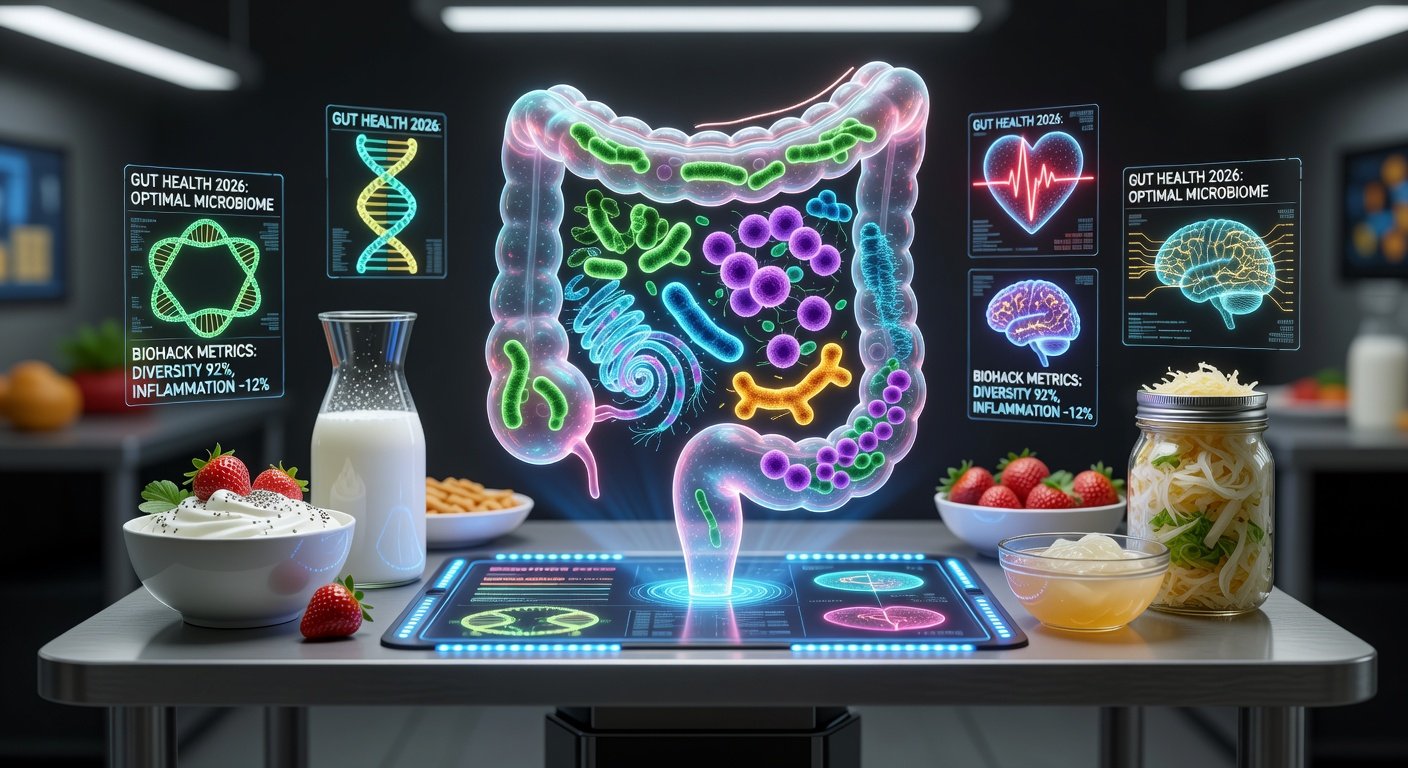
Probiotics are live microorganisms, often called "good bacteria," that provide health benefits when consumed in adequate amounts. They play a crucial role in nurturing your gut microbiome—the trillions of bacteria, fungi, and other microbes living in your digestive tract. A balanced gut microbiome supports digestion, immunity, mood, and even skin health.
In 2026, with rising awareness of biohacking and personalized health, probiotics have become a cornerstone for lasting gut health improvements. Poor diet, stress, antibiotics, and environmental toxins can disrupt this delicate ecosystem, leading to bloating, irregular bowel movements, fatigue, and inflammation. Introducing probiotics helps restore balance, promoting smoother digestion and overall vitality.
The Science Behind Probiotics and the Gut Microbiome
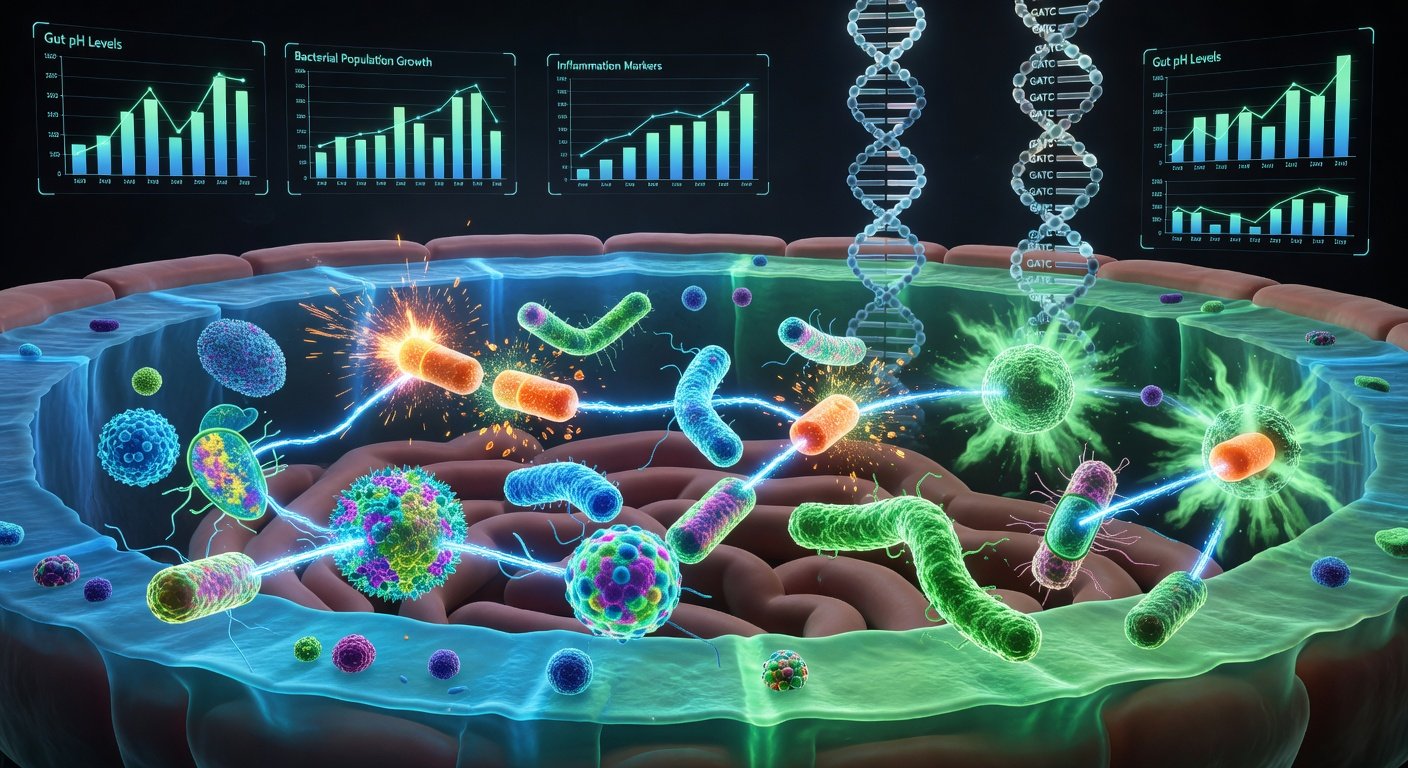
Your gut microbiome influences everything from nutrient absorption to pathogen defense. Probiotics work by colonizing the gut, competing with harmful bacteria, producing short-chain fatty acids like butyrate for gut lining integrity, and modulating immune responses.
Research from authoritative sources highlights their efficacy. For instance, the MedlinePlus Probiotics page details how specific strains alleviate irritable bowel syndrome (IBS) symptoms and antibiotic-associated diarrhea. Studies show that a diverse microbiome correlates with better metabolic health and reduced chronic disease risk.
How to Select Effective Probiotic Strains
Not all probiotics are created equal. Success depends on strain specificity—Lactobacillus and Bifidobacterium are common genera, but look for clinically studied species like:
- Lactobacillus rhamnosus GG: Excellent for diarrhea prevention and immune support.
- Bifidobacterium longum: Aids IBS and reduces gut inflammation.
- Saccharomyces boulardii: A yeast probiotic ideal for antibiotic recovery.
Check for:
- CFU Count: At least 10-50 billion colony-forming units (CFUs) per dose.
- Viability: Refrigerated products or shelf-stable with enteric coating to survive stomach acid.
- Diversity: Multi-strain formulas for broader benefits.
- Third-Party Testing: Look for USP or NSF certification.
For personalized selection in 2026, consider at-home gut microbiome tests from companies like Viome or Thorne, matching strains to your unique profile.
Consult the NCCIH guide on probiotics for evidence-based strain recommendations tailored to conditions like lactose intolerance or traveler's diarrhea.
Simple Daily Incorporation Tips
Integrating probiotics doesn't require overhauls. Start small for sustainable habits:
- Food First: Eat fermented foods daily—yogurt, kefir, sauerkraut, kimchi, miso. Aim for 1-2 servings; Greek yogurt with live cultures is beginner-friendly.
- Supplements: Take once daily, preferably with meals to enhance survival. Morning with breakfast works for most.
- Prebiotic Pairing: Feed probiotics with prebiotics (inulin, FOS) from garlic, onions, bananas, or oats for synergy—synbiotics amplify effects.
- Hydration and Fiber: Drink 8-10 glasses of water and eat 25-30g fiber daily to support microbial growth.
Sample Day: Breakfast kefir smoothie with banana, lunch salad with sauerkraut, evening probiotic capsule. Track symptoms in a journal for 2-4 weeks to assess improvements.
Common Pitfalls to Avoid for Lasting Results
Many beginners stumble here, undermining progress:
- Overdoing It: Start low (5-10 billion CFUs) to avoid gas or bloating; ramp up gradually.
- Ignoring Quality: Cheap generics may lack viable bacteria—prioritize reputable brands like Garden of Life or Culturelle.
- Inconsistent Use: Probiotics aren't a quick fix; commit to 4-12 weeks minimum for colonization.
- Neglecting Lifestyle: Stress, poor sleep, and processed foods counteract benefits. Pair with mindfulness, 7-9 hours sleep, and whole foods.
- Medical Interactions: If immunocompromised or on meds, consult a doctor—probiotics are generally safe but not for everyone.
Avoid sugar-heavy probiotic gummies; they feed bad bacteria. In 2026, watch for emerging pitfalls like over-reliance on AI-recommended strains without personalization.
Probiotics in 2026: Emerging Trends and Future Outlook
Advancements include spore-based probiotics (resilient Bacillus strains), postbiotics (metabolites for stability), and genetically sequenced formulas. Wearables tracking gut volatility via HRV integrate seamlessly with probiotic regimens.
For comprehensive gut support, combine with butyrate supplements or Akkermansia muciniphila boosters. Long-term, a nurtured microbiome lowers risks for obesity, diabetes, and neurodegeneration.
Final Thoughts: Transform Your Gut Health Today
Probiotics offer an accessible entry to biohacking your digestion. By selecting targeted strains, incorporating daily via food and supplements, and dodging pitfalls, you'll foster a thriving microbiome for enhanced energy, mood, and resilience. Start simple, stay consistent, and monitor progress—your gut will thank you in 2026 and beyond.
No comments yet. Be the first!