 Slow Bio Hack

Introduction to Intermittent Fasting for Gut Health
Intermittent fasting has emerged as a powerful tool for resetting the gut microbiome and enhancing digestion in 2026. By cycling between periods of eating and fasting, this approach supports bacterial diversity, reduces inflammation, and optimizes nutrient absorption. The gut microbiome consists of trillions of microorganisms that influence immunity, mood, and overall wellness. Research from institutions like the National Institutes of Health shows how fasting periods allow beneficial bacteria to thrive while limiting harmful strains. This comprehensive guide explores popular protocols such as 16/8 and 18/6, provides step-by-step implementation for beginners, and addresses timing for probiotic synergy along with potential microbiome shifts.
Many individuals turn to intermittent fasting when seeking natural ways to improve digestion without relying solely on supplements. The practice works by giving the digestive system extended rest, which promotes autophagy and cellular repair in the gut lining. Beginners often notice reduced bloating and steadier energy levels within the first few weeks. Understanding the science behind these changes helps users apply the protocols effectively for lasting results.
Understanding the Microbiome and Fasting Connection
Fasting triggers a metabolic shift that promotes autophagy, a process where cells recycle damaged components and strengthen the intestinal barrier. During fasting windows, microbial communities rebalance, frequently increasing overall diversity. This leads to higher production of short-chain fatty acids that nourish colon cells and improve regularity. Key mechanisms include lowered insulin levels and decreased gut permeability, which together reduce systemic inflammation. Beginners should ease into fasting to prevent temporary disruptions in microbial balance. Over time, consistent practice supports a more resilient microbiome capable of handling dietary variations.
Popular Intermittent Fasting Protocols
Two widely adopted methods deliver strong microbiome benefits: the 16/8 and 18/6 protocols. Success depends on consistency rather than perfection, and both can be adjusted based on lifestyle demands.
The 16/8 Protocol
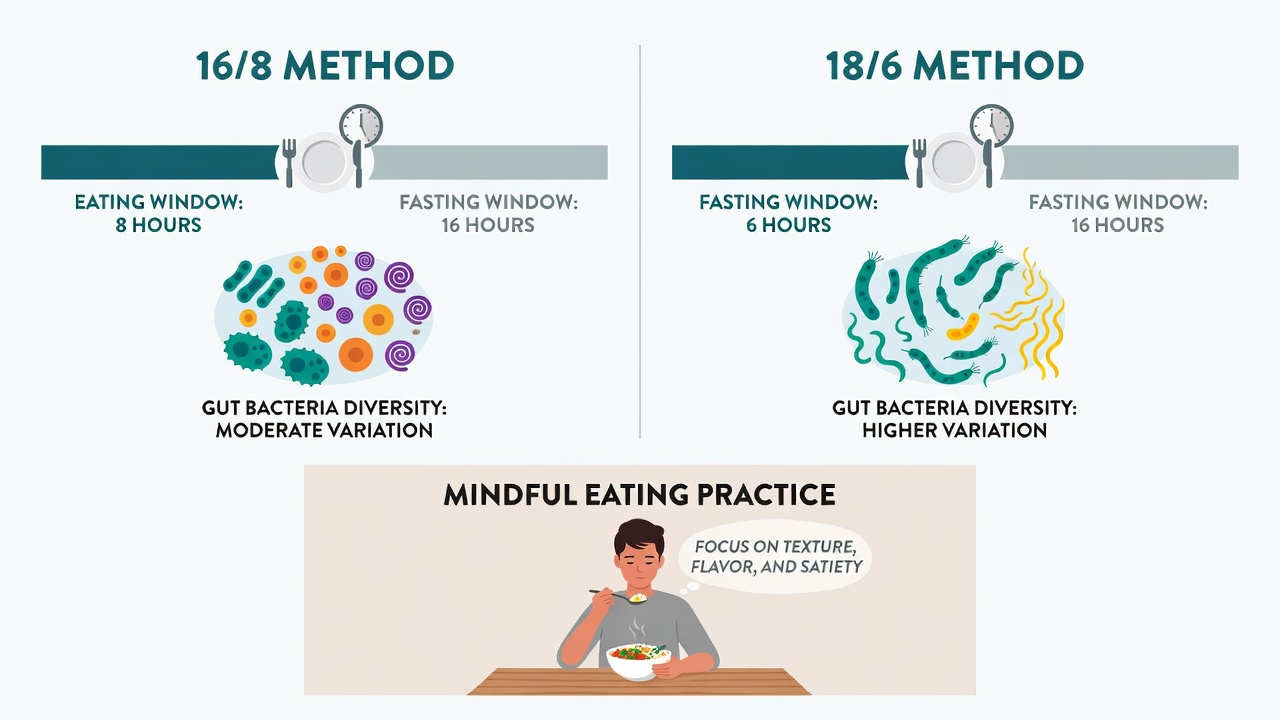
This method features a 16-hour fast paired with an 8-hour eating window. A common schedule involves finishing dinner by 8 PM and consuming the first meal at noon the following day. Step-by-step implementation for beginners includes these practical actions: start with 12-hour fasts during week one and extend by one hour each subsequent week; select fiber-rich, nutrient-dense foods during the eating period such as vegetables, legumes, and fermented items; and maintain hydration with water, herbal teas, or black coffee throughout fasting hours. Many users report noticeable reductions in digestive discomfort after two consistent weeks. Real-world examples show office workers adapting the schedule around lunch meetings while still achieving microbiome improvements.
The 18/6 Protocol
Once 16/8 feels routine, the 18/6 protocol offers a deeper reset with an 18-hour fast and 6-hour eating window. Alignment with circadian rhythms enhances outcomes, so most people eat between 1 PM and 7 PM. Gradual transition prevents excessive hunger and supports sustainable adherence. Users often combine this with mindful eating practices to maximize nutrient uptake during the shorter window.
Comparison of Fasting Windows
Choosing the right protocol depends on experience level and daily routine. The table below highlights key differences.
| Protocol | Fasting Duration | Eating Window | Best For | Microbiome Impact |
|---|---|---|---|---|
| 16/8 | 16 hours | 8 hours | Beginners seeking flexibility | Moderate increase in bacterial diversity and reduced inflammation markers |
| 18/6 | 18 hours | 6 hours | Intermediate users ready for deeper reset | Stronger rebalancing with elevated short-chain fatty acid production |
Timing Meals for Probiotic Synergy
Strategic meal timing amplifies benefits when combining fasting with probiotics. Consume fermented foods such as yogurt, kefir, sauerkraut, or kimchi at the beginning of the eating window to encourage colonization. This approach allows probiotics to interact with food while the subsequent fasting period gives microbes time to establish. A 35-year-old professional who adopted 16/8 and added kefir at noon observed improved regularity and less bloating after 30 days. Another example involves athletes who time prebiotic fibers like garlic and onions midway through their window to feed beneficial strains overnight.
Potential Microbiome Shifts and Evidence
Regular intermittent fasting tends to boost populations of beneficial species including Akkermansia muciniphila and various Bifidobacteria while suppressing inflammatory bacteria. These shifts correlate with better digestion, fewer food sensitivities, and enhanced immune function. Evidence from peer-reviewed sources continues to support these outcomes when protocols are followed consistently. For additional context, readers can explore guidance at Mayo Clinic and National Institutes of Health. Long-term practitioners often report sustained energy and improved skin clarity alongside digestive improvements.
Common Pitfalls to Avoid
Many beginners encounter setbacks that undermine progress. Over-restricting calories during eating windows can stress the microbiome rather than support it. Ignoring hydration leads to fatigue and poor digestion. Breaking fasts with heavy or processed meals often causes discomfort and setbacks. Another frequent mistake involves neglecting sleep quality, which compounds microbial imbalance. Track symptoms in a simple journal and adjust fasting length gradually. Avoid comparing progress to others since individual microbiomes respond differently.
Practical Steps for Monitoring Progress
Successful implementation includes regular self-assessment. Note daily energy levels, bowel regularity, and any bloating patterns. After four weeks, many users introduce a simple diversity checklist by rotating fermented foods and prebiotic sources. If digestion stalls, consider extending the fasting window by 30 minutes or adding a short walk after meals. These small adjustments compound over months to produce meaningful microbiome changes.
Frequently Asked Questions
Is intermittent fasting safe for everyone?
Most healthy adults tolerate the protocols well when started gradually. Pregnant individuals, those with eating disorders, or people managing chronic medical conditions should consult a physician before beginning.
How long until microbiome changes appear?
Digestion improvements frequently emerge within two to four weeks. Measurable increases in bacterial diversity typically require eight to twelve weeks of consistent practice according to available research.
Can I combine fasting with probiotics?
Yes. Timing probiotic-rich foods at the start of the eating window enhances synergy without interference. This strategy supports both microbial diversity and digestive comfort.
What should I eat to support results?
Focus on whole foods including vegetables, fruits, nuts, seeds, and fermented items. Limit ultra-processed foods that can counteract fasting benefits.
Conclusion
Intermittent fasting provides a sustainable, evidence-based method for microbiome reset and improved digestion. Beginning with the 16/8 protocol, monitoring personal responses, and refining habits over time leads to meaningful gut health gains. By avoiding common pitfalls and incorporating probiotic timing, users can achieve lasting benefits throughout 2026 and beyond. Consistency remains the most important factor for success.


No comments yet. Be the first!