 Slow Bio Hack
Introduction: Why Hydration Matters More Than You Think for Gut Health
In 2026, optimizing gut health extends far beyond basic probiotic supplements and increased fiber intake. Proper hydration serves as a foundational element that directly influences microbiome diversity and overall digestive efficiency. Water maintains the protective mucosal lining of the intestines, facilitates the absorption of essential nutrients, and promotes the smooth transit of food through the entire digestive system. This comprehensive guide delves into overlooked hydration strategies that deliver measurable improvements in gut function, focusing on timing, electrolyte management, and targeted herbal infusions that enhance probiotic activity. These approaches avoid overlap with topics like intermittent fasting or sleep optimization, instead emphasizing actionable daily habits that produce quick, sustainable results.
Even mild dehydration disrupts bacterial balance in the gut, reducing diversity and slowing metabolic processes that support digestion. By understanding fluid dynamics and their interplay with intestinal health, readers can implement changes that lead to reduced bloating, improved regularity, and enhanced overall wellness throughout the year.
The Science Behind Water Intake Timing and Gut Function
Strategic timing of water consumption plays a pivotal role in supporting digestive processes. Consuming water approximately 30 minutes before meals primes the stomach by preparing gastric juices for efficient food breakdown. Conversely, limiting large volumes during meals prevents dilution of critical digestive enzymes such as pepsin and amylase, which are necessary for protein and carbohydrate processing. Scientific insights from authoritative health bodies underscore that consistent hydration across the day sustains electrolyte equilibrium vital for peristalsis, the wave-like muscle contractions that move material through the intestines.
Electrolytes including sodium, potassium, and magnesium interact synergistically with water molecules to regulate gut motility. Disruptions in this balance often manifest as constipation, irregular bowel movements, or abdominal discomfort. For optimal results, consider spacing intake into smaller, frequent servings rather than infrequent large gulps, allowing the body to maintain steady hydration levels that foster a thriving microbial environment.
Electrolyte Balance for Enhanced Probiotic Activity
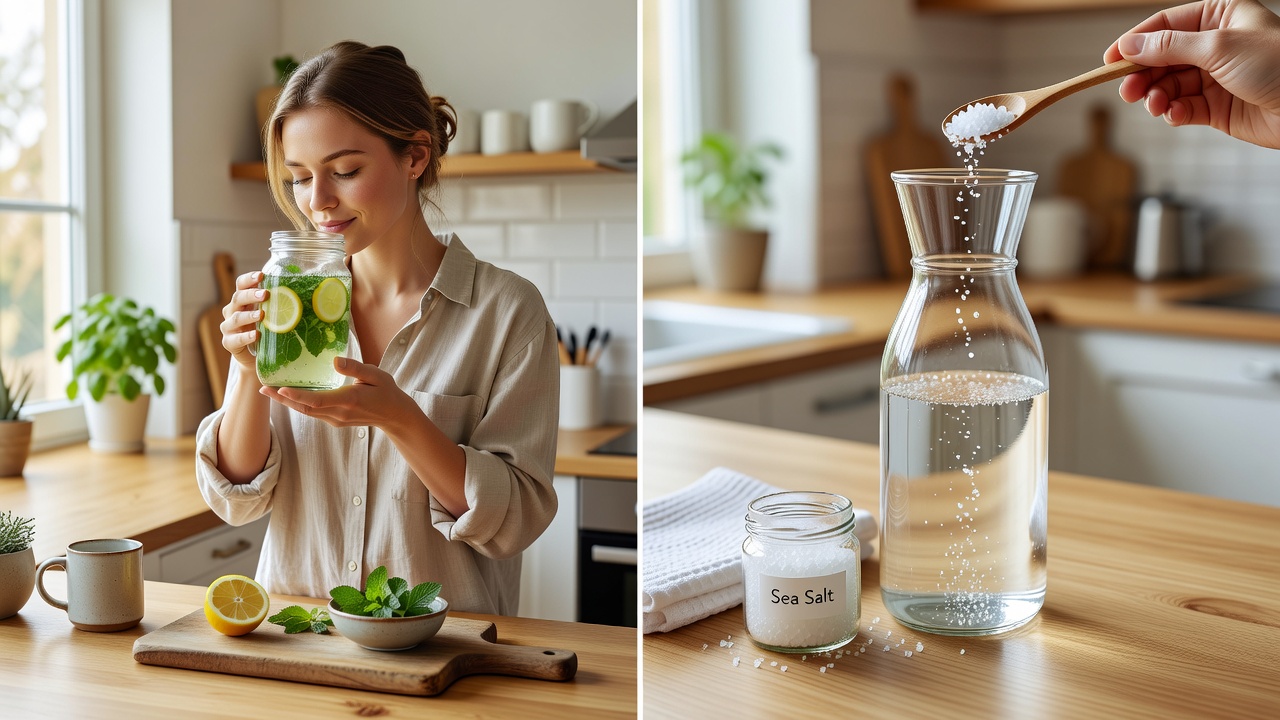
Maintaining proper electrolyte levels creates an ideal internal environment for beneficial gut bacteria to flourish. Incorporating a modest amount of high-quality sea salt or natural mineral sources into daily water supports cellular-level hydration while avoiding synthetic additives found in many commercial beverages. This method stabilizes intestinal pH, which in turn promotes the growth and activity of probiotic strains responsible for breaking down complex fibers and producing short-chain fatty acids essential for colon health.
Practical application involves experimenting with trace mineral drops or naturally occurring electrolyte powders derived from sources like coconut water or Himalayan salt. Users often report noticeable improvements in digestion within one to two weeks of consistent use, particularly when combined with varied fluid intake throughout active periods of the day.
Herbal Infusions That Support Digestion
Creating herbal infusions provides an enjoyable method to elevate daily water consumption while introducing compounds that actively aid gut function. These beverages deliver antioxidants and anti-inflammatory agents directly to the digestive tract. Here are detailed examples suitable for integration into any routine:
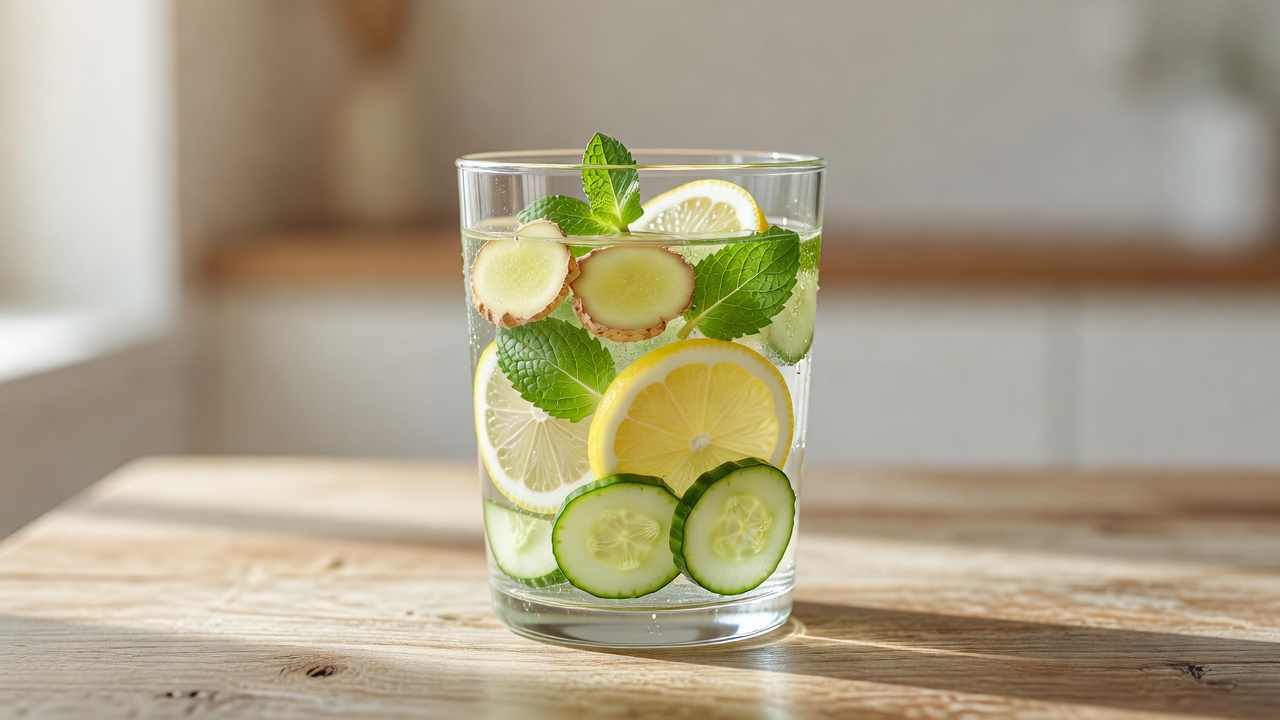
- Ginger and lemon infusion: Fresh ginger root stimulates digestive enzymes and reduces intestinal inflammation, while lemon adds vitamin C and a bright flavor profile. Steep sliced ginger and lemon overnight in a large pitcher of filtered water.
- Mint and cucumber infusion: Cooling mint leaves soothe irritated stomach linings, and cucumber contributes silica for tissue support. Combine fresh mint sprigs with thin cucumber slices for a refreshing midday option.
- Fennel and orange infusion: Fennel seeds help alleviate gas and bloating, complemented by orange slices for natural sweetness and additional hydration appeal. Prepare by crushing fennel slightly before steeping.
Batch preparation the evening prior ensures flavors fully develop. Rotate between these combinations weekly to prevent palate fatigue and maximize exposure to diverse plant-based benefits that support microbiome resilience.
Tap Water vs Filtered Sources: Making the Right Choice
The source of your drinking water significantly affects gut microbiome stability. Municipal tap water frequently contains chlorine, heavy metals, and trace pharmaceuticals that can diminish populations of beneficial bacteria. Filtered alternatives, such as those using activated carbon or reverse osmosis, effectively reduce these contaminants while preserving necessary minerals when properly remineralized. Individuals concerned about local water quality should consult municipal reports or invest in home testing kits to inform their decisions. In many regions, a combination approach using countertop filters for drinking water and whole-house systems for general use strikes an effective balance between purity and mineral retention.
Recognizing Signs of Dehydration Affecting Gut Health
Identifying early indicators of inadequate hydration allows for prompt intervention before digestive issues escalate. Common symptoms include persistent bloating after meals, chronic constipation despite adequate fiber, reduced saliva production leading to dry mouth, and unexplained fatigue accompanied by irregular bowel patterns. Additional warning signs encompass heightened cravings for sugary or caffeinated drinks, which can further dehydrate the system, and diminished skin elasticity around the abdomen. Monitoring urine color offers a simple daily gauge, with pale yellow indicating sufficient hydration levels that support optimal gut motility and microbial diversity.
Step-by-Step Daily Hydration Checklist
Establishing a repeatable routine ensures consistent hydration that benefits digestion. Follow this expanded checklist for structured implementation:
- Upon waking, consume 500ml of room-temperature water to kickstart metabolism and rehydrate overnight-depleted tissues.
- Mid-morning, prepare and sip one herbal infusion while incorporating light movement to enhance absorption.
- During afternoon activities, add electrolytes to water to counteract losses from physical exertion or environmental factors.
- Evening wind-down includes a modest serving of infused water at least two hours before sleep to avoid nighttime disruptions.
- Weekly review of intake patterns using a basic journal helps identify gaps and refine the approach based on energy and digestion feedback.
Adapting portions according to body weight, climate, and activity level refines effectiveness over time.
Common Mistakes to Avoid
Several frequent errors undermine hydration efforts for gut health. Relying on sporadic large intakes instead of steady sipping leads to inefficient absorption and potential electrolyte fluctuations. Neglecting mineral content in water sources deprives the body of elements necessary for cellular hydration and bacterial support. Overdependence on plain water without flavorful variety reduces adherence, while ignoring seasonal adjustments such as increased needs during warmer months can stall progress. Avoiding these pitfalls through mindful tracking and variety fosters better long-term outcomes.
FAQ: Beginner Concerns About Hydration and Digestion
How much water should I drink daily for gut health?
Focus on consistent, personalized intake adjusted for activity, environment, and individual response rather than rigid targets. Pale urine and steady energy serve as reliable indicators of adequacy.
Can infused waters replace plain water entirely?
Infusions enhance total fluid intake and add digestive advantages but work best alongside plain water to maintain balanced hydration without excess flavor compounds.
What if I dislike the taste of plain water?
Herbal infusions and natural electrolyte enhancements transform hydration into a pleasurable habit while directly supporting microbiome diversity and probiotic function.
Are there specific tools to track hydration progress?
Simple apps or marked water bottles provide visual cues, helping users maintain routines that lead to improved digestion within weeks of adoption.
How quickly can hydration changes impact gut symptoms?
Many individuals notice reduced bloating and better regularity within seven to fourteen days of implementing timed intake and electrolyte balance strategies.
Conclusion
Adopting these hydration hacks throughout 2026 offers a practical pathway to enhanced digestion and greater microbiome diversity. Begin with simple timing adjustments and infusion experiments to experience tangible benefits. For additional foundational guidance on public health practices, refer to resources from the World Health Organization, the CDC, and the National Institutes of Health.

No comments yet. Be the first!