 Slow Bio Hack

Introduction
Physical movement plays a powerful role in shaping gut microbiome diversity and supporting healthy digestion. In 2026, people seeking natural ways to optimize their microbiome are turning to targeted exercise hacks that go beyond general fitness advice. This guide explores how different types of movement influence bacterial balance, probiotic effectiveness, and digestive function, offering step-by-step routines anyone can follow. Readers will discover concrete examples of walks, yoga sequences, and strength sessions designed to increase bacterial variety while reducing common digestive discomforts such as bloating and irregular bowel movements. The focus remains strictly on actionable movement strategies that integrate easily into daily life.
The Science Behind Exercise and Gut Health
Regular physical activity stimulates the growth of beneficial bacteria such as Bifidobacterium and Lactobacillus species. Studies show that consistent movement increases microbial diversity by enhancing short-chain fatty acid production and reducing inflammation in the intestinal lining. Aerobic exercise, in particular, promotes the migration of bacteria from the large intestine to other areas, improving overall ecosystem resilience. Strength training complements this by supporting metabolic health that indirectly benefits digestion through better insulin sensitivity. Exercise also modulates the gut-brain axis by lowering cortisol levels, which otherwise can decrease beneficial microbes when chronically elevated. Furthermore, movement improves blood flow to the digestive tract, allowing better nutrient absorption and more efficient waste elimination. These combined effects create an environment where probiotics can colonize more effectively and maintain higher diversity over time. For authoritative guidance on physical activity recommendations, refer to the World Health Organization physical activity guidelines.
Beginner-Friendly Walking Routines
Walking is one of the most accessible movement hacks for microbiome support. Aim for 30–45 minutes of brisk walking most days. Break it into segments: a 15-minute morning walk to stimulate peristalsis and a 20-minute post-dinner stroll to aid nutrient absorption. Track progress by noting improved regularity and reduced bloating after two weeks. Beginners can start with shorter 10-minute sessions and gradually increase duration. Incorporate varied terrain such as gentle hills to engage core muscles further and enhance intestinal motility. A sample weekly schedule includes five days of walking with two rest or light yoga days to allow recovery. Focus on posture during walks: keep shoulders relaxed, engage the core lightly, and swing arms naturally to promote lymphatic drainage that supports detoxification processes linked to gut health.
Step-by-Step Morning Walk Example
- Start with 5 minutes of gentle pacing to warm up joints.
- Increase to a moderate pace where you can speak but not sing.
- Focus on deep diaphragmatic breathing to massage abdominal organs.
- End with 3 minutes of slow walking and gentle torso twists.
Yoga Flows for Enhanced Digestion
Yoga combines movement with breathwork to reduce stress hormones that harm gut bacteria. Specific poses stimulate the vagus nerve and improve blood flow to digestive organs. Practice this 20-minute sequence three times weekly. Additional benefits include improved flexibility in the hips and spine, which reduces physical compression on abdominal organs. Practitioners often report better sleep quality after evening sessions, indirectly supporting microbiome circadian rhythms. Modify poses as needed using props like blocks or straps for accessibility. Over time, consistent practice can lead to measurable improvements in digestive enzyme activity and reduced symptoms of irritable bowel patterns.
Sample Yoga Flow Sequence
- Cat-Cow pose (1 minute) – Mobilizes the spine and gently compresses the abdomen.
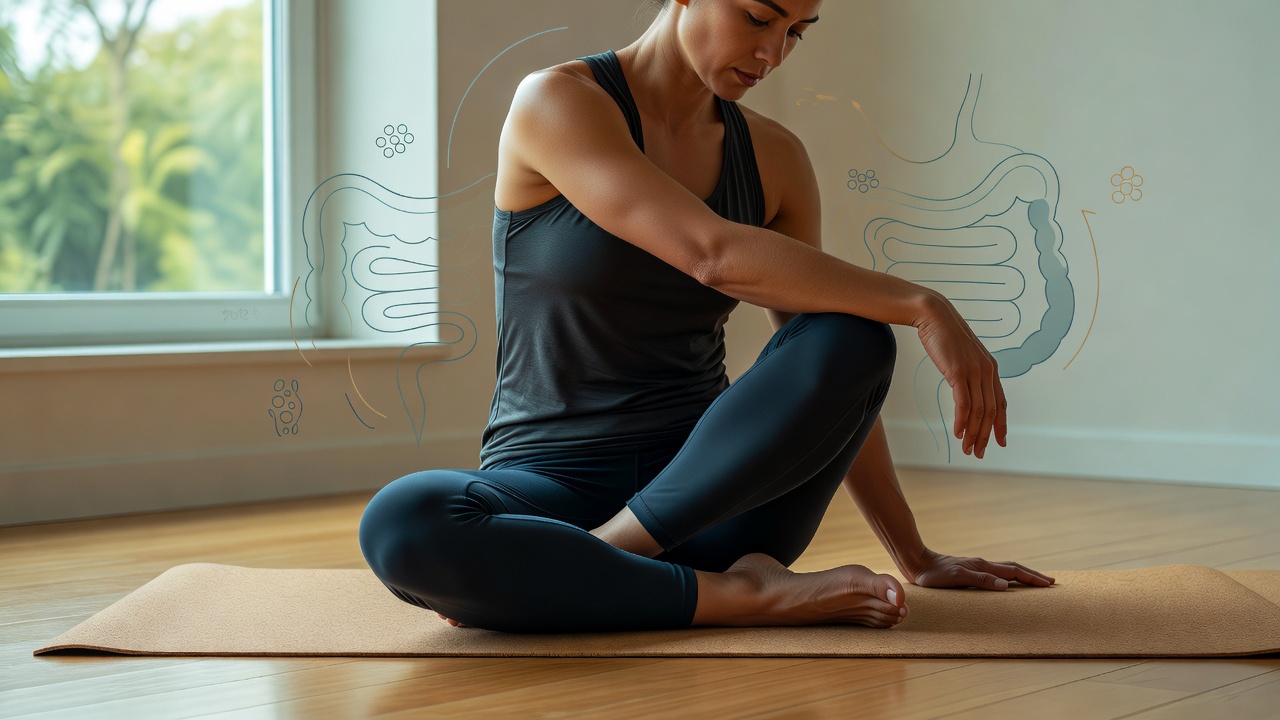
- Seated spinal twist (30 seconds per side) – Wringing motion promotes intestinal motility.
- Bridge pose (45 seconds) – Opens the chest and stimulates the thyroid-adrenal connection.
- Child’s pose with knee-to-chest variations (2 minutes) – Calms the nervous system while massaging the gut.
Hold each pose mindfully and pair with slow exhales to maximize parasympathetic activation. Add sun salutations at the beginning for a gentle cardiovascular warm-up that further supports microbial diversity.
Strength Training Sessions That Boost Diversity
Resistance exercises performed two to three times per week increase muscle mass and metabolic rate, both linked to richer microbial profiles. Focus on compound movements using body weight or light dumbbells. Proper form prevents injury and ensures core engagement that supports digestive organs. Rest days between sessions allow the gut to recover from any temporary inflammation caused by intense effort. Progress by adding one extra rep or set every two weeks rather than rushing intensity.
Sample 30-Minute Beginner Strength Circuit
- Bodyweight squats – 3 sets of 12 reps.
- Push-ups (knee or full) – 3 sets of 8–10 reps.
- Glute bridges – 3 sets of 15 reps.
- Plank hold – 3 rounds of 20–40 seconds.
Rest 60–90 seconds between sets. These movements improve core stability, which supports better posture and digestion during daily activities. Include a short mobility cool-down with hip openers after each session.
Comparing Exercise Intensities for Microbiome Benefits
Moderate-intensity activities like brisk walking and steady yoga tend to produce the most consistent microbiome improvements without excessive cortisol spikes. High-intensity interval training (HIIT) can be beneficial in short bursts but may reduce diversity if performed too frequently without adequate recovery. Beginners should prioritize moderate efforts for 150 minutes weekly before progressing to vigorous sessions. Research from institutions like the Mayo Clinic emphasizes balanced intensity for long-term gut and overall health. Low-intensity steady-state cardio often outperforms extreme efforts for maintaining bacterial variety, while strength training adds the benefit of lean mass preservation that correlates with stable blood sugar and reduced gut inflammation.
Timing Movement Around Meals
Strategic timing maximizes digestive benefits. Perform light walking 30–60 minutes after meals to accelerate gastric emptying. Avoid intense strength sessions within two hours of eating to prevent blood flow diversion from the gut. Morning movement on an empty stomach may enhance fat metabolism while supporting microbiome circadian rhythms. Evening gentle yoga 90 minutes after dinner promotes relaxation and overnight bacterial fermentation. Experiment with a 10-minute walk immediately after breakfast to test personal tolerance and note any changes in energy or bloating throughout the day.
Common Mistakes to Avoid
Many people sabotage their efforts by pushing too hard too soon, leading to elevated stress that harms gut bacteria. Skipping warm-ups can cause muscle tightness that restricts abdominal movement and digestion. Another frequent error is neglecting hydration during exercise, which thickens mucus in the gut and slows transit time. Finally, ignoring recovery days often results in overtraining symptoms that counteract microbiome gains. Always listen to body signals such as excessive fatigue or persistent digestive upset and scale back accordingly.
Tracking Your Progress
Simple tracking methods help confirm improvements. Keep a journal noting daily bowel movements, energy levels, and any bloating episodes. After four weeks, reassess diversity indicators by observing how quickly meals digest and whether probiotic supplements seem more effective. Wearable devices can monitor heart rate variability as an indirect marker of vagus nerve function tied to gut health. Adjust routines based on these observations rather than following rigid plans.
FAQ: Addressing Common Myths
Does more exercise always mean better microbiome diversity?
No. Overtraining without recovery can increase gut permeability. Moderation and variety yield better results than excessive volume.
Can yoga alone replace other forms of movement?
Yoga supports digestion effectively but combining it with walking and light strength training provides broader microbiome stimulation.
Is it necessary to exercise on an empty stomach?
Not always. Some people benefit from fasted walks, while others perform better after a small snack. Listen to your body and maintain consistency.
How long until results appear?
Most individuals notice improved regularity within two to three weeks, while measurable diversity shifts typically require four to eight weeks of consistent practice.
Conclusion
Incorporating targeted movement hacks into daily life offers a practical, sustainable way to enhance microbiome diversity and digestion. By blending walking routines, yoga flows, and strength circuits with smart timing, individuals can create personalized protocols that deliver measurable gut health improvements. Start with two or three sessions weekly and gradually build consistency for lasting results. The strategies outlined provide a complete framework for anyone ready to use movement as a primary tool for better bacterial balance and digestive comfort.


No comments yet. Be the first!