 Slow Bio Hack

Introduction to Home Microbiome Testing
Understanding your gut microbiome has become a cornerstone of personalized health strategies in 2026. Home microbiome testing allows individuals to assess microbial diversity and digestion markers without visiting a clinic. This approach empowers users to make data-driven adjustments to probiotics and diet for improved digestion and overall wellness. The gut microbiome consists of trillions of bacteria, viruses, and fungi that influence everything from nutrient absorption to immune function and even mood regulation.
Many people experience symptoms like bloating, irregular bowel movements, or fatigue that trace back to imbalanced gut bacteria. Testing provides concrete insights rather than guesswork, helping bridge the gap between symptoms and solutions. In recent years, advances in sequencing technology have made these tests more accessible and informative for everyday consumers seeking to optimize their health proactively.
Popular Microbiome Test Kits in 2026
Several reputable kits dominate the market, each offering varying levels of detail on bacterial composition. Users typically choose based on the depth of analysis, from basic diversity scores to comprehensive reports on pathogens and beneficial strains. Research from authoritative sources like the National Institutes of Health highlights the importance of selecting tests that sequence 16S rRNA genes for reliable diversity metrics.
Key factors include turnaround time, report clarity, and integration with follow-up recommendations. Some kits partner with nutritionists for personalized action plans. When comparing options, consider whether the test provides raw data files for further analysis by a healthcare professional and whether it includes actionable dietary suggestions alongside the raw bacterial profiles.
Step-by-Step Sample Collection Guide
Collecting a sample at home is straightforward and takes just minutes. Begin by washing your hands thoroughly and preparing a clean workspace. Open the kit and use the provided swab or collection tube to gather a small stool sample, following the exact instructions to avoid contamination from toilet water or other surfaces.
Seal the sample securely in the provided container, complete any required paperwork or app registration with your unique kit ID, and ship it via the prepaid label. Results usually arrive within two to four weeks depending on the provider. Always store the sample as directed to preserve bacterial integrity, and avoid collecting during periods of acute illness or recent antibiotic use that could skew outcomes.
Additional tips include timing your collection for a consistent time of day and noting any recent dietary changes in the accompanying questionnaire. This extra context helps labs provide more accurate interpretations of your microbial snapshot.
Interpreting Your Microbiome Results
Reports typically break down alpha diversity (species richness within your sample) and beta diversity (comparison to reference populations). Digestion markers may include levels of short-chain fatty acid producers like Faecalibacterium and butyrate-related bacteria. High alpha diversity generally correlates with better resilience against pathogens and improved metabolic health.
Low diversity often signals reduced resilience, while imbalances in specific genera can point to issues with fiber fermentation or inflammation. Cross-reference findings with symptoms for context. For example, elevated levels of certain Proteobacteria might suggest an environment favoring opportunistic bacteria that could contribute to digestive discomfort.
Understanding Diversity Scores
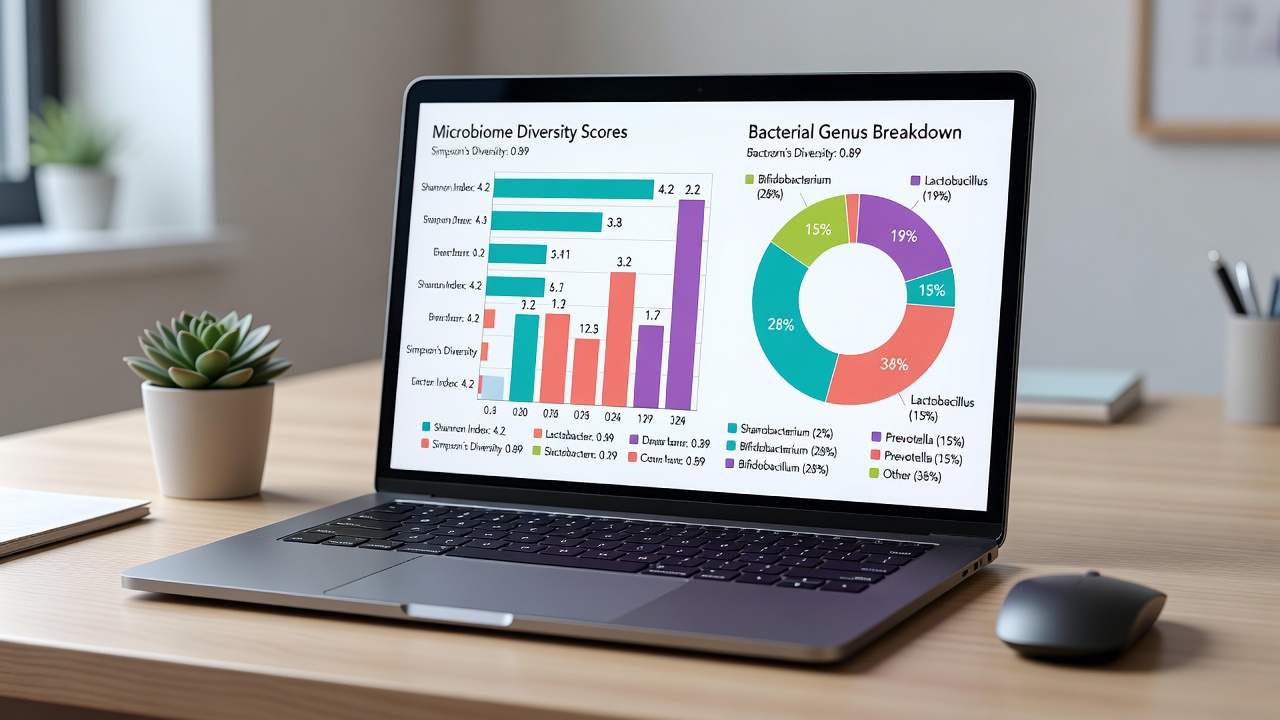
Alpha diversity metrics such as Shannon index or observed OTUs give you a numerical view of how many different species are present. Higher numbers indicate a richer ecosystem capable of performing more metabolic functions. Beta diversity plots show how your sample compares to healthy reference groups, highlighting unique or missing taxa.
Matching Results to Probiotics and Diet Adjustments
Once you receive results, align them with targeted interventions. For instance, low levels of Lactobacillus strains might suggest a specific probiotic blend rich in that genus. Increase prebiotic fibers such as inulin from chicory or garlic if butyrate producers are underrepresented. Consider rotating probiotic strains every few months to prevent adaptation by your existing microbiome.
Practical examples include adding fermented foods like kefir, sauerkraut, or kimchi for diversity boosts or reducing processed sugars that favor inflammatory bacteria. Track changes over time with follow-up testing and maintain a food-symptom journal to identify patterns between diet shifts and digestive comfort. Incorporating polyphenol-rich foods like berries and green tea can further support beneficial species growth.
Real-World Before-and-After Examples
Consider a 35-year-old professional who tested with low microbial diversity and high Proteobacteria. After incorporating a diverse plant-based diet and a multi-strain probiotic for three months, retesting showed a 40% increase in beneficial Bifidobacterium and reduced bloating episodes. The individual also reported better sleep quality and steadier energy throughout the workday.
Another case involved an athlete with poor digestion markers who adjusted fiber intake based on test data, leading to steadier energy levels and normalized stool consistency within six weeks. A third example featured a parent managing chronic fatigue who discovered low levels of Akkermansia and responded by increasing resistant starch sources like cooled potatoes and green bananas, resulting in noticeable improvements in daily vitality after eight weeks.
Comparing Test Accuracy and Limitations
Accuracy varies by sequencing depth and reference database quality. Consumer kits provide useful trends but may not match clinical lab standards for rare pathogens. Factors like recent antibiotic use, travel, or diet shifts can temporarily skew results, so consistency in testing conditions matters. Always repeat tests under similar circumstances for meaningful comparisons.
Users should view results as one data point alongside professional medical advice. The Mayo Clinic emphasizes combining at-home insights with clinical evaluation for complex digestive concerns. Limitations also include the inability of most consumer tests to detect viruses or fungi in detail, making them best suited for bacterial diversity tracking rather than full pathogen screening.
Integrating Findings with Daily Digestion Tips
Beyond probiotics and diet, successful users combine test insights with lifestyle habits. Practice mindful eating by chewing thoroughly and avoiding screens during meals to support better digestion. Stay hydrated and manage stress through techniques like walking or meditation, as chronic stress can reduce microbial diversity.
Additional daily practices include consuming a wide variety of plant foods (aim for 30+ types weekly), getting adequate sleep, and exercising regularly. These habits amplify the benefits observed from targeted adjustments based on your test results.
FAQ: Common Concerns About Microbiome Testing
- How much does testing cost? Prices vary by provider and depth of analysis; check current offerings directly.
- How often should I test? Most experts recommend every 3–6 months when actively optimizing, or annually for maintenance.
- Can I integrate results with daily digestion tips? Yes—pair findings with habits like mindful eating, adequate hydration, and stress management for compounded benefits.
- Are home tests as reliable as lab tests? They excel for diversity trends but consult a physician for diagnostic needs.
- What if results show concerning markers? Share reports with a qualified healthcare provider for interpretation and potential further testing.
Conclusion
Home microbiome testing offers actionable insights into gut health that were once accessible only through specialists. By following proper collection, thoughtful interpretation, and targeted lifestyle adjustments, individuals can meaningfully improve digestion and microbial balance in 2026 and beyond. Consistent monitoring combined with evidence-based changes creates sustainable improvements in overall well-being.


No comments yet. Be the first!