 Slow Bio Hack
Introduction to the 30-Plant Weekly Challenge
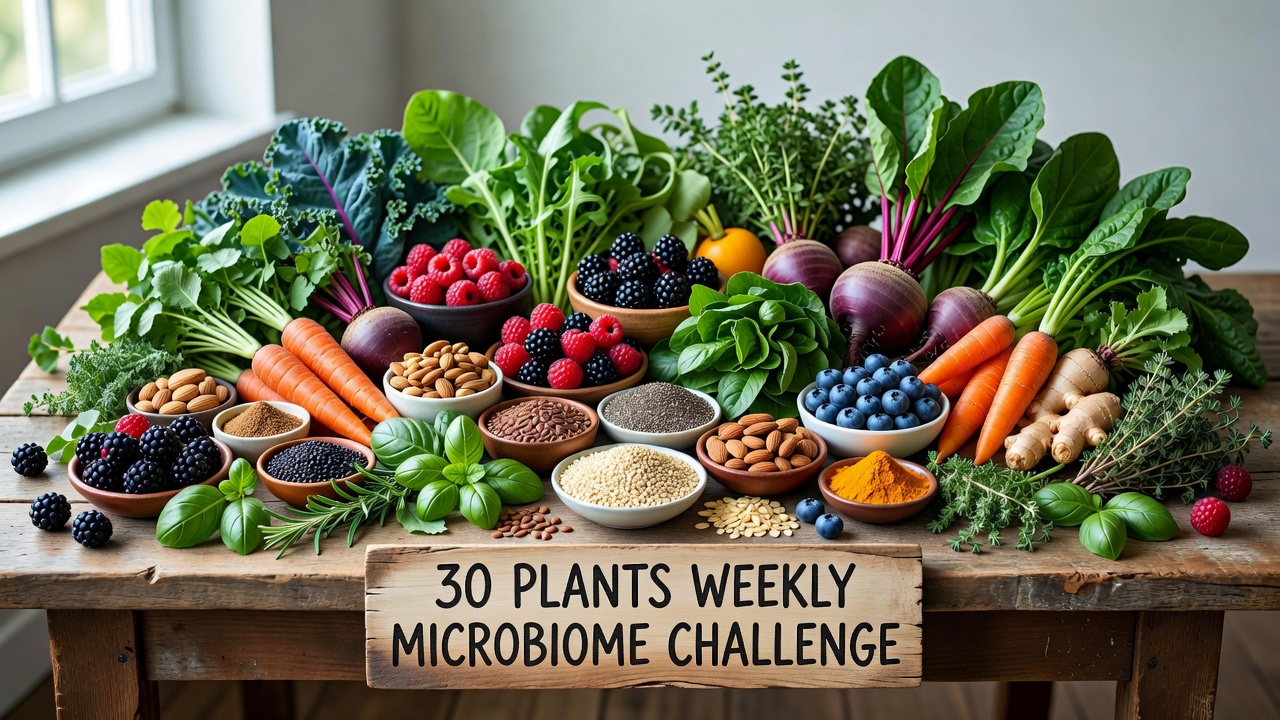
Eating a wide variety of plants each week is emerging as one of the most effective, accessible ways to support gut microbiome diversity. The 30-plant weekly challenge encourages consuming at least 30 different plant foods over seven days, including fruits, vegetables, grains, legumes, nuts, seeds, herbs, and spices. This approach goes beyond simply increasing fiber intake; it targets the diversity of beneficial bacteria in the digestive system, helping to create a resilient internal ecosystem that supports digestion, immunity, and even mood regulation.
Many people focus on calorie counting or macronutrients but overlook the power of plant variety. Research links greater plant variety to improved digestion, stronger probiotic activity, and better overall health outcomes. This article provides a complete guide with scientific rationale, tracking methods, sample meal plans, grocery lists, step-by-step incorporation tips, comparisons of plant types, real-world examples, mistakes to avoid, and an FAQ section. By the end, you will have actionable strategies to implement the challenge successfully and sustainably in 2026.
The Science Behind Plant Diversity and Gut Health
The human gut microbiome thrives on variety. Different plant compounds, such as polyphenols, fibers, and resistant starches, feed distinct bacterial strains. Studies show that people who consume more than 30 unique plants weekly exhibit significantly higher microbial diversity compared to those with limited diets. This diversity supports digestion by breaking down complex foods, producing short-chain fatty acids that nourish colon cells, and strengthening the intestinal barrier against pathogens.
Microbiome diversity also influences immunity and inflammation levels. A varied plant intake can reduce symptoms of bloating, irregular bowel movements, and even support mental clarity through the gut-brain axis. For deeper reading on nutrition fundamentals, explore resources from Mayo Clinic, National Institutes of Health, and World Health Organization.
Comparisons of plant types reveal that colorful produce such as berries, leafy greens, and purple vegetables often provides more polyphenols than starchy staples alone. Legumes and whole grains add prebiotic fibers that promote probiotic growth, creating a synergistic effect. Nuts and seeds contribute healthy fats and additional fiber, while herbs and spices deliver concentrated antioxidants with minimal calories. Rotating between these categories ensures broad nutrient coverage and prevents dietary boredom.
Easy Tracking Methods for the 30-Plant Challenge
Tracking prevents undercounting and keeps motivation high. Use a simple spreadsheet, notebook, or mobile app to log each unique plant. Categories help organize entries: fruits, vegetables, grains, nuts and seeds, herbs and spices, and legumes. Step-by-step tips include photographing meals for visual records, prepping a weekly list on Sunday evenings, and aiming for four to five new plants daily to reach the goal comfortably.
Many users start with a baseline week to identify gaps before ramping up variety. Digital tools like habit-tracking apps or custom spreadsheets allow tagging entries by color or type for quick analysis. Consistent logging also reveals patterns, such as over-reliance on certain vegetables, enabling targeted adjustments mid-week.
Sample Daily Meal Plans
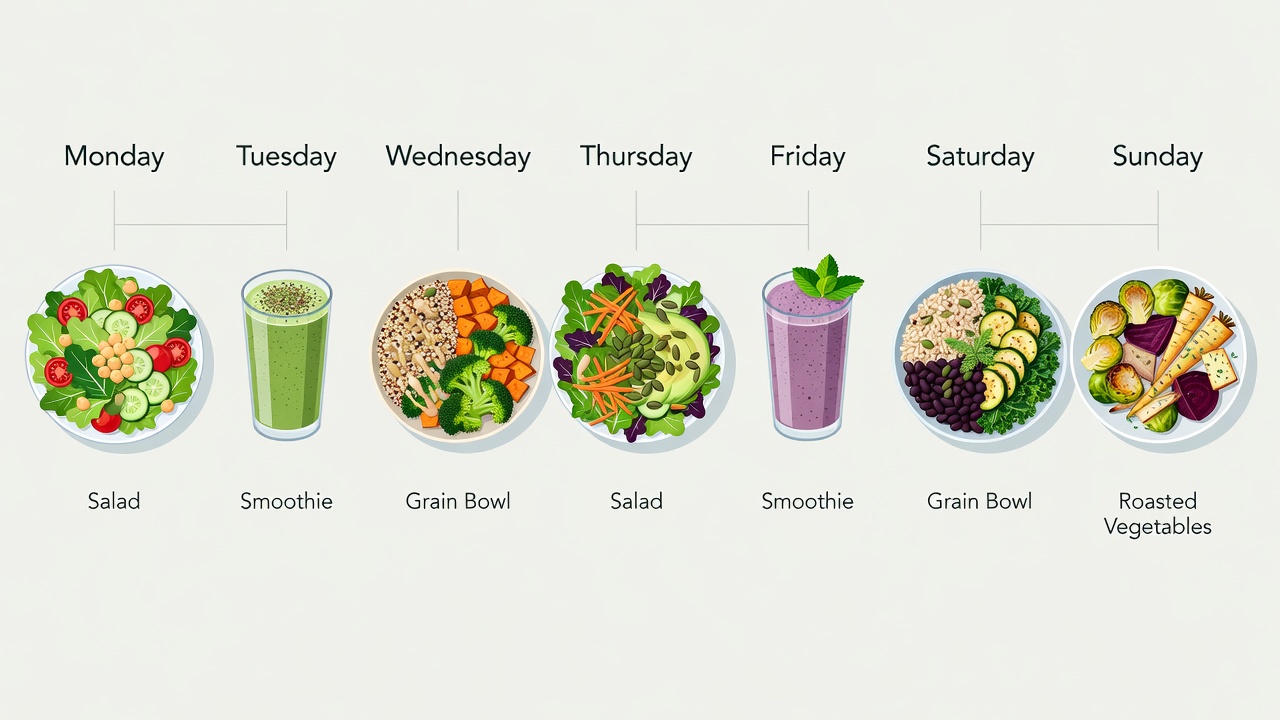
Here is a realistic seven-day plan averaging over 30 unique plants. Each day builds on the previous to ensure cumulative diversity without overwhelming preparation.
- Day 1: Oatmeal with blueberries, strawberries, chia seeds, banana, and cinnamon; quinoa salad with kale, chickpeas, cherry tomatoes, avocado, parsley, and olive oil.
- Day 2: Smoothie with spinach, mango, flaxseeds, ginger, and almond milk; lentil soup with carrots, celery, onions, garlic, turmeric, and thyme.
- Day 3: Whole-grain toast with mashed avocado, sliced radish, and microgreens; stir-fried brown rice with broccoli, bell peppers, snap peas, cashews, and basil.
- Day 4: Greek yogurt alternative topped with kiwi, pomegranate seeds, pumpkin seeds, and mint; black bean tacos with corn tortillas, shredded cabbage, cilantro, lime, and jalapeño.
- Day 5: Buckwheat porridge with pear, walnuts, cardamom, and dried apricots; roasted sweet potato with Brussels sprouts, fennel, rosemary, and sunflower seeds.
- Day 6: Salad of mixed greens, cucumber, beets, edamame, sesame seeds, and dill; barley risotto with asparagus, mushrooms, leeks, and oregano.
- Day 7: Fruit salad of apple, orange, grapes, and pineapple with hemp seeds; vegetable curry with cauliflower, zucchini, green beans, coconut milk, and curry spices.
Repeat patterns rotate ingredients to reach 30+ by week's end. Adjust portions based on dietary needs and preferences while maintaining focus on whole, minimally processed plants.
Comprehensive Grocery List for Success
Stock up on staples across categories to make hitting 30 plants effortless. Fruits: apples, bananas, berries, citrus, kiwi, mango, pears, pomegranate. Vegetables: leafy greens, broccoli, carrots, beets, cabbage, cauliflower, cucumbers, peppers, radish, sweet potatoes, zucchini. Grains and legumes: brown rice, quinoa, barley, oats, buckwheat, chickpeas, lentils, black beans, edamame. Nuts, seeds, and extras: almonds, walnuts, chia, flax, pumpkin, sunflower, hemp, cashews, sesame. Herbs and spices: garlic, onions, ginger, turmeric, basil, parsley, rosemary, thyme, mint, cilantro, cinnamon, cardamom, oregano.
Rotate seasonal items weekly for freshness and added diversity. Aim to include at least one new herb or spice each shopping trip. Buying in bulk where possible reduces waste and ensures availability throughout the week.
Step-by-Step Incorporation Tips and Plant Type Comparisons
Begin by auditing your current intake for one week. Add one new plant per meal gradually. Swap refined grains for whole versions and sprinkle seeds or herbs liberally. Comparisons show that leafy greens and berries deliver quick diversity wins, while legumes provide sustained prebiotic benefits. Nuts and seeds add texture and satiety, making meals more satisfying.
Real-User Examples and Mistakes to Avoid
One participant reported improved digestion after consistently hitting 32 plants, noting reduced bloating within three weeks. Another incorporated herbs like rosemary and oregano to easily boost counts without large volume increases. A third user combined the challenge with family meals by creating colorful shared platters that appealed to children and adults alike.
Avoid common pitfalls such as repeating the same five vegetables daily, overlooking nuts and seeds, or counting only main dishes while ignoring condiments and beverages. Focus on whole plants rather than processed versions, and do not double-count items within the same day.
Frequently Asked Questions
How strict is the 30-plant count? Count unique items across the week; duplicates do not add extra points.
Can I include coffee or tea? Yes, as they count as plant-derived beverages when unsweetened.
What if I have dietary restrictions? Adapt by focusing on tolerated plants and consulting a professional for personalized guidance.
Is organic produce required? No, conventional plants still contribute valuable diversity; prioritize variety and freshness over organic status when budget is a concern.
How long until results appear? Many notice digestive improvements within two to four weeks, though full microbiome shifts take longer with consistent effort.
Conclusion
The 30-plant weekly challenge offers a practical, evidence-supported method to enhance microbiome diversity and digestion. Start small, track consistently, rotate plant types thoughtfully, and enjoy the variety of flavors and health benefits that follow. This strategy fits seamlessly into modern lifestyles while delivering meaningful long-term wellness advantages.

No comments yet. Be the first!