 Slow Bio Hack
Introduction to Resistant Starch for Gut Health
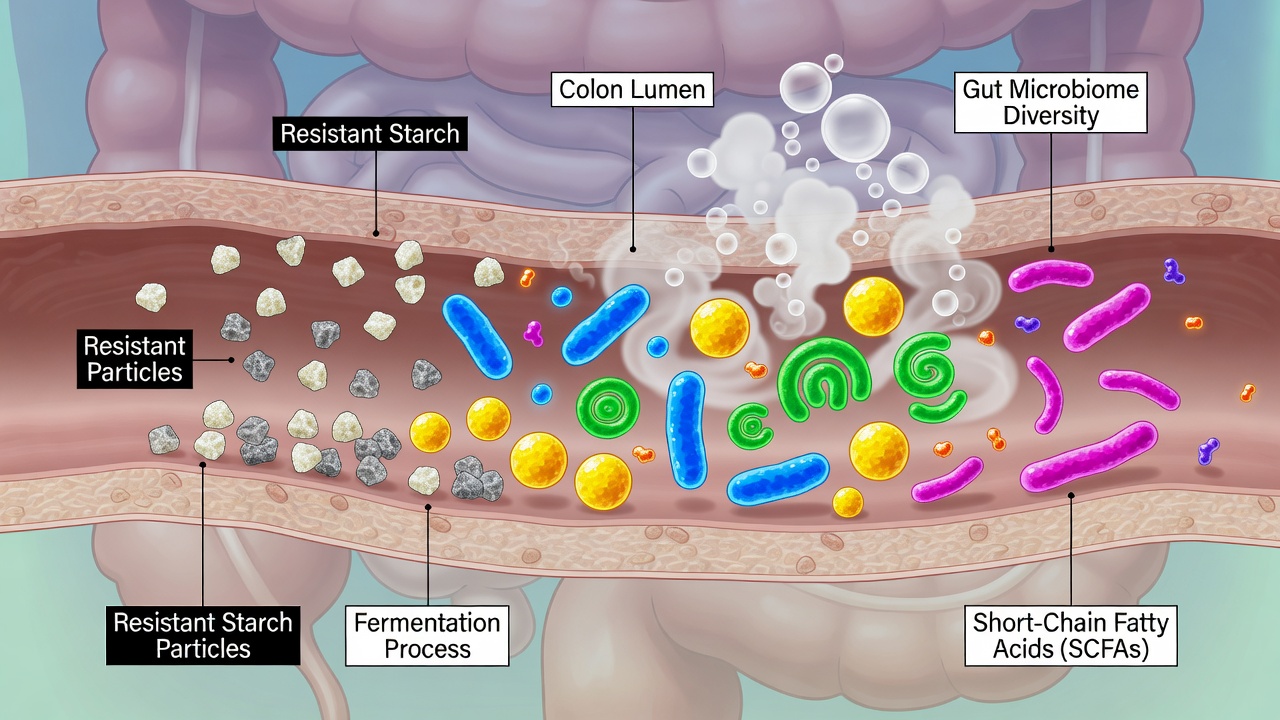
Resistant starch is gaining attention in 2026 as a targeted approach to enhancing microbiome diversity and supporting smoother digestion. Unlike regular starches that break down quickly into glucose, this type resists digestion in the small intestine and reaches the colon where gut bacteria ferment it into beneficial short-chain fatty acids. This process can promote a more varied microbial community without relying on broad prebiotic supplements or simply increasing plant intake counts. Readers interested in practical biohacks will find concrete steps here for incorporating resistant starch effectively. The focus remains on food-first methods, preparation techniques, daily integration, and managing any initial discomfort. Many people notice steadier energy and reduced bloating once their gut adapts to consistent intake of these starches.
Comparing Different Types of Starch
Starches fall into several categories based on digestibility. Rapidly digestible starch, found in freshly cooked white rice or hot potatoes, spikes blood sugar quickly. Slowly digestible starch offers a steadier release. Resistant starch, however, behaves more like fiber. It includes four main types: RS1 trapped in whole grains and seeds, RS2 in raw or unripe sources like green bananas, RS3 formed through cooling after cooking, and RS4 chemically modified versions in some processed foods. Comparisons show RS3 often delivers the highest microbiome benefits because retrogradation during cooling increases the amount of fermentable material. For example, cooled white rice can contain up to three times more resistant starch than its hot counterpart, according to studies referenced on Mayo Clinic. RS1 and RS2 provide immediate resistance without extra steps, while RS3 allows flexibility with common cooked foods. RS4 appears mainly in commercial products and offers less predictable results for home use.
Top Food Sources of Resistant Starch
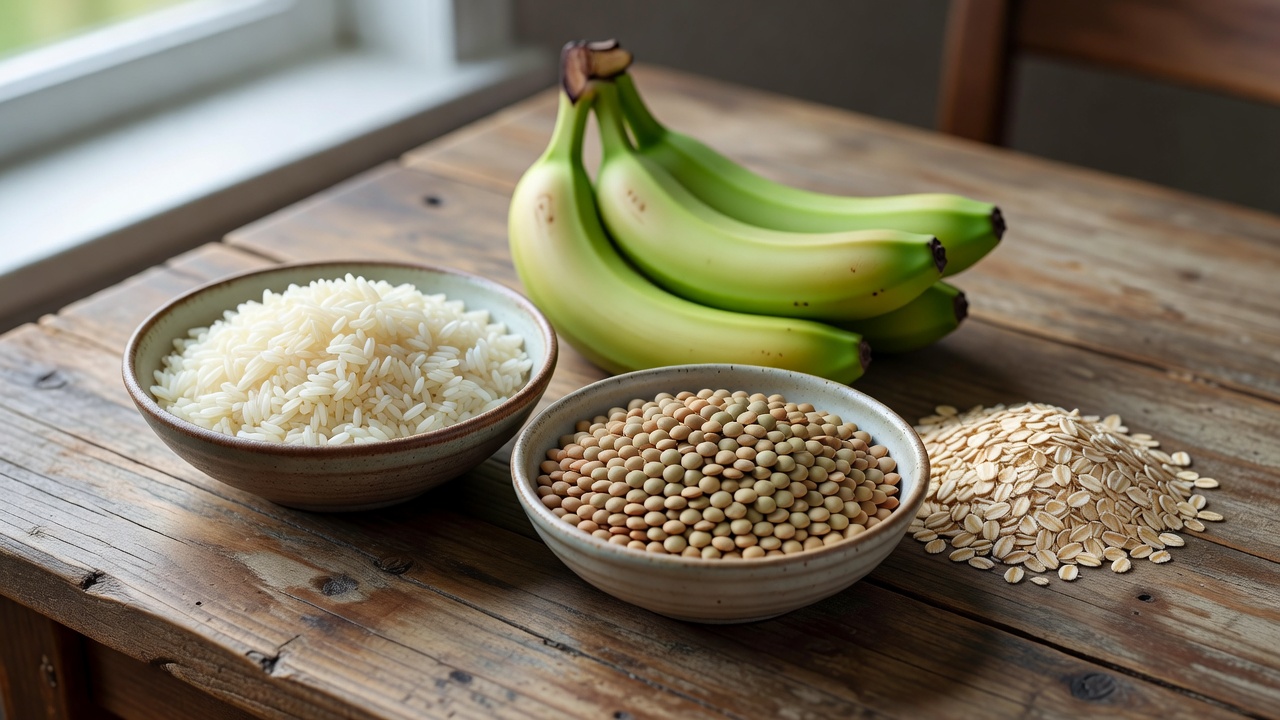
Everyday foods provide accessible entry points. Green bananas and plantains rank high in RS2 content. Oats, especially steel-cut varieties, contribute RS when consumed raw or minimally processed. Legumes such as lentils and chickpeas offer both RS and additional fiber. Cooked-then-cooled potatoes, rice, and pasta create RS3. Barley and sorghum also qualify as strong options. A single medium green banana can supply several grams, while a cup of cooled lentils adds even more. These choices avoid overlap with general prebiotic discussions by focusing specifically on starch resistance properties. Additional sources include unripe mangoes and certain varieties of corn when prepared appropriately.
Preparation Methods to Maximize Benefits
Simple kitchen techniques unlock higher resistant starch levels. Cook rice or potatoes thoroughly, then refrigerate for at least 12 hours to trigger retrogradation. Reheat gently if desired, as moderate warming preserves much of the RS3. For oats, overnight soaking in cold water without cooking retains native RS2. Green bananas work best when slightly underripe and eaten raw or blended into smoothies. Avoid overcooking legumes, as excessive heat can reduce resistance. Batch preparation of cooled starches allows weekly meal planning. One effective method involves making a large pot of rice, portioning it, and storing in the refrigerator to form RS3 consistently. Another approach is to cook pasta al dente before cooling it quickly in cold water to lock in higher resistance levels.
Daily Intake Steps and Progressive Integration
Start with small amounts to allow the microbiome to adapt. Begin with 5-10 grams daily from one source, such as half a green banana added to breakfast. Increase gradually over two weeks while monitoring tolerance. Aim for 15-30 grams total from varied sources spread across meals. Practical examples include adding cooled rice to salads at lunch, incorporating chilled potatoes into evening meals, or mixing raw oats into yogurt. A sample day might feature overnight oats for breakfast, lentil soup with cooled rice at lunch, and a side of reheated cooled potatoes with dinner. Track personal responses through simple journaling of digestion patterns and energy levels. Numbered progression helps: week one focuses on one food source, week two adds a second cooled starch option, and week three combines multiple sources for broader diversity exposure.
Potential Side Effects and Mitigation Strategies
Initial increases in resistant starch may cause temporary bloating or gas as gut bacteria adjust. These effects typically lessen within 7-14 days. Mitigation involves slower ramp-up, pairing with well-tolerated foods, and staying hydrated. Individuals with sensitive digestion should introduce one new source at a time. Those with conditions like IBS may benefit from consulting a professional before major changes. No specific recent pricing data applies here, as the focus stays on whole foods rather than supplements. Additional strategies include chewing thoroughly and spacing intake evenly throughout the day rather than consuming large amounts at once.
Real-World Meal Integration Examples
Breakfast options include blending a green banana with overnight-soaked oats and a splash of milk alternative. Lunch ideas feature cold rice salad mixed with chickpeas, olive oil, and herbs for flavor. Dinner examples involve chilled potato slices served alongside grilled protein and vegetables. Snacks can consist of a handful of cooled cooked barley or sorghum tossed with spices. These integrations fit easily into existing routines and support consistent microbiome exposure. For variety, try preparing a weekly batch of cooled pasta to use in multiple lunches or adding green plantain slices to morning smoothies.
How Resistant Starch Supports Digestion Specifically
Beyond diversity, resistant starch fermentation produces butyrate, which nourishes colon cells and may reduce inflammation. This supports regularity and comfort during digestion. Users often report fewer post-meal discomforts after several weeks of steady intake. Combining different RS types across the day maximizes these effects while allowing the gut to process varied substrates.
FAQ on Gut Health Outcomes and Microbiome Testing
How long until microbiome changes appear? Noticeable shifts in digestion often occur within 2-4 weeks, while diversity improvements may require consistent intake over several months based on individual factors.
Does resistant starch correlate with specific test results? Stool tests sometimes show increased butyrate-producing bacteria after regular consumption, though results vary. Resources on NIH provide context on microbial metabolites.
Can it replace other fiber types? It complements rather than replaces diverse fiber intake, focusing on starch-specific fermentation pathways.
Is it suitable for all diets? Most people tolerate it well when introduced gradually, including those following plant-based or gluten-free approaches.
What if no changes occur after a month? Review preparation methods to ensure sufficient cooling time and consider increasing total daily grams slowly while maintaining variety in sources.
Are there interactions with medications? Consult a healthcare provider, especially for digestive prescriptions, to confirm compatibility with increased resistant starch intake.
Conclusion
Resistant starch offers a straightforward, food-based route to supporting microbiome diversity and digestive comfort in 2026. By prioritizing cooling techniques, gradual intake, and simple meal additions, individuals can integrate these hacks effectively. Consistent application alongside mindful observation of personal responses yields the most sustainable outcomes.


No comments yet. Be the first!