 Slow Bio Hack

Introduction: Why Polyphenols Matter for Gut Health in 2026
Polyphenols are plant compounds gaining attention as powerful prebiotics that nourish beneficial gut bacteria. Research links higher polyphenol intake to improved microbiome diversity, better digestion, and reduced inflammation. This article explores the science, top food sources, a detailed 7-day meal plan, gradual implementation steps, potential side effects, and tracking strategies to help you optimize results. In today’s fast-paced world, digestive issues affect millions, making these natural compounds an accessible solution worth exploring in depth.
The Science Behind Polyphenols and Microbiome Diversity
Polyphenols reach the colon largely undigested, where gut microbes ferment them into short-chain fatty acids like butyrate. These compounds strengthen the intestinal barrier and modulate immune responses. Studies from institutions such as National Institutes of Health show increased bacterial richness after consistent polyphenol consumption. In 2026, emerging data continues to highlight their role in addressing dysbiosis linked to digestive discomfort. Beyond basic fermentation, polyphenols interact with specific bacterial strains such as Bifidobacteria and Lactobacilli, promoting their growth while inhibiting pathogens. This selective feeding creates a more resilient microbiome that handles stress, antibiotics, and dietary changes better. Long-term intake has also been associated with lower levels of inflammatory markers, offering protection against conditions like irritable bowel syndrome.
Top Food Sources of Polyphenols
Focus on whole foods for maximum benefit and fiber synergy. Berries stand out for their high anthocyanin content, with one cup of blueberries delivering around 300 mg. Dark chocolate at 70% cacao provides flavanols that improve blood flow to the gut lining. Green tea’s catechins support microbial balance when consumed as 2–3 cups daily. Additional options include apples with their quercetin, onions rich in flavonols, and extra-virgin olive oil containing hydroxytyrosol. These sources outperform isolated supplements because they include complementary nutrients like fiber and vitamins that enhance absorption and sustained release in the digestive tract.
7-Day Meal Plan with Exact Portions
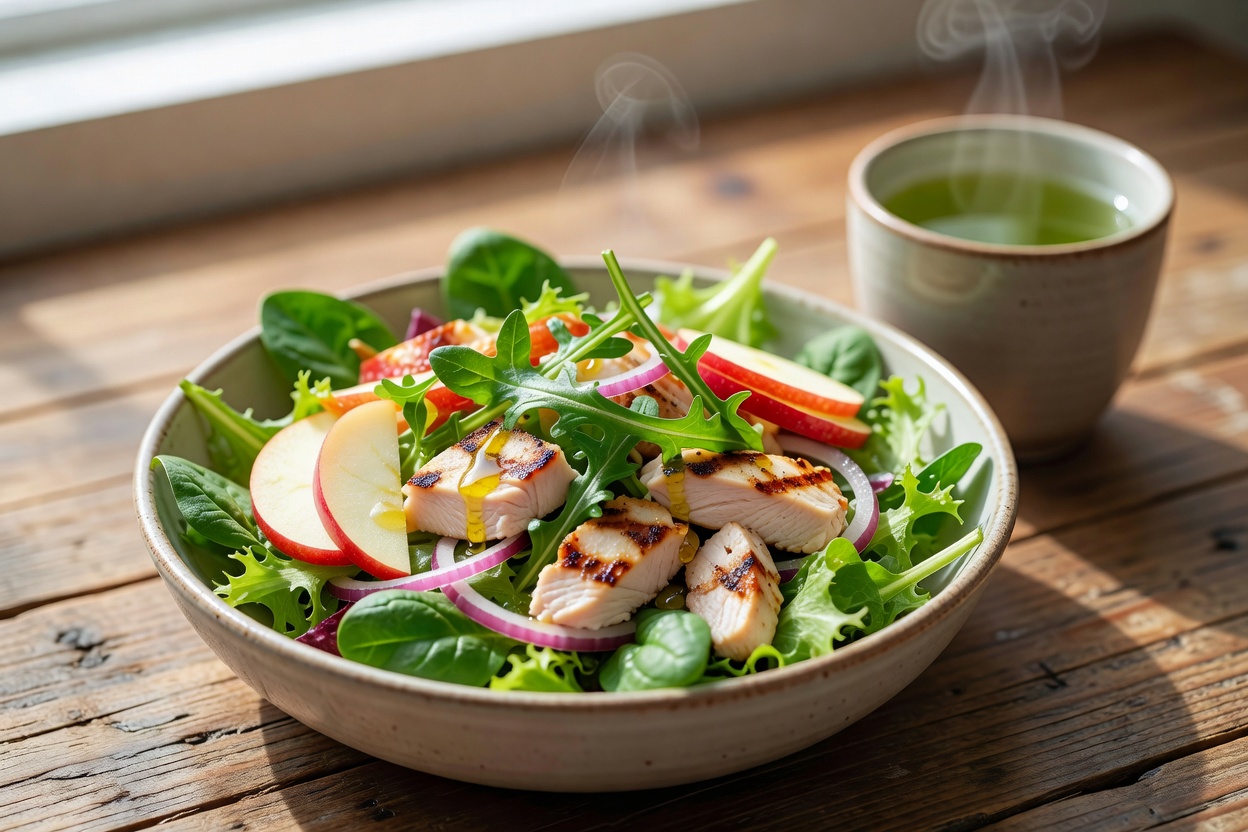
Day 1 starts with breakfast of 1 cup blueberries mixed into plain Greek yogurt, lunch as a large salad featuring one sliced apple, red onion, mixed greens, and 1 tablespoon olive oil dressing, dinner of grilled salmon paired with steamed broccoli and a cup of green tea, plus an evening snack of 25 g dark chocolate. Day 2 swaps berries for strawberries in oatmeal, adds onion to a lunchtime quinoa bowl, and includes two cups of green tea total. Days 3 through 7 rotate similar patterns while ensuring variety: incorporate baked apples as dessert on day 3, onion-heavy stir-fries on day 4, and extra olive oil drizzled over vegetables on day 5. Each day targets 500–800 mg total polyphenols through measured portions that avoid overwhelm while steadily building intake. This structure supports steady microbiome shifts without sudden changes.
Practical Steps for Gradually Increasing Intake
Begin by adding one extra serving of berries or green tea daily during week one. Increase overall portions by 20% each subsequent week while monitoring tolerance through simple notes on energy and bowel habits. Pair new foods with familiar meals, such as topping existing breakfast with a handful of berries, to build sustainable habits. Prepare batch snacks like dark chocolate-covered apple slices on weekends. Track initial baseline digestion for three days before starting. Always consult a healthcare provider before making major dietary adjustments, especially if you have existing conditions.
Potential Side Effects and How to Manage Them
Rapid increases can cause temporary bloating or gas as bacteria adjust. Spread portions across meals rather than consuming large amounts at once and drink plenty of water to ease transit. If symptoms last more than two weeks, scale back by 30% and reintroduce slowly over additional days. Rare sensitivities to specific foods like green tea tannins may require substitution with herbal options while maintaining polyphenol goals through berries instead.
Tracking Progress with a Food Journal
Maintain a daily log noting exact portions, stool consistency on a 1–5 scale, energy levels, and any bloating. Review entries weekly to spot patterns, such as improved regularity after consistent berry intake. Digital apps or paper notebooks both suffice; the key is consistency. Include photos of meals for visual accountability and note external factors like sleep or stress that might influence digestion.
Expert Insights and Before-and-After Tips
Nutrition specialists observe that consistent polyphenol-rich eating often leads to noticeable digestion improvements within 3–4 weeks. Before starting, many report irregular bowel movements and afternoon fatigue; after incorporating the plan, users commonly experience smoother digestion, reduced bloating, and steadier energy. Combine with adequate hydration and movement for amplified effects. One practical tip is preparing polyphenol-rich snacks in advance to prevent reaching for processed alternatives during busy days.
Common Mistakes to Avoid
Avoid jumping to high doses immediately, which disrupts adaptation. Do not rely solely on supplements without whole-food fiber. Skipping variety limits bacterial diversity benefits. Overlooking portion accuracy can lead to under- or over-consumption, so measure initially until habits form.
Supplements vs Whole Foods: FAQ
Are polyphenol supplements as effective as food sources?
Whole foods provide synergistic compounds absent in most supplements. Mayo Clinic resources emphasize food-first approaches for sustained gut benefits and better overall nutrient profiles.
How long until results appear?
Many notice changes in digestion within 14–21 days of consistent intake, though full microbiome shifts may take 4–6 weeks.
Can I overdo polyphenols?
Excess from food is rare; focus on variety rather than megadoses to prevent unnecessary digestive strain.
What if I dislike certain foods like green tea?
Substitute with equivalent polyphenol sources such as additional berries or dark chocolate while maintaining total daily targets.
Conclusion
Incorporating polyphenol-rich foods offers a practical, evidence-based way to support gut health and digestion. Use the meal plan and tracking methods to personalize your approach and enjoy lasting benefits throughout 2026 and beyond.
No comments yet. Be the first!