 Slow Bio Hack
Understanding Elimination Diets for Gut Health
An elimination diet serves as a structured, evidence-based approach to pinpoint foods that disrupt digestion and microbiome equilibrium. For individuals experiencing bloating, IBS symptoms, or irregular gut function, this method removes common irritants temporarily before strategic reintroduction. Evidence from sources like the Mayo Clinic supports its use in identifying sensitivities while promoting microbiome recovery through targeted nutrition. The process typically lasts four to six weeks and focuses on healing rather than permanent restriction, allowing the gut lining to repair and beneficial bacteria to flourish once triggers are removed.
Many people start this journey after years of unresolved symptoms. By systematically clearing potential offenders, users often notice reduced inflammation, steadier energy, and improved bowel regularity within the first two weeks. This beginner-friendly guide breaks down the science, provides actionable steps, and includes real examples to help you succeed without feeling overwhelmed.
The Science Behind Microbiome Healing and Food Triggers
The gut microbiome consists of trillions of microbes that influence digestion, immunity, and even mood. When certain foods like gluten or high-FODMAP items ferment excessively, they can feed harmful bacteria while starving beneficial strains. This imbalance leads to gas, bloating, and leaky gut. An elimination phase starves the problematic microbes, creating space for diversity to return, especially when paired with probiotic-rich foods. Studies show that removing irritants for a controlled period can shift microbial composition toward anti-inflammatory profiles, supporting long-term digestion tips and gut health.
Common Food Irritants and Their Effects on Digestion
Key culprits include gluten from wheat products, dairy proteins such as casein and lactose, eggs, soy, nuts, seeds, and fermentable carbs known as FODMAPs found in beans, onions, garlic, and certain fruits. These compounds can trigger immune responses or osmotic effects that draw water into the intestines. Removing them allows the intestinal barrier to strengthen and reduces histamine release that exacerbates IBS. Understanding these mechanisms helps explain why personalized elimination outperforms generic advice.
Preparing for Your 4-Week Elimination Protocol
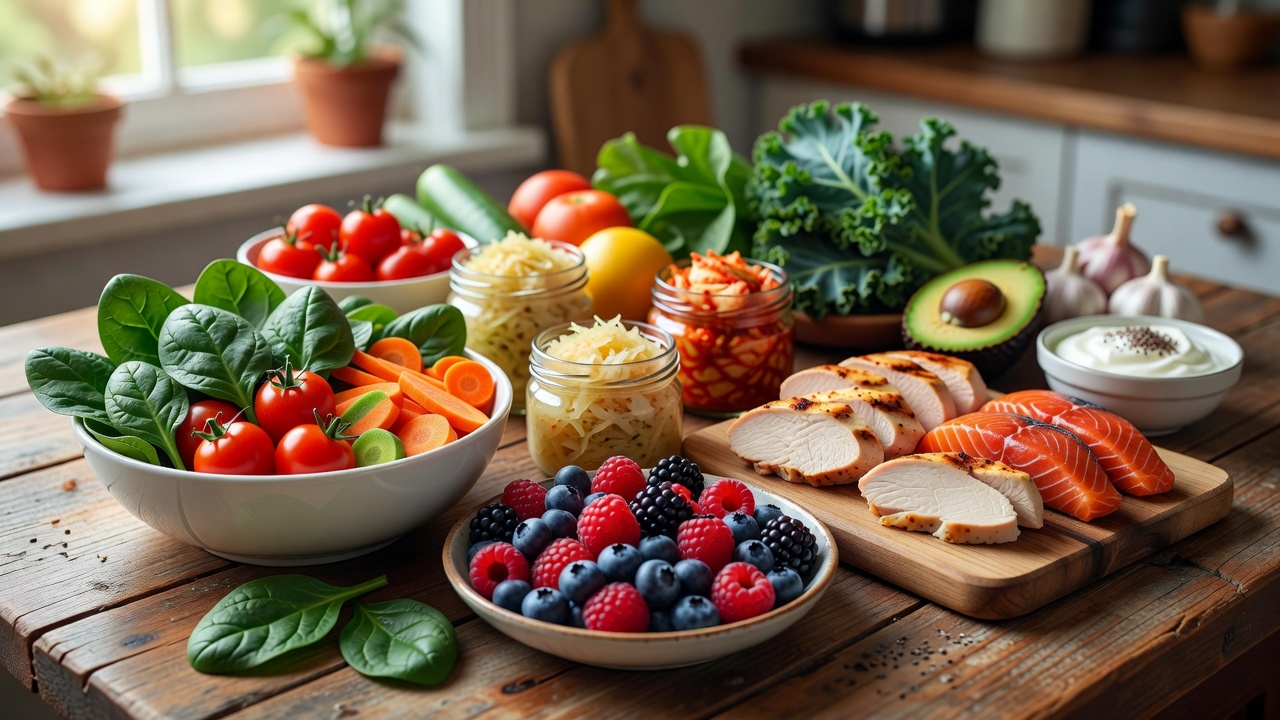
Success begins with preparation. Clear your pantry of restricted items and stock up on safe alternatives. A comprehensive shopping list for week one includes leafy greens like spinach and kale, low-FODMAP fruits such as blueberries and strawberries, lean proteins including chicken, turkey, and wild-caught salmon, healthy fats like olive oil and avocado, and non-starchy vegetables such as zucchini, carrots, and cucumbers. Also add coconut milk, rice, quinoa, and fresh herbs for flavor. Plan meals in advance to avoid last-minute choices that could derail progress.
Detailed 4-Week Phased Protocol
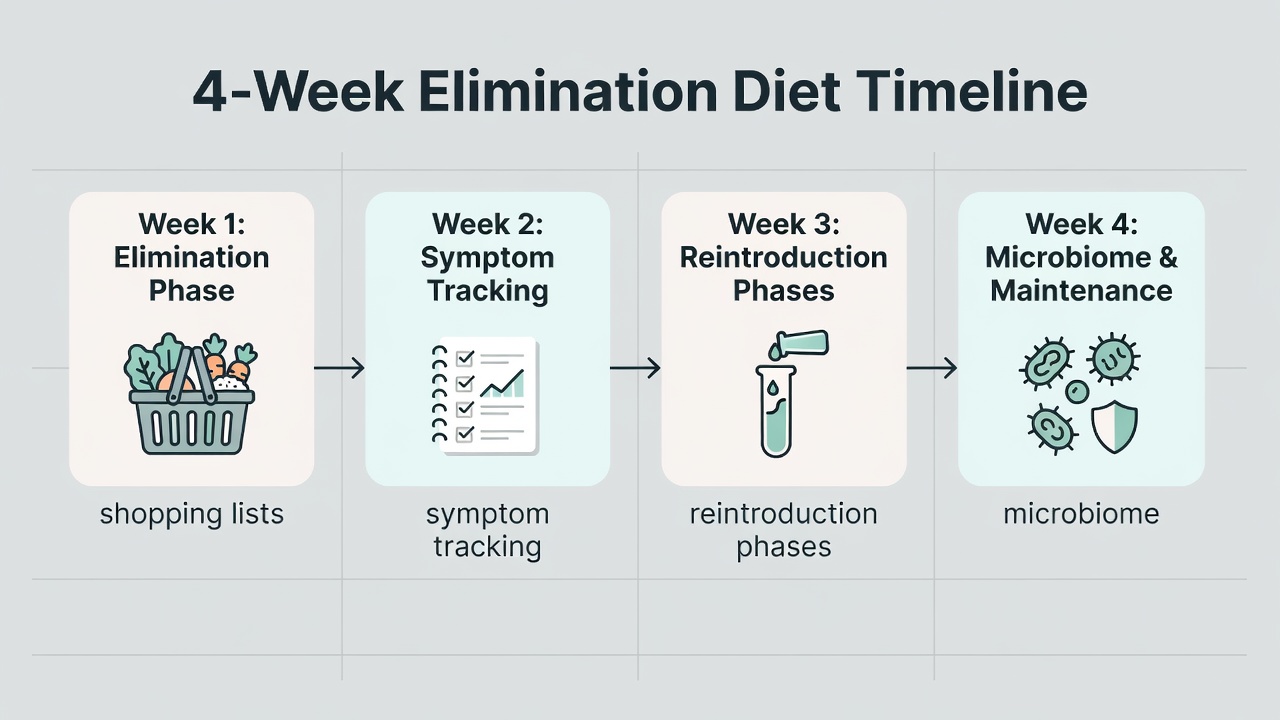
Week one emphasizes strict removal of gluten, dairy, eggs, soy, nuts, and high-FODMAP foods. Focus on simple meals like grilled chicken with steamed vegetables and olive oil. Track initial withdrawal symptoms such as temporary fatigue, which usually passes quickly. Week two builds stability by monitoring daily symptoms in detail while introducing small amounts of fermented foods. Examples include homemade sauerkraut or coconut-based kefir to seed beneficial bacteria. Week three allows limited variety within approved categories, such as adding fresh ginger or turmeric for anti-inflammatory support. Continue logging energy levels and digestion patterns. Week four focuses on gut calm assessment before reintroduction begins. Many participants report 50-70% reduction in bloating by this stage when consistency is maintained.
Symptom Tracking Methods and Journaling Best Practices
Effective tracking uses a daily journal or app noting meal times, specific foods, symptom severity on a 1-10 scale, stool consistency, and energy. Include sleep quality and stress levels as they interact with gut function. Review entries weekly to spot correlations, such as lingering discomfort after certain meals. This data-driven method turns subjective feelings into clear patterns that guide reintroduction decisions and future diet tweaks.
Safe and Strategic Reintroduction Steps
Reintroduce one food category every three to four days, beginning with a small portion and observing reactions for 72 hours. Start with low-risk items like gluten-free oats, then progress to dairy or eggs. Keep the journal active during this phase. If symptoms return, remove the food again and wait two weeks before testing another. This methodical approach prevents misidentification and builds confidence in your personal tolerance list.
Comparing Popular Elimination Diet Approaches
- Low-FODMAP: Targets short-chain carbohydrates; clinically proven for IBS relief with structured phases lasting 2-6 weeks.
- Autoimmune Protocol (AIP): Removes nightshades and seeds in addition to basics; suited for autoimmune-related gut issues with emphasis on nutrient density.
- Whole30: Strict 30-day reset eliminating added sugars and processed items; promotes whole-food focus that supports microbiome diversity without long-term restriction.
- Specific Carbohydrate Diet: Limits complex carbs; often used for IBD with gradual reintroduction based on tolerance.
Choose based on symptom severity and lifestyle; low-FODMAP offers the strongest evidence base for general bloating and IBS cases.
Real-Life Case Examples of Microbiome Improvements
One 34-year-old with chronic bloating eliminated dairy and gluten, then added daily sauerkraut. After four weeks, follow-up testing showed increased Lactobacillus levels and 80% symptom reduction. Another participant with IBS followed low-FODMAP, reintroduced beans successfully after tracking no reactions, and maintained regular digestion for six months post-protocol. These stories illustrate how combining elimination with probiotics accelerates healing.
Avoiding Common Pitfalls Including Nutrient Deficiencies
Common mistakes include overly long restriction leading to deficiencies in fiber or calcium. Counter this by eating diverse vegetables, rotating proteins, and considering temporary supplements only after professional advice. Stay hydrated, manage stress through light walks, and avoid over-restricting calories. Social situations can be handled by bringing safe dishes or communicating needs clearly to hosts.
Incorporating Probiotic-Rich Foods for Lasting Results
During and after elimination, prioritize fermented options like kimchi, pickles, and plant-based yogurts. These introduce live cultures that repopulate the microbiome. Combine with prebiotic fibers from cooled rice or green bananas once tolerated to feed good bacteria. This dual strategy enhances digestion tips and supports sustained gut health beyond the initial protocol.
FAQ: Addressing Common Questions and Pitfalls
How do I avoid nutrient deficiencies during elimination? Emphasize colorful produce, varied proteins, and seeds once approved; monitor with bloodwork if symptoms suggest shortfalls.
Can I exercise normally on this plan? Yes, but listen to energy levels and keep intensity moderate in the first two weeks.
What if symptoms do not improve after four weeks? Consult a gastroenterologist to explore conditions beyond food triggers.
Is coffee or alcohol allowed? Both are typically eliminated initially due to potential irritation; test during reintroduction.
How long until I see microbiome changes? Noticeable digestion improvements often appear in 14-21 days, with deeper shifts confirmed via testing after completion.
Conclusion
An elimination diet provides a targeted, practical strategy for identifying triggers and restoring microbiome balance when executed with care. Follow the phased protocol, track diligently, and reintroduce methodically for best outcomes. Support results with ongoing probiotic foods and refer to trusted resources like the National Institute of Diabetes and Digestive and Kidney Diseases for additional guidance on gut health.

No comments yet. Be the first!