 Slow Bio Hack
Introduction to Postbiotics in 2026
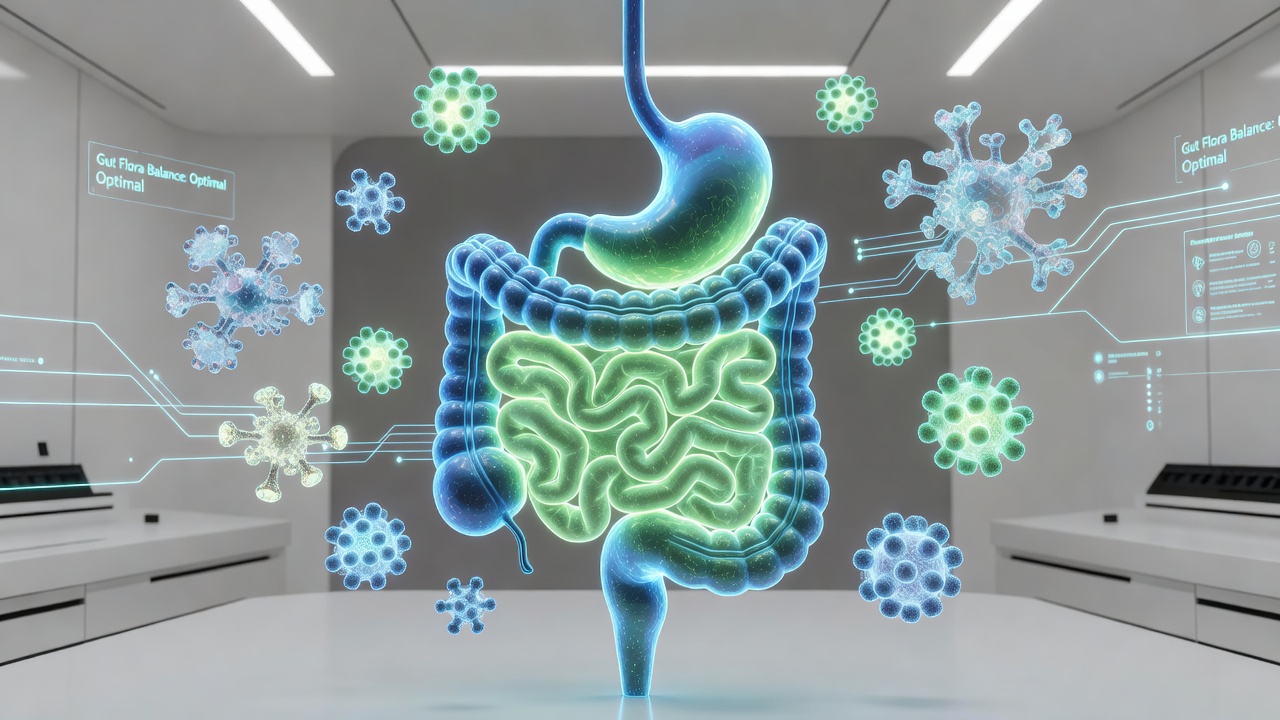
Postbiotics represent the next frontier in gut health, moving beyond probiotics and prebiotics to deliver direct microbial metabolites that support digestion and immunity. As interest in microbiome optimization grows, these compounds offer targeted benefits for gut lining repair and overall wellness. This guide provides a complete, actionable approach tailored for 2026 readers seeking advanced digestion hacks. The gut microbiome influences everything from nutrient absorption to immune function and even mental clarity, making postbiotics a powerful tool for those looking to optimize health at a cellular level. In recent years, research has accelerated around these heat-stable compounds, positioning them as reliable alternatives or complements in daily routines.
What Are Postbiotics?
Postbiotics are bioactive compounds produced when probiotics ferment prebiotic fibers in the gut. Unlike live bacteria in probiotics, postbiotics include short-chain fatty acids, peptides, and cell wall fragments that exert health effects without needing viable microbes. Research highlights their stability and consistent delivery of benefits compared to traditional options. Common types include butyrate, acetate, propionate, bacteriocins, and exopolysaccharides. These metabolites arise naturally during fermentation processes and can be isolated for supplemental use. Their definition has evolved with scientific understanding, now encompassing any beneficial substances released by microorganisms during growth or lysis. This makes them distinct because they bypass the need for bacterial survival through stomach acid and bile.
Unique Benefits for Gut Lining and Immunity
Postbiotics strengthen the intestinal barrier by promoting tight junction proteins, reducing permeability issues linked to leaky gut. They also modulate immune responses through anti-inflammatory pathways, supporting resilience against pathogens. Studies show improved digestion, reduced bloating, and enhanced nutrient absorption as key outcomes. Additional advantages include antioxidant effects and neurotransmitter support, linking gut health to mood and energy levels. For immunity, postbiotics stimulate regulatory T-cells, fostering balanced responses rather than overreactions. On the gut lining specifically, they encourage mucin production which forms a protective mucus layer against irritants. Immunity benefits extend to increased secretory IgA levels that help neutralize harmful bacteria in the digestive tract. Users often report fewer instances of seasonal discomfort and better overall vitality when incorporating them consistently over several weeks.
Top Food Sources and Supplements
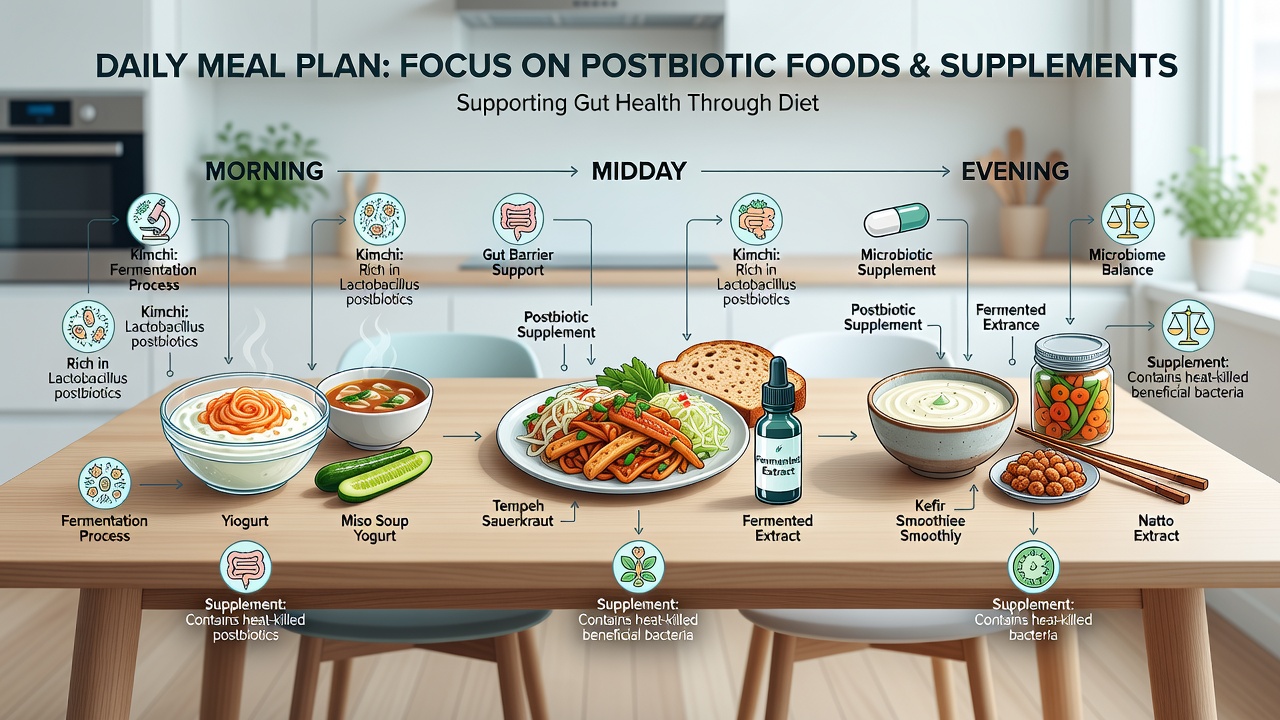
Natural sources include fermented foods like kimchi, sauerkraut, and kefir, which naturally generate postbiotic compounds during fermentation. Other options encompass aged cheeses and certain yogurts rich in metabolites. To maximize intake, choose unpasteurized versions where possible and incorporate a variety weekly. For example, pairing sauerkraut with meals adds both fiber and postbiotic elements. Supplements often feature postbiotic strains such as Lactobacillus plantarum or Bifidobacterium breve derivatives. Look for products standardized for butyrate or exopolysaccharide content. Examples include capsule formats combining multiple postbiotic types for broad-spectrum support. When selecting, prioritize third-party tested options that list specific metabolite concentrations on the label.
Mayo Clinic resources emphasize consulting labels for purity and potency when selecting supplements.
Comparison to Probiotic Use
Probiotics introduce live bacteria that must survive digestion to colonize, while postbiotics deliver ready-to-use metabolites. This makes postbiotics more reliable in varied gut environments and suitable for those with compromised microbiomes. Many users combine both for synergistic effects, though postbiotics alone often suffice for maintenance. Probiotics can sometimes cause temporary imbalance if the strains do not match individual needs, whereas postbiotics avoid this risk entirely. In practice, those with antibiotic history or travel-related disruptions find postbiotics particularly helpful because they do not require refrigeration or specific storage conditions like many probiotic products do.
Step-by-Step Integration Plan
- Assess current diet and identify gaps in fermented foods by keeping a three-day food journal.
- Start with one postbiotic-rich meal daily, such as adding sauerkraut to lunch or a kefir-based breakfast smoothie.
- Incorporate a supplement at consistent times, beginning with low doses to allow the body to adapt over the first seven days.
- Track symptoms like digestion and energy for two weeks using a simple app or notebook noting bloating, regularity, and mood.
- Adjust based on response, gradually increasing variety by rotating between different fermented items and supplement formulations.
Practical Daily Routines
Morning: Begin with a postbiotic smoothie using kefir and prebiotic fibers such as oats or green bananas. Midday: Include a fermented side at lunch like a small serving of kimchi alongside protein and vegetables. Evening: Take a targeted supplement with dinner and practice mindful eating to aid absorption. Weekly, rotate food sources to maintain microbial diversity. For busy professionals, prepare overnight fermented oats in advance. Athletes may add postbiotic-rich options post-workout to support recovery through better nutrient uptake. Those following plant-based diets can focus on tempeh and miso for additional variety.
Potential Side Effects
Most tolerate postbiotics well, but initial mild bloating or gas can occur as the gut adjusts. Rare sensitivities may arise from specific strains. Start low and monitor; consult a professional if symptoms persist beyond a week. Individuals with severe immunocompromise should seek medical advice before starting any new gut health regimen. Interactions with medications are uncommon but possible, so transparency with healthcare providers remains essential.
FAQ
How effective are postbiotics compared to probiotics?
They provide direct benefits without colonization challenges, often showing faster results for barrier support and consistency across users.
Where can I source quality postbiotics?
Reputable brands and fermented grocery items; check third-party testing via sites like National Institutes of Health.
Can postbiotics help with specific digestive issues?
Yes, particularly for IBS-like symptoms and immunity modulation when used consistently over time.
What dosage is typically recommended?
Follow product guidelines, often starting at 1-2 servings daily and adjusting based on individual response and tolerance.
Are postbiotics safe for long-term daily use?
Current evidence supports ongoing use as part of a balanced diet, with benefits accumulating over months rather than days.
Do postbiotics require refrigeration like some probiotics?
No, their stability allows room-temperature storage, making them convenient for travel and daily routines.
Conclusion
Postbiotics offer a robust, evidence-backed strategy for 2026 gut optimization. By integrating foods, supplements, and routines thoughtfully, individuals can achieve superior digestion and immune health. Begin today for lasting microbiome improvements and monitor progress to refine your personal approach over time.

No comments yet. Be the first!